LUNYNS Ltd — Verified Trader & Wholesale Supplier
About LUNYNS Ltd - Fuel & Energy Products Supplier in United Kingdom
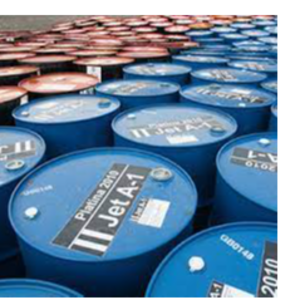
LUNYNS Ltd operates from the United Kingdom and currently lists ten distinct products in its catalogue. The company acts as an imported broker and sources commodities such as diesel fuel (EN590), aviation turbine fuel (Jet A1), bitumen 60/70, low‑sulphur diesel (D6), LPG, LNG, cobalt metal (JP54), rechargeable lithium‑ion cells (D2‑L02‑62), refined sunflower oil and shelled cashew nuts. Each entry is paired with its official HS‑code, for example diesel products fall under HS 2710.19 while LPG is classified under HS 2711.19.
The catalogue shows a mix of petroleum distillates, hydrocarbon gases, a metal grade, a battery chemistry, an edible oil and a nut commodity. The HS‑code families used include 2710 (diesel and related fuels), 2711 (liquefied petroleum gases), 2714 (bitumen), 8105 (cobalt), 8507 (lithium‑ion batteries), 1512 (refined vegetable oils) and 0801 (nuts). This structure indicates that LUNYNS Ltd focuses on bulk energy products and selected raw materials for industrial and food‑processing markets.
Product Range and Specialties of LUNYNS Ltd
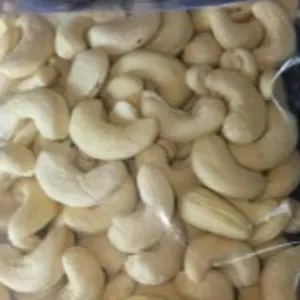
The listed diesel products - EN590, D6 and the broader EN‑fuel classification - conform to the European EN 590 standard, which limits sulphur to 10 ppm and defines cetane number, density and flash point limits. Jet A1 fuel matches ASTM D1655 specifications for aviation turbine fuel, with a typical freezing point of - 47 °C and a cloud point below - 40 °C. Bitumen 60/70 is a penetration‑grade binder used in road construction, commonly measured at 60 - 70 0.1 mm penetration at 25 °C. LPG is a propane‑butane mixture usually ranging from 60 % to 80 % propane, while LNG is a methane‑rich stream (>90 % CH₄) meeting ISO 21095. JP54 cobalt (99.8 % purity) is a standard grade for alloy production. The D2‑L02‑62 lithium‑ion cell falls under IEC 62660, typically delivering 3.6 - 3.7 V nominal voltage and capacities from 2 Ah to 5 Ah. Refined sunflower oil is usually classified as ICUMSA 45 - 48 with free‑fatty‑acid levels below 0.1 %, and cashew kernels are supplied in multiple grades distinguished by size (e.g., 12 mm, 14 mm) and moisture content below 5 %.
Trade and Export Information - LUNYNS Ltd
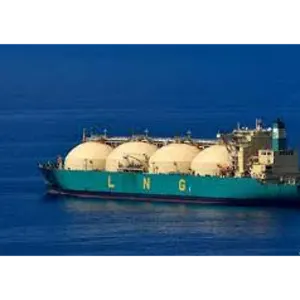
United Kingdom exporters of diesel, kerosene‑type jet fuel and bitumen commonly ship to European Union ports, North‑African refineries and Asian maritime hubs using ISO tank containers or bulk marine tankers. LPG and LNG are typically exported in pressurised or refrigerated vessels, with buyers in the Middle East, East Asia and Southern Europe requiring compliance with the International Maritime Organization’s gas carrier regulations. Cobalt metal (HS 8105.20) is often destined for the EU battery and alloy sectors, while lithium‑ion cells (HS 8507.60) are supplied to electronics assemblers in China, South Korea and the United States. Refined vegetable oils (HS 1512.19) and nuts (HS 0801.32) follow food‑safety protocols such as EU Regulation 1169/2011 and may be packed in food‑grade drums or 20‑ft containers. Across these categories, buyers frequently request ISO 9001 quality‑management certification, ISO 14001 environmental compliance and, for fuels, API Q1/Q2 or EN ISO 9001:2015 audit reports.
Sourcing from LUNYNS Ltd - Buyer Guidance
When sourcing diesel, jet fuel or LPG from LUNYNS Ltd, request the latest Certificate of Analysis (CoA) that includes sulphur content, cetane number, flash point and density measurements verified by an accredited laboratory such as SGS or Intertek. For LNG and bitumen, ask for a batch test report showing methane composition, moisture content and penetration grade respectively, together with a Material Safety Data Sheet (MSDS). Cobalt shipments should be accompanied by a purity assay and trace‑metal analysis; lithium‑ion cells require an IEC 62660 compliance certificate and a capacity‑retention test at 25 °C. Food‑grade products - sunflower oil and cashew nuts - should be supplied with a hygienic certificate, pesticide residue analysis and a declaration of conformity to the Codex Alimentarius standards. Verify that the HS‑code on the commercial invoice matches the product description before finalising the order, and confirm packaging details (e.g., ISO tank size, drum type, container seal numbers) to avoid customs delays.
Frequently Asked Questions About LUNYNS Ltd
What HS‑code does LUNYNS Ltd use for its diesel products such as EN590 and D6?
Both EN590 diesel and D6 low‑sulphur diesel are listed under HS 2710.19, which covers petroleum distillates used as motor fuel.
Which certification documents should a buyer request for the JP54 cobalt grade?
Buyers should request a Certificate of Analysis showing 99.8 % purity, an assay report for trace metals, and an ISO 9001 quality‑management certificate from the supplier’s refinery.
How is the quality of the refined sunflower oil verified?
The oil is typically graded to ICUMSA 45 - 48; buyers should ask for a CoA that includes free‑fatty‑acid percentage, peroxide value and a pesticide‑residue test complying with EU food‑safety standards.
What are the typical packaging methods for LPG and LNG exported by LUNYNS Ltd?
LPG is usually packed in pressurised ISO tank containers (e.g., 30 m³) while LNG is shipped in refrigerated cryogenic tanks on specialised LNG carriers, both complying with IMO gas‑carrier regulations.
Which industry standards apply to the D2‑L02‑62 lithium‑ion batteries?
The cells follow IEC 62660 specifications, with typical nominal voltage of 3.6 - 3.7 V and capacity ranges of 2 - 5 Ah; a compliance certificate and a capacity‑retention test at 25 °C are standard buyer requests.
What documentation is needed for cashew nuts to clear EU customs?
A phytosanitary certificate, a CoA showing moisture content below 5 % and compliance with the EU maximum pesticide residue limits, together with the HS 0801.32 classification, are normally required.
Which regions are the primary import markets for LUNYNS Ltd’s fuel products?
European Union ports, North‑African refineries and East‑Asian markets are the most common destinations for diesel, jet fuel and bitumen shipped from the United Kingdom.
What logistical terms are commonly used for shipping bulk petroleum products from the UK?
Buyers often negotiate Incoterms such as CIF (Cost, Insurance, Freight) to major ports, with delivery in ISO bulk tanks or standard marine tankers depending on the volume.




 , United Kingdom