Panwar impex — Verified Manufacturer & Wholesale Supplier
About Panwar impex - Fashion Wear Supplier in India
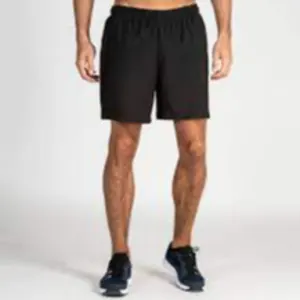
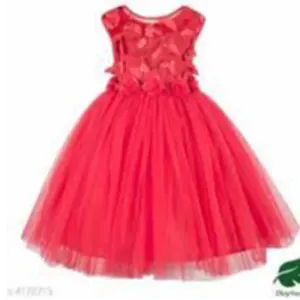
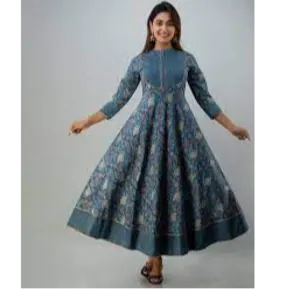
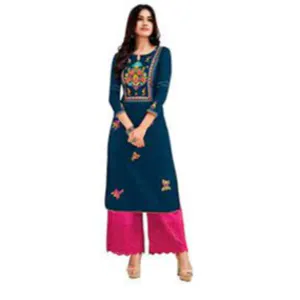
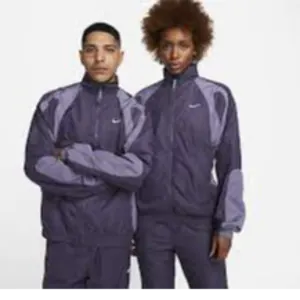
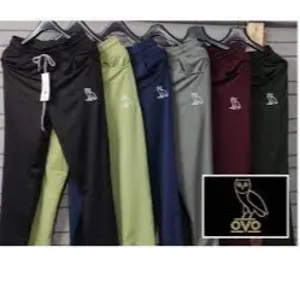
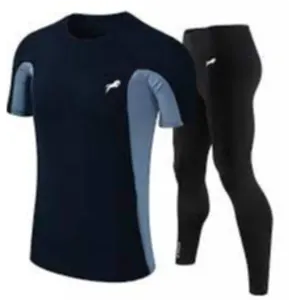
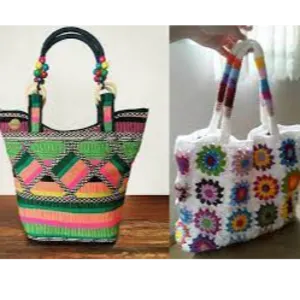
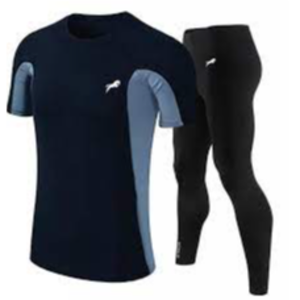
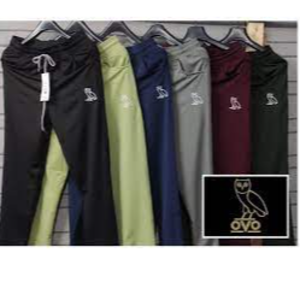
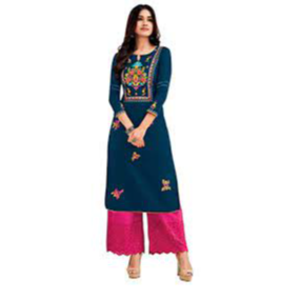
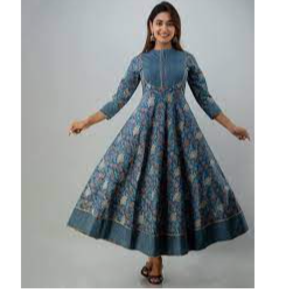
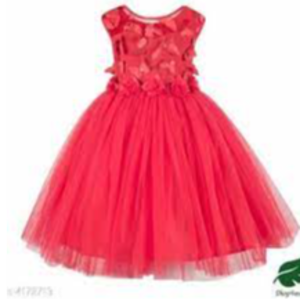
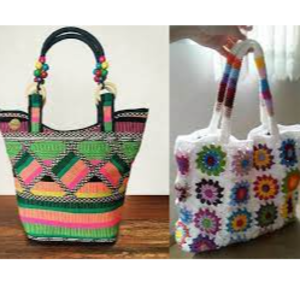
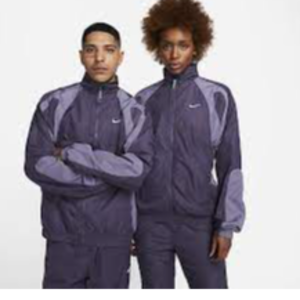
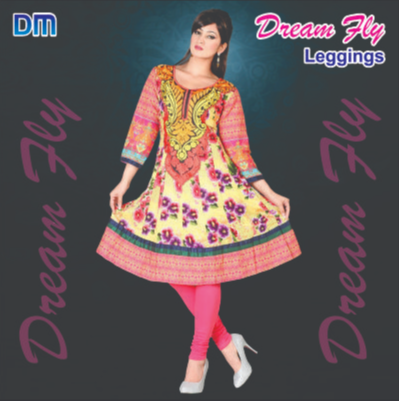
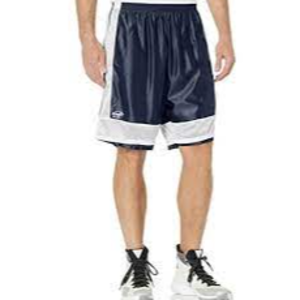
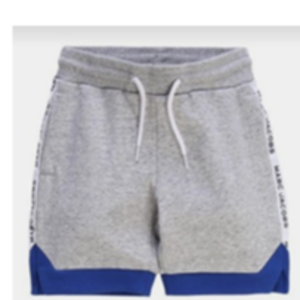
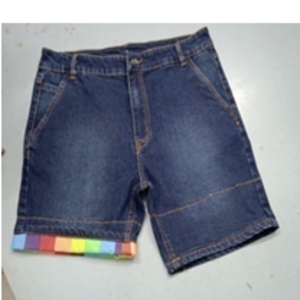
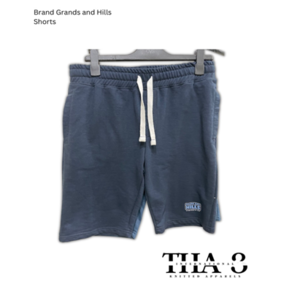
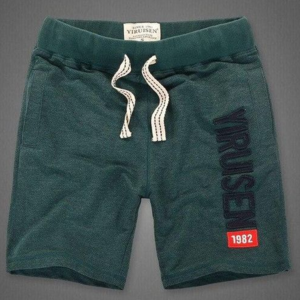
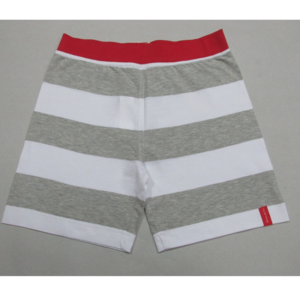
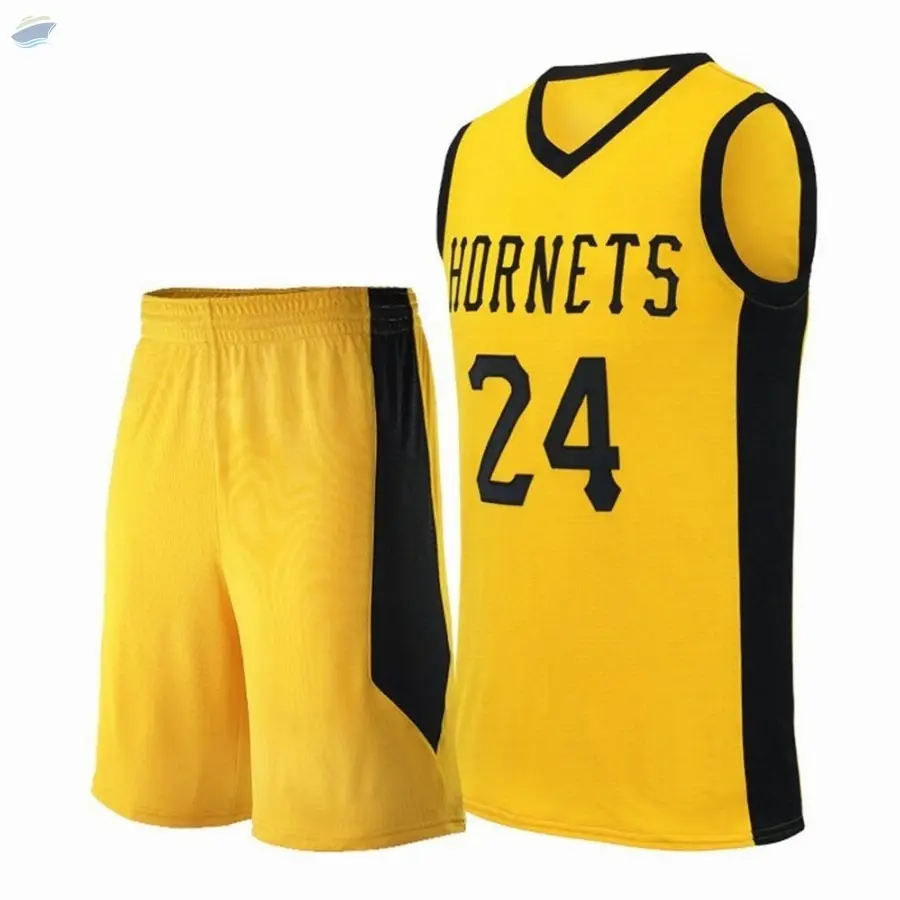
India, Sonepat in the state of Haryana hosts Panwar impex with an active product count of nine distinct items. The catalogue lists handcrafted bags classified under HS chapter 42 (HS 4202.12) made of cotton canvas, and a suite of apparel including sports‑wear (HS 6103.22, polyester/spandex 88/12), lower garments (HS 8105.20, cobalt metal 99.8 %), T‑shirts (HS 6109.10, 100 % cotton), track suits (HS 6211.32, polyester or polyester‑cotton blend), ladies’ kurtis (HS 6204.69, cotton/rayon/silk blends), dresses (HS 6204.44, silk/satin/polyester/georgette blends), kids’ dresses (HS 6204.42, 100 % cotton or cotton‑polyester blend) and shorts (HS 6107.11, 100 % cotton or cotton‑elastane mix).
The product set spans the fashion wear spectrum from outerwear to children’s garments, each tied to its specific HS code family. Materials range from natural fibres such as cotton and silk to synthetic blends and a metal component for lower garments, reflecting a diversified manufacturing capability within the nine listed SKUs.
Product Range and Specialties of Panwar impex
Panwar impex’s catalogue covers nine SKUs across two broad segments: accessories (handmade bag) and apparel (sports‑wear, T‑shirts, track suits, kurtis, dresses, kids’ dresses, shorts). In the bag segment, cotton canvas typically meets a weight of 300‑400 gsm and a thickness of 0.5‑0.7 mm, suitable for tote and clutch styles. Apparel items follow common industry specifications: polyester/spandex blends for sports‑wear usually provide 4‑6 % stretch, cotton fabrics for T‑shirts and shorts are graded at 140‑180 gsm, and silk‑based dresses often target a drape weight of 45‑60 gsm. Typical grade references include ISO 9001 for process quality, Oeko‑Tex 100 for textile safety, and ASTM D5034 for tensile strength in woven fabrics.
Trade and Export Information - Panwar impex
India is a major exporter of textile and leather‑related goods, with the European Union, United States and Middle East representing the largest import markets for handcrafted bags and ready‑made garments. The HS 4202 family (handbags) generally requires compliance with the EU REACH regulation for any metal additives, while HS 6103, 6109, 6107, 6211, 6204 families are subject to textile labeling rules (e.g., fibre‑content declaration) and often need an ISO‑14001 environmental management certificate for bulk shipments. Export shipments are commonly packed in double‑wall corrugated cartons, with individual garments folded and placed in poly‑bags of 50‑100 units per bag; bags are shipped in wooden crates or bulk cartons. Standard Incoterms used by Indian exporters include FOB Sonepat port or CIF destination, and container loading typically follows a 20‑ft container capacity of approximately 1,200 T‑shirts or 800 pairs of shorts, or 500 handmade bags depending on packaging density.
Sourcing from Panwar impex - Buyer Guidance
When sourcing from Panwar impex, request material safety data sheets for the cobalt metal component (HS 8105.20) and textile test reports covering colour fastness (ISO 105), dimensional stability (ISO 9073) and fabric weight (ISO 9072). Verify that the cotton canvas bag meets the minimum 300 gsm specification and that all synthetic blends are accompanied by a composition certificate confirming the 88 % polyester / 12 % spandex ratio. Confirm the supplier can provide Oeko‑Tex 100 or equivalent certification for all textile items, and ensure the packaging plan aligns with the buyer’s container loading preferences (e.g., 20‑ft or 40‑ft container, carton count).
Frequently Asked Questions About Panwar impex
What HS codes apply to Panwar impex’s products?
The handmade bag falls under HS 4202.12, sports‑wear under HS 6103.22, lower garments with cobalt metal under HS 8105.20, T‑shirts under HS 6109.10, track suits under HS 6211.32, ladies’ kurtis under HS 6204.69, dresses under HS 6204.44, kids’ dresses under HS 6204.42 and shorts under HS 6107.11.
Which material specifications should a buyer verify?
Buyers should confirm cotton canvas weight (≈300‑400 gsm), polyester/spandex blend composition (88 % polyester, 12 % spandex), and silk or satin blends for dresses. The cobalt metal used in lower garments should be 99.8 % purity as listed.
What certifications are typically required for these categories?
Typical requirements include Oeko‑Tex 100 for textile safety, ISO 9001 for quality management, and REACH compliance for any metal‑containing items. Buyers should request these certificates from the supplier.
How are the products usually packaged for export?
Handmade bags are packed in sturdy cardboard cartons, often 20‑30 units per box. Apparel items are folded, placed in poly‑bags (50‑100 pieces per bag), and then boxed in double‑wall corrugated cartons suitable for 20‑ft or 40‑ft containers.
What Incoterms are commonly used by Panwar impex?
FOB from the nearest Indian port (e.g., Delhi/Meerut) and CIF to the buyer’s destination are the standard terms used for their shipments.
What sample or testing documentation should a buyer request before placing a large order?
Buyers should ask for a physical sample, a fabric composition certificate, weight and GSM test report, colour‑fastness (ISO 105) results, and for the metal garment, a purity certificate and REACH compliance statement.
What are typical minimum order quantities (MOQ) for the listed products?
MOQs vary by item; bags generally start at 200 units per order, while T‑shirts, shorts and sports‑wear often begin at 500 pieces per size and colour, and dresses at 300 pieces per style.
What lead times can a buyer expect for production?
Lead times are typically 30‑45 days for standard designs after sample approval, with longer periods (up to 60 days) for custom‑printed or embroidered bags and bespoke garment trims.




 Sonepat, India