Living Foods India Pvt. Ltd. — Verified Supplier
About Living Foods India Pvt. Ltd. - Soya Oil Supplier in India
Living Foods India Pvt. Ltd. is based in India and lists 14 active products in its catalogue. The portfolio covers a range of soy‑derived ingredients that fall under the Health Food, Soya Oil and Soybean Oil categories. Products include soy flour, soy proteins, lecithin, soybean flakes, grits, various formats of refined soy oil and textured soy chunks and granules. The catalogue groups these items under the broader HS‑code families for soybeans (HS 1201) and refined vegetable oils (HS 1502), which are standard classifications for international trade of these commodities.
The listed items span bulk raw materials such as soy flour and soy proteins, functional additives like lecithin, and consumer‑ready formats such as 500 ml to 15 kg packs of refined soy oil. Textured soy pieces are offered in 60 g, 225 g and 1 kg packaging, reflecting common portion sizes for food manufacturers. The product mix illustrates a focus on both ingredient supply for processed food manufacturers and finished‑goods packaging for retail distribution.
Product Range and Specialties of Living Foods India Pvt. Ltd.
Soy flour typically carries a protein content of 45 % - 55 % and a moisture level below 12 %, with ICUMSA colour grades ranging from 30 to 70. Soy proteins are supplied as isolates (≥90 % protein) or concentrates (≈70 % protein) and are evaluated for nitrogen solubility index (NSI) above 70 %. Lecithin derived from soybeans is usually sold with a phosphatidylcholine content of 30 % - 55 % and a low peroxide value (<10 meq O₂/kg).
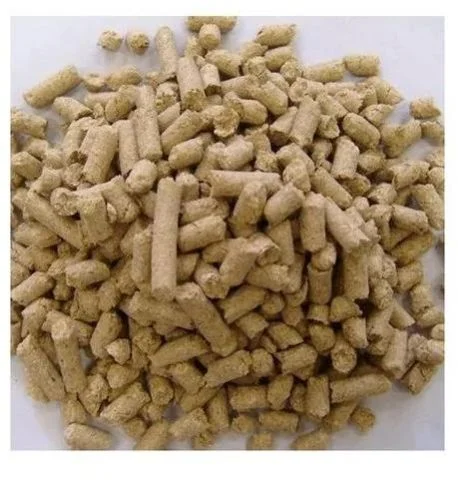
Refined soy oil is commonly specified with a free fatty acid (FFA) content under 0.05 %, an iodine value around 110 - 115, and a flash point above 260 °C. Textured soy chunks and granules are graded by bulk density (300 - 400 kg/m³) and particle size distribution, with typical moisture limits of 8 % - 10 %. Grits and flakes are used as protein‑rich feed ingredients and are evaluated for particle size (0.5 - 2 mm) and mycotoxin limits as per Codex standards.
Trade and Export Information - Living Foods India Pvt. Ltd.
India is a major exporter of soy‑derived food ingredients, with the majority of shipments routed to the European Union, the United States, the Middle East and Southeast Asian markets. The HS‑code 1201 covers raw soybeans and soy flour, while HS‑code 1502 applies to refined soybean oil; both codes are subject to customs duties that vary by destination and may require a phytosanitary certificate and a certificate of origin.
Buyers typically request compliance documents such as ISO 22000 or FSSC 22000 certificates, HACCP plans, and, where applicable, non‑GMO or organic attestations. Container loading for bulk soy flour or oil usually follows 20‑ft or 40‑ft drums (25 kg) and bulk tank containers for oil, while the packaged oil packs (500 ml to 15 kg) are shipped in cartons on pallets. Incoterms most often used are FOB or CIF, with the exporter handling customs clearance in India.
Sourcing from Living Foods India Pvt. Ltd. - Buyer Guidance
When sourcing from Living Foods India Pvt. Ltd., request a recent analysis report that includes protein content, moisture, oil purity and any contaminant testing (e.g., aflatoxins, pesticide residues). For lecithin, ask for phospholipid profile and peroxide value. Verify the packaging specifications - bulk drums for flour, food‑grade drums or ISO tanks for oil, and sealed cartons for the smaller oil packs.
Confirm that the supplier can provide the standard certifications required for your market, such as ISO 22000, HACCP, or a non‑GMO declaration. Request a sample batch before confirming a full order and compare the sample’s analytical results with the specifications listed in the catalogue. Ensure that the lead time aligns with your production schedule, typically 30 - 45 days for bulk soy ingredients and 15 - 25 days for packaged oil.
Frequently Asked Questions About Living Foods India Pvt. Ltd.
What types of soy flour does Living Foods India offer?
The catalogue lists soy flour as a bulk ingredient. Typical specifications include 45 % - 55 % protein, moisture below 12 % and ICUMSA colour grades between 30 and 70. Buyers should request a Certificate of Analysis to confirm these parameters for each shipment.
Are the refined soy oil packs suitable for food‑service or retail?
The supplier provides refined soy oil in 500 ml, 1 L, 5 L, 15 L and 15 kg bulk packs, which meet food‑grade standards for free fatty acid content under 0.05 %. Both retail shelving and bulk food‑service use are supported, depending on the packaging size selected.
Which certifications should a buyer request for the soy ingredients?
Typical certifications for soy ingredients include ISO 22000 or FSSC 22000 food safety management, HACCP compliance, and, if required, non‑GMO or organic attestations. Buyers should ask the supplier to provide copies of the relevant certificates before finalising the order.
What are the typical minimum order quantities for bulk soy flour and soy oil?
Bulk soy flour is commonly ordered in 20‑ft or 40‑ft drums, with a practical minimum of 1 ton per shipment. Refined soy oil in bulk drums usually has a minimum order of 500 L, while the packaged oil packs can be ordered in palletised quantities starting at 500 units.
How is lecithin quality measured?
Lecithin quality is assessed by its phosphatidylcholine content, which normally ranges from 30 % to 55 %, and by the peroxide value, which should be below 10 meq O₂/kg. A Certificate of Analysis should detail these values for each batch.
What documentation is required for customs clearance of soy products from India?
Customs authorities typically require a phytosanitary certificate, a certificate of origin, and a commercial invoice. If the product is destined for the EU, an EU‑type certification such as a health certificate may also be needed.
What are the common shipping terms used for these products?
Suppliers from India frequently use FOB (Free on Board) or CIF (Cost, Insurance and Freight) incoterms for soy ingredients. Bulk shipments are loaded in drums or ISO tanks, while packaged oil packs are palletised in standard 20‑ft or 40‑ft containers.




 , India