Karuna Fab — Supplier
About Karuna Fab - Medical Face Masks Supplier in India
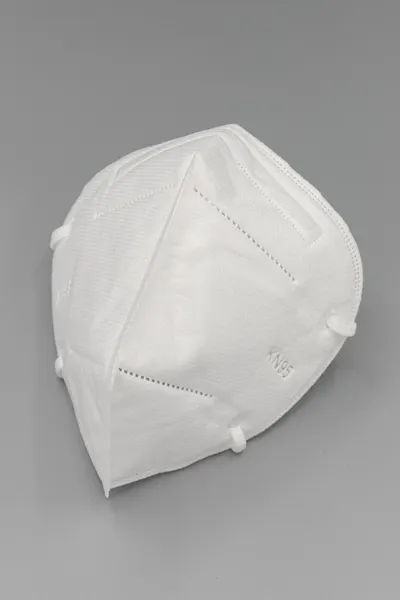
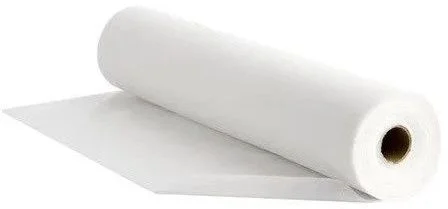
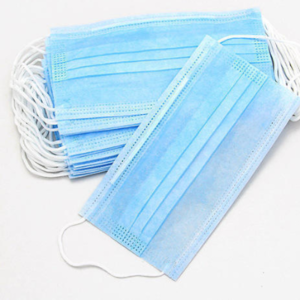
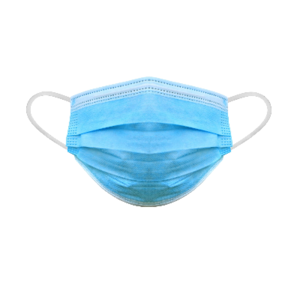
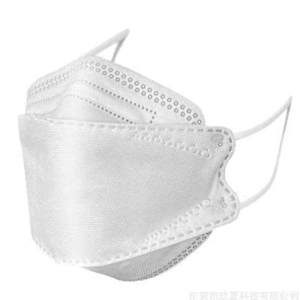
Karuna Fab is based in India and currently lists five active products in its catalogue. The product set focuses on non‑woven textile materials and medical face coverings, including melt‑blown fabric, generic non‑woven fabric, KN95 respirators, a standard three‑ply mask and the branded Be Positive 3‑ply mask. All mask items are classified under HS chapter 63.07.90, which covers other finished textile articles. Materials are described as multi‑layer non‑woven composites, polypropylene spunbond and melt‑blown layers, or spunbond polypropylene alone. The catalogue does not provide further corporate details beyond these product entries.
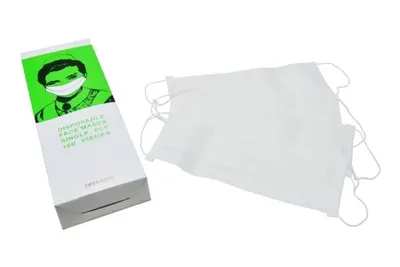
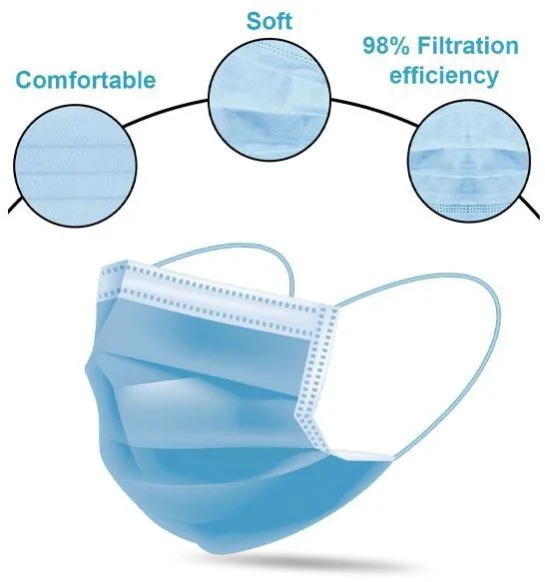
The non‑woven entries specify melt‑blown fabric, a key component for filtration, while the mask listings note constructions such as a multi‑layer non‑woven composite (non‑woven + meltblown + electrostatic cotton) or spunbond‑meltblown polypropylene. The KN95 mask follows the typical five‑layer structure required for N95‑equivalent performance. The three‑ply and Be Positive masks are built from polypropylene spunbond fabric, a common material for disposable protective masks. No additional HS codes beyond 6307.90 are mentioned in the supplied data.
Product Range and Specialties of Karuna Fab
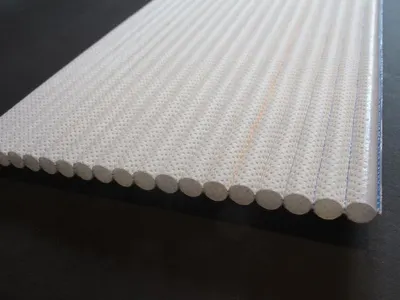
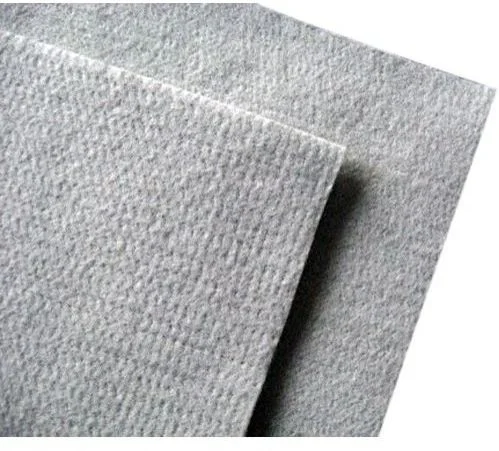
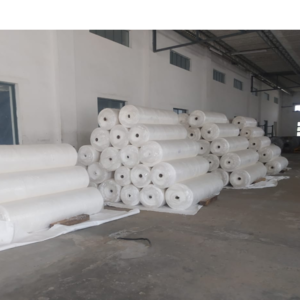
Karuna Fab’s catalogue comprises melt‑blown non‑woven fabric, a generic non‑woven fabric, KN95 respirators, a three‑ply disposable mask and the Be Positive three‑ply mask, all falling under HS code 6307.90. The melt‑blown fabric is typically supplied in rolls of 100‑200 m length with basis weights ranging from 20 to 35 g/m², suitable for high‑efficiency filtration layers.
In the medical mask market, manufacturers usually target ASTM F2100 levels 1‑3 or EN 14683 Type I‑III, which define bacterial filtration efficiency (BFE ≥ 95 % for Level 1/Type I, ≥ 98 % for Level 2/Type II) and differential pressure (ΔP) limits. Polypropylene spunbond layers commonly have GSM values between 30 and 50 g/m², while melt‑blown layers are 20‑30 g/m². Buyers often request certificates confirming compliance with ISO 13485 quality management for medical devices and CE marking for European markets.
Trade and Export Information - Karuna Fab
India is a major exporter of personal protective equipment, and products classified under HS 6307.90 are shipped to North America, the European Union, the Middle East and Southeast Asia. Buyers typically import masks in 20‑ft containers that can hold 10 000 - 12 000 three‑ply masks or 8 000 - 9 000 KN95 units, packed in sealed poly‑bag units within cartons.
Importers commonly require CE conformity assessment, FDA 510(k) clearance for the US market, and test reports for particle filtration efficiency (PFE ≥ 95 % at 0.1 µm) and bacterial filtration efficiency (BFE ≥ 95 %). Standard packaging includes individual sealed masks inside polypropylene bags, grouped into cartons of 50 - 100 units, with moisture content below 5 %. Typical Incoterms used are FOB Mumbai or CIF Dubai, depending on buyer preference.
Sourcing from Karuna Fab - Buyer Guidance
Prospective buyers should request material data sheets specifying melt‑blown basis weight, spunbond GSM, and overall mask construction layer count. Test reports for PFE, BFE, differential pressure and splash resistance are standard verification documents; confirming that these reports reference recognized standards such as ASTM F2100 or EN 14683 is advisable. Buyers are also advised to obtain the supplier’s CE Declaration of Conformity or FDA registration evidence when targeting EU or US markets.
Frequently Asked Questions About Karuna Fab
What mask types does Karuna Fab offer?
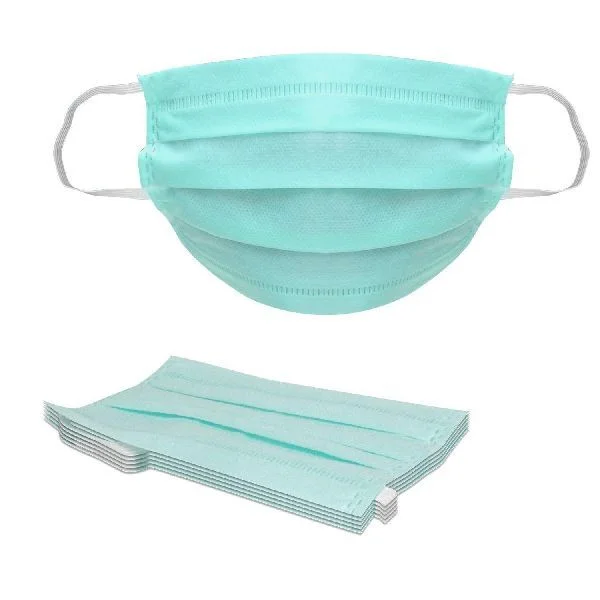
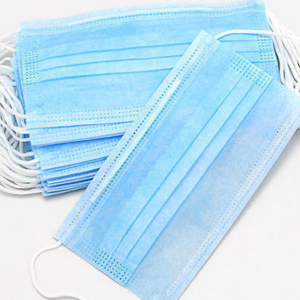
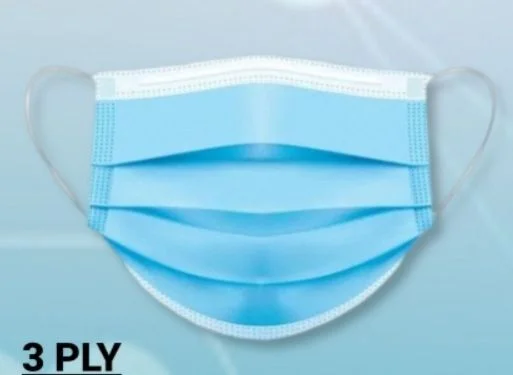
The catalogue lists KN95 respirators, a standard three‑ply disposable mask and the branded Be Positive three‑ply mask, all constructed from polypropylene non‑woven fabrics and classified under HS 6307.90.
Which material specifications are provided for the fabrics?
The melt‑blown fabric is described as a non‑woven composite used for filtration layers, while the spunbond fabrics are polypropylene with typical GSM values of 30‑50 g/m²; detailed basis weights are usually supplied in the product data sheet.
What certifications should a buyer verify for these masks?
Buyers should request CE marking or FDA 510(k) clearance, ISO 13485 quality‑management certification, and test reports for particle filtration efficiency, bacterial filtration efficiency and differential pressure that reference ASTM F2100 or EN 14683.
What is the typical packaging format for the masks?
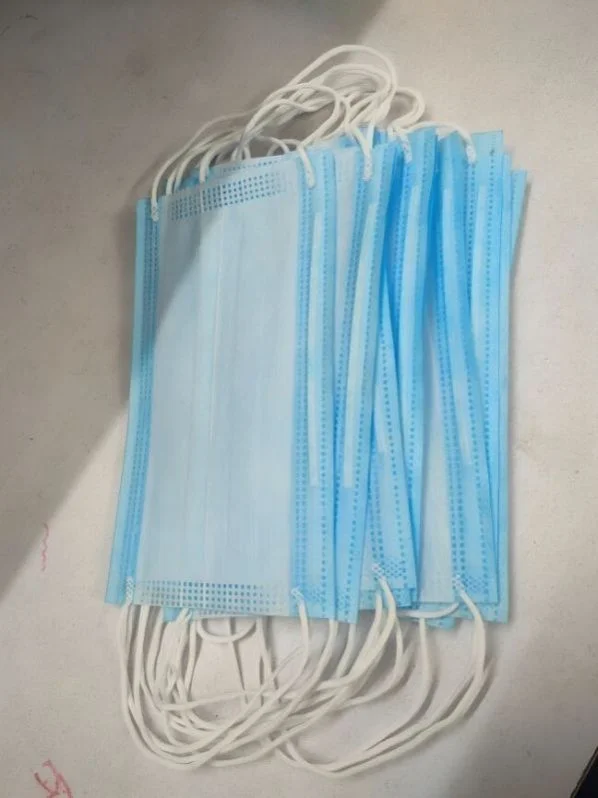
Masks are commonly packed individually in sealed polypropylene bags, then grouped into cartons of 50 - 100 units, with moisture content kept below 5 % to preserve performance.
What are the usual minimum order quantities and lead times?
Suppliers in this segment often set MOQs of one 20‑ft container (approximately 10 000 three‑ply masks or 8 000 KN95 units) with lead times ranging from 30 to 45 days after order confirmation, subject to production scheduling.
Which HS code applies to all listed products?
All five products are classified under HS code 6307.90, covering other finished textile articles such as disposable protective masks.
Which markets commonly import these Indian‑origin masks?
Major import destinations include the United States, European Union member states, the United Arab Emirates and other Middle‑East countries, as well as Southeast Asian nations that source PPE from India.




 , India