JVC India — Supplier

About JVC India - Gypsum Supplier in India

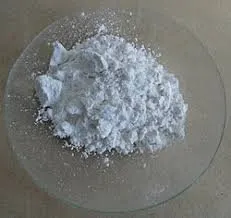
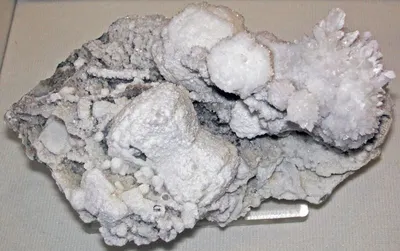
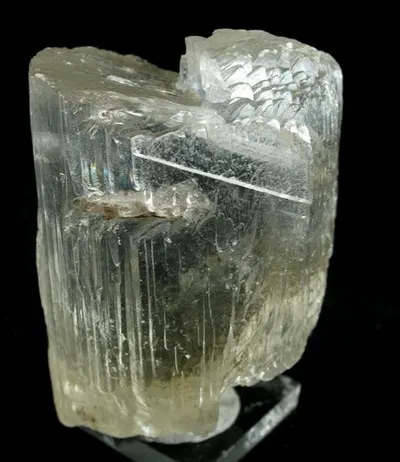
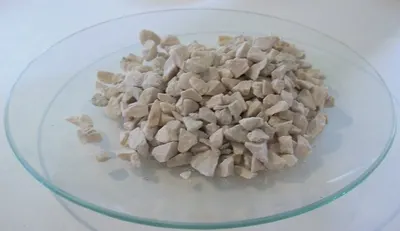
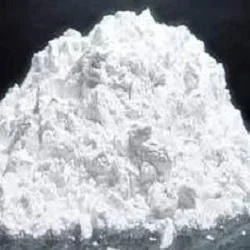
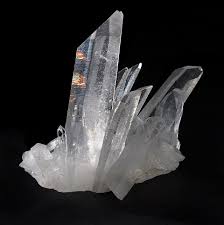
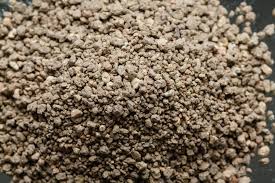
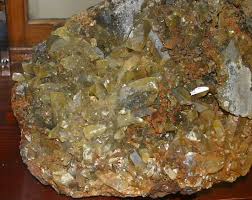
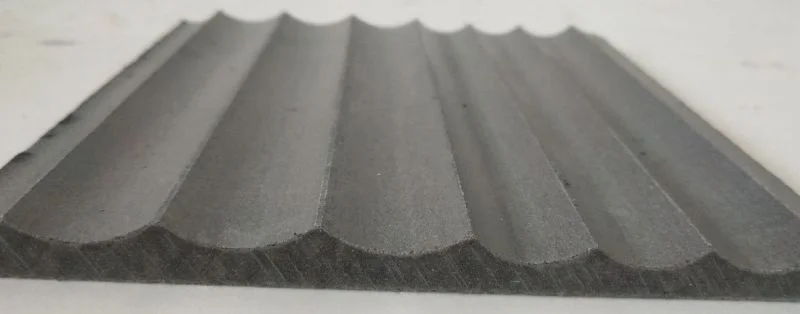
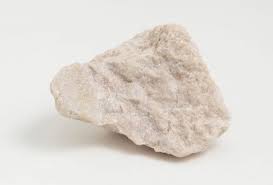
JVC India operates from India and currently lists 13 active mineral products. The product portfolio covers gypsum derivatives, calcium carbonate forms, silica materials, and various industrial minerals. Specific catalogue entries include quartz grits (HS 2506.20, natural silicon dioxide), sodium bentonite (HS 2508.10, Na‑montmorillonite), barite (HS 2511.10, natural barium sulfate), activated carbon, gypsum powder (HS 2520.20, calcium sulfate hemihydrate), phospho gypsum, natural gypsum (HS 2520.10, calcium sulfate dihydrate), precipitated calcium carbonate (HS 2508.90), ground calcium carbonate (GCC) (HS 2836.50), silica fume white and grey (HS 2505.90), and granulated blast furnace slag (GBFS) (HS 2618.00). The listed top categories are gypsum, calcium carbonate, silica sand, quartz, bentonite, barite ore, carbon, and roofing sheets made from gypsum board. JVC India is classified in the harbor trust tier, indicating a moderate level of verified trade history.

Product Range and Specialties of JVC India

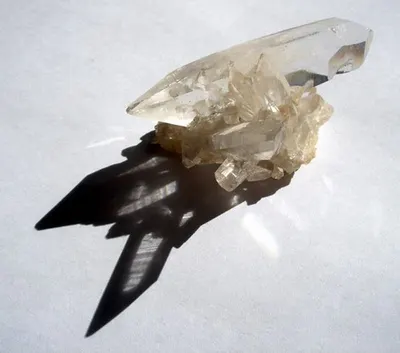
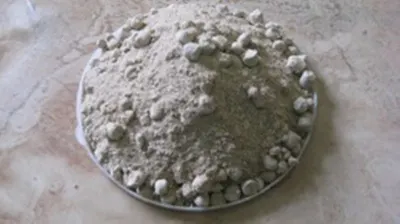
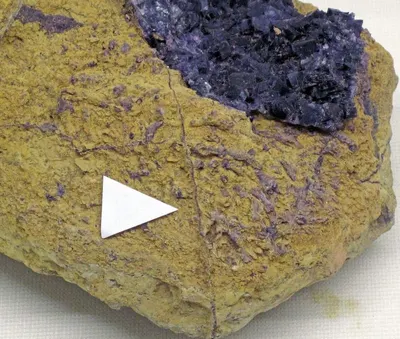
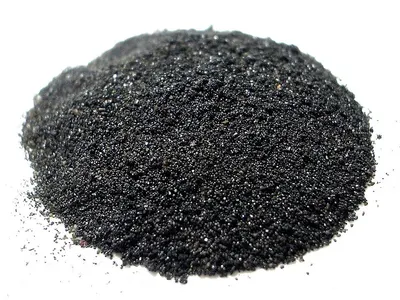
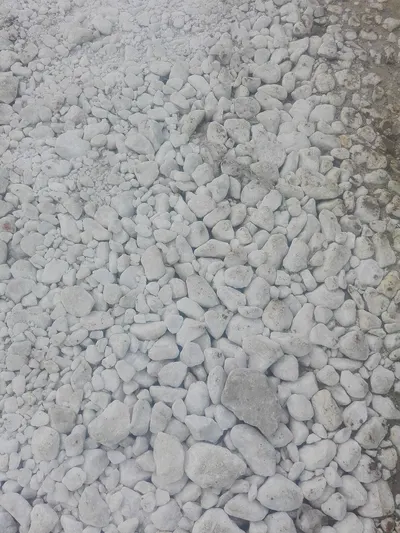
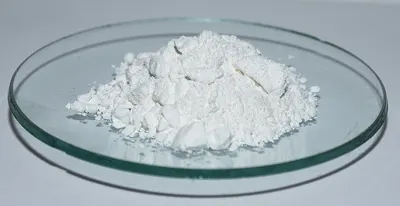
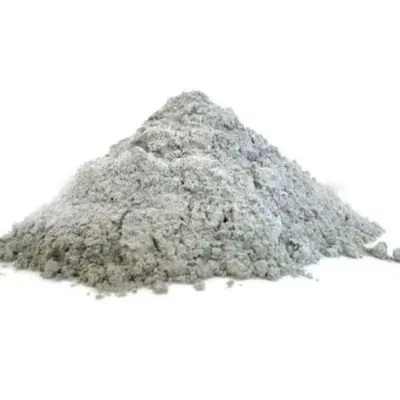
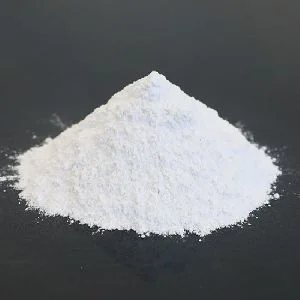
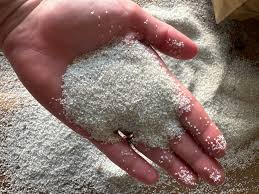
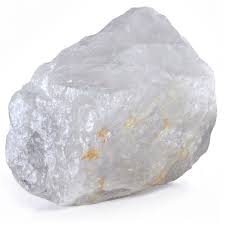
JVC India's catalogue spans mineral raw materials commonly segmented by industry standards. Quartz grits are supplied as natural silicon dioxide with typical purity above 99 % and mesh sizes ranging from 20 to 200 mesh, aligning with specifications for glass manufacturing and ceramics. Sodium bentonite is offered in a sodium‑rich form with moisture content 10‑12 % and a sodium adsorption ratio (SAR) exceeding 80 meq/100 g, matching drilling‑fluid and cat litter standards. Barite is presented as natural barium sulfate with specific gravity 4.2‑4.5, suitable for oil‑field weighting and radiation shielding. Activated carbon is available in granular or powdered form, with iodine numbers commonly 800‑1000 mg/g for water purification. Gypsum products include natural gypsum and gypsum powder, both meeting the ASTM C472 standard for calcium sulfate dihydrate and hemihydrate, with particle sizes below 150 µm for plaster applications. Precipitated calcium carbonate (PCC) follows typical PCC grade specifications of particle size 10‑50 µm and purity 99 %, while ground calcium carbonate (GCC) adheres to GCC grade 1‑3 ranges used in paper and plastics. Silica fume grades - white and grey - provide amorphous SiO₂ with specific surface area 20‑30 m²/g and loss on ignition below 5 %, conforming to ASTM C1240. Granulated blast furnace slag meets the GBFS grade defined by fineness 400‑500 m²/kg and calcium oxide content 30‑45 %, as required for blended cement.

Trade and Export Information - JVC India

India is a major exporter of industrial minerals, and shipments of quartz, bentonite, barite, gypsum, calcium carbonate, silica fume, and GBFS are routinely dispatched to construction, oil‑field, and manufacturing markets in the Middle East, Southeast Asia, Africa, and Europe. The HS code families present in JVC India's catalogue (2505‑2508, 2506, 2511, 2520, 2618, 2836) fall under the broader Chapter 25 (Mineral products) and Chapter 26 (Chemical products) classifications, which are subject to standard customs valuation and may require a certificate of origin for preferential trade agreements such as the India‑UAE Comprehensive Economic Partnership. Buyers typically request quality test reports aligned with ISO 9001, ASTM, or EN standards - e.g., ASTM C618 for pozzolanic materials, ISO 14688 for bentonite, and EN 12486 for silica fume. Packaging for bulk mineral shipments commonly uses 20‑ft or 40‑ft containers with moisture‑proof liners, or bulk bagging (25 kg or 1 ton) for powders, while GBFS is often shipped in bulk cement silos or flexible intermediate bulk containers (FIBCs). Common Incoterms for Indian mineral exports include FOB (port of Mumbai or Chennai) and CIF to regional hubs, with buyers responsible for import customs clearance and any required testing upon arrival.

Sourcing from JVC India - Buyer Guidance

When sourcing from JVC India, buyers should obtain the latest material safety data sheet (MSDS) and a third‑party assay report that confirms purity, particle‑size distribution, and moisture content for each product. For gypsum and calcium carbonate, request compliance certificates to ASTM C472 and ISO 9001, and for silica fume ask for specific surface area data and loss‑on‑ignition results. Bentonite purchases should be accompanied by a sodium adsorption ratio (SAR) test and a bulk density measurement. Since the catalogue does not list HS codes for activated carbon, phospho gypsum, and GGBS, buyers must verify the correct HS classification with the supplier before customs filing. It is advisable to order a representative sample under a non‑binding trial agreement and to confirm the supplier’s ability to meet packaging specifications such as 25 kg bulk bags or 20‑ft container load plans before finalizing a purchase order.

Frequently Asked Questions About JVC India

What HS codes are associated with JVC India's quartz grits?

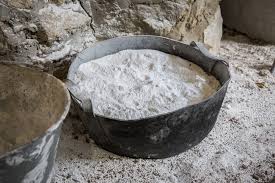
Quartz grits are classified under HS code 2506.20, which falls within Chapter 25 for mineral products. The code is used for customs declarations when the material is shipped for glass, ceramic, or abrasives production. Buyers should confirm the exact mesh size in the product specification.

Does JVC India provide certification for its calcium carbonate products?

JVC India can provide ISO 9001‑based quality management certificates together with third‑party test reports that verify compliance with ASTM standards for calcium carbonate. For precipitated calcium carbonate (HS 2508.90) and ground calcium carbonate (GCC, HS 2836.50) the reports typically include purity, particle‑size distribution, and moisture content. These documents should be requested before placing an order.

How can I verify the purity of the silica fume offered by JVC India?

Purity of the silica fume can be confirmed by a laboratory analysis showing silicon dioxide content above 99 % and a specific surface area of 20‑30 m²/g. The report also includes loss on ignition, which is normally less than 5 %, in line with ASTM C1240 requirements. Buyers are advised to obtain this assay for each batch.

What packaging options are available for bulk gypsum powder?

Gypsum powder (HS 2520.20) is usually packed in moisture‑proof 25 kg bulk bags or 1‑ton flexible intermediate bulk containers (FIBCs). For larger shipments the product can be loaded into 20‑ft or 40‑ft containers with liners to prevent moisture absorption. Packaging details should be confirmed to match the buyer’s storage conditions.

Are there any standard tests required for the sodium bentonite supplied?

Standard verification for sodium bentonite includes moisture content of 10‑12 % and a sodium adsorption ratio (SAR) exceeding 80 meq/100 g. Particle‑size distribution and bulk density are also documented in an ISO‑referenced assay report. Buyers should request these test results to ensure suitability for drilling‑fluid or foundry use.

What is the typical lead time for a full‑container shipment of GBFS?

For granulated blast furnace slag (HS 2618.00) a typical full‑container load requires 4 to 6 weeks from order confirmation to vessel departure. The timeframe depends on production scheduling, bulk bag preparation, and container availability at the port of loading. Buyers should factor this lead time into project planning.

Which markets commonly import the barite product listed by JVC India?

Barite (HS 2511.10) from India is commonly exported to the Middle East, Southeast Asia, and African markets. The primary applications are oil‑field weighting fluids and radiation shielding, which drive the demand in those regions. Importers usually request a certificate of analysis confirming specific gravity between 4.2 and 4.5.


Featured Products from this Supplier

Other Suppliers in Primary Category

Top Trusted Suppliers

Related Products

Trending in Parent Category

More Suppliers in Category

Related Products

Other Suppliers

EximNext
7.1K+ live requirements
Register Free🎁 Reach global buyers
Post Requirement
🌍 Trusted by 225K+ businesses in 200+ countries|
7.1K+ active requirements right now
✉️ [email protected]
|
Sell on EximNextPost Requirement
EximNext
AgricultureApparelConstructionElectronicFoodHomeIndustrialMineralsMiscellaneous
🔥 Deals|✨ AI Match|🏭 Suppliers|📋 Buy Leads|💰 Trade Finance
7.1K+ live RFQs·194.8K+ suppliers
🎁 Reach global buyers →
EximNext
EximNext
Register Free
🎁 Reach global buyers
Sign In
📋Post Requirement💬Get Quotes✨AI Match📋RFQ Marketplace
All Categories
Services & Tools
🏭Supplier Directory🔥Today's Deals💰Trade Finance
Sell on EximNext →
AboutContactBlogHelp
Industrial & Minerals  ·  India
13
products listed

JVC India

⚓ Harbor
Country flag , IndiaNew supplier / no reviews yet
🛡️
55/100
Trust Score

JVC India Product Catalog

Showing 12 of 13 products
View all products →
Quartz Grits
⚓ Harbor
Quartz Grits
Contact
MOQ: 1 Unit
Sodium Bentonite
⚓ Harbor
Sodium Bentonite
Contact
MOQ: 1 Unit
Barite
⚓ Harbor
Barite
Contact
MOQ: 1 Unit
Activated Carbon
⚓ Harbor
Activated Carbon
Contact
MOQ: 1 Unit
Gypsum Powder
⚓ Harbor
Gypsum Powder
Contact
MOQ: 1 Unit
Phospho Gypsum
⚓ Harbor
Phospho Gypsum
Contact
MOQ: 1 Unit
Natural Gypsum
⚓ Harbor
Natural Gypsum
Contact
MOQ: 1 Unit
Precipitated Calcium Carbonate
⚓ Harbor
Precipitated Calcium Carbonate
Contact
MOQ: 1 Unit
Calcium Carbonate (GCC)
⚓ Harbor
Calcium Carbonate (GCC)
Contact
MOQ: 1 Unit
Silica Fume  White
⚓ Harbor
Silica Fume White
Contact
MOQ: 1 Unit
Silica Fume Grey
⚓ Harbor
Silica Fume Grey
Contact
MOQ: 1 Unit
GGBS
⚓ Harbor
GGBS
Contact
MOQ: 1 Unit

About JVC India - Gypsum Supplier in India

JVC India operates from India and currently lists 13 active mineral products. The product portfolio covers gypsum derivatives, calcium carbonate forms, silica materials, and various industrial minerals. Specific catalogue entries include quartz grits (HS 2506.20, natural silicon dioxide), sodium bentonite (HS 2508.10, Na‑montmorillonite), barite (HS 2511.10, natural barium sulfate), activated carbon, gypsum powder (HS 2520.20, calcium sulfate hemihydrate), phospho gypsum, natural gypsum (HS 2520.10, calcium sulfate dihydrate), precipitated calcium carbonate (HS 2508.90), ground calcium carbonate (GCC) (HS 2836.50), silica fume white and grey (HS 2505.90), and granulated blast furnace slag (GBFS) (HS 2618.00). The listed top categories are gypsum, calcium carbonate, silica sand, quartz, bentonite, barite ore, carbon, and roofing sheets made from gypsum board. JVC India is classified in the harbor trust tier, indicating a moderate level of verified trade history.

Product Range and Specialties of JVC India

JVC India's catalogue spans mineral raw materials commonly segmented by industry standards. Quartz grits are supplied as natural silicon dioxide with typical purity above 99 % and mesh sizes ranging from 20 to 200 mesh, aligning with specifications for glass manufacturing and ceramics. Sodium bentonite is offered in a sodium‑rich form with moisture content 10‑12 % and a sodium adsorption ratio (SAR) exceeding 80 meq/100 g, matching drilling‑fluid and cat litter standards. Barite is presented as natural barium sulfate with specific gravity 4.2‑4.5, suitable for oil‑field weighting and radiation shielding. Activated carbon is available in granular or powdered form, with iodine numbers commonly 800‑1000 mg/g for water purification. Gypsum products include natural gypsum and gypsum powder, both meeting the ASTM C472 standard for calcium sulfate dihydrate and hemihydrate, with particle sizes below 150 µm for plaster applications. Precipitated calcium carbonate (PCC) follows typical PCC grade specifications of particle size 10‑50 µm and purity 99 %, while ground calcium carbonate (GCC) adheres to GCC grade 1‑3 ranges used in paper and plastics. Silica fume grades - white and grey - provide amorphous SiO₂ with specific surface area 20‑30 m²/g and loss on ignition below 5 %, conforming to ASTM C1240. Granulated blast furnace slag meets the GBFS grade defined by fineness 400‑500 m²/kg and calcium oxide content 30‑45 %, as required for blended cement.

Trade and Export Information - JVC India

India is a major exporter of industrial minerals, and shipments of quartz, bentonite, barite, gypsum, calcium carbonate, silica fume, and GBFS are routinely dispatched to construction, oil‑field, and manufacturing markets in the Middle East, Southeast Asia, Africa, and Europe. The HS code families present in JVC India's catalogue (2505‑2508, 2506, 2511, 2520, 2618, 2836) fall under the broader Chapter 25 (Mineral products) and Chapter 26 (Chemical products) classifications, which are subject to standard customs valuation and may require a certificate of origin for preferential trade agreements such as the India‑UAE Comprehensive Economic Partnership. Buyers typically request quality test reports aligned with ISO 9001, ASTM, or EN standards - e.g., ASTM C618 for pozzolanic materials, ISO 14688 for bentonite, and EN 12486 for silica fume. Packaging for bulk mineral shipments commonly uses 20‑ft or 40‑ft containers with moisture‑proof liners, or bulk bagging (25 kg or 1 ton) for powders, while GBFS is often shipped in bulk cement silos or flexible intermediate bulk containers (FIBCs). Common Incoterms for Indian mineral exports include FOB (port of Mumbai or Chennai) and CIF to regional hubs, with buyers responsible for import customs clearance and any required testing upon arrival.

Sourcing from JVC India - Buyer Guidance

When sourcing from JVC India, buyers should obtain the latest material safety data sheet (MSDS) and a third‑party assay report that confirms purity, particle‑size distribution, and moisture content for each product. For gypsum and calcium carbonate, request compliance certificates to ASTM C472 and ISO 9001, and for silica fume ask for specific surface area data and loss‑on‑ignition results. Bentonite purchases should be accompanied by a sodium adsorption ratio (SAR) test and a bulk density measurement. Since the catalogue does not list HS codes for activated carbon, phospho gypsum, and GGBS, buyers must verify the correct HS classification with the supplier before customs filing. It is advisable to order a representative sample under a non‑binding trial agreement and to confirm the supplier’s ability to meet packaging specifications such as 25 kg bulk bags or 20‑ft container load plans before finalizing a purchase order.

Frequently Asked Questions About JVC India

What HS codes are associated with JVC India's quartz grits?

Quartz grits are classified under HS code 2506.20, which falls within Chapter 25 for mineral products. The code is used for customs declarations when the material is shipped for glass, ceramic, or abrasives production. Buyers should confirm the exact mesh size in the product specification.

Does JVC India provide certification for its calcium carbonate products?

JVC India can provide ISO 9001‑based quality management certificates together with third‑party test reports that verify compliance with ASTM standards for calcium carbonate. For precipitated calcium carbonate (HS 2508.90) and ground calcium carbonate (GCC, HS 2836.50) the reports typically include purity, particle‑size distribution, and moisture content. These documents should be requested before placing an order.

How can I verify the purity of the silica fume offered by JVC India?

Purity of the silica fume can be confirmed by a laboratory analysis showing silicon dioxide content above 99 % and a specific surface area of 20‑30 m²/g. The report also includes loss on ignition, which is normally less than 5 %, in line with ASTM C1240 requirements. Buyers are advised to obtain this assay for each batch.

What packaging options are available for bulk gypsum powder?

Gypsum powder (HS 2520.20) is usually packed in moisture‑proof 25 kg bulk bags or 1‑ton flexible intermediate bulk containers (FIBCs). For larger shipments the product can be loaded into 20‑ft or 40‑ft containers with liners to prevent moisture absorption. Packaging details should be confirmed to match the buyer’s storage conditions.

Are there any standard tests required for the sodium bentonite supplied?

Standard verification for sodium bentonite includes moisture content of 10‑12 % and a sodium adsorption ratio (SAR) exceeding 80 meq/100 g. Particle‑size distribution and bulk density are also documented in an ISO‑referenced assay report. Buyers should request these test results to ensure suitability for drilling‑fluid or foundry use.

What is the typical lead time for a full‑container shipment of GBFS?

For granulated blast furnace slag (HS 2618.00) a typical full‑container load requires 4 to 6 weeks from order confirmation to vessel departure. The timeframe depends on production scheduling, bulk bag preparation, and container availability at the port of loading. Buyers should factor this lead time into project planning.

Which markets commonly import the barite product listed by JVC India?

Barite (HS 2511.10) from India is commonly exported to the Middle East, Southeast Asia, and African markets. The primary applications are oil‑field weighting fluids and radiation shielding, which drive the demand in those regions. Importers usually request a certificate of analysis confirming specific gravity between 4.2 and 4.5.

About JVC India - Gypsum Supplier in India

JVC India operates from India and currently lists 13 active mineral products. The product portfolio covers gypsum derivatives, calcium carbonate forms, silica materials, and various industrial minerals. Specific catalogue entries include quartz grits (HS 2506.20, natural silicon dioxide), sodium bentonite (HS 2508.10, Na‑montmorillonite), barite (HS 2511.10, natural barium sulfate), activated carbon, gypsum powder (HS 2520.20, calcium sulfate hemihydrate), phospho gypsum, natural gypsum (HS 2520.10, calcium sulfate dihydrate), precipitated calcium carbonate (HS 2508.90), ground calcium carbonate (GCC) (HS 2836.50), silica fume white and grey (HS 2505.90), and granulated blast furnace slag (GBFS) (HS 2618.00). The listed top categories are gypsum, calcium carbonate, silica sand, quartz, bentonite, barite ore, carbon, and roofing sheets made from gypsum board. JVC India is classified in the harbor trust tier, indicating a moderate level of verified trade history.

Product Range and Specialties of JVC India

JVC India's catalogue spans mineral raw materials commonly segmented by industry standards. Quartz grits are supplied as natural silicon dioxide with typical purity above 99 % and mesh sizes ranging from 20 to 200 mesh, aligning with specifications for glass manufacturing and ceramics. Sodium bentonite is offered in a sodium‑rich form with moisture content 10‑12 % and a sodium adsorption ratio (SAR) exceeding 80 meq/100 g, matching drilling‑fluid and cat litter standards. Barite is presented as natural barium sulfate with specific gravity 4.2‑4.5, suitable for oil‑field weighting and radiation shielding. Activated carbon is available in granular or powdered form, with iodine numbers commonly 800‑1000 mg/g for water purification. Gypsum products include natural gypsum and gypsum powder, both meeting the ASTM C472 standard for calcium sulfate dihydrate and hemihydrate, with particle sizes below 150 µm for plaster applications. Precipitated calcium carbonate (PCC) follows typical PCC grade specifications of particle size 10‑50 µm and purity 99 %, while ground calcium carbonate (GCC) adheres to GCC grade 1‑3 ranges used in paper and plastics. Silica fume grades - white and grey - provide amorphous SiO₂ with specific surface area 20‑30 m²/g and loss on ignition below 5 %, conforming to ASTM C1240. Granulated blast furnace slag meets the GBFS grade defined by fineness 400‑500 m²/kg and calcium oxide content 30‑45 %, as required for blended cement.

Trade and Export Information - JVC India

India is a major exporter of industrial minerals, and shipments of quartz, bentonite, barite, gypsum, calcium carbonate, silica fume, and GBFS are routinely dispatched to construction, oil‑field, and manufacturing markets in the Middle East, Southeast Asia, Africa, and Europe. The HS code families present in JVC India's catalogue (2505‑2508, 2506, 2511, 2520, 2618, 2836) fall under the broader Chapter 25 (Mineral products) and Chapter 26 (Chemical products) classifications, which are subject to standard customs valuation and may require a certificate of origin for preferential trade agreements such as the India‑UAE Comprehensive Economic Partnership. Buyers typically request quality test reports aligned with ISO 9001, ASTM, or EN standards - e.g., ASTM C618 for pozzolanic materials, ISO 14688 for bentonite, and EN 12486 for silica fume. Packaging for bulk mineral shipments commonly uses 20‑ft or 40‑ft containers with moisture‑proof liners, or bulk bagging (25 kg or 1 ton) for powders, while GBFS is often shipped in bulk cement silos or flexible intermediate bulk containers (FIBCs). Common Incoterms for Indian mineral exports include FOB (port of Mumbai or Chennai) and CIF to regional hubs, with buyers responsible for import customs clearance and any required testing upon arrival.

Sourcing from JVC India - Buyer Guidance

When sourcing from JVC India, buyers should obtain the latest material safety data sheet (MSDS) and a third‑party assay report that confirms purity, particle‑size distribution, and moisture content for each product. For gypsum and calcium carbonate, request compliance certificates to ASTM C472 and ISO 9001, and for silica fume ask for specific surface area data and loss‑on‑ignition results. Bentonite purchases should be accompanied by a sodium adsorption ratio (SAR) test and a bulk density measurement. Since the catalogue does not list HS codes for activated carbon, phospho gypsum, and GGBS, buyers must verify the correct HS classification with the supplier before customs filing. It is advisable to order a representative sample under a non‑binding trial agreement and to confirm the supplier’s ability to meet packaging specifications such as 25 kg bulk bags or 20‑ft container load plans before finalizing a purchase order.

Frequently Asked Questions About JVC India
What HS codes are associated with JVC India's quartz grits?
Quartz grits are classified under HS code 2506.20, which falls within Chapter 25 for mineral products. The code is used for customs declarations when the material is shipped for glass, ceramic, or abrasives production. Buyers should confirm the exact mesh size in the product specification.
Does JVC India provide certification for its calcium carbonate products?
JVC India can provide ISO 9001‑based quality management certificates together with third‑party test reports that verify compliance with ASTM standards for calcium carbonate. For precipitated calcium carbonate (HS 2508.90) and ground calcium carbonate (GCC, HS 2836.50) the reports typically include purity, particle‑size distribution, and moisture content. These documents should be requested before placing an order.
How can I verify the purity of the silica fume offered by JVC India?
Purity of the silica fume can be confirmed by a laboratory analysis showing silicon dioxide content above 99 % and a specific surface area of 20‑30 m²/g. The report also includes loss on ignition, which is normally less than 5 %, in line with ASTM C1240 requirements. Buyers are advised to obtain this assay for each batch.
What packaging options are available for bulk gypsum powder?
Gypsum powder (HS 2520.20) is usually packed in moisture‑proof 25 kg bulk bags or 1‑ton flexible intermediate bulk containers (FIBCs). For larger shipments the product can be loaded into 20‑ft or 40‑ft containers with liners to prevent moisture absorption. Packaging details should be confirmed to match the buyer’s storage conditions.
Are there any standard tests required for the sodium bentonite supplied?
Standard verification for sodium bentonite includes moisture content of 10‑12 % and a sodium adsorption ratio (SAR) exceeding 80 meq/100 g. Particle‑size distribution and bulk density are also documented in an ISO‑referenced assay report. Buyers should request these test results to ensure suitability for drilling‑fluid or foundry use.
What is the typical lead time for a full‑container shipment of GBFS?
For granulated blast furnace slag (HS 2618.00) a typical full‑container load requires 4 to 6 weeks from order confirmation to vessel departure. The timeframe depends on production scheduling, bulk bag preparation, and container availability at the port of loading. Buyers should factor this lead time into project planning.
Which markets commonly import the barite product listed by JVC India?
Barite (HS 2511.10) from India is commonly exported to the Middle East, Southeast Asia, and African markets. The primary applications are oil‑field weighting fluids and radiation shielding, which drive the demand in those regions. Importers usually request a certificate of analysis confirming specific gravity between 4.2 and 4.5.

JVC India
Country flag India
⚓ HarborIndustrial & Minerals
55/100
Trust Score
13
Products
✓ Free to contact — no commission
✓ Escrow payment available
✓ Verified business identity
Compare more suppliers
Post a requirement — get 10 quotes free
Let verified suppliers compete for your business. Free, fast, no commitment.
Due Diligence
Verify this supplier's real shipping history.
Every shipment, every buyer, every port. Trade data that can't be faked.
Run due diligence →
Discover More

Related Suppliers & Products

Explore similar suppliers, related products and trending categories

Featured Products from this Supplier

Other Suppliers in Primary Category

Top Trusted Suppliers

Related Products

Trending in Parent Category

More Suppliers in Category

Stay ahead in global trade
Weekly market insights & new supplier alerts.
EximNext
Exim Next is a leading global B2B marketplace, connecting over 220,000 registered suppliers and buyers across 200+ countries. As a trusted import export marketplace, it serves as the essential B2B portal for businesses worldwide, empowering them to expand their international reach. With Exim Next, businesses can trade smarter and grow faster.
SECURE PAYMENTS
VISAMastercardPayPalSWIFTL/CEscrow
Follow us
© 2026 EximNext