Jpr Herbal Products — Verified Supplier
About Jpr Herbal Products - Palm Sweeteners Supplier in India
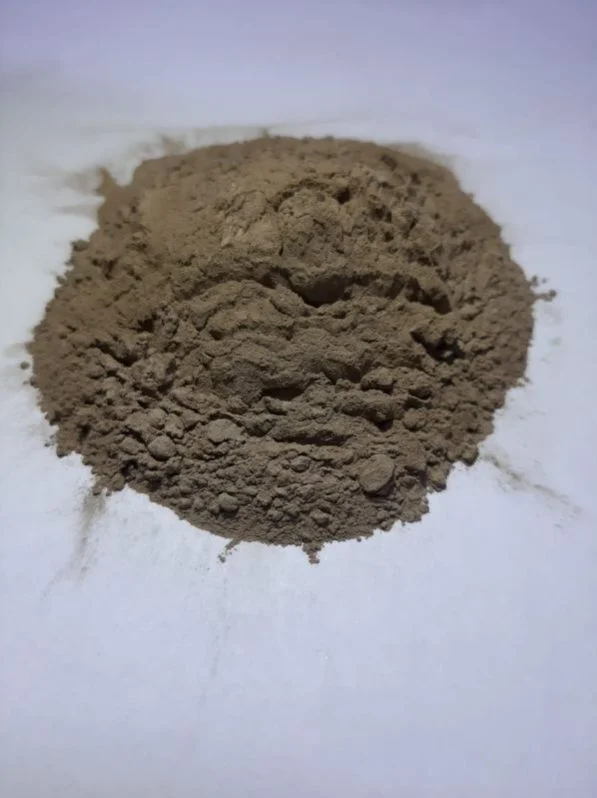
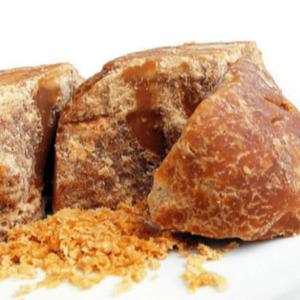
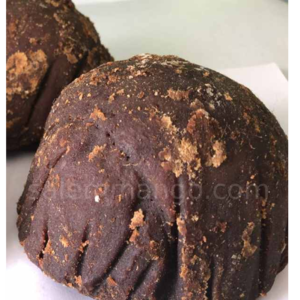
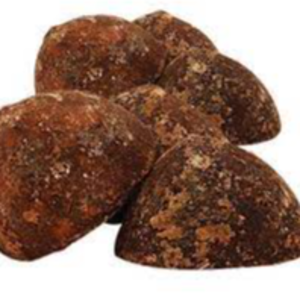
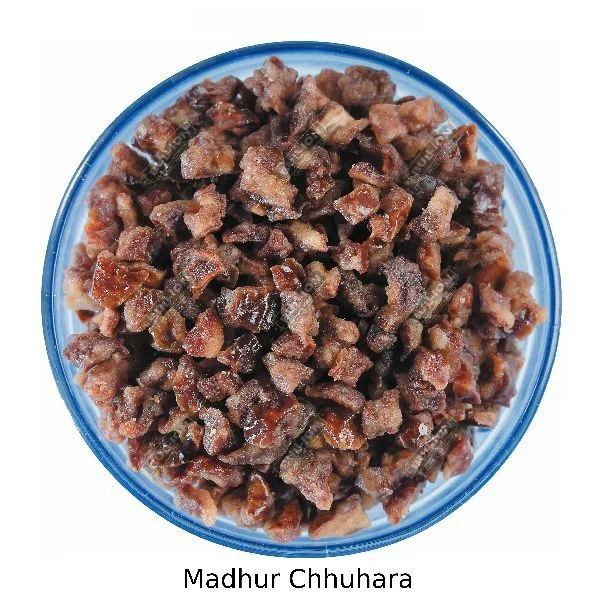
India hosts Jpr Herbal Products, which currently lists five active products across its catalogue. The company’s top categories are listed as Jaggery, Sugar, Candies, Coffee Powder and Milk Powder, indicating a focus on sweetener‑based and powdered food ingredients. Each product falls under the broader family of palm‑derived sweeteners and related blends, which are commonly classified under HS chapter 17 for sugars and confectionery. The supplier’s catalogue includes Palm Jaggery Powder, Palm Sugar, Palm Candy, Palm Jaggery Coffee Powder and Palm Candy Milk Mix Powder. The only HS code supplied in the facts is 1704.90 for the Palm Candy, placing it in the “Other sugar confectionery” sub‑heading.
The listed products use palm sap from date or toddy palms as the raw material, a traditional source for unrefined sweeteners in South Asia. Palm Jaggery Powder and Palm Jaggery Coffee Powder are fine powders intended for blending or direct use in beverages and bakery applications. Palm Sugar is a solid form of the same sap, typically sold in granulated or block form. Palm Candy represents a confectionery format, and the Milk Mix Powder combines the candy base with milk solids for a ready‑to‑mix beverage. All five items are grouped under the supplier’s active product count of five, matching the catalogue entries provided.
Product Range and Specialties of Jpr Herbal Products
Jpr Herbal Products’ catalogue features five distinct palm‑based items: a jaggery powder, a granulated sugar, a confectionery candy, a coffee‑flavored jaggery powder and a milk‑mix candy powder. In the broader industry, palm jaggery powders are usually specified with moisture content between 5 % and 8 %, sucrose levels of 80 % - 90 % and a total ash content below 2 % to ensure consistent sweetness and color. Palm sugar granules are graded by solid content (typically 70 % - 85 %), moisture (4 % - 7 %) and particle size (often 0.5 mm to 2 mm). Palm candy products are evaluated for uniform shape, moisture below 5 % and a clear, amber hue, while coffee‑flavored powders are assessed for caffeine content (normally 30 mg‑70 mg per 100 g) and solubility. Milk‑mix powders are checked for protein (around 20 % - 30 % by weight), fat (10 % - 15 %) and lactose levels, matching standard dairy‑based instant beverage specifications.
Trade and Export Information - Jpr Herbal Products
India is a major exporter of palm‑derived sweeteners, with shipments typically directed to the Middle East, Southeast Asia, the European Union and North America. The HS code 1704.90 used for Palm Candy falls under the “Other sugar confectionery” category, which commonly requires phytosanitary certificates, a certificate of origin and compliance with the importing country’s food safety regulations. Buyers often request ISO 22000 or HACCP certification for processing facilities, as well as the Indian FSSAI license, to satisfy both Indian export requirements and destination market standards. Standard export packaging includes food‑grade polypropylene bags of 25 kg or 50 kg, palletized for 20‑ft or 40‑ft container loading, with moisture barrier liners to preserve product quality during sea transit. Typical Incoterms for these goods are FOB Mumbai or CIF Dubai, reflecting the main Indian ports used for bulk food ingredient shipments.
Sourcing from Jpr Herbal Products - Buyer Guidance
When sourcing from Jpr Herbal Products, buyers should request a detailed specification sheet that lists moisture, sucrose/solid content, particle size and any microbiological limits such as total plate count and yeast‑mold counts. It is advisable to obtain a recent FSSAI export license copy, any ISO 22000 or HACCP audit reports, and a third‑party lab analysis (e.g., SGS or Intertek) confirming the declared composition. Verify the HS code declared for each item - 1704.90 for the candy - and ensure the packaging meets the buyer’s storage conditions, typically 25 °C maximum and relative humidity below 60 %. Common minimum order quantities for powdered ingredients range from 1 metric ton to 5 metric tons, with lead times of 30‑45 days after sample approval.
Frequently Asked Questions About Jpr Herbal Products
What types of palm‑based products does Jpr Herbal Products list in its catalogue?
The catalogue includes Palm Jaggery Powder, Palm Sugar, Palm Candy (HS 1704.90), Palm Jaggery Coffee Powder and Palm Candy Milk Mix Powder, totaling five active items.
Which HS code applies to the Palm Candy product?
Palm Candy is classified under HS code 1704.90, which covers other sugar confectionery not elsewhere specified.
What typical quality parameters should I check for the Palm Jaggery Powder?
Buyers usually verify moisture content (5 %‑8 %), sucrose level (80 %‑90 %), ash content (<2 %) and microbiological limits such as total plate count below 10 ⁴ CFU/g.
Are there standard certifications I should request for these products?
While the supplier’s facts do not list certifications, buyers commonly request an Indian FSSAI export license, ISO 22000 or HACCP audit reports, and any third‑party lab test certificates.
What packaging formats are typical for the listed powders and candies?
Industry practice is to pack powders in food‑grade polypropylene bags of 25 kg or 50 kg, palletized for container loading; candies are often sealed in multilayer foil or PET trays to protect against moisture.
What are the usual minimum order quantities and lead times?
Minimum orders generally start at 1 metric ton per product, with a production and shipping lead time of 30‑45 days after sample acceptance.
Which markets commonly import Indian palm‑derived sweeteners?
Key import regions include the Middle East, Southeast Asia, the European Union and North America, where the products are used in confectionery, bakery and beverage formulations.




 , India