Jinhua Ruipu Titanium Industry Co., Ltd. — Verified Supplier
About Jinhua Ruipu Titanium Industry Co., Ltd. - Titanium Bar Supplier in China
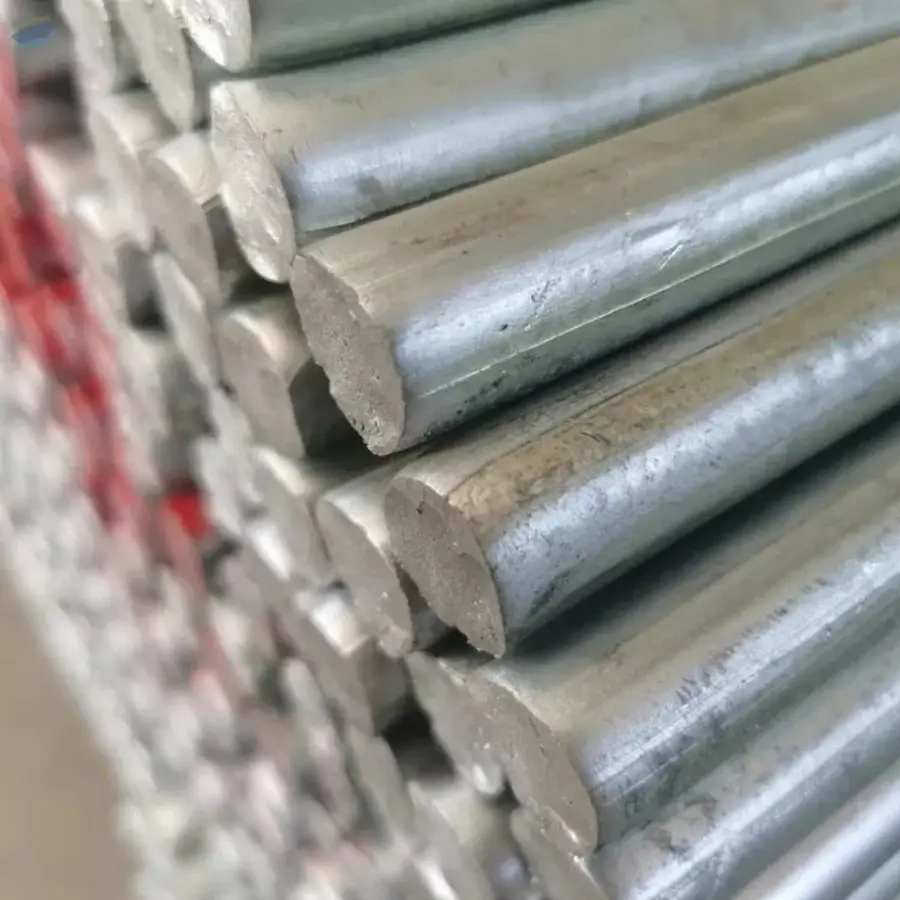
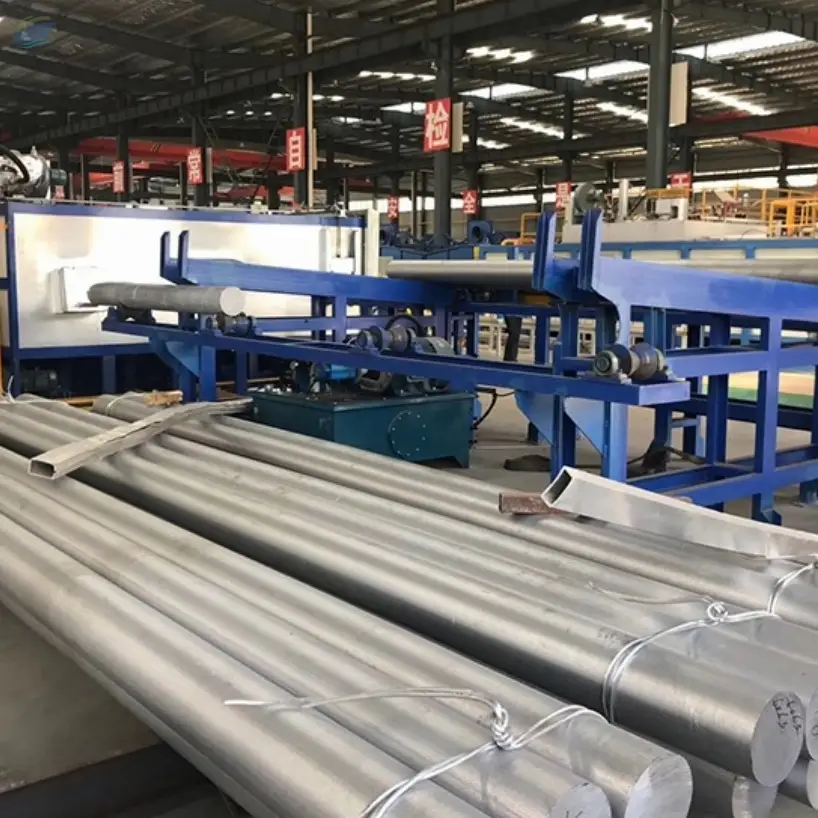
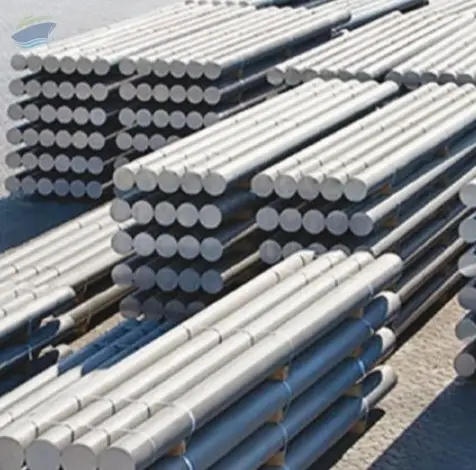
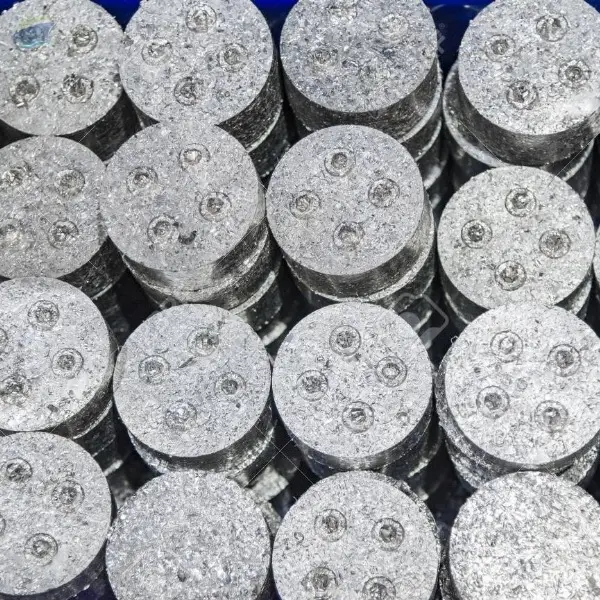
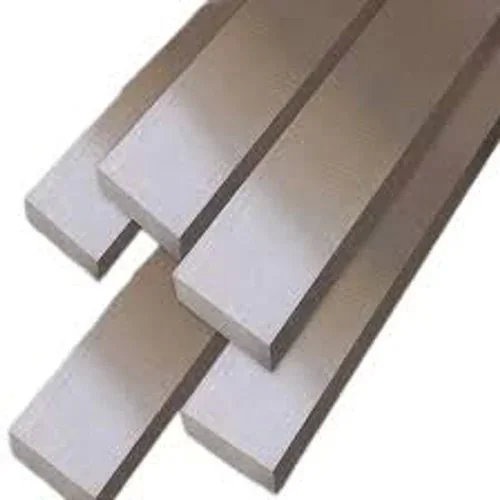
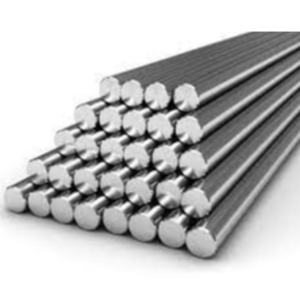
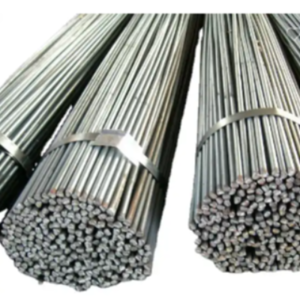
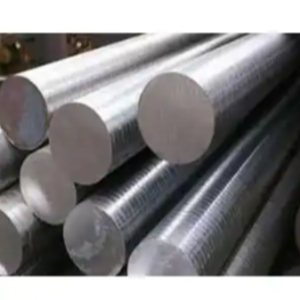
Jinhua Ruipu Titanium Industry Co., Ltd. is based in China and currently lists five active products in its catalogue. The catalogue covers titanium bar, titanium tube/pipe, titanium wires, titanium bar/rod (HS code 8108.20) and titanium sheet/plate (HS code 8108.90). Each product is described using the material specifications supplied by the company, such as commercial pure titanium grades (GR1, GR2, GR3, GR4, GR5, GR7, GR9, GR19) for the bar/rod and titanium grades 1, 2, 3, 5, 7, 9, 11, 12 for the sheet and plate. The HS code families 8108.20 and 8108.90 place these items within the broader category of titanium products for metalworking and engineering applications. The supplier’s catalogue does not list additional processing or finishing details beyond the material grades and product forms.
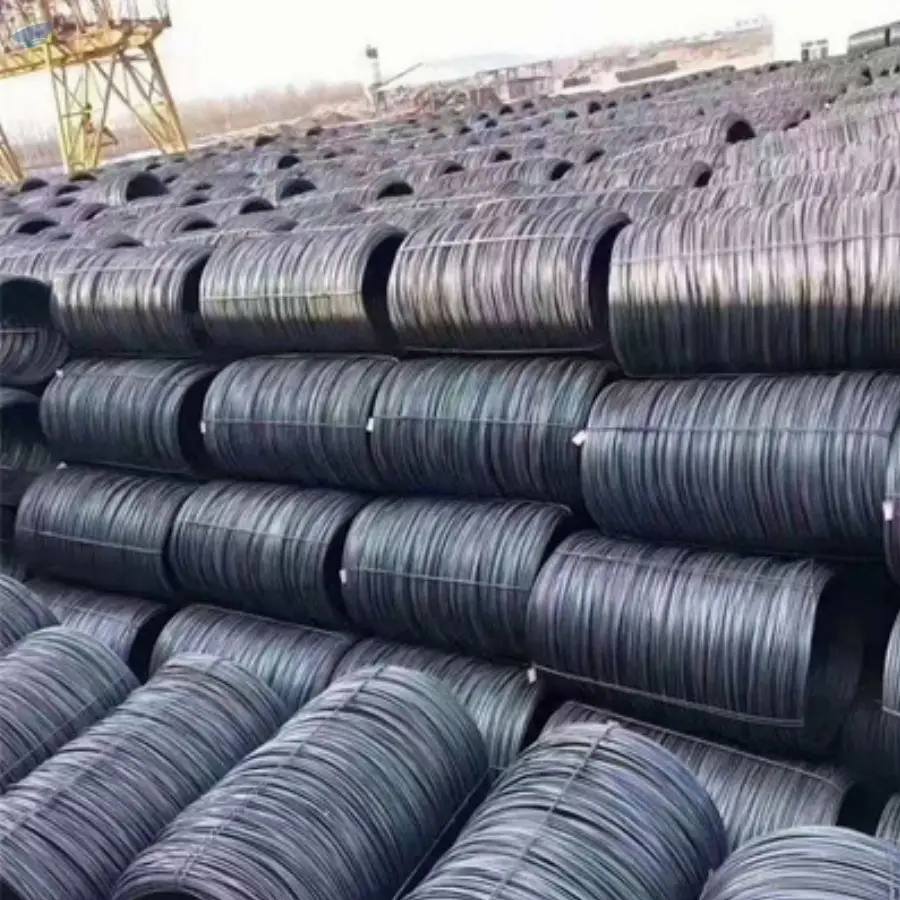
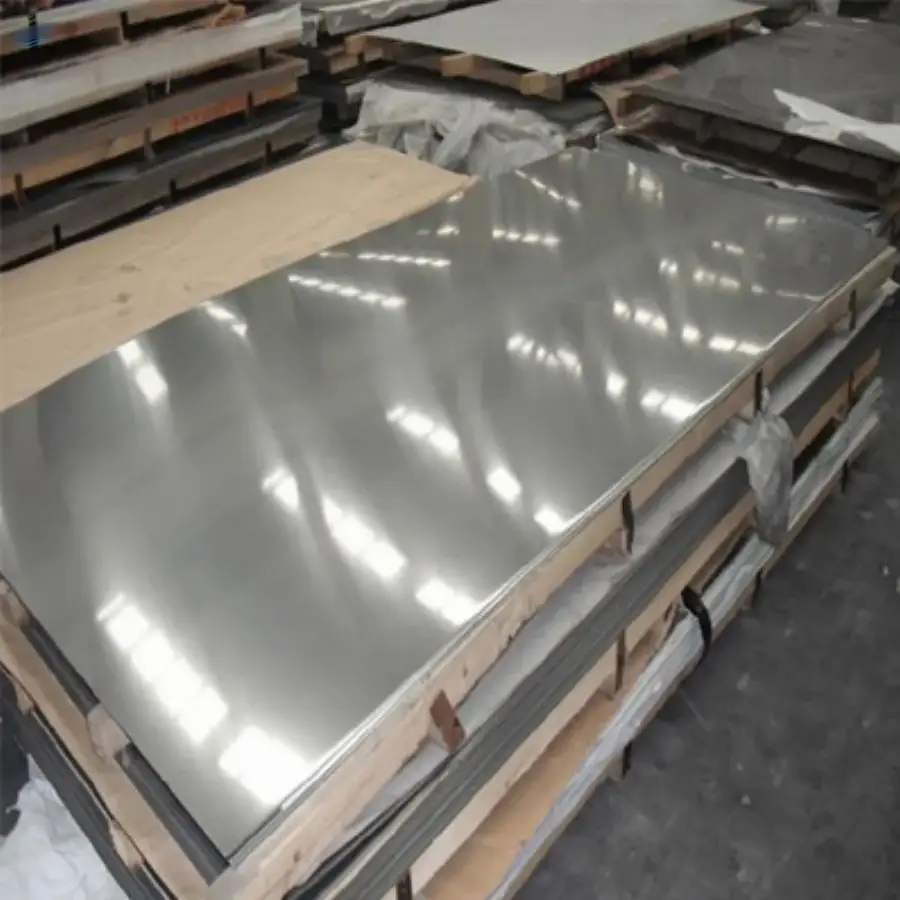
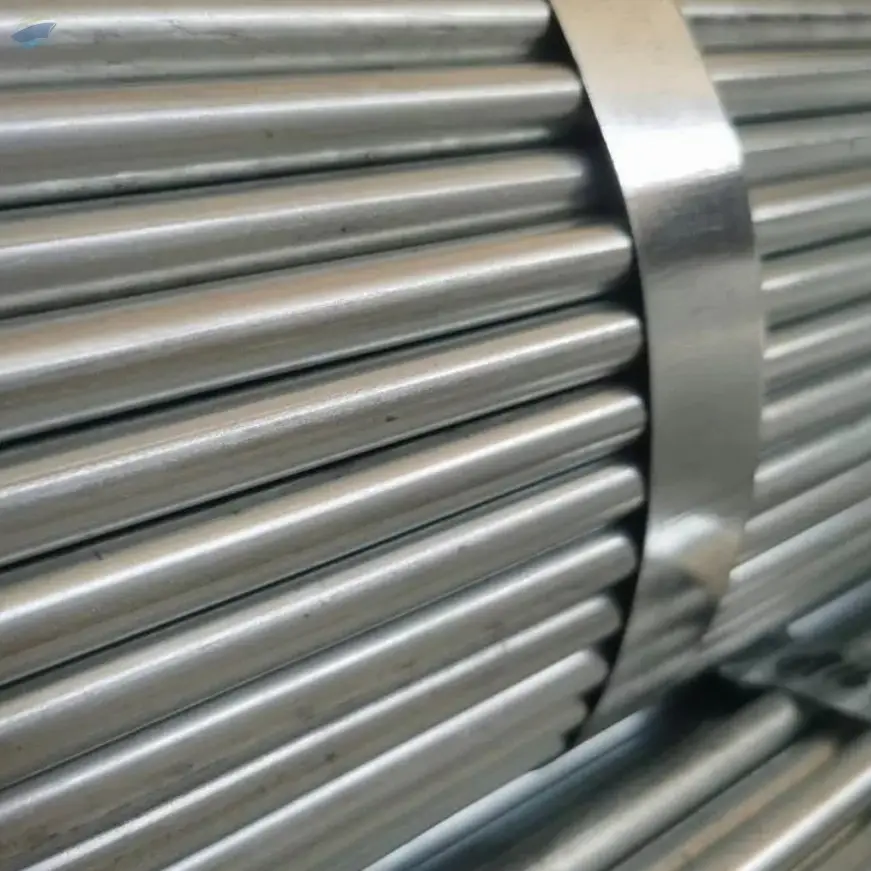
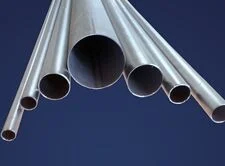
The listed products are typical inputs for high‑performance sectors such as aerospace, medical device manufacturing, automotive and marine engineering. Titanium bar and rod are often supplied in standard lengths of 6 m and diameters ranging from 6 mm to 200 mm, while tubes are offered in seamless or welded forms with common diameters of 10 mm to 300 mm and wall thicknesses from 1 mm to 20 mm. Wires are usually delivered in coils with diameters from 0.1 mm to 2 mm. Sheets and plates are supplied in dimensions up to 3000 mm × 1500 mm and thicknesses from 0.5 mm to 30 mm, matching the typical specifications required by downstream fabricators.
Product Range and Specialties of Jinhua Ruipu Titanium Industry Co., Ltd.
The catalogue explicitly names four product families: titanium bar, tube/pipe, wires and sheet/plate, each linked to the HS codes 8108.20 for bars/rods and 8108.90 for sheets/plates. In industry practice, titanium bars are graded according to ASTM B348 for commercial‑pure grades and ASTM B338 for alloy grades, with tolerance on diameter typically ±0.2 % for precision applications. Tubes follow ASTM B265, which defines seamless and welded dimensions, surface finish (e.g., mill finish or polished), and pressure‑rating classes. Wires are commonly produced to ASTM B832 standards, specifying tensile strength, elongation and surface quality. Sheets and plates are produced to ASTM B209 or EN 12164, with typical surface roughness Ra ≤ 0.8 µm for aerospace use. Buyers often request material test reports that confirm chemical composition (e.g., % Ti, Fe, O, N) and mechanical properties such as yield strength and elongation at room temperature.
Typical grades for the listed pure titanium include Grade 1 (high ductility, low strength) and Grade 5 (Ti‑6Al‑4V, high strength). Alloy grades referenced in the bar/rod entry (GR1‑GR9, GR19) correspond to commercial‑pure and alloy designations used in Chinese standards, which align with international equivalents. Sheet and plate grades 1, 2, 3, 5, 7, 9, 11, 12 cover the spectrum from corrosion‑resistant grades to high‑strength aerospace alloys. Industry buyers frequently specify thickness tolerance of ±0.05 mm for plates under 5 mm and ±0.1 mm for thicker sections, and surface flatness within 0.2 mm over the full panel size.
Trade and Export Information - Jinhua Ruipu Titanium Industry Co., Ltd.
China is a major exporter of titanium products, with shipments typically destined for North America, Europe and Southeast Asia. Buyers in the aerospace sector often import titanium bars and sheets under HS chapter 81 for use in airframe structural components, while medical device manufacturers source tubes and wires for implants and surgical instruments. Commonly required certifications include ISO 9001 quality management, ISO 14001 environmental management, and material‑specific standards such as ASTM B265, ASTM B348 and AMS (Aerospace Material Specification) for aerospace‑grade alloys. Export logistics usually involve 20‑ft or 40‑ft containers with pallets or bulk crates, protected by corrosion‑resistant wraps, and Incoterms such as FOB Shanghai or CIF Los Angeles are standard for bulk metal shipments.
Regulatory considerations for titanium imports include customs verification of HS codes 8108.20 and 8108.90, and possible anti‑dumping duties in certain jurisdictions. Importers often request a mill test certificate (MTC) and a certificate of conformity (COC) that aligns with the destination country’s aerospace or medical device regulations. Packaging must meet ISO 1496 for container strength and may require moisture‑controlled inner packaging for high‑purity grades to prevent oxidation during transit.
Sourcing from Jinhua Ruipu Titanium Industry Co., Ltd. - Buyer Guidance
When sourcing from Jinhua Ruipu, buyers should request the latest mill test certificate that details chemical composition, mechanical properties and heat‑treatment condition for each grade. For aerospace or medical applications, additional documents such as an AMS certification, a material safety data sheet (MSDS) and traceability records are advisable. Samples should be requested in the final required dimensions and surface finish to verify compliance with ASTM or EN specifications before placing a full order.
Typical minimum order quantities for titanium bar and tube range from 1 ton to 5 tons depending on grade, while wire and sheet orders may start at 500 kg. Lead times reported by Chinese manufacturers for standard grades are 30‑45 days from order confirmation, extending to 60‑90 days for special alloy grades or custom dimensions. Buyers should confirm packaging format (e.g., wooden crates, steel drums) and verify that the shipment will be marked with the correct HS codes and country of origin for customs clearance.
Frequently Asked Questions About Jinhua Ruipu Titanium Industry Co., Ltd.
What product families does Jinhua Ruipu list in its catalogue?
The catalogue lists titanium bar, titanium tube/pipe, titanium wires, titanium bar/rod (HS 8108.20) and titanium sheet/plate (HS 8108.90).
Which material grades are specified for the titanium bar/rod offering?
The bar/rod entry cites commercial pure titanium grades GR1, GR2, GR3, GR4, GR5, GR7, GR9 and GR19, which correspond to internationally recognized pure‑titanium grades.
What grades are available for the titanium sheet and plate product?
Sheets and plates are offered in titanium grades 1, 2, 3, 5, 7, 9, 11 and 12, covering both corrosion‑resistant and high‑strength alloy options.
Which HS codes apply to the products offered by this supplier?
Titanium bar and rod are classified under HS code 8108.20, while titanium sheet and plate fall under HS code 8108.90. Tubes, wires and other forms are generally covered by the same chapter 81 heading.
What certifications are typically required for titanium products from China?
Buyers usually request ISO 9001, ISO 14001, mill test certificates and, for aerospace or medical use, ASTM or AMS certifications that confirm grade, composition and mechanical properties.
What are the common packaging and shipping methods for these titanium items?
Bulk shipments are commonly packed in 20‑ft or 40‑ft containers on wooden pallets or steel frames, with corrosion‑resistant wrapping; Incoterms such as FOB Shanghai or CIF Los Angeles are frequently used.
What documentation should a buyer obtain before confirming an order?
A mill test certificate, material safety data sheet, certificate of conformity and, where applicable, an AMS or ASTM compliance report should be secured prior to order finalisation.
What are typical lead times and minimum order quantities for these products?
Standard grades usually ship within 30‑45 days after order confirmation, with MOQ ranging from 500 kg for sheets to 1 ton for bars and tubes, depending on the specific grade and form.




 , China









.jpg.png)