J. Jira Global Partners Inc. — Verified Supplier
About J. Jira Global Partners Inc. - Petroleum Products Supplier in United States
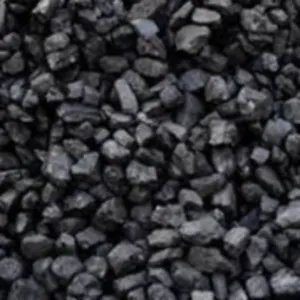
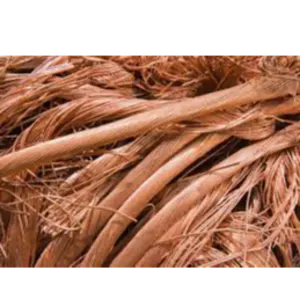
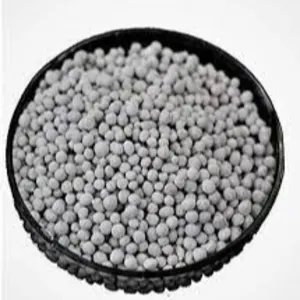
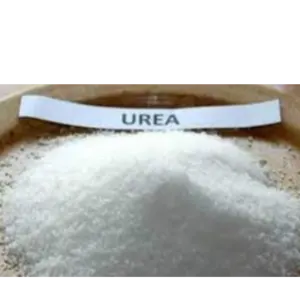
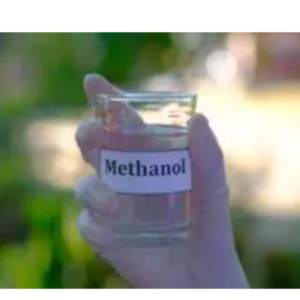
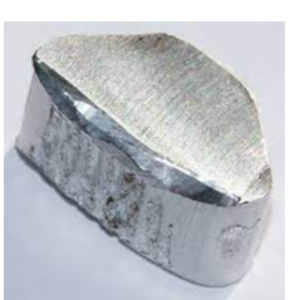
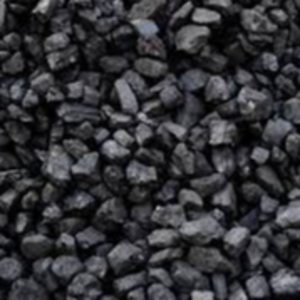
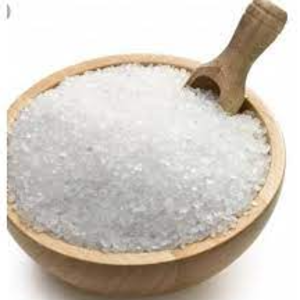
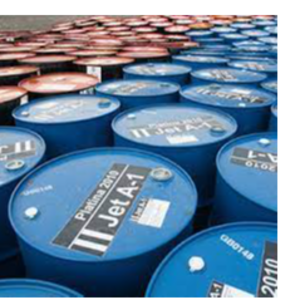
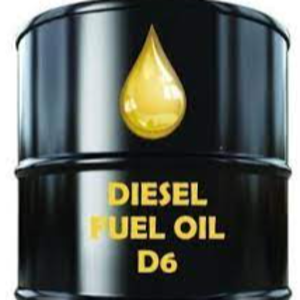
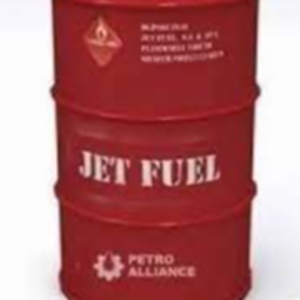
United States, Delaware, J. Jira Global Partners Inc. lists fifteen active products that span refined petroleum fuels, crude oil grades, bitumen, basic chemicals, fertilizers, base metals and selected agricultural commodities. The catalogue includes jet fuel and diesel fuel under HS code 2710.19, two crude oil variants under HS code 2709.00, bitumen under HS code 2714.90, methanol (2905.11), urea (3102.10) and diammonium phosphate (3105.40) as fertilizer products, copper ore (2603.00), copper alloy brass (7407.21), silver powder (7106.91), aluminum alloy (7601.20) and gold‑zinc alloy, anthracite coal (2701.11), broken rice (1006.40) and refined beet sugar (1701.99).
The supplier’s active product count of fifteen is reflected in the detailed HS‑code families that cover both energy commodities and industrial raw materials. Each entry specifies the material composition, for example jet fuel as a C9‑C16 hydrocarbon blend, diesel as a low‑sulfur distillate, and urea as N46 granular. This factual layout provides buyers with clear reference points for customs classification and product verification without any extrapolated company history or size claims.
Product Range and Specialties of J. Jira Global Partners Inc.
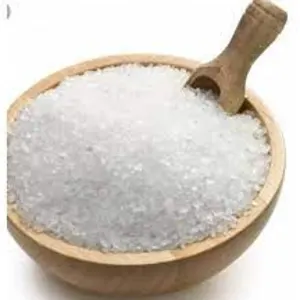
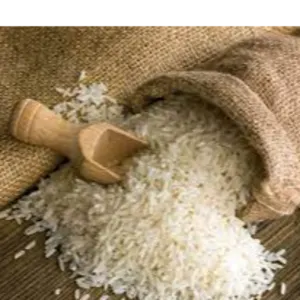
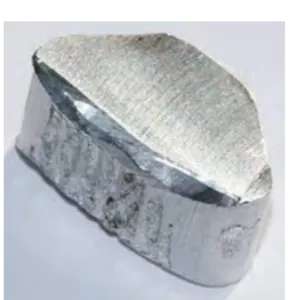
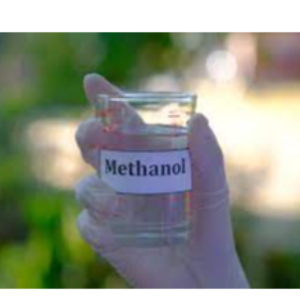
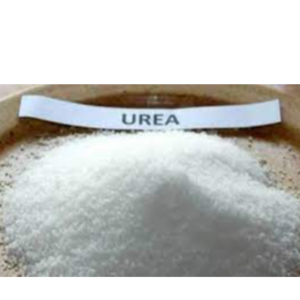
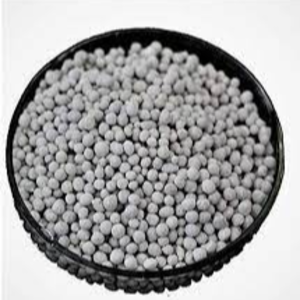
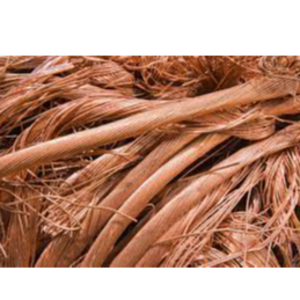
The product list comprises standard petroleum grades such as jet fuel that typically meets ASTM D1655 specifications for flash point, freezing point and sulfur content, and diesel fuel that conforms to ASTM D975 low‑sulfur limits (generally ≤10 ppm). Crude oil entries cover light grades that are commonly evaluated by API gravity (usually 30‑35°) and sulfur content. Bitumen is supplied as a methanol cut‑back blend, a form often measured by penetration grade (e.g., 40‑80 0.1 mm). Methanol is offered in industrial/fuel grade with purity levels of 99.9 % or higher, while urea is the N46 (46 % N) granular or prilled form widely used in nitrogen fertiliser programs. Diammonium phosphate (DAP) is typically 18‑46‑0 (N‑P₂O₅‑K₂O) and supplied in bulk or bagged form. Metal products follow common purity benchmarks: copper ore concentrates above 30 % Cu, brass alloys with Cu/Zn ratios ranging from 60/40 to 70/30, silver powder at 99.9 % Ag, and aluminium alloys where Mg, Si or Cu are primary alloying elements. Agricultural items follow standard food‑grade specifications - broken rice with moisture ≤14 % and beet sugar with purity ≥99.5 % sucrose.
Trade and Export Information - J. Jira Global Partners Inc.
United States exporters of petroleum and related products rely on bulk tanker shipments for jet fuel, diesel and crude oil, while refined chemicals and fertilizers are usually moved in 20 ft or 40 ft drums, ISO tanks or bulk bags. Typical destination regions include Asia (China, India, South‑East Asia), Europe and the Middle East, where demand for aviation kerosene, low‑sulfur diesel and specialty bitumen remains strong. HS chapter 27 products are subject to customs duties that vary by destination, and buyers often request certificates such as API Q1, ISO 9001, and, for marine fuels, compliance with IMO 2020 sulphur limits. Chemical commodities like methanol, urea and DAP commonly require Material Safety Data Sheets (MSDS), a Certificate of Origin and, where applicable, REACH registration for European imports. Base metals are frequently inspected under the London Metal Exchange (LME) standards and may need assay reports confirming purity. Agricultural commodities such as rice and beet sugar are usually packed in jute or polypropylene bags, moisture‑tested, and may need phytosanitary certificates for entry into many countries. Incoterms most often used are FOB (U.S. Gulf ports for liquids) and CIF for containerised goods, with buyer‑arranged insurance for high‑value metals.
Sourcing from J. Jira Global Partners Inc. - Buyer Guidance
When sourcing from J. Jira Global Partners Inc., buyers should request a full specification sheet that cites the relevant ASTM, ISO or industry standard for each product - for example ASTM D1655 for jet fuel or ISO 9001 quality certification for aluminium alloy. A Certificate of Analysis (CoA) and the latest MSDS are essential for chemicals and fertilizers, while assay reports are standard for copper ore, brass and silver powder. Verify the HS code listed in the catalogue matches the intended customs declaration and confirm packaging details - bulk tanker loading plans for liquids, ISO tank or drum specifications for methanol, and bag count per 20 ft container for rice or sugar. Request a pre‑shipment sample where feasible, especially for refined fuels and metals, to confirm compliance with the declared grade. Finally, ensure that any required export licences, REACH registration numbers or phytosanitary certificates are provided before the bill of lading is issued.
Frequently Asked Questions About J. Jira Global Partners Inc.
What HS codes are associated with the petroleum products listed by J. Jira Global Partners Inc.?
Jet fuel and diesel fuel are classified under HS code 2710.19, while both crude oil variants use HS code 2709.00 and bitumen uses HS code 2714.90.
Which quality standards should a buyer check for the jet fuel and diesel fuel supplied?
Buyers should verify that jet fuel meets ASTM D1655 specifications and that diesel fuel complies with ASTM D975 low‑sulfur limits (typically ≤10 ppm sulfur).
What documentation is typically required for importing urea and DAP from the United States?
A Certificate of Analysis, Material Safety Data Sheet, and a Certificate of Origin are standard; buyers may also need to confirm that the fertilizer grade matches N46 for urea and 18‑46‑0 for DAP.
How are metal products such as copper ore, brass alloy and silver powder usually certified?
Metal shipments are commonly accompanied by an assay report showing purity (e.g., copper content ≥30 %, silver ≥99.9 %) and may reference LME‑grade specifications where applicable.
What packaging formats are used for the agricultural commodities in the catalogue?
Broken rice and refined beet sugar are typically packed in polypropylene or jute bags, with moisture content tested (rice ≤14 % moisture, sugar ≥99.5 % sucrose) before loading into 20 ft or 40 ft containers.
Which Incoterms are most frequently applied to the supplier’s bulk oil shipments?
FOB at U.S. Gulf ports is common for bulk tanker shipments of jet fuel, diesel and crude oil, while CIF is often used for containerised chemicals, fertilizers and metal products.
What sample or testing procedures should a buyer request before finalising an order?
Buyers should ask for a representative sample and request laboratory test results that reference the relevant ASTM or ISO standard for the product, such as a fuel analysis report for diesel or an assay for copper ore.




 , United States