Ivory Plas Gland LLC — Trader & Wholesale Supplier
About Ivory Plas Gland LLC - Plastic Scrap Supplier in United Kingdom
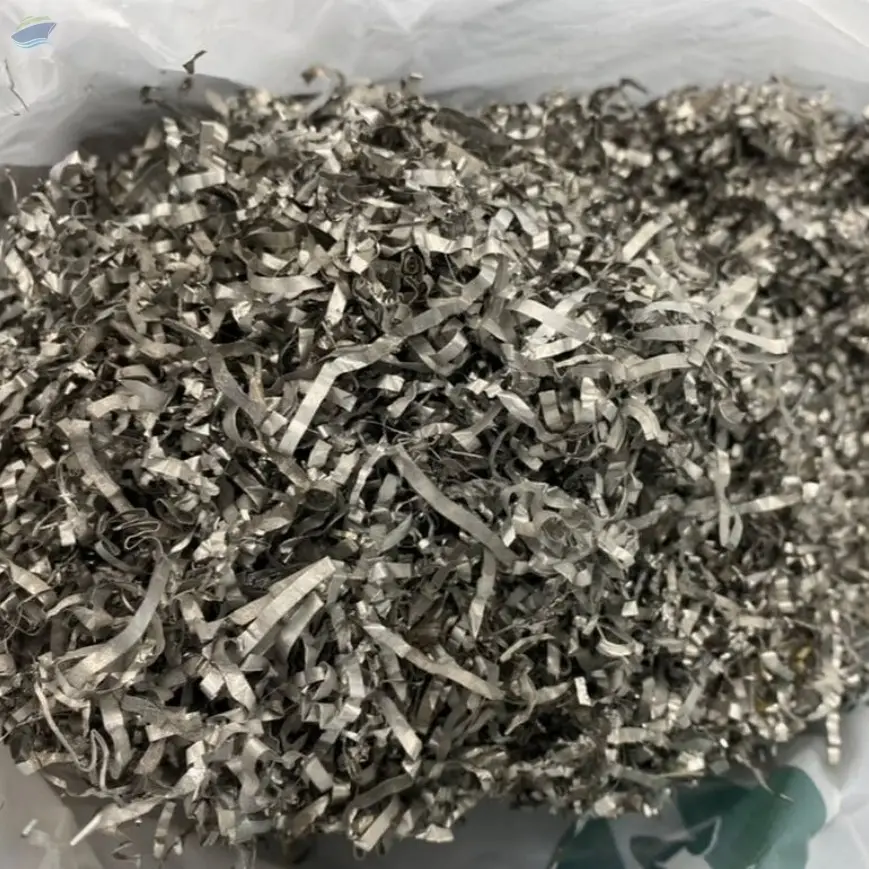
United Kingdom, Buckingham, hosts Ivory Plas Gland LLC, which currently lists ten distinct scrap material products in its catalogue. The supplier’s portfolio covers several HS‑code families, principally 3915 series for plastic scrap, 3915.90 for other polymer waste, 4707.10 for waste paper, and 7404.00 for electric motor scrap. Products include LDPE film, PET bottle, HDPE bottle, acrylic PMMA, polyurethane foam, EPS/PS block, medical‑grade PVC tube, and printed BOPP film. Each entry is identified with a specific HS code and material designation as recorded in the catalogue. The company is classified as an imported supplier with a harbor trust tier.
The catalogue groups the ten items under broader categories such as Plastic Scrap, Metal Scraps, and Paper Waste, reflecting the supplier’s focus on secondary raw materials. HS code 3915.10 appears for LDPE, PET, HDPE, EPS/PS block, while 3915.90 covers PMMA, polyurethane foam, printed BOPP, and medical PVC. Waste paper is listed under 4707.10 and electric motor scrap under 7404.00. The material descriptions specify polymer type or component, for example “LDPE Film Scrap” or “Electric Motor Scrap”. No additional product specifications, such as melt flow index or metal content, are provided in the source data.
Product Range and Specialties of Ivory Plas Gland LLC
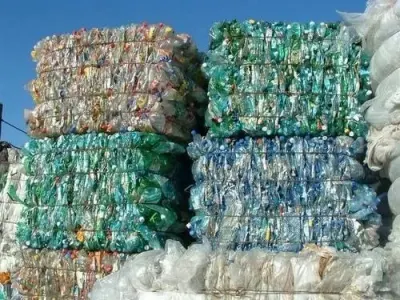
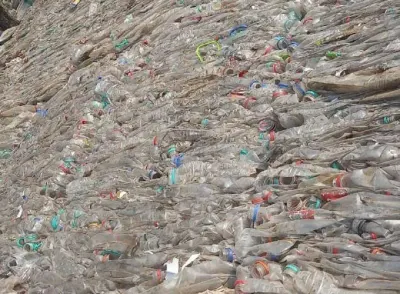
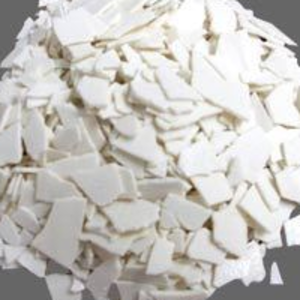
The listed products span common grades used in recycling streams. LDPE film scrap is typically graded by melt flow index (MFI 0‑5 g/10 min) and density 0.915‑0.925 g/cm³; PET bottle flakes are usually ISO‑9001 compliant, with intrinsic viscosity around 0.70‑0.80 dl/g. HDPE bottle scrap commonly meets density 0.940‑0.960 g/cm³ and low ash content. Acrylic (PMMA) off‑cuts are evaluated for optical clarity and impact resistance, while polyurethane foam scrap is classified by bulk density (15‑50 kg/m³).
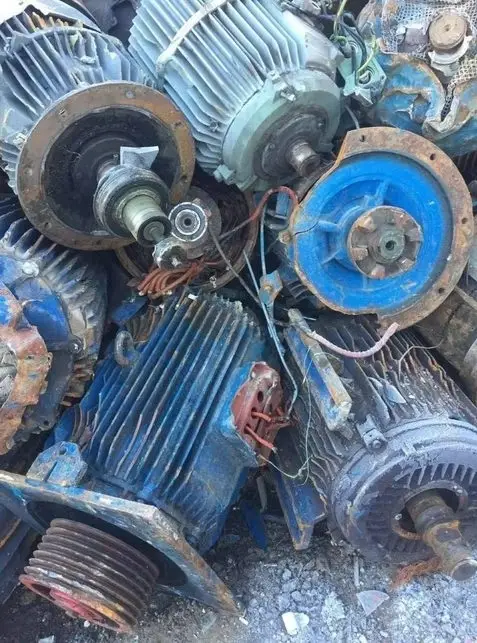
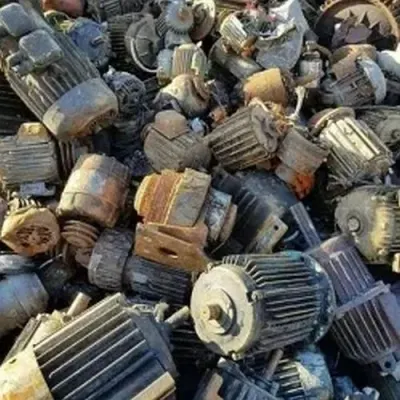
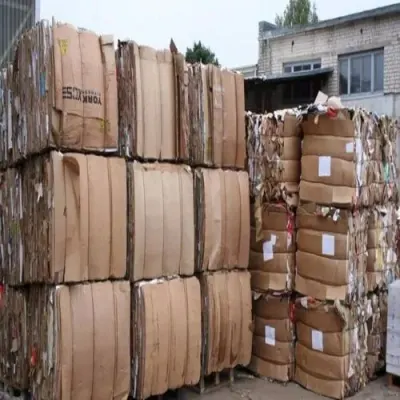
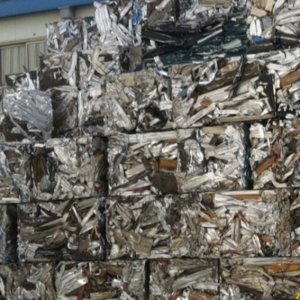
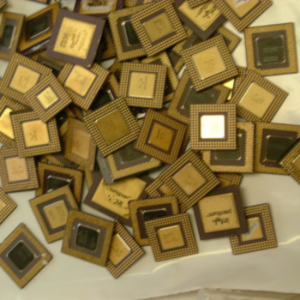
Waste paper (DSOCC, OCC, ONP) is commonly measured by ISO‑paper grade standards such as ISO 11471, with typical fiber length 1‑3 mm and ash < 5 %. EPS and PS block scraps are shipped in 20‑ft containers, with bulk density 20‑30 kg/m³. Electric motor scrap is assessed for copper recovery rates, often exceeding 85 % of the motor weight. Medical‑grade PVC tube scrap is usually required to be phthalate‑free and conform to ISO 10993‑1 for biocompatibility. Printed BOPP reels are graded by grammage (30‑80 g/m²) and surface print quality.
Trade and Export Information - Ivory Plas Gland LLC
United Kingdom exporters of plastic and metal scrap typically serve markets in East Asia (China, Vietnam, India), the European Union, and the Middle East. HS‑code 3915 series is subject to EU REACH registration and UK waste shipment licences, while 7404.00 for electric motor scrap often requires evidence of de‑contamination and compliance with the Basel Convention. Common certifications requested by buyers include ISO 14001 environmental management, R2 or e‑Stewards for electronic scrap, and REACH‑SVHC declarations for polymer waste.
Standard export logistics involve loading scrap into 20‑ft or 40‑ft containers, sealed with tarpaulin or bulk bags depending on material, and shipping under FOB or CIF terms. Documentation generally includes a commercial invoice, packing list, material safety data sheet (MSDS), and any required export permits. UK waste exporters must also provide a Waste Transfer Note (WTN) under the Waste (England and Wales) Regulations 2011. Buyers often request pre‑shipment inspection reports to verify material grade and contamination levels.
Sourcing from Ivory Plas Gland LLC - Buyer Guidance
When sourcing from Ivory Plas Gland LLC, buyers should request a recent laboratory analysis covering density, melt flow index, ash content, and metal recovery percentages, depending on the material. For polymer scraps, REACH compliance certificates or SVHC listings are standard documents to verify. Metal scrap buyers commonly ask for copper content analysis and a certificate of de‑contamination for electric motor units.
Typical minimum order quantities range from 1 metric ton for polymer flakes to 0.5 metric ton for metal components, with lead times of 4‑6 weeks after order confirmation and sample approval. Samples of 5‑10 kg are usually sufficient for testing the material’s physical properties before full‑scale purchase. Verify that the HS code on the commercial invoice matches the product description to avoid customs delays.
Frequently Asked Questions About Ivory Plas Gland LLC
What types of plastic scrap does Ivory Plas Gland LLC offer?
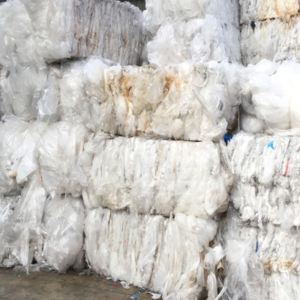
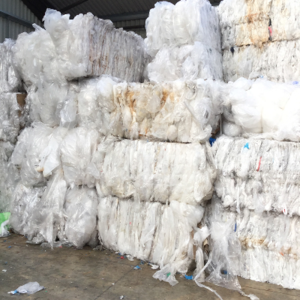
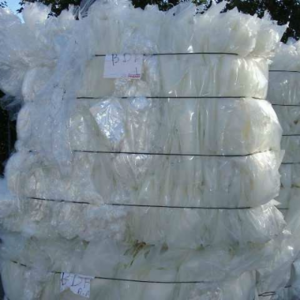
The catalogue lists LDPE film, PET bottle, HDPE bottle, acrylic PMMA, polyurethane foam, EPS/PS block, medical‑grade PVC tube, and printed BOPP film, each classified under HS 3915.10 or HS 3915.90.
Which HS codes are used for the listed scrap materials?
Plastic and polymer scraps use HS 3915.10 (LDPE, PET, HDPE, EPS/PS) or HS 3915.90 (PMMA, polyurethane foam, printed BOPP, medical PVC); waste paper is HS 4707.10 and electric motor scrap is HS 7404.00.
What certifications are typically required for these scrap categories?
Buyers usually request ISO 14001 environmental management, REACH compliance for polymers, and for electric motor scrap an R2 or e‑Stewards certification and proof of de‑contamination.
What is the usual minimum order quantity and lead time?
Minimum orders are commonly 1 metric ton for polymer flakes and 0.5 metric ton for metal scrap, with a lead time of 4‑6 weeks after order and sample approval.
How are the scrap materials packaged for export?
Polymer scraps are packed in bulk bags or sealed tarpaulin‑covered containers, waste paper in bales, and metal scrap in steel drums or pallets, all loaded into 20‑ft or 40‑ft containers.
What documentation should a buyer obtain before shipment?
Required documents include a commercial invoice, packing list, Material Safety Data Sheet, REACH or SVHC declaration, any relevant environmental certification, and, for UK exports, a Waste Transfer Note.
Which regions are the primary import markets for UK scrap exports?
Major importers are countries in East Asia (China, Vietnam, India), the European Union, and the Middle East, where recycled plastics and metals are processed into secondary products.




 , United Kingdom

.jpg.png)