Agriculture›
 Apparel and fashion accessories›
 Construction & real estate›💡Electronic & Electrical›🍎Food & Beverages›🛋️Home furnishing & supplies›⚗️Industrial goods & chemical›🪨Minerals & metals›📦Miscellaneous›Agriculture›Apparel and fashion accessories›Construction & real estate›💡Electronic & Electrical›🍎Food & Beverages›🛋️Home furnishing & supplies›⚗️Industrial goods & chemical›🪨Minerals & metals›📦Miscellaneous›
Ivory Hond Recycling Product Catalog

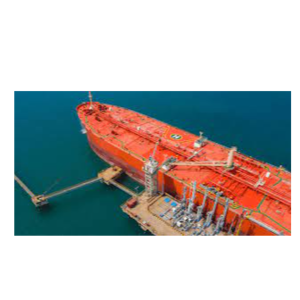
About Ivory Hond Recycling - Ship and Marine Scrap Supplier in Honduras
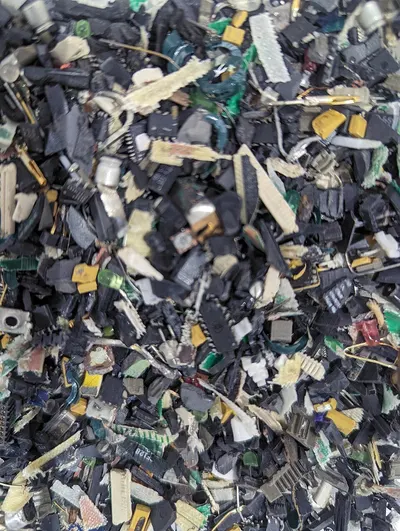
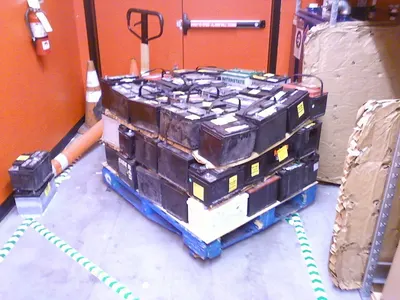
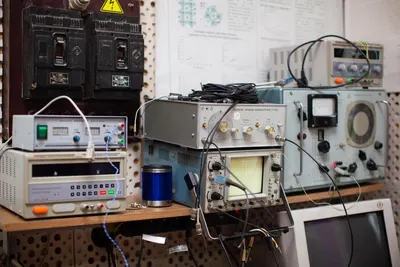
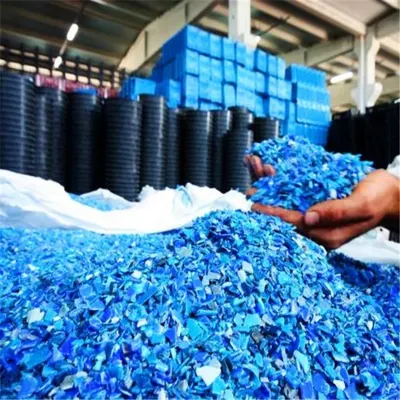
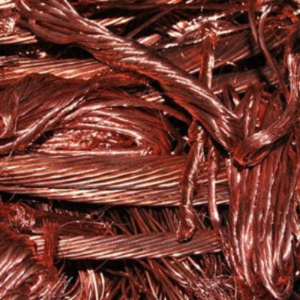
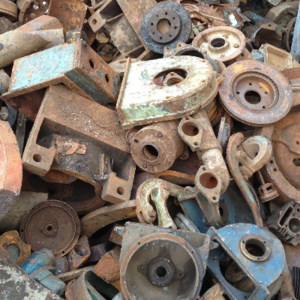
Ivory Hond Recycling operates out of Tegucigalpa, Honduras and currently lists eight distinct product lines in its catalogue. The company focuses on the export of scrap materials, covering waste plastics, paper, and both ferrous and non‑ferrous metal scraps. Its top categories include Ship and Marine Scrap, Printing Machinery Spare Parts, PCB Scrap, Plastic Scrap, Plastic Items, Metal Scraps, Paper Products, and Automobile Spare Parts & Supplies. The supplier is classified as an imported tier with a harbor trust level, indicating it handles cross‑border shipments from its Central American base.
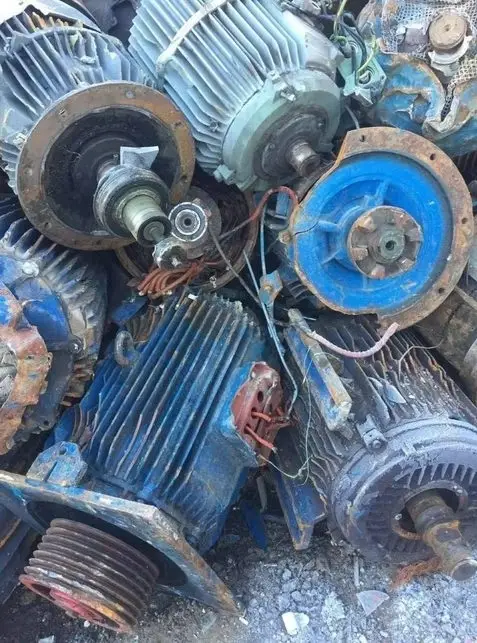
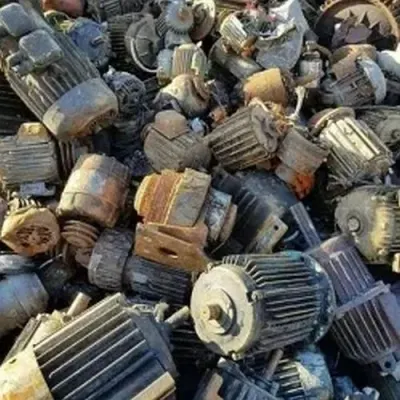
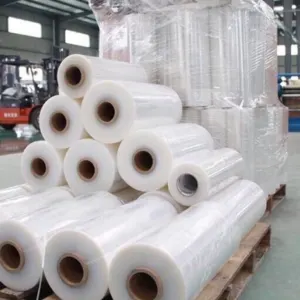
The catalogue details specific scrap streams with HS‑code classifications. LDPE scrap, PE film and mixed PE are recorded under HS 3915.10, while PET bottle and PET preform scrap fall under HS 3915.90. ABS computer and LCD scrap also use HS 3915.10, and PMMA acrylic off‑cuts, BOPP printer film, and PU foam are grouped under HS 3915.90. Electric motor scrap, both AC and DC types, is assigned HS 8503.00, and waste paper, including OCC grades, is recorded under HS 4707.10. Each entry specifies the material type, such as ldpe, pet bottle, ABS, pmma acrylic, bopp printer, pu foam, electric motor, and waste paper.
Product Range and Specialties of Ivory Hond Recycling
The listed plastic streams follow typical industry grading. LDPE scrap is usually sorted by melt‑flow index (0.5‑5 g/10 min), colour and contamination below 0.2 %, and is sold in 20‑ft containers or baled packs. PET bottle scrap is commonly classified as PET 1 grade, with clarity above 80 % and foreign material below 1 %, and is shipped in 1 ton bulk bags. ABS scrap is graded by melt‑flow index (5‑30 g/10 min) and colour consistency, while PMMA acrylic off‑cuts are assessed for thickness tolerance ±0.1 mm and optical clarity. BOPP printer film scrap typically has a basis weight of 20‑40 gsm and a cloud point under 60 °C, and PU foam scrap is measured by density (30‑80 kg/m³) and open‑cell content. Electric motor scrap is evaluated for ferrous content, oil residue below 0.5 %, and is often packed in wooden crates. Waste paper, including OCC 11 and OCC 12 grades, is measured for moisture content under 8 % and bulk density around 0.8 t/m³. These specifications align with buyer expectations for downstream recycling and re‑processing operations.
Frequently Asked Questions About Ivory Hond Recycling
What plastic scrap categories does Ivory Hond Recycling list in its catalogue?
The catalogue includes LDPE film scrap (HS 3915.10), PET bottle and preform scrap (HS 3915.90), ABS computer and LCD scrap (HS 3915.10), PMMA acrylic off‑cuts (HS 3915.90), BOPP printer film (HS 3915.90) and PU foam scrap (HS 3915.90).
Which HS code is used for the electric motor scrap offered by the supplier?
Electric motor scrap, both AC and DC types, is classified under HS 8503.00.
How is waste paper scrap packaged for export?
Waste paper, including OCC 11 and OCC 12 grades, is typically baled in 1‑ton bundles and loaded into 20‑ft containers, with moisture content kept below 8 %.
What certifications are commonly required for importing the listed plastic scraps?
Importers usually request REACH compliance, an ISO 9001 quality management certificate, and laboratory test reports such as FTIR or DSC to verify polymer type and purity.
What is the typical minimum order quantity for PET bottle scrap?
Buyers often place a minimum order of one 20‑ft container, equivalent to roughly 12‑14 metric tonnes of PET bottle scrap.
 Honduras
Related Suppliers & Products
Explore similar suppliers, related products and trending categories






.jpg.png)