Agriculture›
 Apparel and fashion accessories›
 Construction & real estate›💡Electronic & Electrical›🍎Food & Beverages›🛋️Home furnishing & supplies›⚗️Industrial goods & chemical›🪨Minerals & metals›📦Miscellaneous›Agriculture›Apparel and fashion accessories›Construction & real estate›💡Electronic & Electrical›🍎Food & Beverages›🛋️Home furnishing & supplies›⚗️Industrial goods & chemical›🪨Minerals & metals›📦Miscellaneous›
Ivory AR LLC Scrap Trading Co
⚓ Harbor , ArmeniaNew supplier / no reviews yet
Ivory AR LLC Scrap Trading Co Product Catalog

About Ivory AR LLC Scrap Trading Co - Scrap Materials Supplier in Armenia
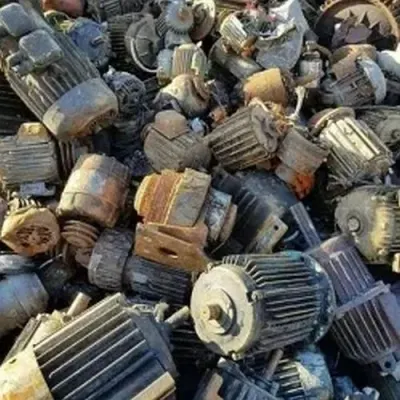
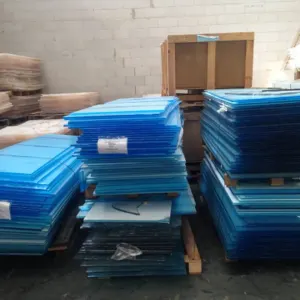
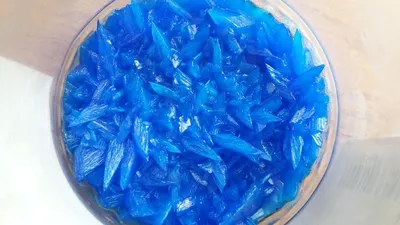
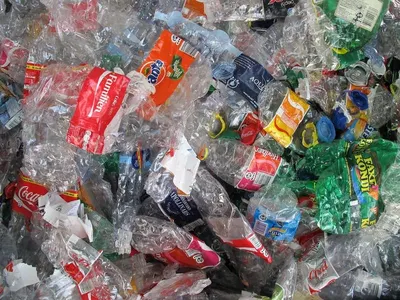
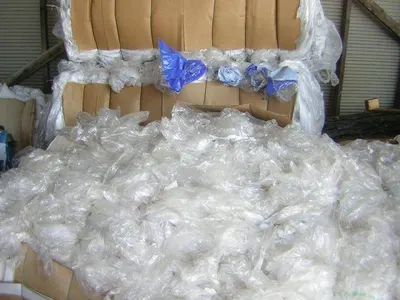
Armenia, Yerevan is the base for Ivory AR LLC Scrap Trading Co, which currently lists ten distinct scrap product entries. The catalogue covers a mix of polymer waste such as LDPE film, PET bottles, HDPE drums and milk bottles, as well as engineered plastics like PMMA acrylic sheets and PU foam, together with waste paper (OCC), EPS/PS blocks, electric motor scrap and soft PVC medical tubing. Each product is identified with its corresponding customs tariff: the majority of plastic grades fall under HS chapter 39 - 3915.10 or 3915.90, waste paper under 4707.10, electric motor scrap under 7204.29, and PVC medical tubing under 3915.30. The supplier’s top‑level categories include Ship and Marine Scrap, Plastic Items, PCB Scrap, Used Clothings, Used Machineries & Equipments, Metal Scraps, Used Construction Equipment & Machinery and Automobile Scrap, reflecting a broad waste‑stream portfolio.
The listed HS codes indicate the standard classification used by customs authorities for each material type. LDPE film, PET bottle fragments, HDPE drum and milk bottle scraps are all grouped in the 3915.10 sub‑heading for plastic waste of a kind not elsewhere specified. PMMA acrylic and PU foam are placed in 3915.90, the catch‑all for other plastic waste. Waste paper OCC is recorded under 4707.10, while electric motor scrap is classified in 7204.29 for ferrous metal scrap, and soft PVC medical tubing under 3915.30 for polymer waste used in medical devices. These codes determine duty rates, inspection regimes and documentation requirements for importers.
Product Range and Specialties of Ivory AR LLC Scrap Trading Co
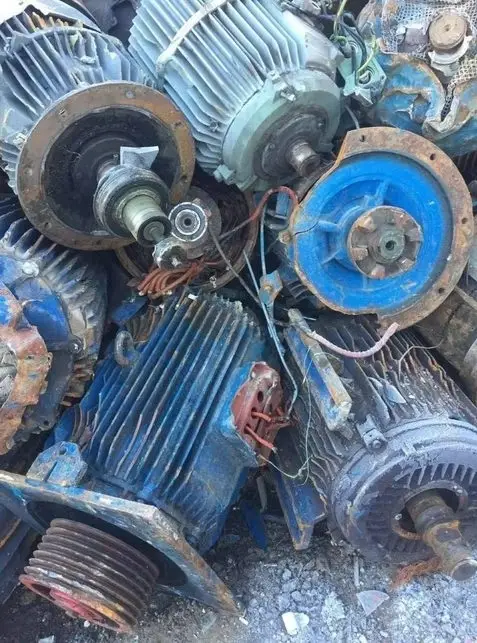
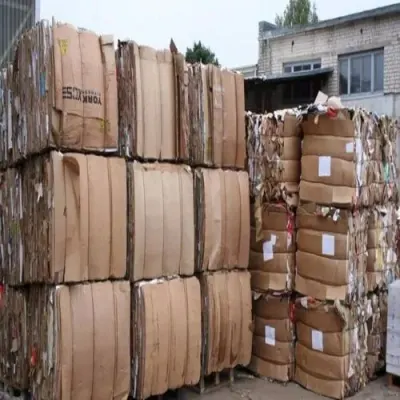
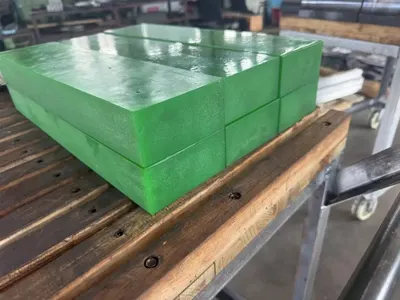
The catalogue presents concrete product types: LDPE film scrap, PET bottle fragments, HDPE drum and milk bottle pieces, PMMA acrylic sheet waste, PU memory‑foam scrap, OCC waste paper, EPS/PS block waste, electric motor assemblies and soft PVC medical tubing. In the plastics recycling market, LDPE film is typically graded by melt‑flow index (MFI 0.5‑5 g/10 min) and colour clarity, PET bottle flakes are evaluated for intrinsic viscosity (IV 0.73‑0.80 dl/g) and colour, and HDPE drum scrap is assessed for density (0.94‑0.96 g/cm³) and contamination level. PMMA acrylic waste is usually sorted by sheet thickness (1‑5 mm) and optical clarity, while PU foam is measured by foam density (30‑150 kg/m³). Waste paper OCC grades are defined by fiber length (15‑30 mm) and ash content (<3 %). EPS/PS blocks are characterized by bulk density (10‑30 kg/m³) and impact resistance. Electric motor scrap is commonly classified by weight (kg per unit) and copper content, and PVC medical tubing is subject to ISO 11092 specifications for flexibility and biocompatibility.
Frequently Asked Questions About Ivory AR LLC Scrap Trading Co
What types of plastic scrap does Ivory AR LLC list in its catalogue?
The catalogue includes LDPE film scrap, PET bottle fragments, HDPE drum and milk bottle scrap, PMMA acrylic sheet waste, PU foam scrap, EPS/PS block waste and soft PVC medical tubing, each classified under HS 3915 sub‑headings.
Which HS code applies to the LDPE film and HDPE drum scraps?
Both LDPE film scrap and HDPE drum scrap are recorded under HS code 3915.10, which covers plastic waste of a kind not elsewhere specified.
What documentation is typically required for importing the electric motor scrap (HS 7204.29)?
Importers usually request a WEEE compliance statement, a copper content assay, and a material safety data sheet to satisfy EU and other regional regulations.
How is waste paper OCC quality verified before purchase?
Buyers commonly ask for a fibre‑analysis report showing fibre length, ash content below 3 % and moisture level, together with a phytosanitary certificate confirming the paper is free of pests.
What standards govern the quality of PVC medical tubing scrap?
PVC medical tubing is often required to meet ISO 10993 biocompatibility testing and may need a certificate of sterilisation if the material will be reused in medical applications.
ArmeniaRelated Suppliers & Products
Explore similar suppliers, related products and trending categories



.jpg.png)