IMANI GLOBAL FARMS AGRO INVESTMENT CO., LTD — Verified Trader & Wholesale Supplier
About IMANI GLOBAL FARMS AGRO INVESTMENT CO., LTD - Nuts & Seeds Supplier in United Kingdom
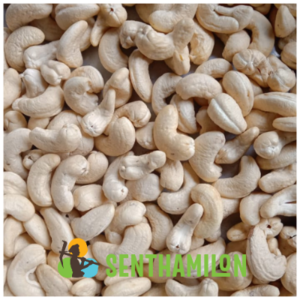
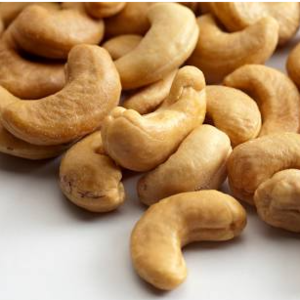
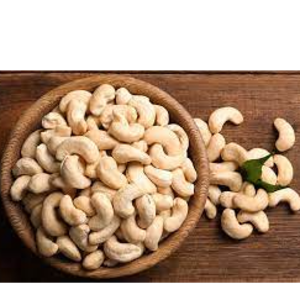
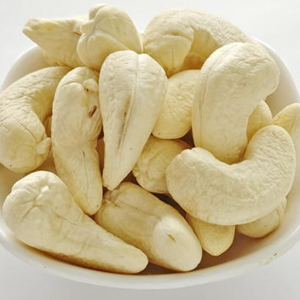
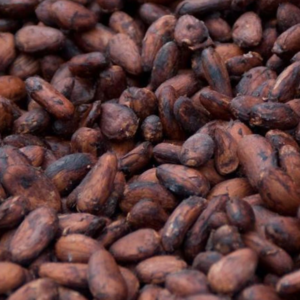
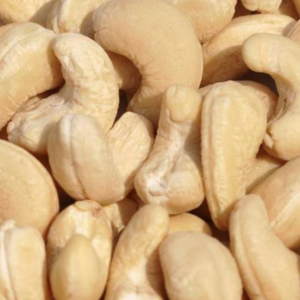
United Kingdom, Cornwall‑based IMANI GLOBAL FARMS AGRO INVESTMENT CO., LTD lists six active agricultural products in its catalogue. The catalogue includes cashew nuts classified under HS code 1515.90, dehydrated ginger root under HS code 0910.11, a black soap blend under HS code 3401.19, coco seed (coconut seed) under HS code 1209.99, bitter kola under HS code 0802.90, and dried hibiscus flower under HS code 1211.90. Each entry specifies the material composition, such as 100 % pure cashew nut oil for the cashew product and plantain‑cocoa pod ash with palm kernel oil for the black soap. The supplier is identified as an organic tier seller with a voyage trust tier, indicating a focus on sustainable sourcing. All six items fall within the broader categories of nuts, seeds, spices and herbal products.
The listed products cover major commodity groups: tree nuts (cashew), tropical seeds (coco seed), spice and flavor ingredients (ginger), medicinal herb (bitter kola), ornamental herb (hibiscus flower) and a personal‑care item (black soap). HS chapters represented include Chapter 08 (edible fruits and nuts), Chapter 09 (coffee, tea, spices), Chapter 12 (oil seeds and oleaginous fruits), Chapter 15 (animal or vegetable fats and oils) and Chapter 34 (soap and organic surface‑active agents). The supplier’s catalogue does not mention processed food or beverage items, staying within raw or minimally processed agricultural goods. No additional product lines beyond these six are indicated in the provided facts.
Product Range and Specialties of IMANI GLOBAL FARMS AGRO INVESTMENT CO., LTD
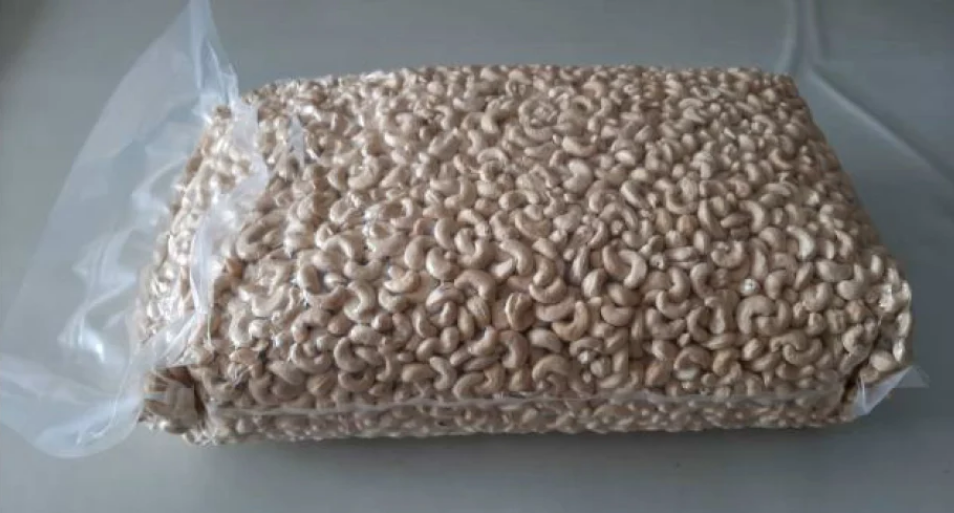
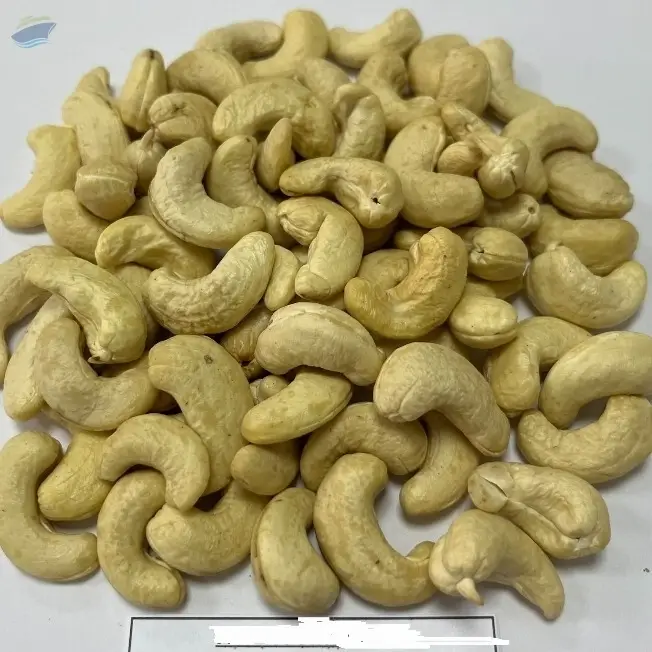
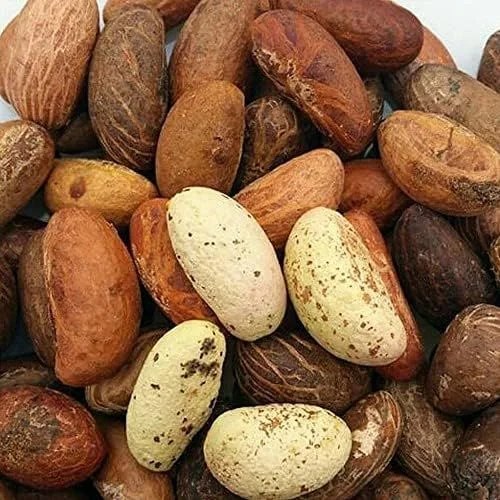
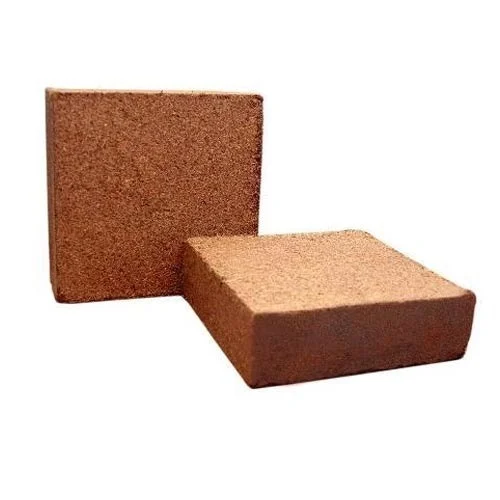
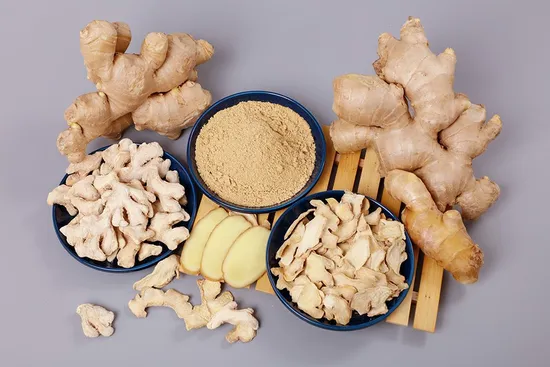
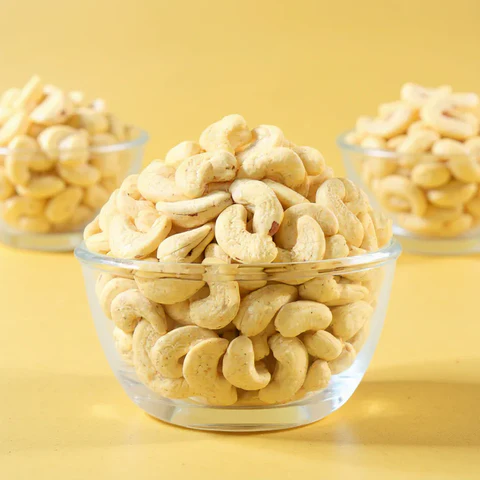
The catalogue offers cashew nuts (HS 1515.90) described as 100 % pure cashew nut oil, which in trade typically corresponds to kernel grades such as W180 or W210 with moisture below 5 %. Dehydrated ginger (HS 0910.11) is supplied as dried root, commonly graded by moisture content (usually ≤12 %) and pungency measured in Scoville units for culinary use. Black soap (HS 3401.19) combines plantain and cocoa pod ash with palm kernel oil; industry standards often require a saponification value of 180 - 200 mg KOH/g and a free fatty acid content below 1 %. Coco seed (HS 1209.99) refers to whole coconut seeds, generally sorted by size (e.g., 12 mm - 18 mm) and moisture under 6 %. Bitter kola (HS 0802.90) is a Garcinia kola nut, typically evaluated for bitterness index and aflatoxin levels below 10 µg/kg. Dried hibiscus flower (HS 1211.90) is usually dried to ≤12 % moisture and assessed for anthocyanin content, which determines colour intensity.
Trade and Export Information - IMANI GLOBAL FARMS AGRO INVESTMENT CO., LTD
The United Kingdom exports a variety of nuts, seeds and herbal products to the European Union, the Middle East, North Africa and Southeast Asia, where demand for organic and specialty ingredients is strong. HS 1515.90 cashew nuts and HS 1209.99 coconut seeds are subject to phytosanitary certification and often require a fumigation statement for EU markets. Spice products such as HS 0910.11 ginger commonly need a certificate of origin and compliance with maximum pesticide residue limits (e.g., EU Regulation 2021/383). Herbal items like HS 0802.90 bitter kola and HS 1211.90 hibiscus flower are frequently inspected for microbial load (≤10 000 CFU/g) and heavy‑metal limits. Buyers usually request ISO 22000 or HACCP audit reports, and organic buyers expect EU organic certification (EU‑Reg 834/2007) or equivalent. Typical logistics involve 20‑ft or 40‑ft containers packed in food‑grade polypropylene bags (e.g., 25 kg for nuts, 10 kg for dried herbs) and FOB or CIF terms depending on the destination.
Exporters from the UK often work with freight forwarders familiar with the EU’s Rapid Alert System for Food and Feed (RASFF) and the US FDA’s Prior Notice system for shipments of nuts and spices. Documentation packages normally include commercial invoice, packing list, phytosanitary certificate, certificate of origin and any requested organic certificates.
Sourcing from IMANI GLOBAL FARMS AGRO INVESTMENT CO., LTD - Buyer Guidance
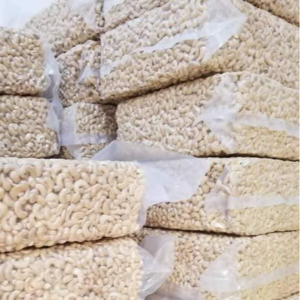
When sourcing from IMANI GLOBAL FARMS, request a recent phytosanitary certificate for each product, especially for cashew nuts (HS 1515.90) and coconut seed (HS 1209.99). Ask for laboratory analysis reports covering aflatoxin (for nuts), moisture content (for ginger and hibiscus), and heavy‑metal limits (for bitter kola). Verify any organic claims with a recognized certification body and obtain the corresponding certificate before confirming the order. Request sample shipments to test for kernel grade, oil content and sensory attributes such as aroma for ginger and colour intensity for hibiscus. Confirm packaging details - bulk polypropylene bags or sealed cartons - and ensure the supplier can meet standard container loads (e.g., 25 tons of cashew nuts per 40‑ft container).
Frequently Asked Questions About IMANI GLOBAL FARMS AGRO INVESTMENT CO., LTD
What HS codes apply to the products listed by IMANI GLOBAL FARMS?
The catalogue uses HS 1515.90 for cashew nuts, HS 0910.11 for dehydrated ginger, HS 3401.19 for black soap, HS 1209.99 for coco seed, HS 0802.90 for bitter kola and HS 1211.90 for dried hibiscus flower.
Which certifications should I request for these agricultural goods?
Buyers should request a phytosanitary certificate for all items, an organic certification if the organic tier claim is important, and laboratory test reports for moisture, aflatoxin (nuts) and heavy‑metal limits (herbs).
What are typical minimum order quantities for the listed products?
Standard MOQs in the sector range from 500 kg for niche herbs such as hibiscus flower to 2‑3 tons per shipment for bulk nuts like cashew and coconut seed, depending on packaging preferences.
What packaging formats are commonly used for these exports?
Nuts and seeds are usually packed in food‑grade polypropylene bags of 25 kg or 50 kg, while dried herbs and spices are often placed in 10 kg jute or laminated bags. Bulk shipments are consolidated in 20‑ft or 40‑ft containers.
What lead times can I expect for a new order?
Lead times typically span 30‑45 days from order confirmation, allowing time for harvesting, processing, quality testing, certification issuance and container loading.
Which markets commonly import the product categories offered by this supplier?
The EU, Gulf Cooperation Council countries, Southeast Asian nations and the United States are major importers of UK‑origin nuts, seeds, ginger and herbal products, driven by demand for organic and specialty ingredients.
Are there any specific regulatory tests required for cashew nuts and ginger?
Cashew nuts must comply with aflatoxin limits (≤10 µg/kg) and may be subject to EU pesticide residue testing. Dehydrated ginger is checked for moisture content (≤12 %) and must meet maximum pesticide residue limits defined by the importing region.
How is the quality of black soap verified before export?
Quality verification usually includes a saponification value test (180‑200 mg KOH/g), free fatty acid measurement (<1 %) and a visual inspection for uniform colour and texture.





 , United Kingdom


.jpg.png)