Huatao Insustrial Felt — Supplier
About Huatao Insustrial Felt - Blankets Supplier in China
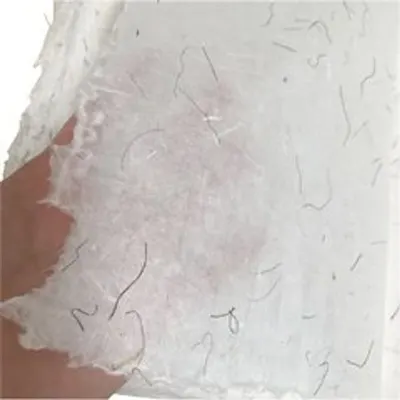
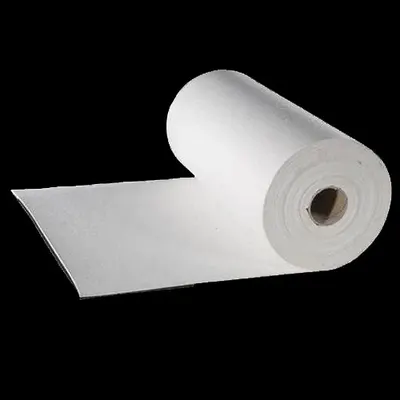
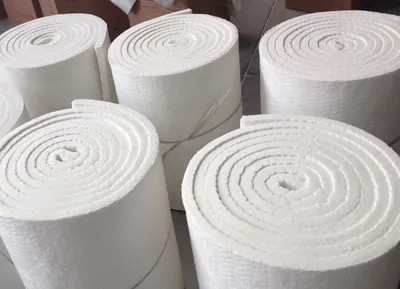
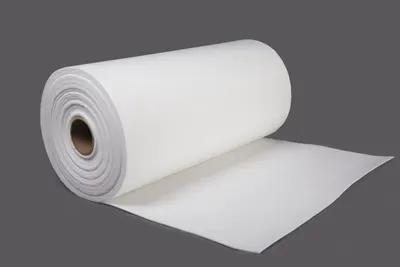
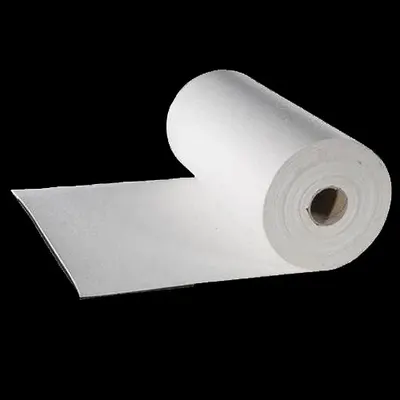
Huatao Insustrial Felt is based in China and lists 16 active products across several industrial textile categories. The catalogue includes heat‑transfer endless belts, para‑aramid felt strips, spacer sleeves for aging furnaces, and multiple aerogel‑based insulation blankets, each linked to HS code families such as 7019, 6806 and 5911. The supplier’s product set covers both blanket‑type insulation (e.g., Aerogel Insulation Blanket, Aerogel Heat Insulation Wall Blanket) and engineered felt components for conveyor, belt and textile machinery applications. Product entries specify materials ranging from Nomex and Kevlar fibers to silica aerogel composites on glass‑fiber or mineral‑wool substrates, reflecting typical high‑temperature and thermal‑resistance uses.
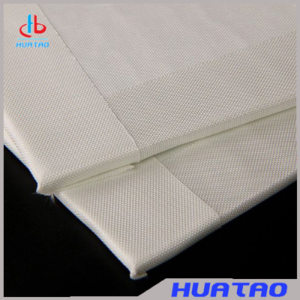
The listed top categories include Blankets, Agriculture, Industrial Belts & Straps, Textile Fabric & Raw Material, Wire Mesh and Textile Machinery & Equipments, indicating a focus on technical textiles and insulation solutions. Several items carry explicit HS codes: 7019.40 for wall blankets, 6806.10 for silica aerogel felts, and 5911.10 for calender machine blankets, aligning them with international tariff classifications for non‑woven fabrics and thermal insulation products. The range of materials - Nomex, Kevlar, para‑aramid, and silica aerogel - covers temperature ratings from 200 °C up to 500 °C, which are common specifications in heat‑resistant textile applications. These specifications match industry standards for aerospace and high‑temperature industrial processes.
Product Range and Specialties of Huatao Insustrial Felt
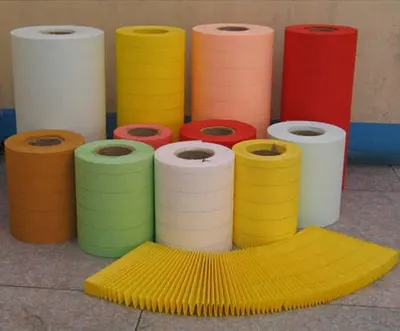
The catalogue offers a mix of heat‑resistant belts, aramid‑based felts and aerogel insulation blankets. Products such as the 100 % Nomex Heat Transfer Endless Belt and the Para‑Aramid Industrial Felt Strip are typical of the aramid textile segment, where grades like Nomex 40 mm and aramid fibers with tensile strength above 300 MPa are standard. Aerogel‑based items, including the Silica Aerogel Insulation Felt (HS 6806.10) and Aerogel Heat Insulation Wall Blanket (HS 7019.40), usually meet bulk densities of 0.10‑0.20 g cm⁻³ and thermal conductivities below 0.030 W m⁻¹ K⁻¹, matching industry expectations for high‑performance thermal panels. Calender Needle Felts and Laminating Machine Blankets (HS 5911.10) are commonly supplied in widths up to 1 500 mm and thicknesses from 0.5 mm to 5 mm, with fiber blends tailored to specific machine pressures.
Trade and Export Information - Huatao Insustrial Felt
China is a major exporter of technical textiles and high‑temperature insulation materials, with shipments of aramid felts and silica aerogel products frequently destined for automotive, aerospace, construction and heavy‑industry markets in Europe, North America and Southeast Asia. HS chapter 70 (glass and glass‑ware) and chapter 68 (articles of stone, plaster or cement) cover many of the aerogel blankets, while HS 5911 addresses other non‑woven textile blankets used in industrial machinery. Buyers typically request certifications such as ISO 9001 for quality management, ISO 14001 for environmental compliance, and specific fire‑resistance test reports (e.g., ASTM E84 or EN 13501) for insulation blankets. Export logistics from China often employ 20 ft or 40 ft containers with compressed packaging to protect low‑density aerogel panels, and Incoterms such as FOB Shanghai or CIF Los Angeles are common.
Sourcing from Huatao Insustrial Felt - Buyer Guidance
When sourcing from Huatao Insustrial Felt, buyers should request material data sheets that detail fiber composition, temperature rating, tensile strength and bulk density for each felt or blanket. For aerogel products, a thermal conductivity test report (e.g., according to ASTM C518) and a moisture‑content analysis are standard verification documents. Buyers are advised to confirm that the supplied HS codes match the intended customs classification and to ask for third‑party test certificates such as UL 94 for flame‑propagation or CE conformity where applicable. Verifying compliance with typical industry standards helps mitigate risk before placing bulk orders.
Frequently Asked Questions About Huatao Insustrial Felt
What types of insulation blankets does Huatao Insustrial Felt offer?
The supplier lists aerogel‑based wall blankets (HS 7019.40), silica aerogel felts (HS 6806.10) and composite blankets that combine nano‑silica aerogel with glass‑fiber or mineral‑wool matrices. These products are designed for high‑temperature thermal insulation and usually have bulk densities below 0.2 g cm⁻³. Test data such as thermal conductivity and fire‑resistance ratings are typically provided on request.
Are the aramid belts suitable for high‑temperature conveyor applications?
Yes, products such as the 100 % Nomex Heat Transfer Endless Belt and Kevlar Conveyor Belt are engineered for temperatures up to 260 °C and feature tensile strengths exceeding 300 MPa. They meet the mechanical and thermal criteria commonly required in metal‑extrusion and aluminum‑extrusion lines. Buyers should verify the belt width and thickness to match their conveyor specifications.
Which certifications should a buyer request for these technical textiles?
Buyers should ask for ISO 9001 quality certificates and, where relevant, ISO 14001 environmental certificates to confirm the supplier’s management systems. In addition, fire‑resistance test reports such as ASTM E84 or EN 13501, and UL 94 or CE declarations for safety‑critical applications, are standard for insulation blankets. Requesting these documents before order confirmation reduces compliance risk.
What is the typical minimum order quantity (MOQ) for aerogel blankets?
MOQs for bulk aerogel blankets generally start at one 20 ft container, roughly 10 tons, because the low‑density material is most economical to ship in large volumes. Smaller quantities can be arranged but may incur additional handling and packaging costs. Buyers should confirm container loading plans with the supplier to optimize space utilization.
How are the aerogel products packaged for shipment?
Aerogel blankets are usually rolled or folded and placed in moisture‑proof liners inside insulated wooden crates or bulk bags to preserve their low density and thermal performance. The packaging often includes protective edge bands and desiccant packs to prevent moisture absorption during transit. Proper packaging is critical to maintain the material’s structural integrity and thermal properties.
What lead times can buyers expect for custom‑size felt strips?
Custom aramid or para‑aramid felt strips typically require 4‑6 weeks from order confirmation, allowing time for material sourcing, cutting to size and any required performance testing. Lead time may extend if special fiber blends or additional certifications are needed. Buyers should provide detailed drawings early to avoid delays.
Can samples be provided before a full order?
The supplier can supply small‑size samples of felt strips or fabric swatches, usually on a cost‑recovery basis, to enable buyers to verify material properties and compatibility with their equipment. Sample kits often include a material data sheet and basic test results such as tensile strength and thermal resistance. Requesting samples helps confirm that the product meets the required specifications before scaling up.
Which HS codes are associated with the supplier’s products?
Key HS codes in the catalogue include 7019.40 for wall blankets, 7019.90 for industrial insulation fabric, 7019.19 for aerogel insulation blankets, 6806.10 for silica aerogel felts, and 5911.10 for calender machine blankets. These codes align the products with international tariff schedules for non‑woven textiles and thermal insulation materials. Accurate HS coding facilitates customs clearance and duty assessment.




 , China