Hinsland Tea — Verified Supplier
About Hinsland Tea - Tea and Spice Supplier in Sri Lanka
Sri Lanka’s agricultural sector hosts Hinsland Tea, which lists eight active products in its catalogue. The company’s portfolio covers green tea bags, black tea bags, cinnamon, pepper powder, pepper seeds, crushed chilli, chilli powder and a blended curry powder, each falling under the HS‑2 digit families for tea (0902) and spices (0904). All items are described as freshly packed at origin, reflecting typical Sri Lankan export practice for Ceylon tea and native spices. The catalogue does not specify certifications, so buyers should verify compliance with standard food safety schemes. The product set aligns with common export categories from Sri Lanka to international food‑service and retail markets.
Product Range and Specialties of Hinsland Tea
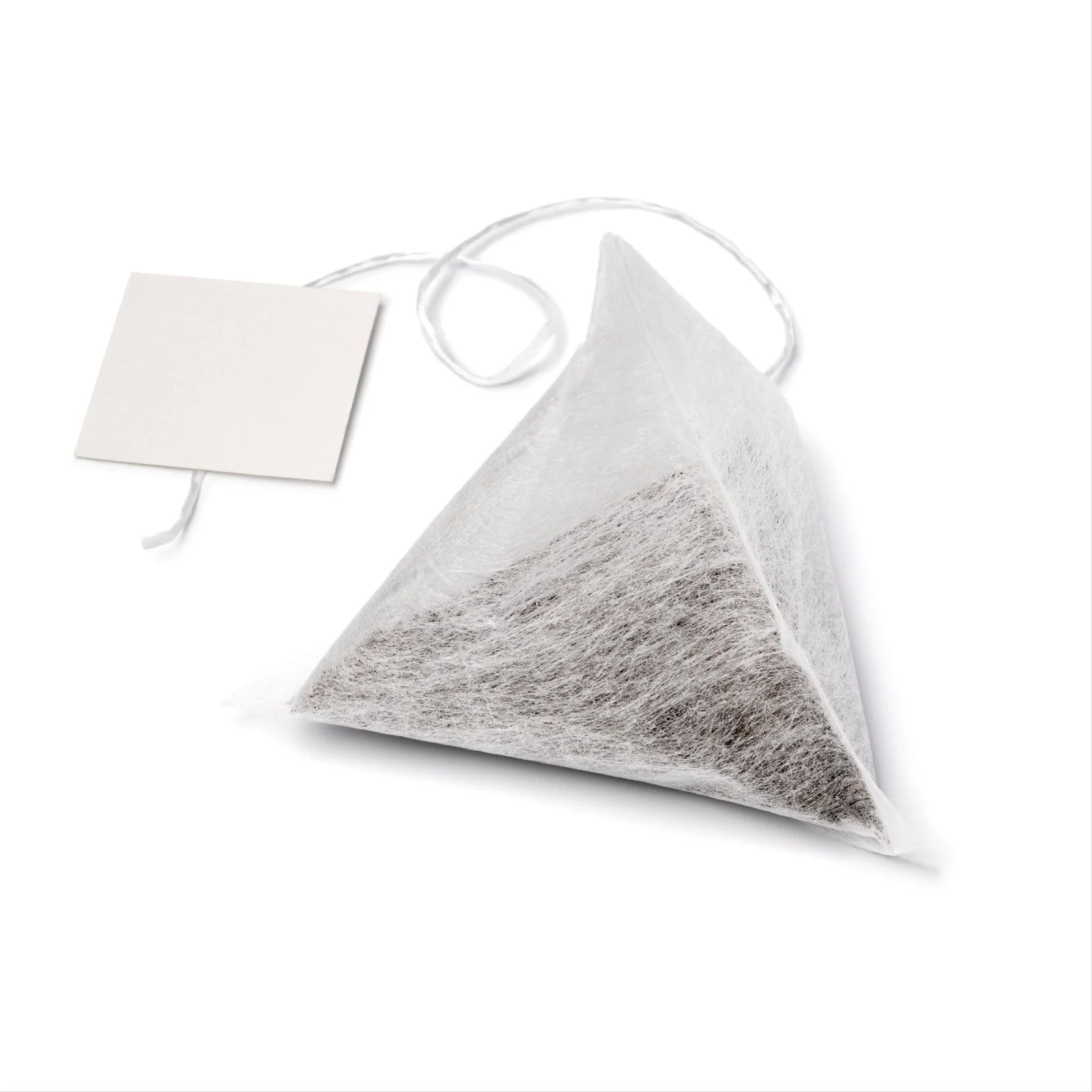
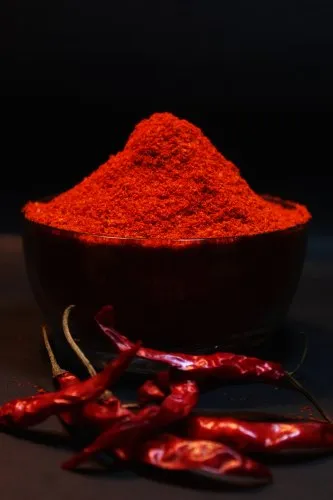
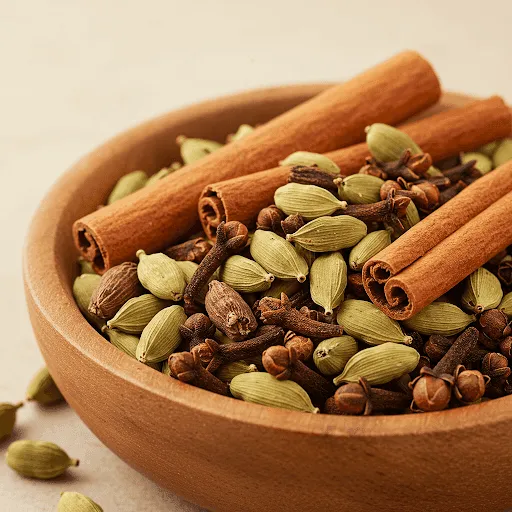
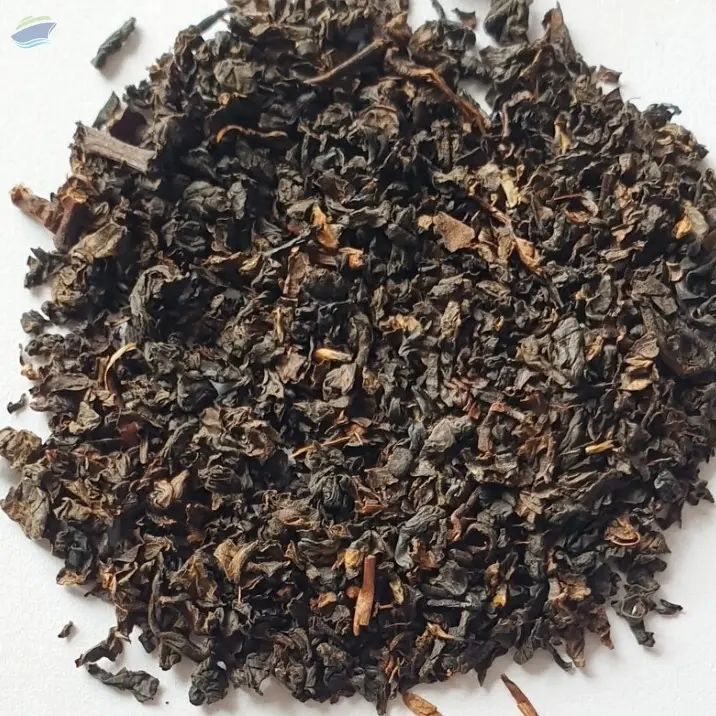
The catalogue enumerates eight SKUs: Hinsland Green tea bags, Hinsland Black tea bags, Hinsland Cinnamon, Hinsland Pepper Powder, Hinsland Pepper seeds, Hinsland chillie crushed, Hinsland Chilli powder and Hinsland curry powder. In the global tea market, green and black teas are graded by leaf size and infusion strength, with common specifications such as grade BOPF (Broken Orange Pekoe) for black tea and whole leaf grades like OP (Orange Pekoe) for premium green tea. Sri Lankan cinnamon is typically sold as Ceylon cinnamon (Cinnamomum verum) with a moisture content below 12 % and a volatile oil content above 1 %. Pepper products are usually classified by particle size (e.g., 0.5 mm for powder) and by whole‑seed versus cracked seed forms. Chilli powders and crushed chilli are frequently measured by capsaicin level (Scoville units) and moisture content under 10 %. Curry powder blends are custom mixtures, often evaluated for spice composition percentages and microbial limits.
Trade and Export Information - Hinsland Tea
Sri Lankan tea and spice exporters normally serve the EU, the United States, the Middle East and Southeast Asian markets, where buyers look for ISO 22000 or HACCP‑based food safety certifications. HS chapter 09 products such as tea (0902) and spices (0904) are subject to phytosanitary inspection and may require a Certificate of Origin for preferential tariff treatment under the GSP. Packing is typically in food‑grade polyethylene or kraft paper bags for tea, and sealed multi‑layer cartons for bulk spices, allowing container loading in 20 ft or 40 ft units. Common Incoterms used by Sri Lankan exporters include FOB Colombo and CIF Dubai, reflecting the country’s port infrastructure and regional shipping lanes. Buyers often request laboratory analysis reports for moisture, ash, caffeine (for tea) and essential oil content (for cinnamon) before shipment.
Sourcing from Hinsland Tea - Buyer Guidance
When sourcing from Hinsland Tea, request a product specification sheet that lists grade, leaf size, moisture percentage and any existing food‑safety certificates. Ask for recent third‑party lab test results covering pesticide residues, microbial limits and heavy‑metal compliance, which are standard requirements for tea and spice imports. Verify that the supplier can provide a phytosanitary certificate and a Certificate of Origin if your market offers preferential duty rates. Clarify the minimum order quantity, typical lead time (often 30‑45 days for packed tea bags and 25‑35 days for bulk spices) and the packaging format that matches your logistics chain.
Frequently Asked Questions About Hinsland Tea
What tea formats does Hinsland Tea offer?
The supplier lists green tea bags and black tea bags, each packed at origin in food‑grade bags suitable for bulk shipment.
Which spice products are included in the catalogue?
Cinnamon, pepper powder, pepper seeds, crushed chilli, chilli powder and a blended curry powder are the eight spice‑related SKUs.
Are there standard HS codes for these products?
Tea bags fall under HS code 0902, while cinnamon, pepper, chilli and curry powder are classified under HS code 0904 for spices.
What certifications should a buyer request?
Buyers typically request ISO 22000 or HACCP certificates, a phytosanitary certificate and, where applicable, organic or Fairtrade documentation.
What are typical minimum order quantities?
For packed tea bags, MOQ often starts at 5 000 bags; for bulk spices, MOQ is usually around 500 kg per shipment.
What is the usual lead time for orders?
Lead times range from 25 days for bulk spices to 45 days for packed tea bags, depending on production scheduling and export documentation.
How are the products packaged for export?
Tea bags are sealed in polyethylene or kraft paper packs; spices are packed in moisture‑resistant multi‑layer cartons or bulk bags suitable for container loading.
Which Incoterms are commonly used?
Exporters from Sri Lanka often use FOB Colombo for sea freight and CIF Dubai for regional deliveries.




 , Sri Lanka