Himalayan Secrets Canada — Verified Supplier
About Himalayan Secrets Canada - Himalayan Salt Supplier in Canada
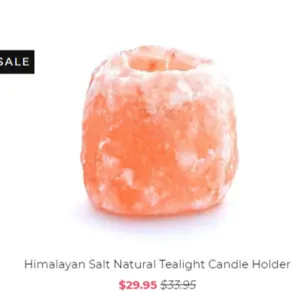
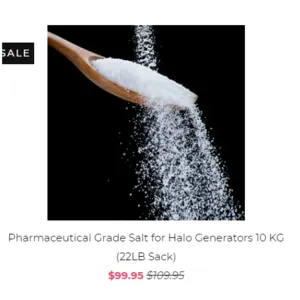
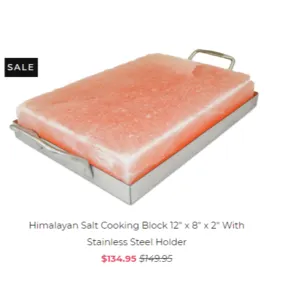
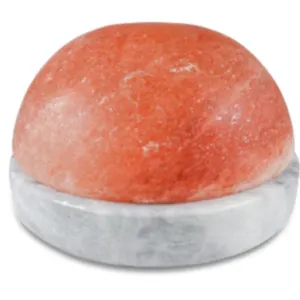
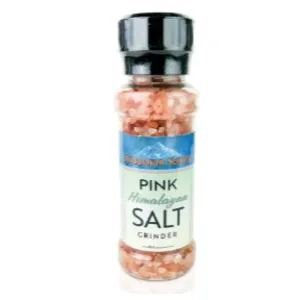
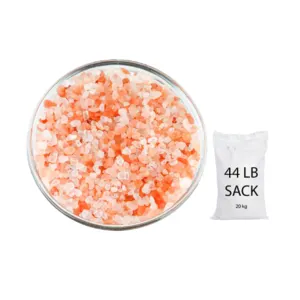
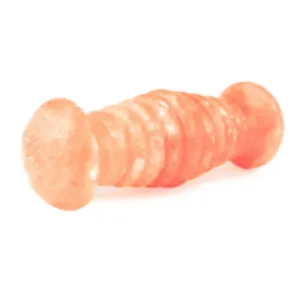
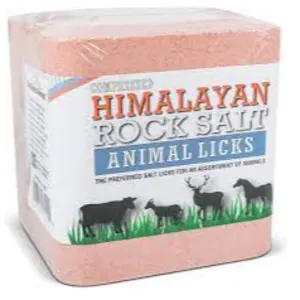
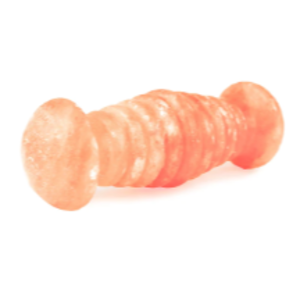
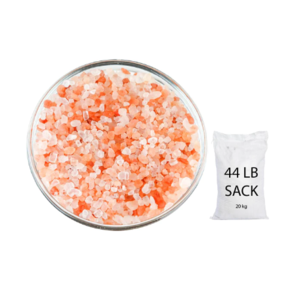
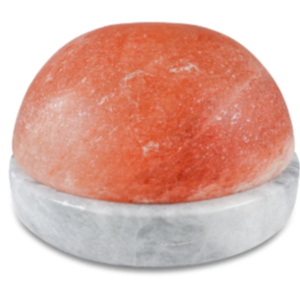
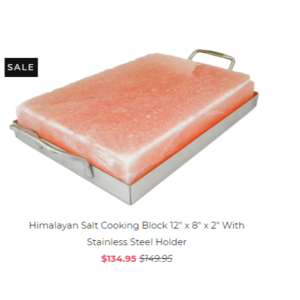
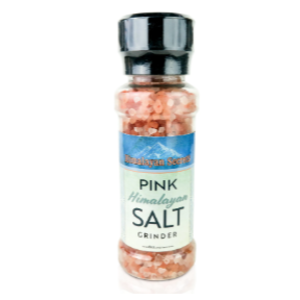
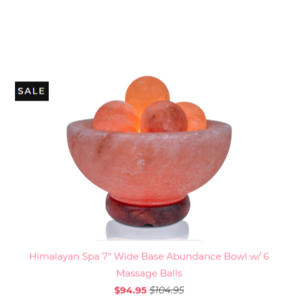
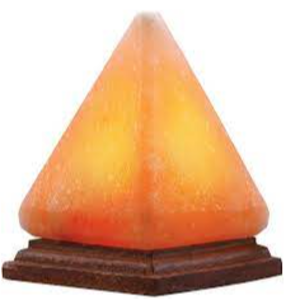
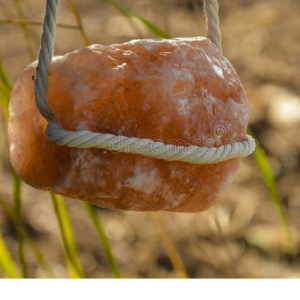
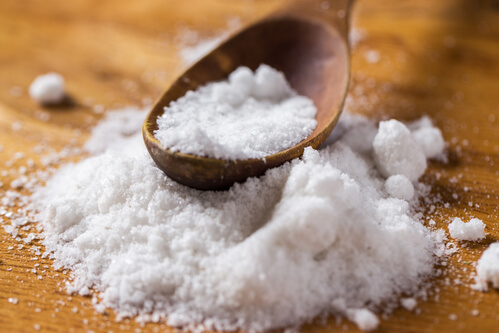
Canada‑based Himalayan Secrets Canada lists eleven active products across salt, cosmetic and lamp categories. The catalogue includes Himalayan salt animal lick, bulk salt, edible culinary salt, pink Himalayan flakes and halogen‑generator salt, all classified under HS code 2501.00 for sodium chloride. Non‑salt items comprise a body product (HS 3304.99), stainless‑steel grillware (HS 7323.93), lamp holders and tealight candle holders (HS 7013.99), massage stones (HS 9019.10) and foot dome lamps (HS 9405.20). Each entry specifies the material composition, such as natural pink Himalayan salt crystals, refined food‑grade NaCl, or steel and glass constructions. The supplier’s tier is listed as organic and its trust tier as harbor, indicating a focus on natural and responsibly sourced products. The product set reflects both edible and decorative salt applications together with related accessories.
The product portfolio combines consumable salts used in culinary, pet and industrial settings with decorative salt lamps and wellness accessories. Items like the bulk salt and edible culinary salt are described as refined sodium chloride suitable for food processing, while the pink Himalayan flakes are natural crystals containing trace minerals such as iron and magnesium. The lamp‑related line includes natural Himalayan pink salt crystals for jumbo lamps and glass or steel components for tealight holders. The inclusion of a body product under HS 3304.99 suggests a water‑based emulsion typical of personal care formulations. Overall, the catalogue provides a cross‑section of salt‑based goods and complementary metal‑glass items for home and commercial use.
Product Range and Specialties of Himalayan Secrets Canada
The catalogue covers eleven distinct SKUs grouped under three HS families: HS 2501.00 for various forms of natural and refined sodium chloride, HS 3304.99 for a water‑based body emulsion, HS 7323.93 for stainless‑steel grill and kitchenware, HS 7013.99 for glass candle holders, HS 9405.20 for metal lamp bases, and HS 9019.10 for natural stone massage accessories. In the salt segment, industry standards differentiate grades by purity (typically ≥99.5 % NaCl), moisture content (<0.5 %), and mineral analysis such as iron content for pink salt. Food‑grade salt often conforms to USP or FDA specifications, while decorative pink salt is commonly sold under ICUMSA 45‑50 equivalents for visual quality. Kitchenware made from stainless‑steel 304 complies with ASTM A240 and is resistant to corrosion. Glass candle holders are usually made from soda‑lime glass meeting ASTM C1036, and massage stones are sourced as basalt or jade with hardness values around 5 - 6 on the Mohs scale.
Trade and Export Information - Himalayan Secrets Canada
Canada exports bulk sodium chloride primarily to North American food processors, pet‑food manufacturers and industrial de‑icing firms, using HS 2501.00 which is subject to customs duties based on weight and moisture content. Buyers of decorative salt lamps are often retailers in Europe and the United States, where the product falls under HS 2501.00 for natural crystals and HS 7013.99 for glass components, and may require CE marking for electrical safety if integrated with lighting. Common certifications requested for salt products include ISO 9001 for quality management, HACCP for food safety, and organic verification when marketed as such. Kitchenware shipments under HS 7323.93 typically follow ASTM and FDA regulations for food contact surfaces, and may need a declaration of compliance with the U.S. Food Contact Substance (FCS) list. Logistics for 20‑ft containers of bulk salt average 25 tons, while smaller decorative items are packed in cartons of 20 - 40 kg per 40‑ft container, often shipped CIF to target markets.
Sourcing from Himalayan Secrets Canada - Buyer Guidance
When sourcing salt from Himalayan Secrets Canada, request a Certificate of Analysis that details NaCl purity, moisture level, and trace mineral percentages for each batch. For food‑grade items, buyers should also obtain a HACCP or GMP audit report and confirm compliance with FDA or EU food‑contact regulations. Decorative lamp crystals benefit from a mineral content report and, if sold with lighting elements, a CE conformity declaration. Verify that the stainless‑steel grillware meets ASTM A240 and includes a passivation certificate. For the body product, ask for a full ingredient list, Safety Data Sheet (SDS) and any relevant cosmetic regulatory approvals such as Health Canada Cosmetic GMP. Confirm packaging dimensions and weight to plan container loading, and request sample units before committing to larger orders.
Frequently Asked Questions About Himalayan Secrets Canada
What HS code applies to the edible culinary salt and how is it classified for customs?
Edible culinary salt is classified under HS code 2501.00, which covers sodium chloride for food use. Customs duties are calculated on the net weight after accounting for moisture content, typically required to be below 0.5 %.
Which quality specifications are typical for pink Himalayan flakes?
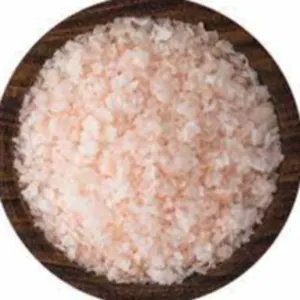
Pink Himalayan flakes are usually graded to ICUMSA 45‑50, with a minimum NaCl purity of 99.5 % and trace minerals such as iron, magnesium and potassium documented in a lab report. Moisture should not exceed 0.5 % to prevent caking.
What documentation should a buyer request for the stainless‑steel grillware?
Buyers should request an ASTM A240 compliance certificate, a passivation report, and a declaration that the material complies with FDA food‑contact regulations. A material test report confirming 304 stainless‑steel composition is also standard.
Are there any certifications commonly required for the body product (HS 3304.99)?
The body product typically requires a Safety Data Sheet (SDS), a full ingredient disclosure, and compliance with Health Canada Cosmetic GMP. Buyers often ask for a Certificate of Compliance with the EU Cosmetic Regulation (Regulation (EC) No 1223/2009) if exporting to Europe.
How are the jumbo salt lamps packaged for export?
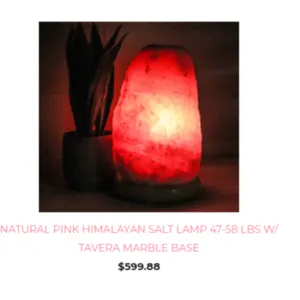
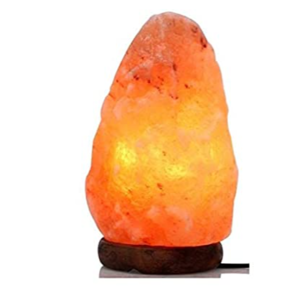
Jumbo salt lamps are usually packed in double‑wall cardboard boxes with individual protective inserts, and the total weight per lamp ranges from 5 kg to 15 kg. Shipping containers often allocate 20‑kg cartons, allowing 40‑ft containers to hold 1,200‑1,500 units depending on box dimensions.
What is the typical minimum order quantity (MOQ) for bulk salt?
Bulk salt orders are commonly set at a minimum of one metric tonne, which fits standard 20‑ft container capacities of approximately 20 tonnes. Smaller quantities can be arranged but may incur higher freight rates per kilogram.
Which markets most frequently import Canadian salt products?
Key import markets for Canadian salt include the United States, United Kingdom, Germany and Japan, where the food processing, pet‑care and decorative goods sectors drive demand. These regions often require HACCP or ISO certifications for food‑grade salt.
What testing is advisable for the massage stones and warmers?
Buyers should request a mineral composition analysis and hardness test (Mohs scale) to confirm basalt or jade authenticity. An SDS and a lead‑free certification are also standard for wellness accessories.




 , Canada