HGC International — Verified Supplier

About HGC International - Grams Supplier in India

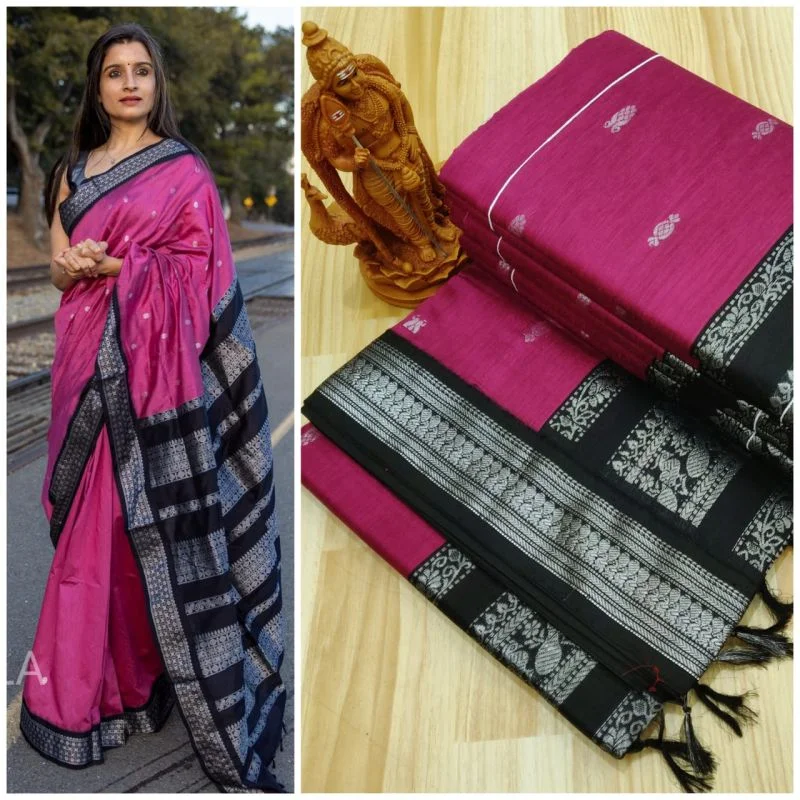
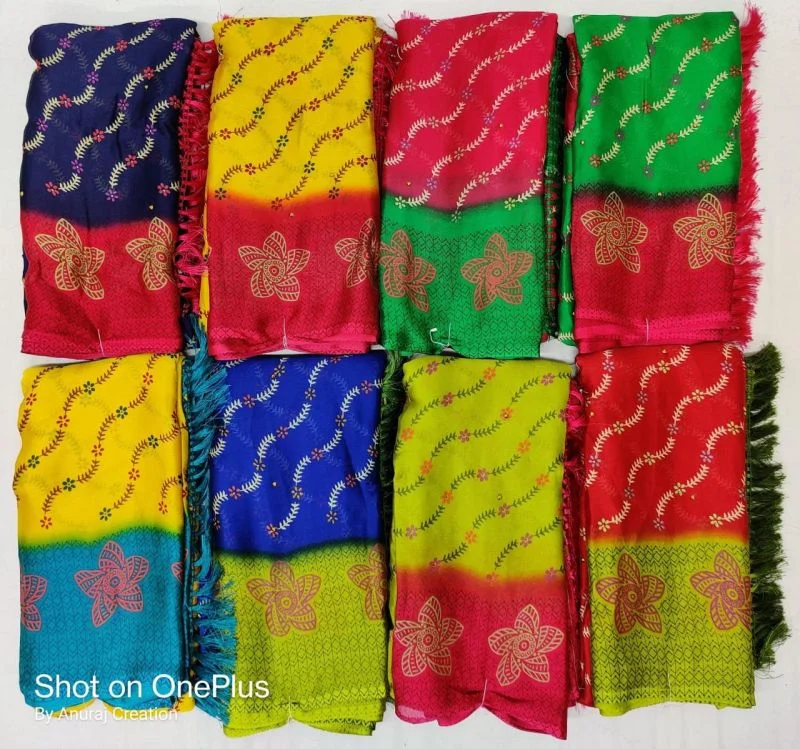
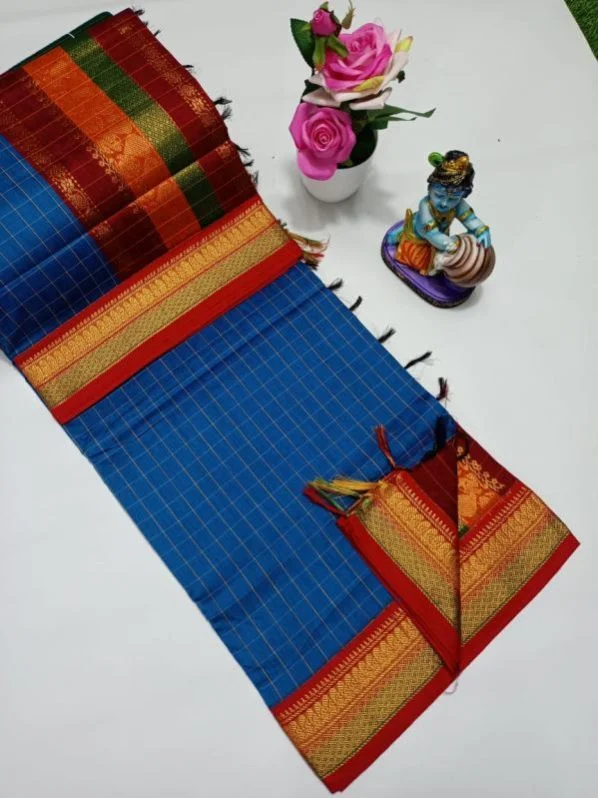
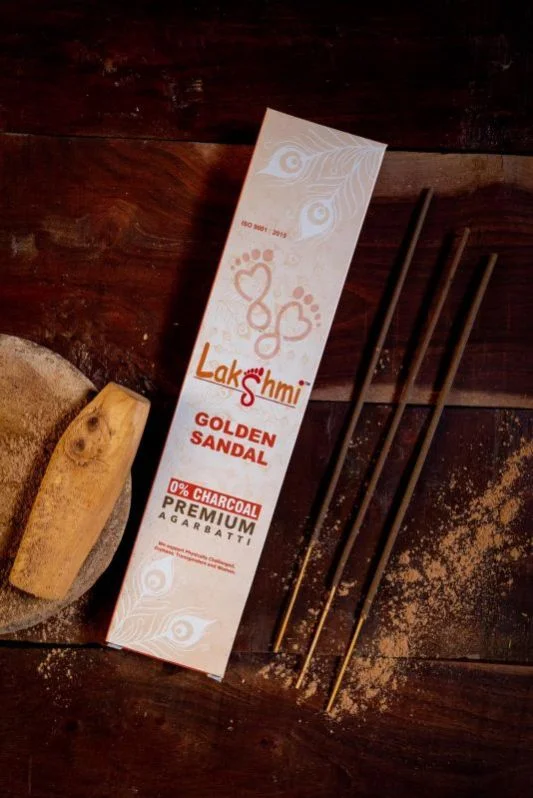
India‑based HGC International lists 29 active products across food, apparel and personal care categories. The catalogue includes pulses such as Black Gram, Gram, Moong Dal and Urad Dal, two rice varieties (Organic Basmati Rice with HS code 1006.30 and Ponni Non‑Basmati Rice), Sunflower Oil, Raw Cotton, Cotton Seeds, Yellow Corn and Sambrani Cup, as well as apparel items ranging from Mens Cotton Shirts and T‑Shirts to Ladies Silk Sarees, and cosmetic items like Rose Water (HS code 3301.29) and Incense Sticks. Each entry follows the product naming used in the supplier’s own listing, and the HS codes provided correspond to the standard customs classifications for the respective goods. The product mix reflects typical Indian export segments in agri‑food, textiles and fragrance ingredients.

The supplier’s top categories are listed as Grams, Other Ladies Dresses, Sarees, Shirts & T‑Shirts, Trousers & Shorts, Incense Sticks, Cosmetics & Beauty Products and Snacks. Within the apparel group, items include Mens Cotton Pant, Jeans, and various Ladies Cotton Kurti, Suit and Legging styles, plus three Silk Saree designs. The food group comprises pulses, rice, oil, corn and cotton‑seed products, while the fragrance and beauty segment includes Rose Water and both raw and aromatic incense sticks. All product titles are presented exactly as they appear in the supplier’s catalogue, without added descriptors or brand names.

Product Range and Specialties of HGC International

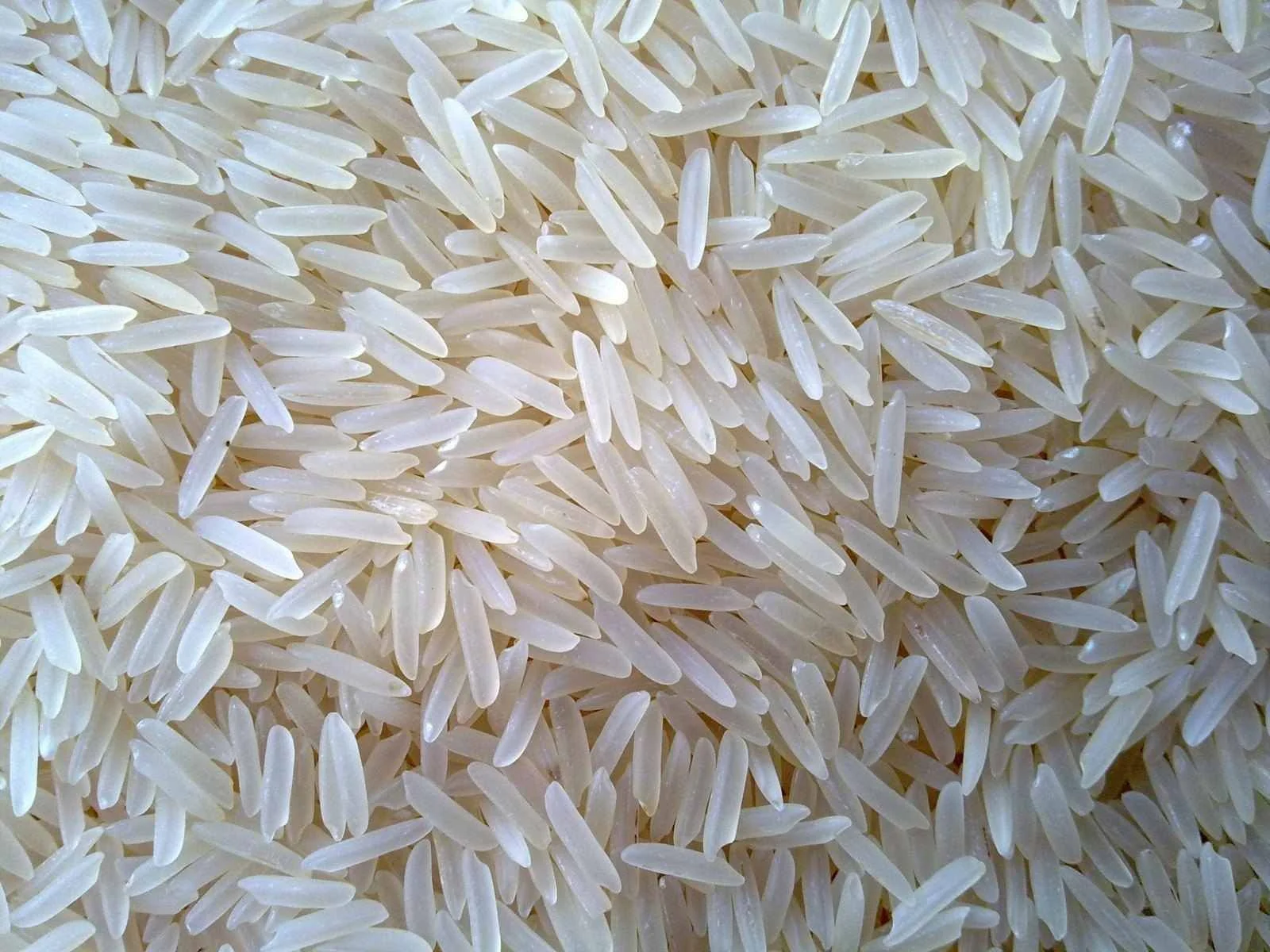
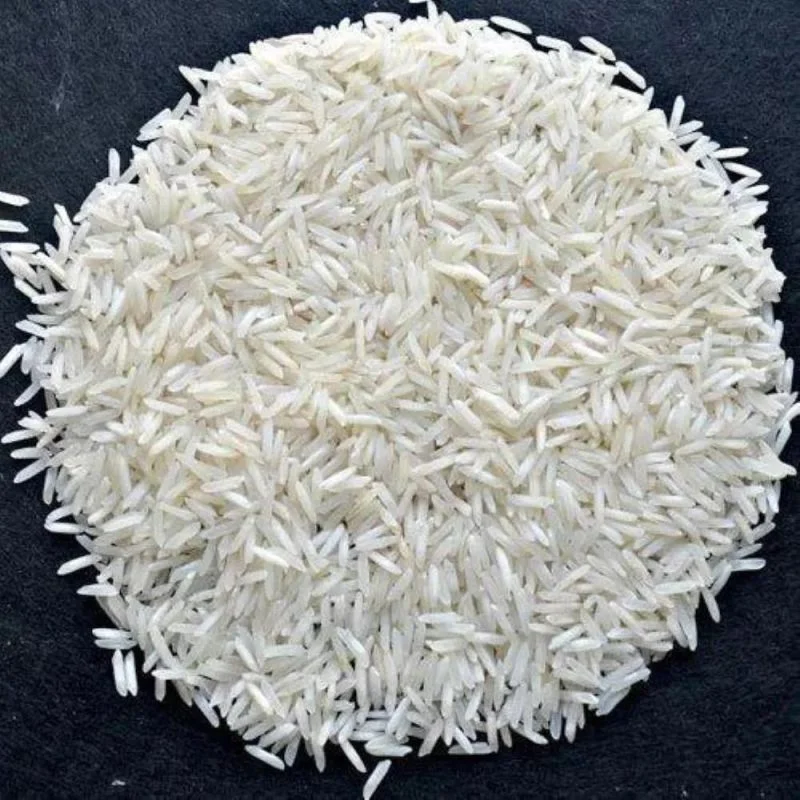
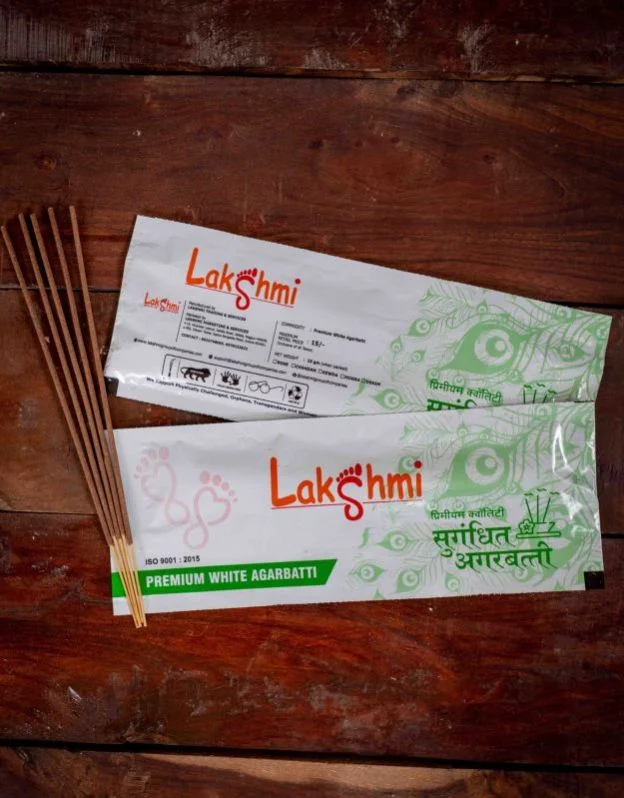
The catalogue covers major Indian export commodities. Pulses such as Black Gram, Gram, Moong Dal and Urad Dal fall under HS Chapter 07 (0713) and are typically graded by moisture content (<12 %), impurity level (<2 %) and size range (6‑12 mm). Basmati rice (HS 1006.30) is usually exported in 25 kg bags with a length‑to‑width ratio above 6.5, moisture ≤14 % and a broken grain rate under 5 %. Sunflower oil (HS 1515) is shipped in 1 ton bulk containers or 200 L drums, meeting a free fatty acid (FFA) limit of ≤0.1 % and an iodine value of 110‑130. Rose Water (HS 3301.29) is a steam‑distilled Rosa damascena hydrosol, commonly required to meet ISO 9001 quality management and a minimum aromatic content of 0.5 % v/v. Indian cotton textiles are classified under HS 6203‑6205; typical specifications include 150‑180 gsm for shirts, 100‑130 gsm for kurti fabrics, and a thread count of 120‑150 for silk sarees. Incense sticks are grouped in HS 3307 and are usually evaluated for burn time (30‑45 min) and fragrance intensity measured by gas chromatography.

Trade and Export Information - HGC International

India is a leading exporter of pulses, basmati rice, edible oils and cotton textiles. Major import markets include the United Arab Emirates, Saudi Arabia, the United Kingdom, the United States and Kenya, where buyers often require HACCP or FSSAI compliance for food items and ISO 9001 for cosmetics. HS Chapter 07 pulses are subject to phytosanitary certification under the Indian Plant Quarantine (IPQ) system, while rice shipments must include a phytosanitary certificate and, for organic varieties, an APEDA organic certificate. Sunflower oil exports typically use FOB Mumbai or FOB Chennai, with containers packed in 20‑ft or 40‑ft units and insulated to prevent oxidation. Textile shipments follow standard FOB terms from the textile hubs of Tirupur or Surat, with garments packed in poly‑bagged cartons (typically 20 - 30 kg per carton) and labelled per HS 6203‑6205 requirements. Rose Water and incense sticks are usually shipped as small parcels (up to 500 kg) under HS 3301 and 3307, with MSDS and a Certificate of Analysis accompanying each batch.

Sourcing from HGC International - Buyer Guidance

When sourcing pulses from HGC International, buyers should request a recent Certificate of Analysis showing moisture, ash, protein and pesticide residue levels, as well as the mandatory phytosanitary certificate. For Basmati rice, request the grain length distribution report, moisture content, broken grain percentage and, if claimed organic, the APEDA organic certificate. Sunflower oil buyers typically ask for a free‑fatty‑acid test, peroxide value and a batch‑wise Certificate of Analysis; packaging details (1 ton bulk or 200 L drums) should be confirmed before order. Textile purchasers need to verify fabric GSM, thread count, colourfastness test results and, where applicable, the existence of an ISO 9001 quality system. For Rose Water and incense sticks, obtain a Material Safety Data Sheet, a batch certificate confirming the raw material source, and any relevant fragrance‑industry test reports. Confirm lead times (generally 30‑45 days for food items, 45‑60 days for apparel) and minimum order quantities before finalising the contract.

Frequently Asked Questions About HGC International

What HS codes apply to the pulses listed by HGC International?

Black Gram, Gram, Moong Dal and Urad Dal are classified under HS Chapter 07, heading 0713 for dried legumes and pulses.

Which certification should a buyer request for the Organic Basmati Rice?

Buyers should request the APEDA organic certification, a phytosanitary certificate and a Certificate of Analysis showing moisture ≤14 % and broken grain ≤5 %.

How is Rose Water (product code 3301.29) typically packaged for export?

Rose Water is usually packed in 1 L glass bottles or 5 L HDPE containers, sealed with tamper‑evident caps, and shipped in corrugated cartons with a batch Certificate of Analysis and an MSDS.

What are the typical quality parameters for Sunflower Oil?

Standard quality parameters include free fatty acid ≤0.1 %, peroxide value ≤10 meq O₂/kg, iodine value 110‑130 and moisture ≤0.05 %.

What documentation is needed for textile shipments such as Men’s Cotton Shirts?

Buyers should ask for a test report confirming fabric GSM (150‑180 gsm), colourfastness to washing, a size‑specification sheet, and proof of ISO 9001 compliance if available.

What is the usual MOQ and lead time for Incense Sticks?

Incense sticks are commonly ordered in multiples of 500 kg, with a lead time of 30‑45 days from order confirmation to shipment.

Which regions typically import Indian cotton seeds and raw cotton?

Key import regions are Bangladesh, Vietnam, Turkey and the European Union, where the seeds are used for planting and raw cotton for spinning.

Are there any specific export licences required for Sambrani Cups?

Sambrani Cups fall under HS 3307 and require a standard export licence from the Indian Directorate General of Foreign Trade, along with a Certificate of Origin.


Featured Products from this Supplier

Other Suppliers in Primary Category

Top Trusted Suppliers

Related Products

Trending in Parent Category

More Suppliers in Category

Related Products

Other Suppliers

EximNext
58.4K+ live requirements
Register Free🎁 5 free buy-lead credits
Post Requirement
🌍 Trusted by 224.4K+ businesses in 200+ countries|
58.4K+ active requirements right now
✉️ [email protected]
|
Sell on EximNextPost Requirement
EximNext
AgricultureApparelConstructionElectronicFoodHomeIndustrialMineralsMiscellaneous
🔥 Deals|✨ AI Match|🏭 Suppliers|📋 Buy Leads|💰 Trade Finance|⭐ Upgrade
58.4K+ live RFQs·194.5K+ suppliers
🎁 5 free credits →
EximNext
EximNext
Register Free
🎁 5 free buy-lead credits
Sign In
📋Post Requirement💬Get QuotesAI Match📋RFQ Marketplace
All Categories
Services & Tools
🏭Supplier Directory🔥Today's Deals💰Trade FinanceMembership
Sell on EximNext
AboutContactBlogHelp
🏭

HGC International

Harbor
Country flag , India
🛡️
77/100
Trust Score

HGC International Product Catalog

Showing 12 of 29 products
View all products →
Ladies Plain Cotton Suit
Harbor
Ladies Plain Cotton Suit
Contact
MOQ: 1 Unit
Sambrani Cup
Harbor
Sambrani Cup
Contact
MOQ: 1 Unit
Yellow Corn
Harbor
Yellow Corn
Contact
MOQ: 1 Unit
Cotton Seeds
Harbor
Cotton Seeds
Contact
MOQ: 1 Unit
Raw Cotton
Harbor
Raw Cotton
Contact
MOQ: 1 Unit
Sunflower Oil
Harbor
Sunflower Oil
Contact
MOQ: 1 Unit
Ponni Non Basmati Rice
Harbor
Ponni Non Basmati Rice
Contact
MOQ: 1 Unit
Basmati Rice
Harbor
Basmati Rice
Contact
MOQ: 1 Unit
Aromatic Incense Sticks
Harbor
Aromatic Incense Sticks
Contact
MOQ: 1 Unit
Raw Incense Stick
Harbor
Raw Incense Stick
Contact
MOQ: 1 Unit
Ladies Stylish Silk Saree
Harbor
Ladies Stylish Silk Saree
Contact
MOQ: 1 Unit
Ladies Fancy Silk Saree
Harbor
Ladies Fancy Silk Saree
Contact
MOQ: 1 Unit

About HGC International - Grams Supplier in India

India‑based HGC International lists 29 active products across food, apparel and personal care categories. The catalogue includes pulses such as Black Gram, Gram, Moong Dal and Urad Dal, two rice varieties (Organic Basmati Rice with HS code 1006.30 and Ponni Non‑Basmati Rice), Sunflower Oil, Raw Cotton, Cotton Seeds, Yellow Corn and Sambrani Cup, as well as apparel items ranging from Mens Cotton Shirts and T‑Shirts to Ladies Silk Sarees, and cosmetic items like Rose Water (HS code 3301.29) and Incense Sticks. Each entry follows the product naming used in the supplier’s own listing, and the HS codes provided correspond to the standard customs classifications for the respective goods. The product mix reflects typical Indian export segments in agri‑food, textiles and fragrance ingredients.

The supplier’s top categories are listed as Grams, Other Ladies Dresses, Sarees, Shirts & T‑Shirts, Trousers & Shorts, Incense Sticks, Cosmetics & Beauty Products and Snacks. Within the apparel group, items include Mens Cotton Pant, Jeans, and various Ladies Cotton Kurti, Suit and Legging styles, plus three Silk Saree designs. The food group comprises pulses, rice, oil, corn and cotton‑seed products, while the fragrance and beauty segment includes Rose Water and both raw and aromatic incense sticks. All product titles are presented exactly as they appear in the supplier’s catalogue, without added descriptors or brand names.

Product Range and Specialties of HGC International

The catalogue covers major Indian export commodities. Pulses such as Black Gram, Gram, Moong Dal and Urad Dal fall under HS Chapter 07 (0713) and are typically graded by moisture content (<12 %), impurity level (<2 %) and size range (6‑12 mm). Basmati rice (HS 1006.30) is usually exported in 25 kg bags with a length‑to‑width ratio above 6.5, moisture ≤14 % and a broken grain rate under 5 %. Sunflower oil (HS 1515) is shipped in 1 ton bulk containers or 200 L drums, meeting a free fatty acid (FFA) limit of ≤0.1 % and an iodine value of 110‑130. Rose Water (HS 3301.29) is a steam‑distilled Rosa damascena hydrosol, commonly required to meet ISO 9001 quality management and a minimum aromatic content of 0.5 % v/v. Indian cotton textiles are classified under HS 6203‑6205; typical specifications include 150‑180 gsm for shirts, 100‑130 gsm for kurti fabrics, and a thread count of 120‑150 for silk sarees. Incense sticks are grouped in HS 3307 and are usually evaluated for burn time (30‑45 min) and fragrance intensity measured by gas chromatography.

Trade and Export Information - HGC International

India is a leading exporter of pulses, basmati rice, edible oils and cotton textiles. Major import markets include the United Arab Emirates, Saudi Arabia, the United Kingdom, the United States and Kenya, where buyers often require HACCP or FSSAI compliance for food items and ISO 9001 for cosmetics. HS Chapter 07 pulses are subject to phytosanitary certification under the Indian Plant Quarantine (IPQ) system, while rice shipments must include a phytosanitary certificate and, for organic varieties, an APEDA organic certificate. Sunflower oil exports typically use FOB Mumbai or FOB Chennai, with containers packed in 20‑ft or 40‑ft units and insulated to prevent oxidation. Textile shipments follow standard FOB terms from the textile hubs of Tirupur or Surat, with garments packed in poly‑bagged cartons (typically 20 - 30 kg per carton) and labelled per HS 6203‑6205 requirements. Rose Water and incense sticks are usually shipped as small parcels (up to 500 kg) under HS 3301 and 3307, with MSDS and a Certificate of Analysis accompanying each batch.

Sourcing from HGC International - Buyer Guidance

When sourcing pulses from HGC International, buyers should request a recent Certificate of Analysis showing moisture, ash, protein and pesticide residue levels, as well as the mandatory phytosanitary certificate. For Basmati rice, request the grain length distribution report, moisture content, broken grain percentage and, if claimed organic, the APEDA organic certificate. Sunflower oil buyers typically ask for a free‑fatty‑acid test, peroxide value and a batch‑wise Certificate of Analysis; packaging details (1 ton bulk or 200 L drums) should be confirmed before order. Textile purchasers need to verify fabric GSM, thread count, colourfastness test results and, where applicable, the existence of an ISO 9001 quality system. For Rose Water and incense sticks, obtain a Material Safety Data Sheet, a batch certificate confirming the raw material source, and any relevant fragrance‑industry test reports. Confirm lead times (generally 30‑45 days for food items, 45‑60 days for apparel) and minimum order quantities before finalising the contract.

Frequently Asked Questions About HGC International

What HS codes apply to the pulses listed by HGC International?

Black Gram, Gram, Moong Dal and Urad Dal are classified under HS Chapter 07, heading 0713 for dried legumes and pulses.

Which certification should a buyer request for the Organic Basmati Rice?

Buyers should request the APEDA organic certification, a phytosanitary certificate and a Certificate of Analysis showing moisture ≤14 % and broken grain ≤5 %.

How is Rose Water (product code 3301.29) typically packaged for export?

Rose Water is usually packed in 1 L glass bottles or 5 L HDPE containers, sealed with tamper‑evident caps, and shipped in corrugated cartons with a batch Certificate of Analysis and an MSDS.

What are the typical quality parameters for Sunflower Oil?

Standard quality parameters include free fatty acid ≤0.1 %, peroxide value ≤10 meq O₂/kg, iodine value 110‑130 and moisture ≤0.05 %.

What documentation is needed for textile shipments such as Men’s Cotton Shirts?

Buyers should ask for a test report confirming fabric GSM (150‑180 gsm), colourfastness to washing, a size‑specification sheet, and proof of ISO 9001 compliance if available.

What is the usual MOQ and lead time for Incense Sticks?

Incense sticks are commonly ordered in multiples of 500 kg, with a lead time of 30‑45 days from order confirmation to shipment.

Which regions typically import Indian cotton seeds and raw cotton?

Key import regions are Bangladesh, Vietnam, Turkey and the European Union, where the seeds are used for planting and raw cotton for spinning.

Are there any specific export licences required for Sambrani Cups?

Sambrani Cups fall under HS 3307 and require a standard export licence from the Indian Directorate General of Foreign Trade, along with a Certificate of Origin.

About HGC International - Grams Supplier in India

India‑based HGC International lists 29 active products across food, apparel and personal care categories. The catalogue includes pulses such as Black Gram, Gram, Moong Dal and Urad Dal, two rice varieties (Organic Basmati Rice with HS code 1006.30 and Ponni Non‑Basmati Rice), Sunflower Oil, Raw Cotton, Cotton Seeds, Yellow Corn and Sambrani Cup, as well as apparel items ranging from Mens Cotton Shirts and T‑Shirts to Ladies Silk Sarees, and cosmetic items like Rose Water (HS code 3301.29) and Incense Sticks. Each entry follows the product naming used in the supplier’s own listing, and the HS codes provided correspond to the standard customs classifications for the respective goods. The product mix reflects typical Indian export segments in agri‑food, textiles and fragrance ingredients.

The supplier’s top categories are listed as Grams, Other Ladies Dresses, Sarees, Shirts & T‑Shirts, Trousers & Shorts, Incense Sticks, Cosmetics & Beauty Products and Snacks. Within the apparel group, items include Mens Cotton Pant, Jeans, and various Ladies Cotton Kurti, Suit and Legging styles, plus three Silk Saree designs. The food group comprises pulses, rice, oil, corn and cotton‑seed products, while the fragrance and beauty segment includes Rose Water and both raw and aromatic incense sticks. All product titles are presented exactly as they appear in the supplier’s catalogue, without added descriptors or brand names.

Product Range and Specialties of HGC International

The catalogue covers major Indian export commodities. Pulses such as Black Gram, Gram, Moong Dal and Urad Dal fall under HS Chapter 07 (0713) and are typically graded by moisture content (<12 %), impurity level (<2 %) and size range (6‑12 mm). Basmati rice (HS 1006.30) is usually exported in 25 kg bags with a length‑to‑width ratio above 6.5, moisture ≤14 % and a broken grain rate under 5 %. Sunflower oil (HS 1515) is shipped in 1 ton bulk containers or 200 L drums, meeting a free fatty acid (FFA) limit of ≤0.1 % and an iodine value of 110‑130. Rose Water (HS 3301.29) is a steam‑distilled Rosa damascena hydrosol, commonly required to meet ISO 9001 quality management and a minimum aromatic content of 0.5 % v/v. Indian cotton textiles are classified under HS 6203‑6205; typical specifications include 150‑180 gsm for shirts, 100‑130 gsm for kurti fabrics, and a thread count of 120‑150 for silk sarees. Incense sticks are grouped in HS 3307 and are usually evaluated for burn time (30‑45 min) and fragrance intensity measured by gas chromatography.

Trade and Export Information - HGC International

India is a leading exporter of pulses, basmati rice, edible oils and cotton textiles. Major import markets include the United Arab Emirates, Saudi Arabia, the United Kingdom, the United States and Kenya, where buyers often require HACCP or FSSAI compliance for food items and ISO 9001 for cosmetics. HS Chapter 07 pulses are subject to phytosanitary certification under the Indian Plant Quarantine (IPQ) system, while rice shipments must include a phytosanitary certificate and, for organic varieties, an APEDA organic certificate. Sunflower oil exports typically use FOB Mumbai or FOB Chennai, with containers packed in 20‑ft or 40‑ft units and insulated to prevent oxidation. Textile shipments follow standard FOB terms from the textile hubs of Tirupur or Surat, with garments packed in poly‑bagged cartons (typically 20 - 30 kg per carton) and labelled per HS 6203‑6205 requirements. Rose Water and incense sticks are usually shipped as small parcels (up to 500 kg) under HS 3301 and 3307, with MSDS and a Certificate of Analysis accompanying each batch.

Sourcing from HGC International - Buyer Guidance

When sourcing pulses from HGC International, buyers should request a recent Certificate of Analysis showing moisture, ash, protein and pesticide residue levels, as well as the mandatory phytosanitary certificate. For Basmati rice, request the grain length distribution report, moisture content, broken grain percentage and, if claimed organic, the APEDA organic certificate. Sunflower oil buyers typically ask for a free‑fatty‑acid test, peroxide value and a batch‑wise Certificate of Analysis; packaging details (1 ton bulk or 200 L drums) should be confirmed before order. Textile purchasers need to verify fabric GSM, thread count, colourfastness test results and, where applicable, the existence of an ISO 9001 quality system. For Rose Water and incense sticks, obtain a Material Safety Data Sheet, a batch certificate confirming the raw material source, and any relevant fragrance‑industry test reports. Confirm lead times (generally 30‑45 days for food items, 45‑60 days for apparel) and minimum order quantities before finalising the contract.

Frequently Asked Questions About HGC International
What HS codes apply to the pulses listed by HGC International?
Black Gram, Gram, Moong Dal and Urad Dal are classified under HS Chapter 07, heading 0713 for dried legumes and pulses.
Which certification should a buyer request for the Organic Basmati Rice?
Buyers should request the APEDA organic certification, a phytosanitary certificate and a Certificate of Analysis showing moisture ≤14 % and broken grain ≤5 %.
How is Rose Water (product code 3301.29) typically packaged for export?
Rose Water is usually packed in 1 L glass bottles or 5 L HDPE containers, sealed with tamper‑evident caps, and shipped in corrugated cartons with a batch Certificate of Analysis and an MSDS.
What are the typical quality parameters for Sunflower Oil?
Standard quality parameters include free fatty acid ≤0.1 %, peroxide value ≤10 meq O₂/kg, iodine value 110‑130 and moisture ≤0.05 %.
What documentation is needed for textile shipments such as Men’s Cotton Shirts?
Buyers should ask for a test report confirming fabric GSM (150‑180 gsm), colourfastness to washing, a size‑specification sheet, and proof of ISO 9001 compliance if available.
What is the usual MOQ and lead time for Incense Sticks?
Incense sticks are commonly ordered in multiples of 500 kg, with a lead time of 30‑45 days from order confirmation to shipment.
Which regions typically import Indian cotton seeds and raw cotton?
Key import regions are Bangladesh, Vietnam, Turkey and the European Union, where the seeds are used for planting and raw cotton for spinning.
Are there any specific export licences required for Sambrani Cups?
Sambrani Cups fall under HS 3307 and require a standard export licence from the Indian Directorate General of Foreign Trade, along with a Certificate of Origin.

🏭
HGC International
Country flag , India

Harbor
77/100
Trust Score
📦
29
Products
Free to contact — no commission
Escrow payment available
Verified business identity
Compare more suppliers
Post a requirement — get 10 quotes free
Let verified suppliers compete for your business. Free, fast, no commitment.
EximNext Verified Supplier
Business identity verified
Physical address confirmed
Financial history checked
Certifications authenticated
Trade references validated
Due Diligence
Verify this supplier's real shipping history.
Every shipment, every buyer, every port. Trade data that can't be faked.
Run due diligence →
Discover More

Related Suppliers & Products

Explore similar suppliers, related products and trending categories

Featured Products from this Supplier

Other Suppliers in Primary Category

Top Trusted Suppliers

Related Products

Trending in Parent Category

More Suppliers in Category

Stay ahead in global trade
Weekly market insights & new supplier alerts.
EximNext
Exim Next is a leading global B2B marketplace, connecting over 205,000 verified suppliers and buyers across 200+ countries. As a trusted import export marketplace, it serves as the essential B2B portal for businesses worldwide, empowering them to expand their international reach. With Exim Next, businesses can trade smarter and grow faster.
SECURE PAYMENTS
VISAMastercardPayPalSWIFTL/CEscrow
Follow us
© 2026 EximNext