Crepeon Textiles LLP — Verified Manufacturer & Wholesale Supplier
About Crepeon Textiles LLP - Ready-made apparel and hosiery Supplier in India
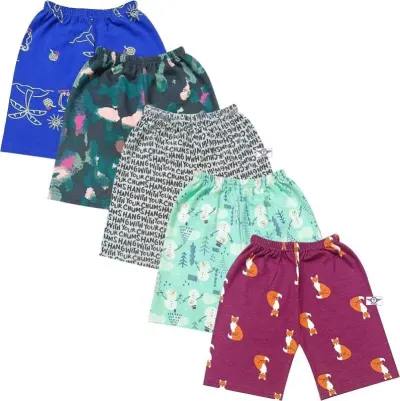
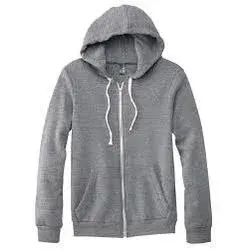
India, Bangalore Urban District in Karnataka, hosts Crepeon Textiles LLP with an active catalogue of 22 distinct products. The supplier lists items across the cotton apparel spectrum, including leggings (HS 6104.62), mens track pants (HS 6103.42), shorts (HS 6107.11), plain round‑neck T‑shirts for both men and women (HS 6109.10), tank tops (HS 6109.10), various slips and panties (HS 6108.22, 6108.92, 4808.90), men’s vests and gym vests (HS 6109.10, 6209.20), sweat shirts and hoodies (HS 6110.20), boxer shorts/bermudas (HS 6203.42), and children’s trunks and briefs (HS 6207.11). Each entry specifies cotton as the primary material, with a few blends such as 80 % cotton/20 % polyester for boxer shorts. The HS‑code families used span Chapter 61 (knitted or crocheted apparel) and Chapter 62 (non‑knitted apparel), reflecting the garment construction types offered.
The catalogue also includes specialised undergarments such as hipster boy shorts (HS 6208.91) and various elastic‑band panties (HS 4808.90). Additional items like vests with single or double cotton rib (HS 6109.10) and cotton‑lycra blends are listed, showing a focus on stretch‑enabled fabrics. All products are described as 100 % cotton or cotton‑based blends, aligning with typical mid‑segment textile specifications in the Indian market.
Product Range and Specialties of Crepeon Textiles LLP
Crepeon Textiles LLP provides a concrete set of cotton‑based garments ranging from casual wear (T‑shirts, sweatshirts, hoodies) to active‑wear pieces (track pants, leggings) and intimate apparel (slips, panties, briefs). The HS‑code allocation indicates knitted cotton constructions for most items (610x series) and non‑knitted cotton for certain shorts and hipster styles (6208‑6209 series). In the broader cotton apparel industry, buyers often look for fabric weights between 140 - 180 g/m² for T‑shirts, 200 - 250 g/m² for sweatshirts, and stretch fabrics with 5 - 10 % elastane for leggings. Standard tests include ISO 105‑C06 for colour fastness, ISO 9073‑2 for seam strength, and shrinkage limits of ≤ 3 % after washing. Typical certifications sought are Oeko‑Tex Standard 100 and ISO 9001 quality management, though the supplier’s own certifications are not listed.
Indian cotton garments frequently meet the ISO 105‑B02 (bleaching resistance) and comply with the EU REACH restrictions on azo dyes. Buyers importing to the United States and Europe commonly require compliance with the CPSIA for children’s wear and the US CPSC 16 CFR 1610 for flammability. The product mix of Crepeon aligns with these industry expectations, offering cotton‑lycra blends for stretch and cotton‑polyester blends for durability in boxer shorts.
Trade and Export Information - Crepeon Textiles LLP
India is a major exporter of cotton apparel, with the European Union, United States, Middle East and Southeast Asian markets absorbing the bulk of shipments. HS Chapter 61 items such as knitted T‑shirts (6109.10) and leggings (6104.62) are typically subject to customs scrutiny for fibre content declarations and country‑of‑origin marking under the WTO Agreement on Textiles. Exporters from Karnataka often ship in 40‑ft containers, packing garments in double‑wall cartons (typically 60 × 40 × 30 cm) with a total gross weight of 18 - 20 tonnes per container.
Commonly required certifications for Indian cotton garments include Oeko‑Tex Standard 100, GOTS (for organic cotton), and compliance with the EU Ecolabel for sustainable production. Importers usually request a Certificate of Origin, a Commercial Invoice, Packing List and a Material Safety Data Sheet when the product contains elastane or polyester blends. Incoterms such as FOB Bangalore or CIF Dubai are standard, with freight forwarding handled by major shipping lines serving the Indian west coast ports.
Sourcing from Crepeon Textiles LLP - Buyer Guidance
When sourcing from Crepeon Textiles LLP, buyers should request a detailed material composition certificate confirming 100 % cotton or the exact blend percentages for each SKU. Test reports for colour fastness (ISO 105‑C06), dimensional stability after laundering, and seam strength are typical documents that validate compliance with international standards.
Samples of the specific garment style, including size‑grade (e.g., S, M, L) and fabric weight, should be evaluated before confirming bulk orders. Verify that the supplier can provide Oeko‑Tex or other relevant third‑party certificates upon request, and confirm packaging details such as carton dimensions and inner poly‑bag usage to ensure safe transit. MOQ for most knitted items ranges from 500 pieces per colour, with lead times of 30 - 45 days from order confirmation, subject to fabric availability.
Frequently Asked Questions About Crepeon Textiles LLP
What types of garments does Crepeon Textiles LLP offer?
The catalogue includes cotton leggings, track pants, shorts, plain round‑neck T‑shirts, tank tops, slips, various panties, hipster shorts, sweat shirts, hoodies, boxer shorts/bermudas and children’s trunks, each identified with the appropriate HS code.
Which HS codes are used for the supplier’s products?
Products are classified under HS codes 6104.62, 6103.42, 6107.11, 6109.10, 6108.22, 6108.92, 4808.90, 6208.91, 6110.20, 6203.42, 6107.12, 6209.20, 6207.11 covering knitted and non‑knitted cotton apparel.
What material composition should buyers expect?
All listed items are made from 100 % cotton unless otherwise noted; a few products use an 80 % cotton/20 % polyester blend or cotton‑lycra mixes for stretch.
What certifications are typically required for these cotton garments?
Buyers usually request Oeko‑Tex Standard 100, ISO 9001 quality‑management certificates, and for organic claims, GOTS certification; the supplier can provide these upon request.
What is the typical minimum order quantity (MOQ) and lead time?
MOQs are generally around 500 pieces per colour and style, with lead times of 30‑45 days from order confirmation, depending on fabric availability.
How are the garments packaged for export?
Standard export packaging uses double‑wall cartons (approximately 60 × 40 × 30 cm) with inner poly‑bags for individual items; a 40‑ft container can hold roughly 18 - 20 tonnes of finished goods.
Which Incoterms are commonly used for shipments from this supplier?
Typical Incoterms include FOB Bangalore for buyers handling freight, or CIF to ports such as Dubai or Rotterdam when the supplier arranges shipping.
What documentation should be requested before shipment?
Buyers should obtain a Commercial Invoice, Packing List, Certificate of Origin, material composition certificate and any applicable test reports or third‑party certifications.





 Bangalore Urban District, India