Agriculture›
 Apparel and fashion accessories›
 Construction & real estate›💡Electronic & Electrical›🍎Food & Beverages›🛋️Home furnishing & supplies›⚗️Industrial goods & chemical›🪨Minerals & metals›📦Miscellaneous›Agriculture›Apparel and fashion accessories›Construction & real estate›💡Electronic & Electrical›🍎Food & Beverages›🛋️Home furnishing & supplies›⚗️Industrial goods & chemical›🪨Minerals & metals›📦Miscellaneous›
Green point Product Catalog


About Green point - Fresh Fruits Supplier in Egypt
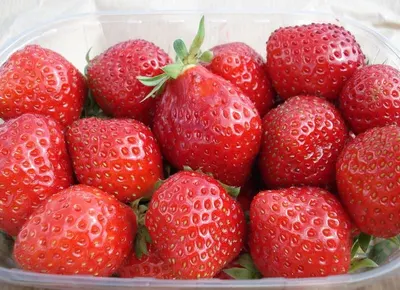
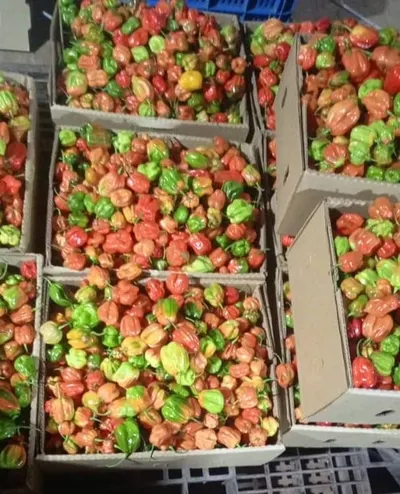
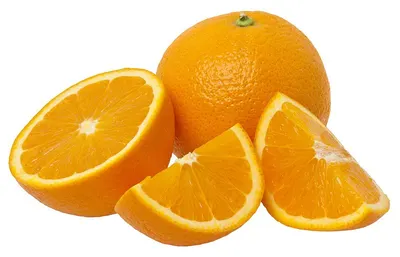
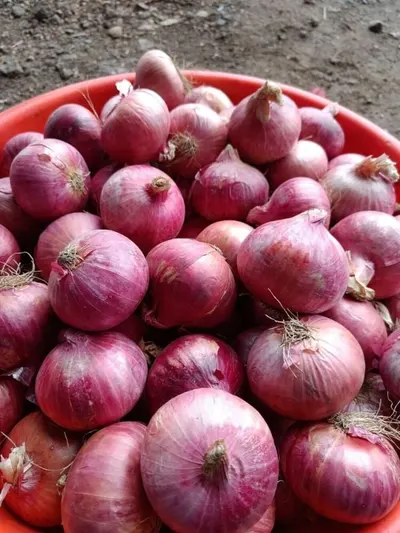
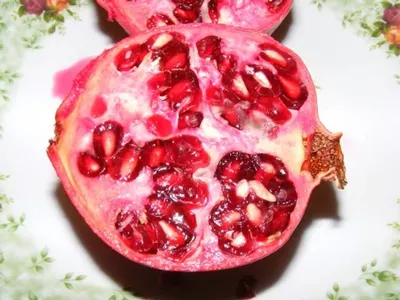
Green point is located in Tanta city, Egypt and currently lists eleven distinct fresh‑produce items in its catalogue. The active product count of 11 includes a mix of fresh fruits and vegetables such as pomegranate, orange varieties, lemon, capsicum, garlic, strawberry and dehydrated onion. Each entry references the relevant HS‑code family, for example HS 0810 for fresh whole pomegranate and HS 0805 for oranges. The supplier identifies itself as an organic tier exporter, indicating a focus on non‑synthetic production methods. The catalogue groups products under broader categories like Fresh Fruits, Other Fresh Fruits and Fresh Capsicum, reflecting a diversified fruit and veg portfolio.
The listed products use precise material descriptions: fresh whole pomegranate fruit (HS 0810.90), dehydrated onion (HS 0712.20), and citrus sinensis orange (HS 0805.10). Additional items such as lemon, red onion, fresh garlic, fresh strawberry and Valencia orange are presented without HS codes in the source data. The presence of both fresh and frozen forms, as shown by “Frozen Pomegranate,” illustrates handling of perishable goods across cold‑chain logistics. The catalogue’s structure follows standard international trade classification, enabling buyers to locate the appropriate tariff lines quickly.
Product Range and Specialties of Green point
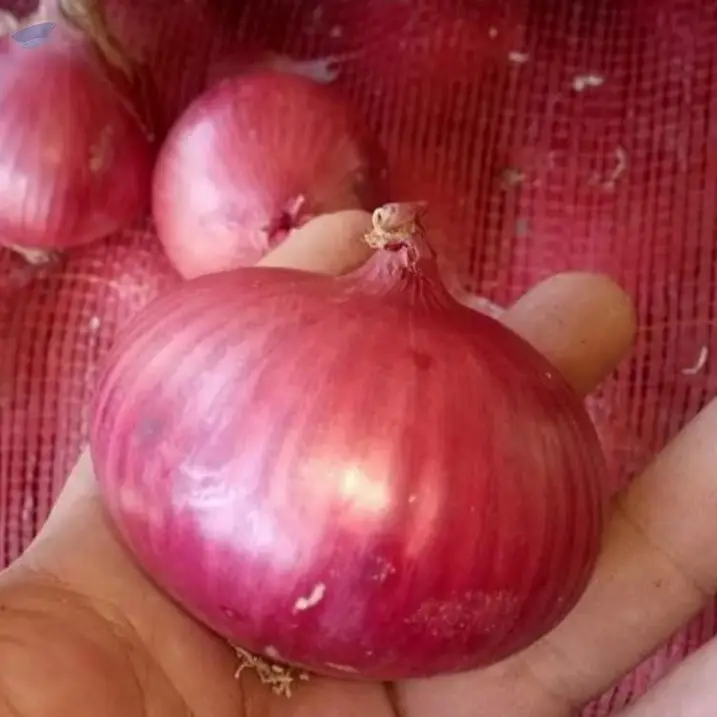
Green point’s catalogue enumerates eleven products: Fresh Egyptian Pomegranate (HS 0810.90), Fresh Egyptian Onion (HS 0712.20), Fresh Orange (HS 0805.10), Orange, Lemon, Red onion, Fresh Pomegranate, Fresh Egyptian Garlic, Fresh Strawberry, Fresh Capsicum and Fresh Valencia Orange. In the fresh‑fruit sector, buyers typically encounter grades such as ICUMSA 45 for sugar content in citrus, size classifications (e.g., 70‑80 mm diameter for export oranges), and moisture limits below 85 % for strawberries. Dehydrated onions are usually sold with a moisture content under 10 % and a uniform particle size of 2 - 5 mm. Capsicum varieties are graded by colour uniformity and length, often 10‑12 cm for export packs. Egyptian produce commonly meets EU phytosanitary standards and can be packed in 20 kg cardboard boxes or bulk 40 ft containers with ventilated liners.
Frequently Asked Questions About Green point
What fresh fruit products does Green point list in its catalogue?
The catalogue includes Fresh Egyptian Pomegranate, Fresh Egyptian Onion, Fresh Orange, Orange, Lemon, Red onion, Fresh Pomegranate, Fresh Egyptian Garlic, Fresh Strawberry, Fresh Capsicum and Fresh Valencia Orange.
What certifications should a buyer request from Green point?
Buyers should ask for a GlobalGAP audit report, an ISO 22000 food safety certificate and the mandatory phytosanitary certificate for each shipment, as these are standard for Egyptian fresh produce exports.
Which HS codes are associated with the listed products?
Fresh Egyptian Pomegranate uses HS 0810.90, Fresh Egyptian Onion uses HS 0712.20, and Fresh Orange uses HS 0805.10. Other items such as Lemon or Capsicum are classified under the same chapter families (0805 for citrus, 0708 for capsicum) but specific sub‑codes were not provided.
What are typical packaging formats for the fresh fruits?
Citrus fruits are commonly packed in 20 kg cardboard cartons stacked on Euro‑pallets, while berries and strawberries are placed in insulated 10 kg trays. Bulk shipments are usually loaded in 40 ft refrigerated containers with temperature control between 0‑4 °C.
What minimum order quantities and lead times are expected?
Minimum order quantities generally start at 15 metric tons for capsicum and 30 metric tons for oranges, with a production and preparation lead time of 30‑45 days before the cargo is ready for export.

 Egypt
Related Suppliers & Products
Explore similar suppliers, related products and trending categories
.jpg.png)