Argos Fruit — Verified Supplier

About Argos Fruit - Fresh Produce Supplier in Turkey

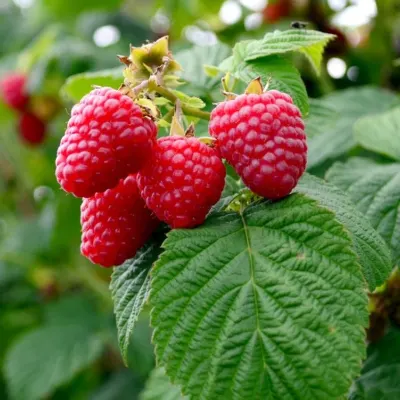
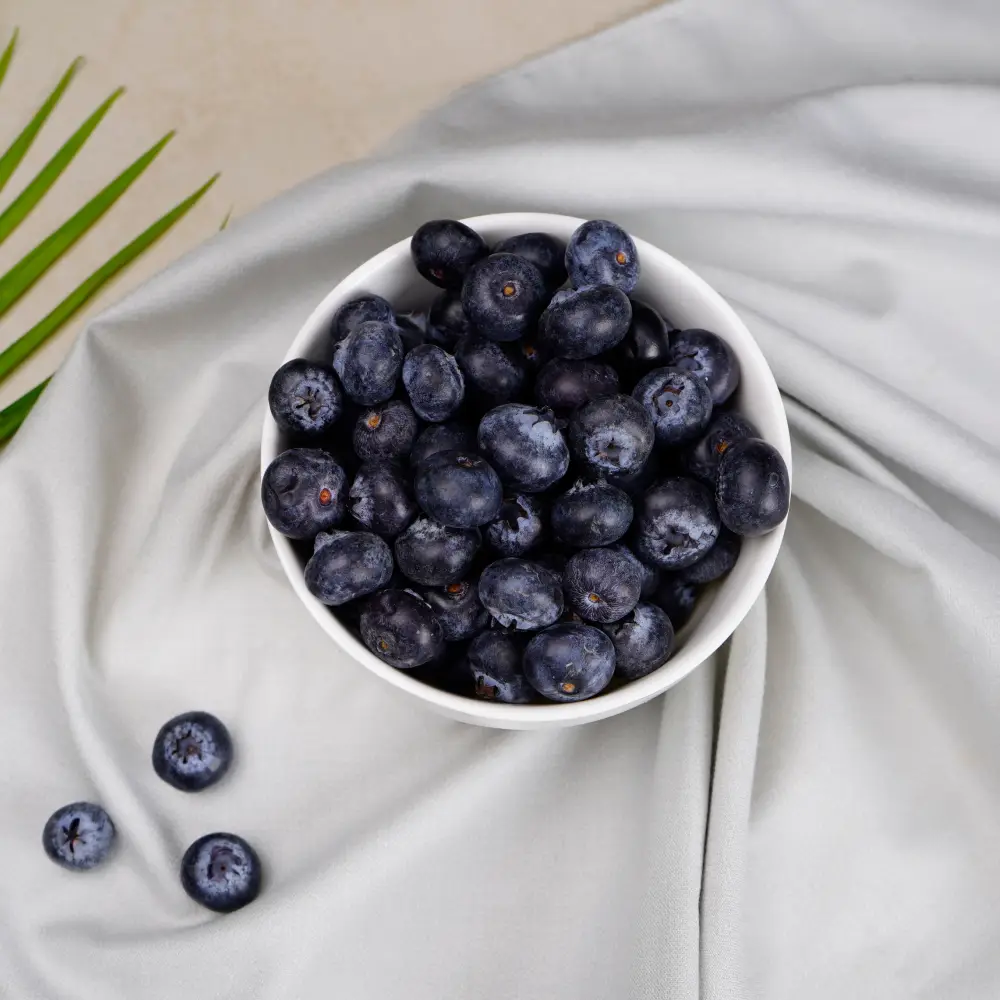
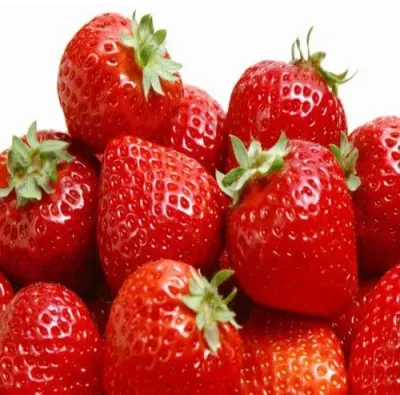
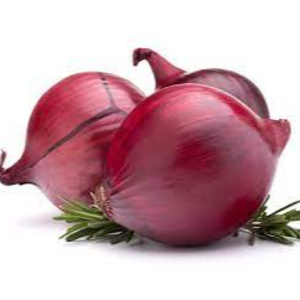
Turkey, in the Bursa region, hosts the cold storage facility that supports Argos Fruit’s nine listed fresh‑produce items. The catalogue includes Yellow Onion, Red Onion, Watermelon, Strawberry, Blueberry, Raspberry, Capia Pepper, Pear and Peach, which fall under the HS 07 vegetable family for onions and capsicum and the HS 08 fruit family for watermelon, berries and stone fruit.

Logistics rely on land trucks for European deliveries, 40‑HC containers for global sea shipments and occasional air cargo for time‑sensitive fruit. The cold storage near Bursa enables temperature‑controlled handling before export, maintaining product freshness across the supply chain.

Product Range and Specialties of Argos Fruit

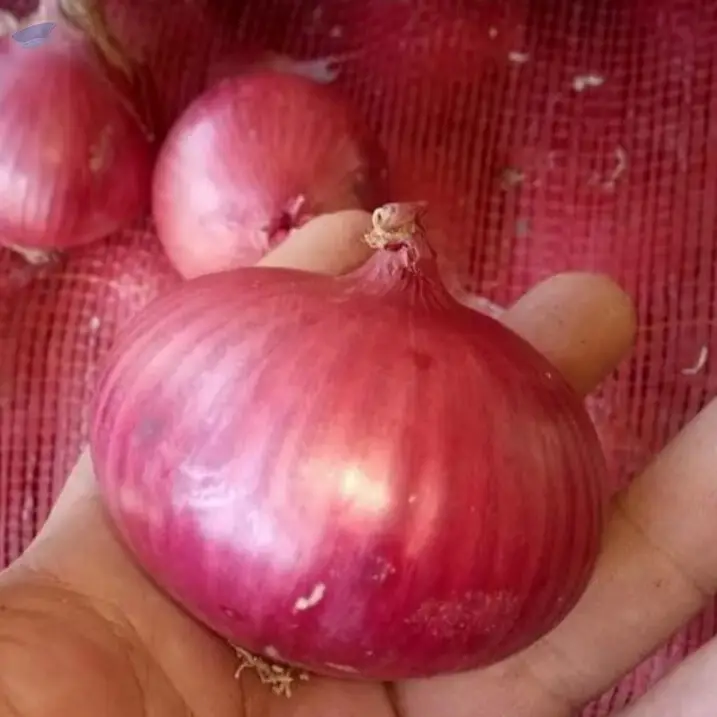
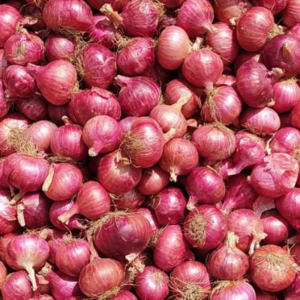
The product list covers two onion varieties, a large‑fruit watermelon, three small‑berry types, a capsicum (Capia Pepper), and two stone fruits. In the fresh‑produce market, yellow and red onions are typically graded by size (60‑80 mm diameter) and moisture content below 10 %. Watermelon exported from Turkey usually meets a Brix level of 10‑12 % and a firmness that allows handling in refrigerated containers. Strawberries, blueberries and raspberries are commonly packed in 250 g clamshells or bulk 5 kg cartons, with a recommended shelf life of 5‑7 days at 0‑2 °C. Capsicum grades focus on length (8‑12 cm), wall thickness and a firmness index above 30 N. Pears and peaches are sorted by size (150‑180 mm diameter) and firmness measured by a penetrometer reading of 30‑45 N, with a typical post‑harvest storage temperature of 0‑1 °C.

Trade and Export Information - Argos Fruit

Turkey ranks among the top exporters of fresh vegetables and fruit to the European Union, the Middle East and North Africa. HS chapter 07 covers the onion and capsicum entries (e.g., 0703 for onions, 0704 for capsicum) while chapter 08 includes watermelon (0803), berries (0810) and stone fruits such as pears and peaches (0808). Importers usually request phytosanitary certificates, GlobalGAP audit reports and, where required, BRC Food Safety certifications. Shipping is performed in refrigerated 40‑foot high‑cube containers set at 0‑4 °C for most items; berries and delicate stone fruit are often moved by air freight in insulated pallets to preserve quality during longer distances.

European buyers must comply with EU pesticide residue limits (MRLs) and maximum moisture specifications that differ by commodity. Customs documentation typically includes the HS code, origin certificate, and a sanitary certificate. Packaging standards favour recyclable corrugated boxes for bulk items and biodegradable trays for berries, with clear labeling of net weight, country of origin and batch number. Incoterms such as FOB or CIF are common in Turkish fresh‑produce contracts, allowing buyers to manage freight and insurance according to their logistics strategy.

Sourcing from Argos Fruit - Buyer Guidance

When sourcing from Argos Fruit, request a detailed product specification sheet that lists size, weight, Brix, moisture and firmness values for each lot. Obtain a recent phytosanitary certificate and, if available, a GlobalGAP audit report to verify compliance with food‑safety standards. Request a pre‑shipment sample to test for pesticide residues and confirm that the cold‑chain temperature profile matches the buyer’s storage conditions.

Frequently Asked Questions About Argos Fruit

What fresh‑produce items does Argos Fruit list in its catalogue?

The catalogue contains Yellow Onion, Red Onion, Watermelon, Strawberry, Blueberry, Raspberry, Capia Pepper, Pear and Peach, totaling nine distinct products.

Which HS code families apply to these products?

Onions and capsicum fall under HS chapter 07, while Watermelon, berries, Pear and Peach are classified in HS chapter 08.

What certifications should a buyer request from Argos Fruit?

Buyers should ask for a phytosanitary certificate and, where possible, GlobalGAP or BRC Food Safety audit reports, as these are standard for fresh produce imports.

What are typical minimum order quantities and lead times?

Minimum order quantities vary by product; onions and capsicum are often ordered in 20‑tonne containers, while berries may start at 5 tonnes. Lead times range from 10 days for air‑freight berries to 25 days for sea‑freight containers.

How are the products packaged for export?

Onions and capsicum are packed in ventilated 1‑tonne bulk bags, watermelons are loaded whole in refrigerated containers, and berries are placed in 250 g clamshells or 5 kg bulk cartons within insulated pallets.

Which markets does Argos Fruit primarily serve?

The supplier ships mainly to European Union countries via land trucks, and to global destinations using 40‑HC sea containers or air cargo, reflecting a broad export footprint.

What quality parameters are typical for the listed berries?

Berries are evaluated for size (average 8‑12 mm diameter), firmness, a maximum moisture content of 85 %, and a shelf life of 5‑7 days at 0‑2 °C.

How can a buyer arrange a sample?

A buyer can request a sample by contacting the supplier’s sales team, specifying the product, desired quantity and preferred shipping method; the sample will be sent with accompanying quality certificates.


Other Suppliers in Fresh Onion

Top Trusted Suppliers

Related Products in Fresh Onion

Trending in Parent Category

More Suppliers in Parent Category

Related Products

Other Suppliers

EximNext
58.4K+ live requirements
Register Free🎁 5 free buy-lead credits
Post Requirement
🌍 Trusted by 224.4K+ businesses in 200+ countries|
58.4K+ active requirements right now
✉️ [email protected]
|
Sell on EximNextPost Requirement
EximNext
AgricultureApparelConstructionElectronicFoodHomeIndustrialMineralsMiscellaneous
🔥 Deals|✨ AI Match|🏭 Suppliers|📋 Buy Leads|💰 Trade Finance|⭐ Upgrade
58.4K+ live RFQs·194.4K+ suppliers
🎁 5 free credits →
EximNext
EximNext
Register Free
🎁 5 free buy-lead credits
Sign In
📋Post Requirement💬Get QuotesAI Match📋RFQ Marketplace
All Categories
Services & Tools
🏭Supplier Directory🔥Today's Deals💰Trade FinanceMembership
Sell on EximNext
AboutContactBlogHelp
🏭

Argos Fruit

Harbor
Country flag , Turkey
🛡️
80/100
Trust Score

Argos Fruit Product Catalog

Showing 9 of 9 products
View all products →
Peach
Harbor
Peach
Contact
MOQ: 1 Unit
Pear
Harbor
Pear
Contact
MOQ: 1 Unit
Capia Pepper
Harbor
Capia Pepper
Contact
MOQ: 1 Unit
Raspberry
Harbor
Raspberry
Contact
MOQ: 1 Unit
Blueberry
Harbor
Blueberry
Contact
MOQ: 1 Unit
Strawberry
Harbor
Strawberry
Contact
MOQ: 1 Unit
Watermelon
Harbor
Watermelon
Contact
MOQ: 1 Unit
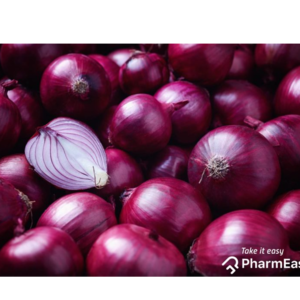
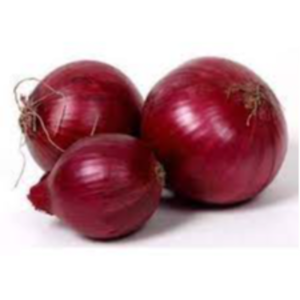
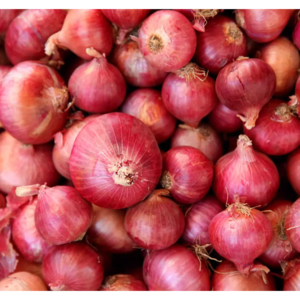
Red Onion
Harbor
Red Onion
Contact
MOQ: 1 Unit
Yellow Onion
Harbor
Yellow Onion
Contact
MOQ: 1 Unit

About Argos Fruit - Fresh Produce Supplier in Turkey

Turkey, in the Bursa region, hosts the cold storage facility that supports Argos Fruit’s nine listed fresh‑produce items. The catalogue includes Yellow Onion, Red Onion, Watermelon, Strawberry, Blueberry, Raspberry, Capia Pepper, Pear and Peach, which fall under the HS 07 vegetable family for onions and capsicum and the HS 08 fruit family for watermelon, berries and stone fruit.

Logistics rely on land trucks for European deliveries, 40‑HC containers for global sea shipments and occasional air cargo for time‑sensitive fruit. The cold storage near Bursa enables temperature‑controlled handling before export, maintaining product freshness across the supply chain.

Product Range and Specialties of Argos Fruit

The product list covers two onion varieties, a large‑fruit watermelon, three small‑berry types, a capsicum (Capia Pepper), and two stone fruits. In the fresh‑produce market, yellow and red onions are typically graded by size (60‑80 mm diameter) and moisture content below 10 %. Watermelon exported from Turkey usually meets a Brix level of 10‑12 % and a firmness that allows handling in refrigerated containers. Strawberries, blueberries and raspberries are commonly packed in 250 g clamshells or bulk 5 kg cartons, with a recommended shelf life of 5‑7 days at 0‑2 °C. Capsicum grades focus on length (8‑12 cm), wall thickness and a firmness index above 30 N. Pears and peaches are sorted by size (150‑180 mm diameter) and firmness measured by a penetrometer reading of 30‑45 N, with a typical post‑harvest storage temperature of 0‑1 °C.

Trade and Export Information - Argos Fruit

Turkey ranks among the top exporters of fresh vegetables and fruit to the European Union, the Middle East and North Africa. HS chapter 07 covers the onion and capsicum entries (e.g., 0703 for onions, 0704 for capsicum) while chapter 08 includes watermelon (0803), berries (0810) and stone fruits such as pears and peaches (0808). Importers usually request phytosanitary certificates, GlobalGAP audit reports and, where required, BRC Food Safety certifications. Shipping is performed in refrigerated 40‑foot high‑cube containers set at 0‑4 °C for most items; berries and delicate stone fruit are often moved by air freight in insulated pallets to preserve quality during longer distances.

European buyers must comply with EU pesticide residue limits (MRLs) and maximum moisture specifications that differ by commodity. Customs documentation typically includes the HS code, origin certificate, and a sanitary certificate. Packaging standards favour recyclable corrugated boxes for bulk items and biodegradable trays for berries, with clear labeling of net weight, country of origin and batch number. Incoterms such as FOB or CIF are common in Turkish fresh‑produce contracts, allowing buyers to manage freight and insurance according to their logistics strategy.

Sourcing from Argos Fruit - Buyer Guidance

When sourcing from Argos Fruit, request a detailed product specification sheet that lists size, weight, Brix, moisture and firmness values for each lot. Obtain a recent phytosanitary certificate and, if available, a GlobalGAP audit report to verify compliance with food‑safety standards. Request a pre‑shipment sample to test for pesticide residues and confirm that the cold‑chain temperature profile matches the buyer’s storage conditions.

Frequently Asked Questions About Argos Fruit

What fresh‑produce items does Argos Fruit list in its catalogue?

The catalogue contains Yellow Onion, Red Onion, Watermelon, Strawberry, Blueberry, Raspberry, Capia Pepper, Pear and Peach, totaling nine distinct products.

Which HS code families apply to these products?

Onions and capsicum fall under HS chapter 07, while Watermelon, berries, Pear and Peach are classified in HS chapter 08.

What certifications should a buyer request from Argos Fruit?

Buyers should ask for a phytosanitary certificate and, where possible, GlobalGAP or BRC Food Safety audit reports, as these are standard for fresh produce imports.

What are typical minimum order quantities and lead times?

Minimum order quantities vary by product; onions and capsicum are often ordered in 20‑tonne containers, while berries may start at 5 tonnes. Lead times range from 10 days for air‑freight berries to 25 days for sea‑freight containers.

How are the products packaged for export?

Onions and capsicum are packed in ventilated 1‑tonne bulk bags, watermelons are loaded whole in refrigerated containers, and berries are placed in 250 g clamshells or 5 kg bulk cartons within insulated pallets.

Which markets does Argos Fruit primarily serve?

The supplier ships mainly to European Union countries via land trucks, and to global destinations using 40‑HC sea containers or air cargo, reflecting a broad export footprint.

What quality parameters are typical for the listed berries?

Berries are evaluated for size (average 8‑12 mm diameter), firmness, a maximum moisture content of 85 %, and a shelf life of 5‑7 days at 0‑2 °C.

How can a buyer arrange a sample?

A buyer can request a sample by contacting the supplier’s sales team, specifying the product, desired quantity and preferred shipping method; the sample will be sent with accompanying quality certificates.

About Argos Fruit - Fresh Produce Supplier in Turkey

Turkey, in the Bursa region, hosts the cold storage facility that supports Argos Fruit’s nine listed fresh‑produce items. The catalogue includes Yellow Onion, Red Onion, Watermelon, Strawberry, Blueberry, Raspberry, Capia Pepper, Pear and Peach, which fall under the HS 07 vegetable family for onions and capsicum and the HS 08 fruit family for watermelon, berries and stone fruit.

Logistics rely on land trucks for European deliveries, 40‑HC containers for global sea shipments and occasional air cargo for time‑sensitive fruit. The cold storage near Bursa enables temperature‑controlled handling before export, maintaining product freshness across the supply chain.

Product Range and Specialties of Argos Fruit

The product list covers two onion varieties, a large‑fruit watermelon, three small‑berry types, a capsicum (Capia Pepper), and two stone fruits. In the fresh‑produce market, yellow and red onions are typically graded by size (60‑80 mm diameter) and moisture content below 10 %. Watermelon exported from Turkey usually meets a Brix level of 10‑12 % and a firmness that allows handling in refrigerated containers. Strawberries, blueberries and raspberries are commonly packed in 250 g clamshells or bulk 5 kg cartons, with a recommended shelf life of 5‑7 days at 0‑2 °C. Capsicum grades focus on length (8‑12 cm), wall thickness and a firmness index above 30 N. Pears and peaches are sorted by size (150‑180 mm diameter) and firmness measured by a penetrometer reading of 30‑45 N, with a typical post‑harvest storage temperature of 0‑1 °C.

Trade and Export Information - Argos Fruit

Turkey ranks among the top exporters of fresh vegetables and fruit to the European Union, the Middle East and North Africa. HS chapter 07 covers the onion and capsicum entries (e.g., 0703 for onions, 0704 for capsicum) while chapter 08 includes watermelon (0803), berries (0810) and stone fruits such as pears and peaches (0808). Importers usually request phytosanitary certificates, GlobalGAP audit reports and, where required, BRC Food Safety certifications. Shipping is performed in refrigerated 40‑foot high‑cube containers set at 0‑4 °C for most items; berries and delicate stone fruit are often moved by air freight in insulated pallets to preserve quality during longer distances.

European buyers must comply with EU pesticide residue limits (MRLs) and maximum moisture specifications that differ by commodity. Customs documentation typically includes the HS code, origin certificate, and a sanitary certificate. Packaging standards favour recyclable corrugated boxes for bulk items and biodegradable trays for berries, with clear labeling of net weight, country of origin and batch number. Incoterms such as FOB or CIF are common in Turkish fresh‑produce contracts, allowing buyers to manage freight and insurance according to their logistics strategy.

Sourcing from Argos Fruit - Buyer Guidance

When sourcing from Argos Fruit, request a detailed product specification sheet that lists size, weight, Brix, moisture and firmness values for each lot. Obtain a recent phytosanitary certificate and, if available, a GlobalGAP audit report to verify compliance with food‑safety standards. Request a pre‑shipment sample to test for pesticide residues and confirm that the cold‑chain temperature profile matches the buyer’s storage conditions.

Frequently Asked Questions About Argos Fruit
What fresh‑produce items does Argos Fruit list in its catalogue?
The catalogue contains Yellow Onion, Red Onion, Watermelon, Strawberry, Blueberry, Raspberry, Capia Pepper, Pear and Peach, totaling nine distinct products.
Which HS code families apply to these products?
Onions and capsicum fall under HS chapter 07, while Watermelon, berries, Pear and Peach are classified in HS chapter 08.
What certifications should a buyer request from Argos Fruit?
Buyers should ask for a phytosanitary certificate and, where possible, GlobalGAP or BRC Food Safety audit reports, as these are standard for fresh produce imports.
What are typical minimum order quantities and lead times?
Minimum order quantities vary by product; onions and capsicum are often ordered in 20‑tonne containers, while berries may start at 5 tonnes. Lead times range from 10 days for air‑freight berries to 25 days for sea‑freight containers.
How are the products packaged for export?
Onions and capsicum are packed in ventilated 1‑tonne bulk bags, watermelons are loaded whole in refrigerated containers, and berries are placed in 250 g clamshells or 5 kg bulk cartons within insulated pallets.
Which markets does Argos Fruit primarily serve?
The supplier ships mainly to European Union countries via land trucks, and to global destinations using 40‑HC sea containers or air cargo, reflecting a broad export footprint.
What quality parameters are typical for the listed berries?
Berries are evaluated for size (average 8‑12 mm diameter), firmness, a maximum moisture content of 85 %, and a shelf life of 5‑7 days at 0‑2 °C.
How can a buyer arrange a sample?
A buyer can request a sample by contacting the supplier’s sales team, specifying the product, desired quantity and preferred shipping method; the sample will be sent with accompanying quality certificates.

🏭
Argos Fruit
Country flag , Turkey
Harbor
80/100
Trust Score
📦
9
Products
Free to contact — no commission
Escrow payment available
Verified business identity
Compare more suppliers
Post a requirement — get 10 quotes free
Let verified suppliers compete for your business. Free, fast, no commitment.
EximNext Verified Supplier
Business identity verified
Physical address confirmed
Financial history checked
Certifications authenticated
Trade references validated
Due Diligence
Verify this supplier's real shipping history.
Every shipment, every buyer, every port. Trade data that can't be faked.
Run due diligence →
Discover More

Related Suppliers & Products

Explore similar suppliers, related products and trending categories

Other Suppliers in Fresh Onion

Top Trusted Suppliers

Related Products in Fresh Onion

Trending in Parent Category

More Suppliers in Parent Category

Stay ahead in global trade
Weekly market insights & new supplier alerts.
EximNext
Exim Next is a leading global B2B marketplace, connecting over 205,000 verified suppliers and buyers across 200+ countries. As a trusted import export marketplace, it serves as the essential B2B portal for businesses worldwide, empowering them to expand their international reach. With Exim Next, businesses can trade smarter and grow faster.
SECURE PAYMENTS
VISAMastercardPayPalSWIFTL/CEscrow
Follow us
© 2026 EximNext