Green Hub — Supplier
About Green Hub - Tea Supplier in India
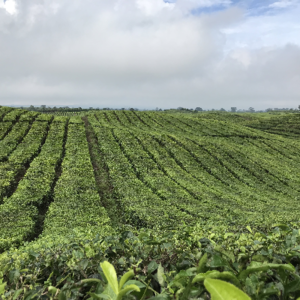
India, in the state of Assam, city Nagaon, hosts the supplier Green Hub which currently lists five active tea products. The catalogue focuses on Assam-origin teas, covering both black and green processing methods derived from Camellia sinensis var. assamica and Camellia sinensis. Each product is classified under the HS‑2 chapters for tea, with black‑tea items recorded under HS code 0902.40 and the green‑tea item under HS code 0902.20. The supplier’s top categories are recorded as Black Tea, Assam Tea and general Tea, reflecting a concentration on the region’s traditional leaf varieties. The product list includes both leaf‑form and powder‑form items, indicating capability to supply bulk and specialty formats.
Product Range and Specialties of Green Hub
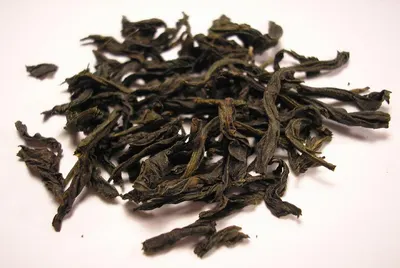
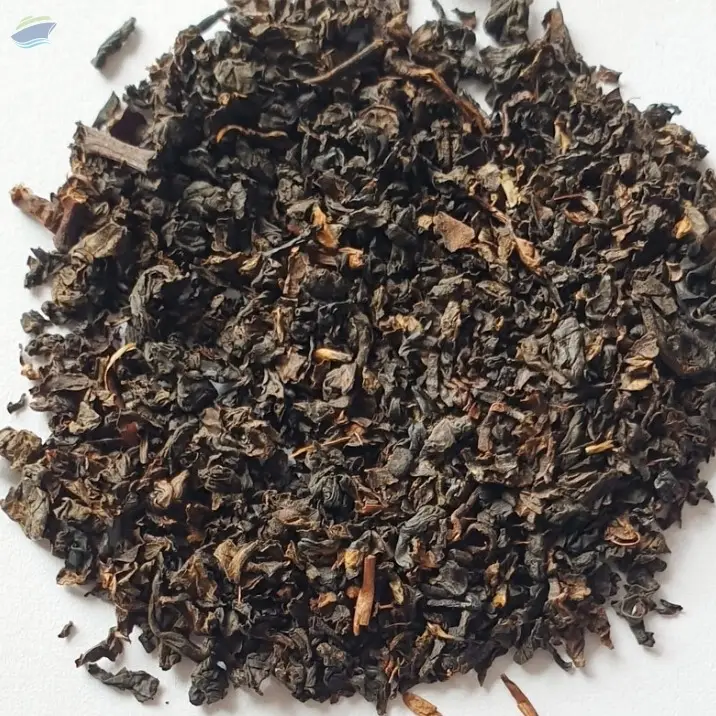
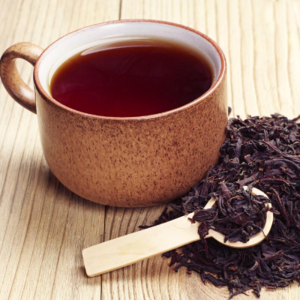
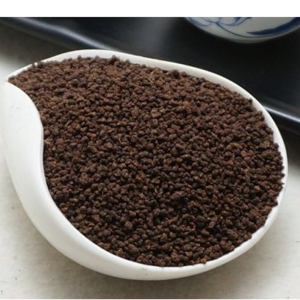
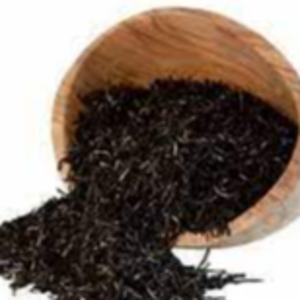
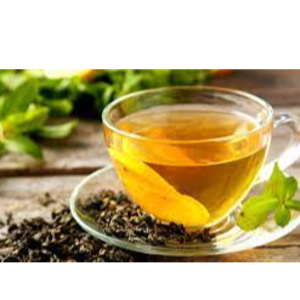
Green Hub’s catalogue comprises Assam Black Tea (HS 0902.40, black tea leaves), Assam Green Tea (HS 0902.20, dried green tea leaves), Assam orthodox Tea leaf (no HS code provided), Black Tea Dust powder (HS 0902.40, fermented black tea leaves) and BLACK TEA BOPSM (HS 0902.40, black tea var. assamica). In the Indian tea trade, black‑tea grades such as FT (Flowery Orange Pekoe), BOP (Broken Orange Pekoe) and dust are standard specifications, with dust typically used for tea‑bag blends. Green‑tea from Assam is often graded by leaf size (e.g., whole leaf, fannings) and moisture content, usually not exceeding 5 %. Bulk tea powders like dust are commonly packed in 25 kg or 50 kg jute sacks for export. Buyers also encounter orthodox leaf teas that retain whole‑leaf integrity and are priced according to leaf grade and flush timing.
Trade and Export Information - Green Hub
India is the world’s second‑largest tea exporter, and Assam teas are regularly shipped to the Middle East, Europe, North America and East Africa. HS code 0902.40 covers fermented black teas, while 0902.20 covers non‑fermented green teas; customs authorities in importing countries often require a phytosanitary certificate and a certificate of origin for these codes. Commonly requested certifications include ISO 22000 food‑safety management, HACCP compliance, and where applicable organic or Fairtrade documentation. Export shipments are typically loaded in 20‑ft or 40‑ft containers with bulk tea packed in jute or polypropylene bags, and freight terms such as FOB or CIF are standard. Indian tea exporters must also adhere to residual pesticide limits set by the importing market, which are verified through laboratory test reports prior to shipment.
Sourcing from Green Hub - Buyer Guidance
When sourcing from Green Hub, buyers should request a sample batch that specifies leaf grade, moisture level and dust percentage before confirming larger volumes. It is advisable to obtain a recent phytosanitary certificate, a certificate of origin and any applicable ISO 22000 or HACCP audit reports to verify compliance with food‑safety standards. Buyers must also verify that pesticide residue analyses meet the limits of the target market, and that the packaging material (e.g., jute sack weight) matches the agreed specifications. Clarifying the HS code for each product ensures correct tariff treatment and smooth customs clearance. Confirming lead time, minimum order quantity and shipping terms in writing reduces the risk of logistical delays.
Frequently Asked Questions About Green Hub
What tea products does Green Hub list in its catalogue?
Green Hub lists five tea products: Assam Black Tea, Assam Green Tea, Assam orthodox Tea leaf, Black Tea Dust powder and BLACK TEA BOPSM, with HS codes 0902.40 for the black‑tea items and 0902.20 for the green‑tea item.
Which HS codes apply to the products offered by Green Hub?
The black‑tea items (Assam Black Tea, Black Tea Dust powder, BLACK TEA BOPSM) use HS code 0902.40, while Assam Green Tea uses HS code 0902.20. The orthodox leaf tea has no HS code provided in the catalogue.
What typical grades or specifications should a buyer expect for Assam black tea?
Assam black tea is commonly graded as FT (Flowery Orange Pekoe), BOP (Broken Orange Pekoe) or dust, with moisture content usually below 5 % and leaf size measured in millimetres for whole‑leaf grades.
What certifications are normally required for importing Indian tea?
Importers usually request a phytosanitary certificate, a certificate of origin, and food‑safety certifications such as ISO 22000 or HACCP. Organic or Fairtrade certificates are required only if the buyer specifies those attributes.
What is the typical minimum order quantity and packaging for bulk tea shipments?
Bulk tea is frequently shipped in 20 kg or 50 kg jute sacks, with a common minimum order ranging from 500 kg to 1 metric ton depending on the product grade and buyer agreement.
How long does it take to receive a sample and then a full order from Green Hub?
Sample preparation and dispatch usually requires 7‑10 days, while full production and shipment of a confirmed order generally takes 30‑45 days, subject to seasonal harvest timing and container availability.
Which markets typically import Assam tea and what logistics are used?
Assam tea is exported mainly to the Middle East, the European Union, the United States and East African countries, using standard container freight on terms such as FOB or CIF, with customs clearance based on the 0902 HS chapters.
What documentation should a buyer request before finalising a purchase?
Buyers should ask for a phytosanitary certificate, certificate of origin, recent ISO 22000/HACCP audit report, pesticide residue test results and the product specification sheet that lists grade, moisture and packaging details.




 Nagaon, India