Gc Spices — Supplier
About Gc Spices - Spices Supplier in Sri Lanka
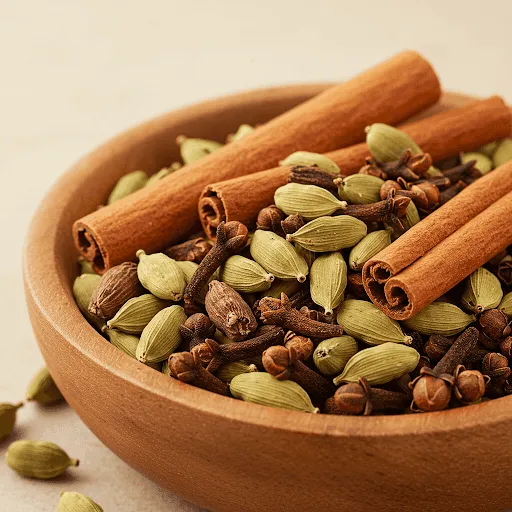
Sri Lanka’s spice sector includes a catalogue of 16 distinct products offered by Gc Spices. The list comprises four grades of Ceylon cinnamon (ALBA, C, H, M), cinnamon quillings, cinnamon powder, cinnamon essential oil, both Ceylon black and white pepper, generic black pepper, Ceylon cloves, Ceylon nutmeg and mace, Ceylon vanilla, Ceylon cardamom, and Ceylon mace. These items fall under the HS‑code families for spices: HS 0901 (cinnamon), HS 0902 (pepper), HS 0905 (vanilla), HS 0906 (cardamom), HS 0907 (nutmeg, mace), and HS 0909 (cloves).
The supplier’s catalogue reflects the typical product segmentation used by Sri Lankan exporters, separating whole spices, ground forms, and essential‑oil extracts. Each cinnamon grade corresponds to leaf diameter and oil content, while pepper entries differentiate by colour and moisture level. The inclusion of both whole and powdered forms, as well as essential‑oil variants, matches the common export mix that serves food‑manufacturing, confectionery, and fragrance industries worldwide.
Product Range and Specialties of Gc Spices
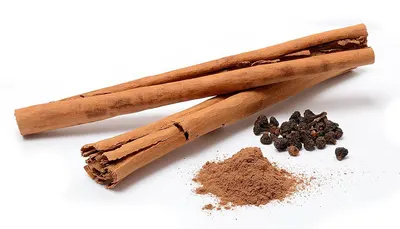
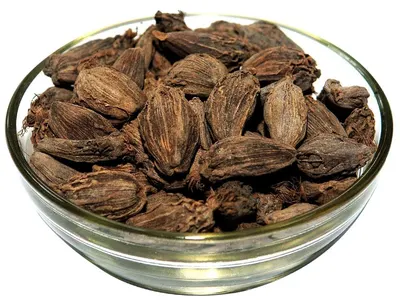
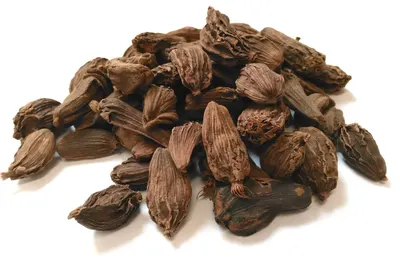
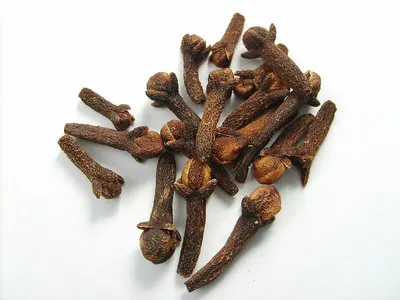
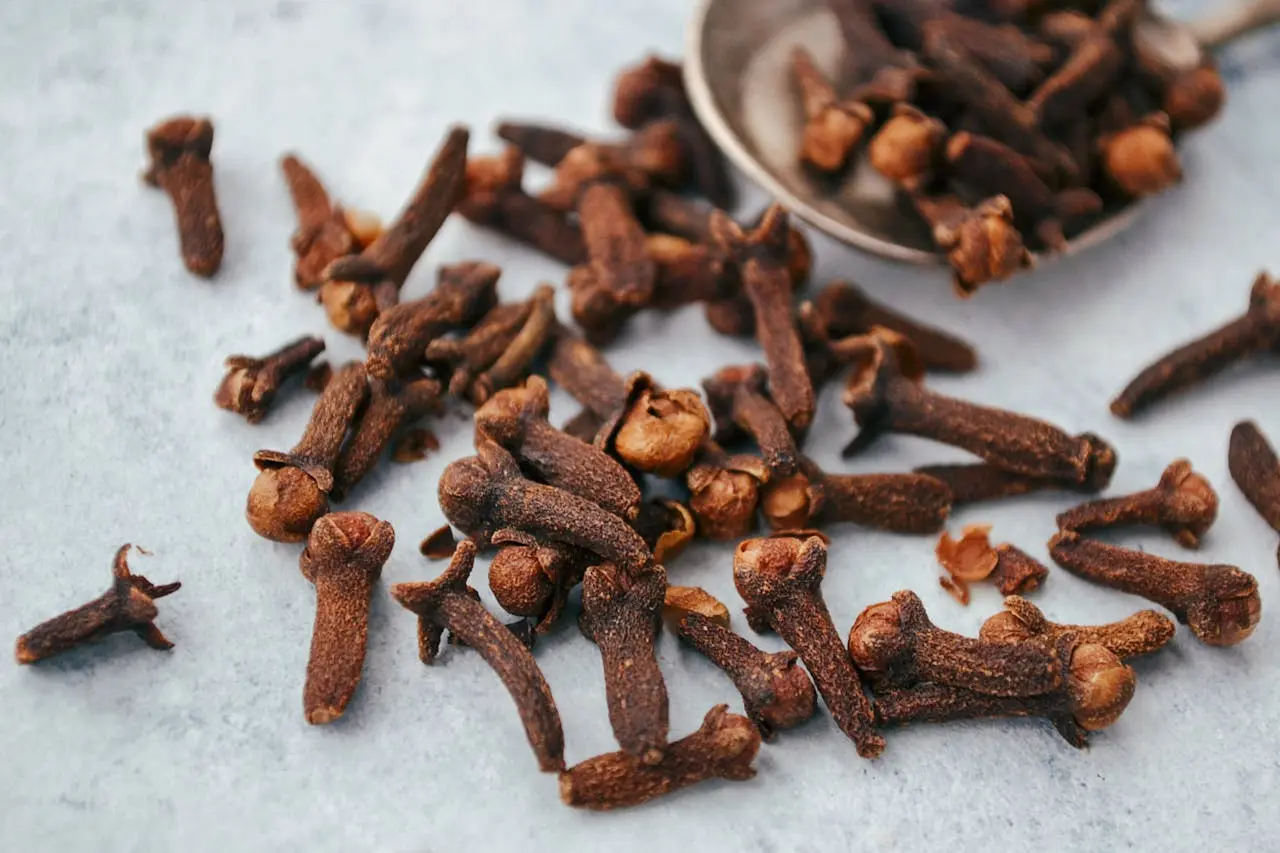
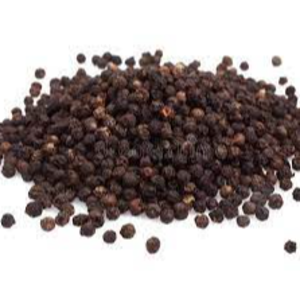
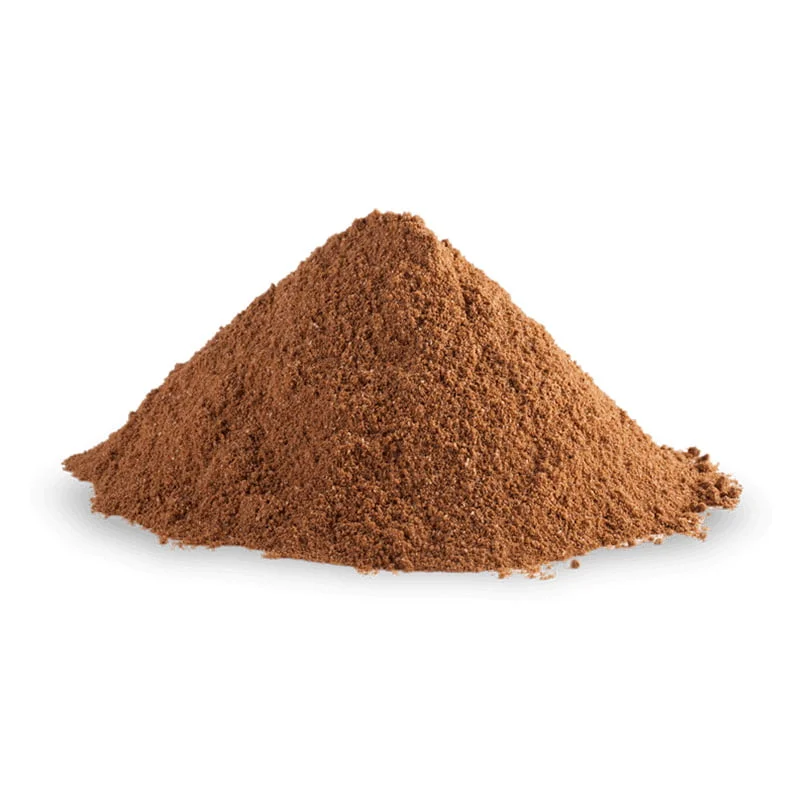
Gc Spices provides four recognised Ceylon cinnamon grades: ALBA (large quills, >12 mm diameter, oil ≥ 1.5 %), C (10‑12 mm, oil ≈ 1.3 %), H (8‑10 mm, oil ≈ 1.0 %), and M (6‑8 mm, oil ≈ 0.8 %). In addition the catalogue lists cinnamon quillings (cut pieces), fine cinnamon powder (particle size <250 µm) and cinnamon oil (typically 35 % cinnamaldehyde). Pepper products follow standard specifications: Ceylon black pepper with size 4‑6 mm, moisture ≤12 %, and Ceylon white pepper with similar size but lighter colour. Cloves are offered as whole buds (grade A, moisture ≤8 %). Nutmeg and mace appear together, with nutmeg kernels sized 5‑8 mm and mace covering the aril, both requiring oil content ≥5 %. Vanilla beans are listed without grade but are generally cured to a moisture of 22‑27 %. Cardamom is supplied as whole pods (diameter 5‑7 mm, essential‑oil content 5‑7 %).
Trade and Export Information - Gc Spices
Sri Lanka is a long‑standing exporter of Ceylon spices, with the European Union, the United States, the Middle East and Southeast Asia representing the largest import markets. HS‑code 0901‑0909 shipments are routinely inspected under the EU’s Rapid Alert System for Food and the US FDA’s Food Safety Modernization Act, requiring documentation such as a phytosanitary certificate and a Certificate of Analysis for moisture, oil content and pesticide residues. Buyers typically request certifications like ISO 22000, HACCP, and where applicable organic or Fair‑trade verification. Standard export packaging includes 20 kg polypropylene jute bags for whole spices and 25 kg food‑grade cartons for powdered forms, loaded in 20‑ft containers with a net weight of roughly 18‑20 tonnes per container.
Sourcing from Gc Spices - Buyer Guidance
When sourcing from Gc Spices, buyers should ask for a recent Certificate of Analysis that confirms moisture, essential‑oil percentages and pesticide‑residue limits for each spice grade. Sample requests usually involve a 1 kg sealed bag of the specific grade, allowing verification of aroma, colour and particle size before bulk purchase. Verify that the supplier can provide the required phytosanitary certificate and, if needed for the destination market, an export health certificate aligned with the HS code of the product. Confirm packaging details - 20 kg jute bags for whole spices, sealed inner liners for powders, and proper labelling with batch number, production date and country of origin - to ensure compliance with import regulations.
Frequently Asked Questions About Gc Spices
What cinnamon grades are available from Gc Spices?
Four grades are listed: ALBA, C, H and M, each defined by leaf diameter and essential‑oil content, plus cinnamon quillings, powder and oil.
Does Gc Spices supply both black and white pepper?
Yes, the catalogue includes Ceylon black pepper and Ceylon white pepper, each meeting typical size (4‑6 mm) and moisture (≤12 %) specifications.
What form does the nutmeg and mace product take?
It is offered as a combined product of whole nutmeg kernels and mace arils, graded by kernel size (5‑8 mm) and oil content (≥5 %).
Are essential‑oil extracts available?
Ceylon cinnamon oil is listed; such oils generally contain around 35 % cinnamaldehyde and are shipped in sealed glass bottles.
Which certifications should a buyer request for these spices?
Buyers normally request ISO 22000 or HACCP compliance, a phytosanitary certificate, and a Certificate of Analysis covering moisture, oil content and pesticide residues.
What are the typical packaging and container sizes for bulk orders?
Whole spices are packed in 20 kg polypropylene jute bags, powders in 25 kg food‑grade cartons, and a 20‑ft container can hold approximately 18‑20 tonnes of product.
Which HS codes apply to the listed products?
Ceylon cinnamon falls under HS 0901, pepper under HS 0902, cloves under HS 0909, nutmeg and mace under HS 0907, vanilla under HS 0905, and cardamom under HS 0906.
What regions typically import Sri Lankan spices like those offered by Gc Spices?
The European Union, United States, Middle East and Southeast Asian markets are the primary import destinations for Sri Lankan spice exports.




 , Sri Lanka