FTS Services — Verified Supplier
About FTS Services - Apparel Supplier in United Kingdom
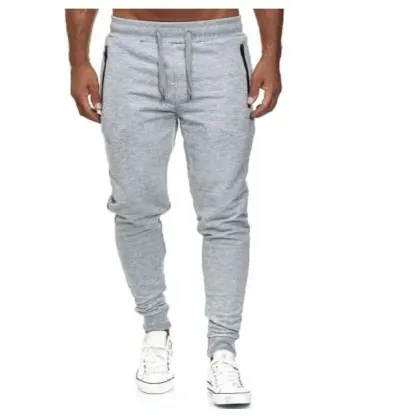
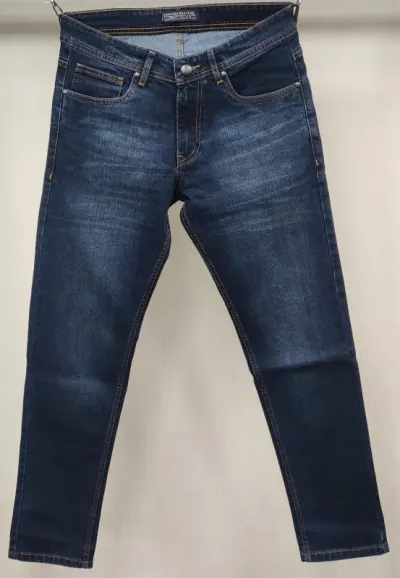
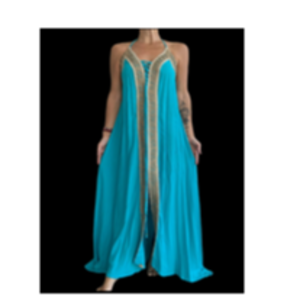
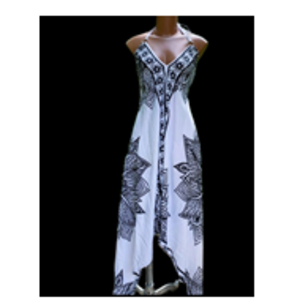
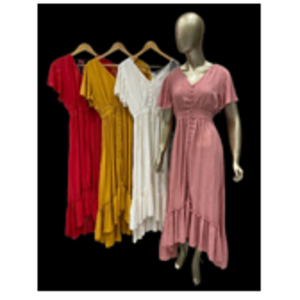
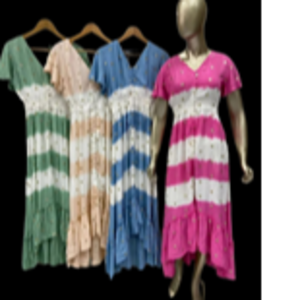
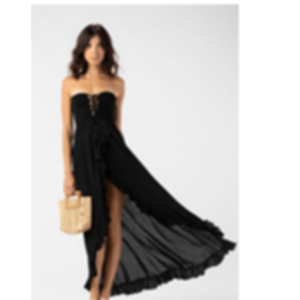
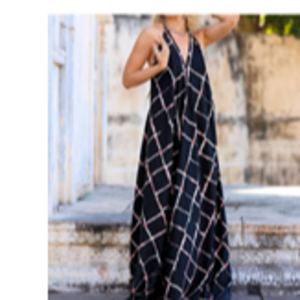
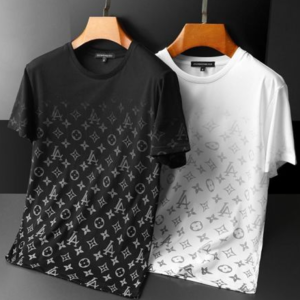
FTS Services is based in Surrey, United Kingdom and lists 15 active products in its catalogue. The company focuses on apparel items sourced from Turkish manufacturers, covering women’s and men’s garments. Products include women’s urban suits (HS 6204.13, polyester‑viscose blend), urban hoodies (HS 6102.30, cotton‑polyester fleece), denim jeans (HS 6204.62, cotton denim with elastane), and various tops and dresses under HS codes 6206.90, 6104.13 and others. The catalogue also contains men’s polo shirts (HS 6105.10, 100 % pique cotton) and joggers, hoodies and other casual wear with HS codes ranging from 6103.42 to 6110.20. All items are classified under the textile and apparel chapters of the Harmonised System.
The listed categories span ladies blouses, skirts, suits, swimwear and men’s undergarments, although specific swimwear items are not detailed in the product table. Each entry specifies a material composition, such as a wool‑polyester blend for women’s suits (HS 6204.11) or a rayon/spandex blend for ponte crepe (HS 5407.92). The HS codes illustrate that the goods fall within Chapter 61 (knitted or crocheted apparel) and Chapter 62 (woven apparel). The supplier’s catalogue therefore represents a cross‑section of woven and knitted garments suitable for B2B bulk orders.
Product Range and Specialties of FTS Services
The catalogue covers a mix of woven and knitted garments: women’s suits, hoodies, denim jeans, dresses and tops, plus men’s polo shirts, joggers and hoodies. Materials range from 100 % cotton to polyester‑viscose blends, wool‑polyester mixes and rayon/spandex fabrics, each identified with its respective HS code. In the apparel trade, woven items such as suits and denim are typically measured by fabric weight (e.g., 180‑250 gsm for suiting, 260‑300 gsm for denim) and finished garment weight, while knitted pieces like hoodies and joggers are often specified by GSM (300‑350 gsm for heavyweight fleece) and stretch content (2‑5 % elastane). Common quality tests include colour‑fastness (ISO 105‑C06), dimensional stability, and seam strength. Buyers usually request Oeko‑Tex Standard 100 or ISO 9001 certification for blended fabrics to verify restricted substance compliance and systematic quality management.
Trade and Export Information - FTS Services
Exporters of apparel from the United Kingdom that source from Turkey typically ship to EU markets, the Middle East and North‑America, where demand for mixed‑material fashion garments is high. The HS‑code families present (Chapter 61 and 62) are subject to standard customs duties and may require REACH compliance documentation for chemical safety, especially for polyester and elastane blends. Importers often request certificates such as Oeko‑Tex Standard 100, ISO 9001 and, where applicable, Global Organic Textile Standard (GOTS) for any organic‑label claims. Standard packaging includes individual poly‑bagging with size labels, stacked on export‑grade cardboard, and loading into 20‑ft or 40‑ft containers. Incoterms most frequently used are FOB (Port of Southampton) or CIF (e.g., Dubai) depending on buyer preference, with freight forwarding handling customs clearance under the listed HS codes.
Sourcing from FTS Services - Buyer Guidance
When sourcing from FTS Services, buyers should request a detailed material specification sheet that lists fibre percentages, GSM, colour codes and any finish treatments. Sample orders of 5‑10 pieces per style are advisable to verify cut, stitching quality and size grading before confirming bulk quantities. Test reports for colour‑fastness, shrinkage and seam strength should be provided, along with any applicable certificates (Oeko‑Tex, REACH, ISO 9001). Verify the HS code used for each style matches the intended customs entry and confirm packaging details - typically poly‑bagged units packed in cartons of 50‑100 pieces for container loading. Typical minimum order quantities range from 200 to 500 pieces per style, with lead times of 30‑45 days after sample approval.
Frequently Asked Questions About FTS Services
What types of women’s garments does FTS Services list and what are their HS codes?
The catalogue includes women’s urban suits (HS 6204.13), urban hoodies (HS 6102.30), denim jeans (HS 6204.62), tops (HS 6206.90), dresses (HS 6104.13) and suits (HS 6204.11), each with specified polyester, viscose, cotton or wool blends.
Which material blends are used for the men’s polo shirts?
Men’s polo shirts are listed under HS 6105.10 and are made from 100 % pique cotton, with an optional cotton‑elastane blend for stretch.
What certifications should a buyer ask for when ordering blended fabrics?
Buyers should request Oeko‑Tex Standard 100 for restricted substance compliance, REACH safety documentation for polyester or elastane, and ISO 9001 for overall quality management.
What is the typical packaging method for these garments?
Standard practice is individual poly‑bagging with size and colour labels, then grouping 50‑100 bags per export‑grade cardboard carton, suitable for loading into 20‑ft or 40‑ft containers.
What are common minimum order quantities and lead times?
Typical MOQs are 200‑500 pieces per style, and after sample approval, production lead times are generally 30‑45 days.
How should a buyer verify the HS code for customs clearance?
The buyer should compare the product description and material composition with the HS‑code list in the catalogue, then request a HS‑code verification note from the supplier before shipment.
Are size and fit standards provided with the products?
Size charts and fit specifications are normally supplied for each garment style; buyers should request these documents to ensure compatibility with their market standards.
What Incoterms are commonly used for shipments from the UK?
FTS Services commonly works under FOB (Port of Southampton) or CIF to destination ports such as Dubai, allowing the buyer to choose the preferred freight responsibility.




 , United Kingdom