FarrSpices Indonesia — Verified Trader & Wholesale Supplier
About FarrSpices Indonesia - Spices Supplier in Indonesia
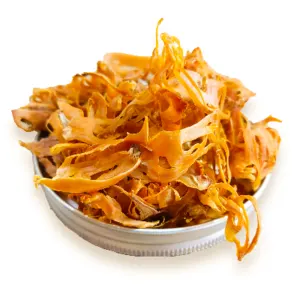
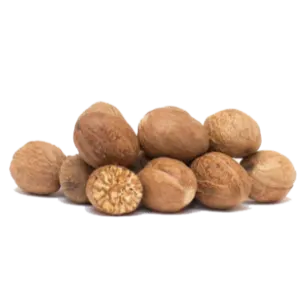
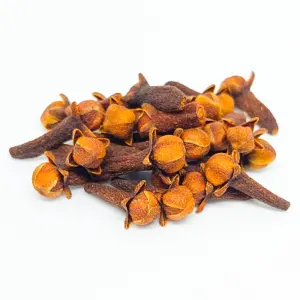
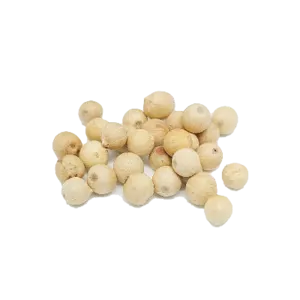
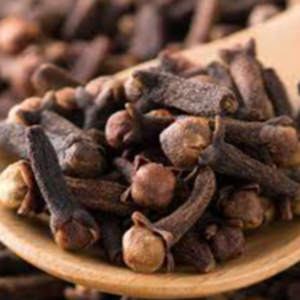
Indonesia, DKI Jakarta hosts FarrSpices Indonesia, which currently lists six active spice products in its catalogue. The company’s catalogue includes cinnamon bark, whole black peppercorns, dried white peppercorns, natural dried clove buds, whole nutmeg kernels, and dried mace arils, each identified with a specific HS‑code ranging from 0904.11 to 0908.30. These entries reflect the core commodity groups that Indonesia traditionally exports under the HS chapter 09 “Spices and Aromatic Plants.”
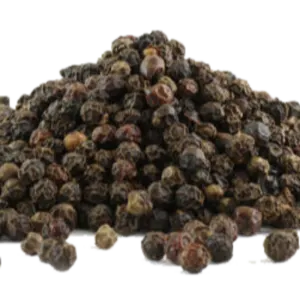
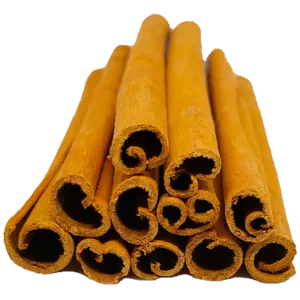
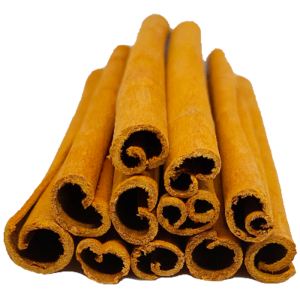
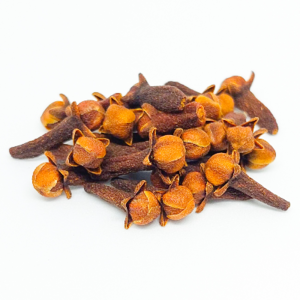
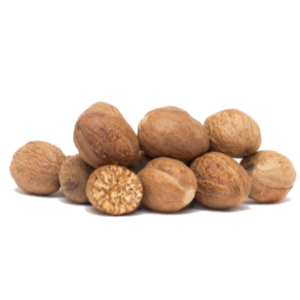
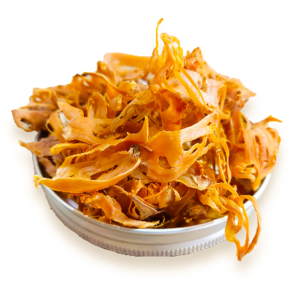
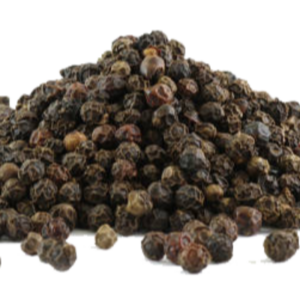
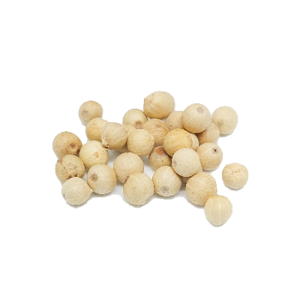
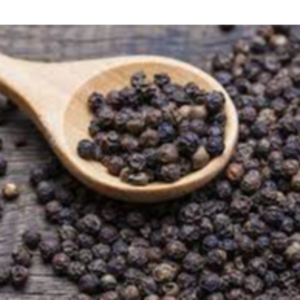
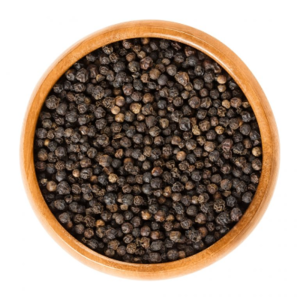
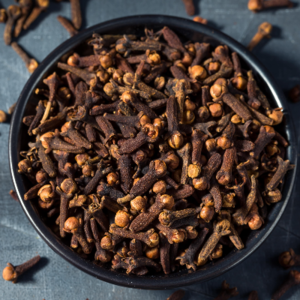
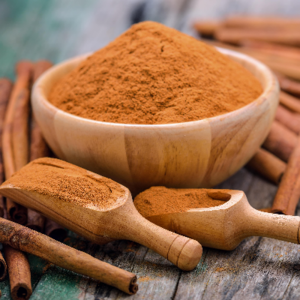
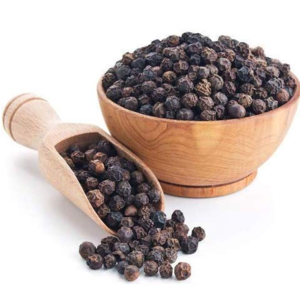
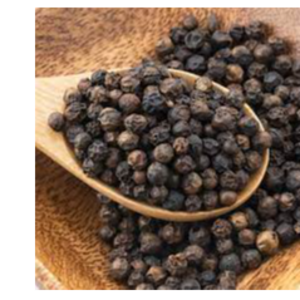
The six products are recorded as follows: Cinnamon (HS 0905.11, cinnamon bark from Cinnamomum species), Black Pepper (HS 0904.11, whole Piper nigrum berries), White Pepper (HS 0904.11, dried Piper nigrum berries), Clove (HS 0907.00, dried Syzygium aromaticum buds), Nutmeg (HS 0908.21, whole Myristica fragrans kernels) and Mace (HS 0908.30, dried aril of Myristica fragrans). Each product is listed by its botanical source and material form, providing a clear reference for importers seeking specific spice grades.
Product Range and Specialties of FarrSpices Indonesia
FarrSpices Indonesia’s catalogue covers the primary spice families of cinnamon, pepper, clove, nutmeg and mace. In the global market, cinnamon is commonly graded as “Ceylon” (true cinnamon) or “Cassia” with moisture limits of 12 % and essential oil content above 0.5 %. Black and white pepper are often specified by size (e.g., 5 mm ± 0.5 mm) and moisture below 13 %. Clove buds are graded by oil content (≥ 15 %) and a maximum moisture of 10 %. Nutmeg kernels and mace are evaluated for kernel weight (≥ 80 % of whole fruit) and low moisture (< 11 %).
Trade and Export Information - FarrSpices Indonesia
Indonesia ranks among the top global exporters of spices, supplying the European Union, United States, Middle East and Southeast Asian markets. HS 0904‑0908 codes are subject to standard food‑safety inspections, requiring phytosanitary certificates and, for many buyers, compliance with ISO 22000 or HACCP food‑safety systems. Importers typically request certificates of origin, organic certification (where applicable), and a Certificate of Analysis showing moisture, oil content and microbial limits. Bulk shipments are usually packed in 25 kg or 50 kg polypropylene bags, palletized for 20‑ft or 40‑ft containers, with Incoterms such as CIF or FOB common in spice trade.
Given the organic tier classification, buyers often seek verification of organic standards (e.g., EU organic, USDA‑NOP) in addition to conventional food‑safety documentation. Indonesian spice exporters also follow the Ministry of Trade’s export licensing procedures, and shipments may be inspected by the National Agency of Drug and Food Control (BPOM) before departure.
Sourcing from FarrSpices Indonesia - Buyer Guidance
When sourcing from FarrSpices Indonesia, buyers should request a recent Certificate of Analysis for each spice, confirming moisture levels, essential oil percentages and microbial limits (e.g., total plate count < 10 000 CFU/g). For organic‑labelled orders, an additional organic certificate and traceability records should be verified. Confirm packaging specifications - typically 25 kg polypropylene bags with inner liners - to ensure compatibility with the buyer’s logistics chain.
Typical minimum order quantities for bulk spice shipments range from 500 kg to 1 ton per product, with lead times of 30‑45 days after receipt of a pro‑forma invoice and required documentation. Buyers are advised to inspect the phytosanitary certificate and any required import permits from the destination country’s customs authority before shipment.
Frequently Asked Questions About FarrSpices Indonesia
What HS codes does FarrSpices Indonesia use for its spice products?
The catalogue lists HS 0905.11 for cinnamon bark, HS 0904.11 for both whole black peppercorns and dried white peppercorns, HS 0907.00 for clove buds, HS 0908.21 for whole nutmeg kernels and HS 0908.30 for dried mace arils.
Which countries are typical importers of Indonesian spices like those offered by FarrSpices Indonesia?
Major import markets include members of the European Union, the United States, countries in the Middle East such as Saudi Arabia and the United Arab Emirates, and regional buyers in Southeast Asia.
What quality parameters should buyers verify for cinnamon and clove shipments?
For cinnamon, verify moisture ≤ 12 % and essential oil content ≥ 0.5 %. For clove buds, confirm oil content ≥ 15 % and moisture ≤ 10 % as part of the Certificate of Analysis.
Are organic certifications available for the spices listed?
The supplier is classified in an organic tier, so buyers should request the specific organic certification (e.g., EU organic, USDA‑NOP) that matches their market requirements.
What packaging format is commonly used for the spices in this catalogue?
Spices are typically packed in 25 kg or 50 kg polypropylene bags, often placed on wooden pallets for container loading.
What documentation is required before shipping spices from Indonesia?
Importers should obtain a phytosanitary certificate, a Certificate of Origin, and a Certificate of Analysis for each product; additional food‑safety certificates such as HACCP or ISO 22000 may be requested by the buyer.
What are typical lead times and minimum order quantities for bulk spice orders?
Lead times are generally 30‑45 days after order confirmation, with minimum order quantities ranging from 500 kg to 1 ton per spice variety.
Which Incoterms are most frequently used for shipping spices from Indonesia?
Buyers and exporters commonly use CIF (Cost, Insurance, Freight) or FOB (Free on Board) terms for containerized spice shipments.




 , Indonesia