Eurosfinx S.R.O. — Supplier
About Eurosfinx S.R.O. - Other Ladies Dresses Supplier in Slovakia
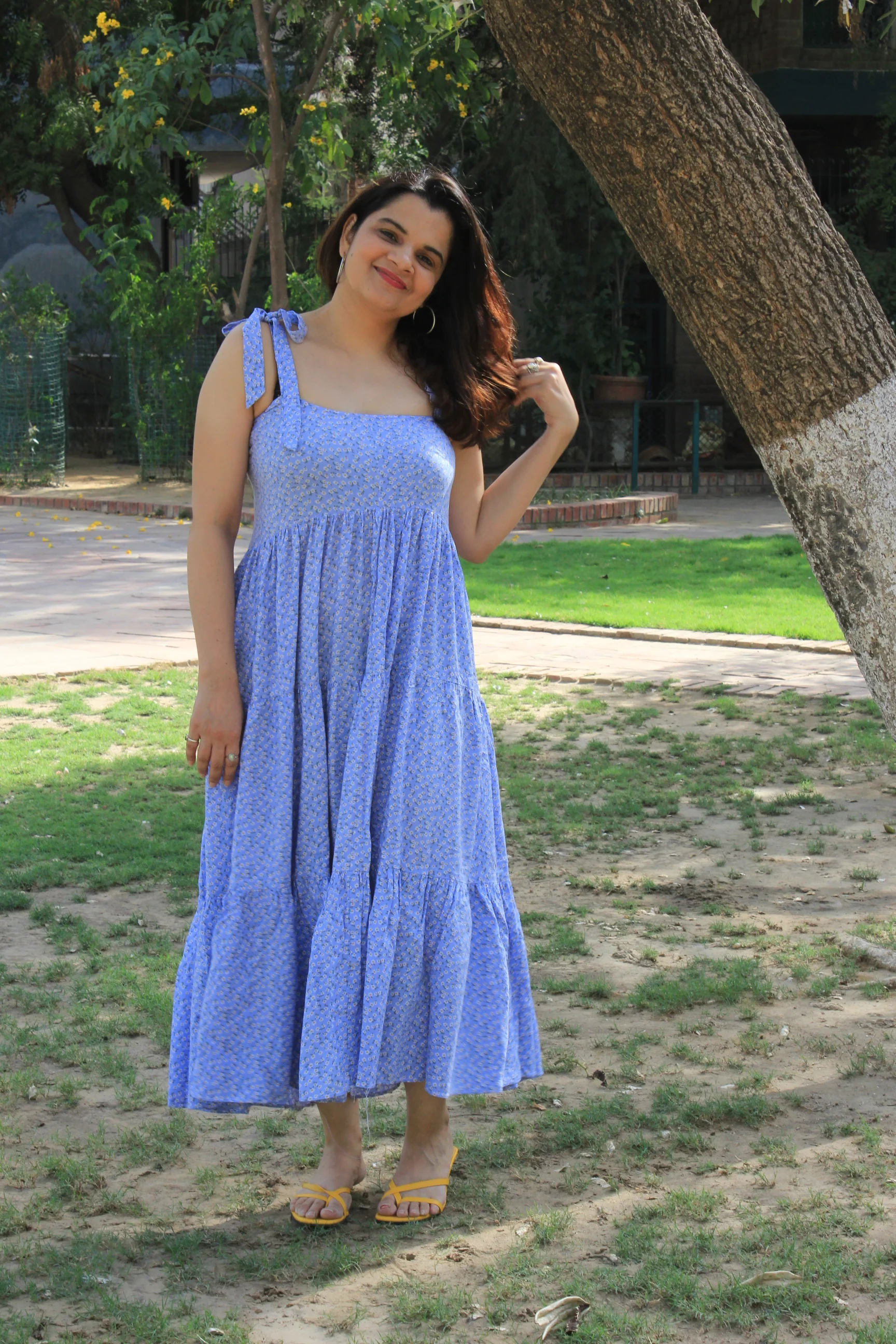
Eurosfinx S.R.O. is based in Slovakia and currently lists nine active products. All items are grouped under the broader classification of "Other Ladies Dresses", which covers women’s dresses and coordinated outfits. The catalogue includes the "Twid Dress For Autumn", "Autumn-Winter Costume", and "Autumn Checkered Costume For Woman". Additional entries describe different size costumes, two‑part women’s costumes, an autumn‑style pantsuit, fabric‑focused costume material, a sporty costume, and another two‑part costume. The product titles indicate a seasonal focus on autumn and winter apparel for women.
The nine listings represent a mix of single‑piece dresses, multi‑piece ensembles and specialty costumes. Typical materials for this segment include cotton‑polyester blends, lightweight wool or fleece, and synthetic stretch fabrics suitable for cooler weather. Standard industry specifications such as ISO 105 colour‑fastness, fabric weight between 180‑250 gsm and shrinkage tolerances of ±3 % are commonly applied to garments of this type. Size ranges generally follow European sizing conventions from 34 to 48, with some items offering custom size options. No HS codes are provided in the source data, so classification must be inferred from the product descriptions.
Product Range and Specialties of Eurosfinx S.R.O.
The supplier’s catalogue comprises nine distinct women’s apparel items: dresses, season‑specific costumes, two‑part outfits and a pantsuit designed for autumn use. Each listing is a separate SKU that buyers can reference when requesting samples or quotations. In the broader industry, women’s dresses and coordinated suits are categorized under HS Chapter 62 for apparel, with sub‑headings such as 6204 (women’s suits) and 6203 (women’s dresses). Typical grades for these garments include mid‑weight woven fabrics (180‑250 gsm) for dresses and heavier brushed or fleece blends (250‑350 gsm) for outer‑season costumes. Buyers often look for fabric composition details (e.g., 65 % cotton/35 % polyester), stretch percentages, and finishing treatments like water‑repellent or anti‑pilling treatments.
Industry standards for women’s seasonal wear also reference colour‑fastness to washing (ISO 105‑A02) and colour‑fastness to light (ISO 105‑B02). For pantsuits and two‑part ensembles, seam strength (minimum 5 N/tex) and garment construction tolerances (±2 mm on critical seams) are common quality checkpoints. Suppliers typically provide size charts aligned with EU sizing and may offer bulk‑size grading tables for large orders.
Trade and Export Information - Eurosfinx S.R.O.
Women’s apparel originating from Slovakia is usually classified under HS Chapter 62 (apparel and clothing accessories) and Chapter 61 for knitted items. The primary export markets for Central‑European garment producers include the European Union, the United Kingdom, the Middle East and North Africa, and increasingly the United States. Commonly required certifications for Slovak textile exporters are Oeko‑Tex Standard 100 for harmful substance testing, REACH compliance for chemical safety, and ISO 9001 for quality management systems. Export logistics commonly employ 20‑ft or 40‑ft containers with garments packed in poly‑bags or cartons, palletised for efficient handling, and shipped under Incoterms such as FOB Bratislava or CIF Mediterranean ports.
Regulatory bodies in the EU enforce the General Product Safety Directive and the Textile Labelling Regulation, which mandate clear fibre‑content labels and care instructions. Buyers typically request a Certificate of Origin and a commercial invoice that references the HS codes 6203 and 6204, depending on the specific garment type. Seasonal apparel from Slovakia benefits from the country’s established textile manufacturing infrastructure, which supports reliable lead times and compliance with EU‑wide trade standards.
Sourcing from Eurosfinx S.R.O. - Buyer Guidance
When sourcing from Eurosfinx S.R.O., buyers should obtain a detailed material specification sheet that lists fibre composition, fabric weight (gsm), finishing treatments and any stretch percentages. Request pre‑production samples that include the full size range to verify fit, colour consistency and seam construction against ISO 105 colour‑fastness and seam strength standards.
Buyers are advised to ask for test reports covering shrinkage (maximum ±3 % after standard wash), colour‑fastness to washing and light, and any relevant Oeko‑Tex or REACH certificates. Verification of the supplier’s compliance with ISO 9001 can also provide confidence in their quality management processes.
Before confirming an order, confirm the HS code classification that will be used on the export documentation (typically 6203 for dresses and 6204 for suits) and ensure that the commercial invoice reflects the correct country of origin (Slovakia). Request a copy of the Certificate of Origin and any third‑party inspection reports if required by the buyer’s import regulations.
Frequently Asked Questions About Eurosfinx S.R.O.
What product categories does Eurosfinx S.R.O. list?
The supplier lists nine items under the "Other Ladies Dresses" category, including single‑piece dresses, season‑specific costumes, two‑part ensembles, a pantsuit and fabric‑focused costume material.
How many active product listings are available?
Eurosfinx S.R.O. currently has nine active product listings in its catalogue.
Which HS chapters are relevant for these garments?
Women’s dresses and suits are generally classified under HS Chapter 62, with sub‑headings such as 6203 for dresses and 6204 for coordinated suits. Knit variants would fall under Chapter 61.
What material details should a buyer request?
Buyers should request the fibre composition (e.g., cotton‑polyester blend), fabric weight in gsm, any stretch percentage, and information on finishes such as water‑repellent or anti‑pilling treatments.
Which certifications are commonly required for women’s apparel from Slovakia?
Typical certifications include Oeko‑Tex Standard 100 for harmful substances, REACH compliance for chemical safety, and ISO 9001 for quality management. Buyers should ask the supplier to provide the relevant certificates.
What packaging and shipping formats are typical for these products?
Products are usually packed in poly‑bags or cartons, placed on pallets, and shipped in 20‑ft or 40‑ft containers. Labelling follows the HS code and includes the country of origin, Slovakia.
What lead times and minimum order quantities are typical for this type of apparel?
Lead times often range from 30 to 45 days after order confirmation. Minimum order quantities commonly fall between 200 and 500 pieces per style, depending on the garment complexity.
How can a buyer verify product quality before placing a large order?
Request pre‑production samples covering the full size range, obtain test reports for colour‑fastness, shrinkage and seam strength, and review any third‑party inspection or certification documents provided by the supplier.




 , Slovakia