ETS STAL TRADING — Verified Service Provider & Wholesale Supplier
About ETS STAL TRADING - Sesame Supplier in Cameroon
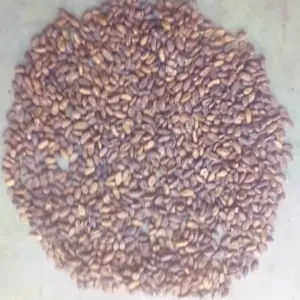
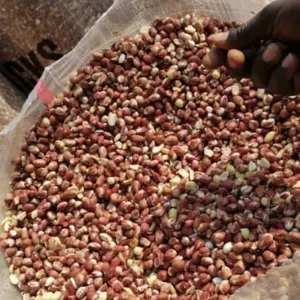
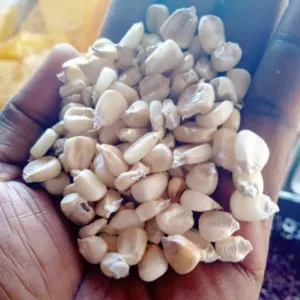
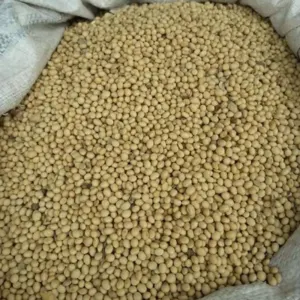
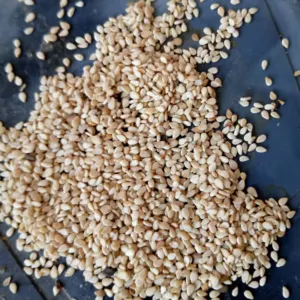
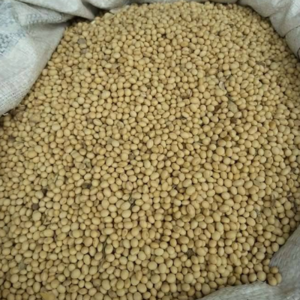
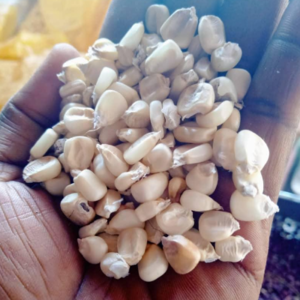
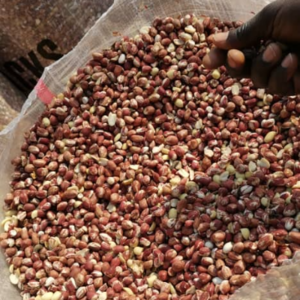
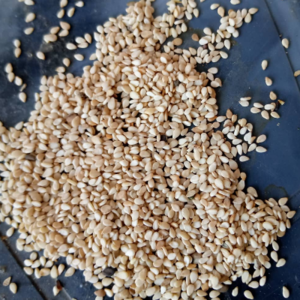
Cameroon‑based ETS STAL TRADING lists five active agricultural products in its catalogue. The company offers natural sesame seeds (96 % purity) under HS code 1207.40, soybeans (Glycine max) under HS code 1201.90, yellow maize grain under HS code 1005.90, raw shelled peanuts under HS code 1202.30, and cacao beans under HS code 1801.00. Each entry specifies the material type and purity or grade as provided in the catalogue. The supplier is classified in the organic tier and operates within the voyage trust tier.
The product list reflects common export commodities from Central Africa, covering oil‑seed, legume, cereal, and cocoa categories. Sesame seeds are presented as natural seeds with 96 % purity, suitable for bulk processing. Soybeans are described generically without further processing specifications. Maize is identified as yellow corn grain with 99 % purity. Peanuts are offered as raw shelled kernels, and cacao beans are listed as whole beans. All five items fall under distinct HS‑code families that are widely used in international trade documentation.
Product Range and Specialties of ETS STAL TRADING
ETS STAL TRADING’s catalogue comprises sesame seeds, soybeans, yellow maize, raw shelled peanuts and cacao beans. In the global market, sesame is graded by hull‑lessness, colour (white, black or mixed) and moisture below 5 %, with typical oil content of 45‑55 % and aflatoxin limits of 5 ppb for export. Soybeans are evaluated on protein content (35‑40 %), oil content (18‑20 %), moisture under 13 % and may be required to meet non‑GMO or organic specifications. Maize exported from West‑Central Africa is usually yellow dent or flint type, with moisture ≤14 % and mycotoxin screening (AFB1 < 5 µg/kg). Raw shelled peanuts are commonly inspected for moisture ≤6 % and aflatoxin limits of 10 ppb for the US market. Cacao beans are classified as Grade A (fermented, dried) with moisture ≤7 % and fat content around 50 %, and are often sorted by bean size and foreign material content. These industry benchmarks align with the HS‑code families 1207, 1201, 1005, 1202 and 1801 that the supplier uses.
Trade and Export Information - ETS STAL TRADING
Cameroon exports seed and grain commodities primarily to the European Union, the Middle East and Asian processing hubs. HS chapter 12 (oil‑seeds and oleaginous fruits) and chapter 10 (cereals) are routinely inspected under the EU phytosanitary regime, requiring a phytosanitary certificate, origin declaration and, for organic‑tier shipments, an accredited organic certificate. Buyers typically request ISO 22000 or HACCP compliance, as well as laboratory analysis reports for moisture, oil content and aflatoxin levels. Standard packaging includes 25 kg polypropylene bags for seeds and nuts, and 20‑ft containers can hold approximately 800 bags of sesame or peanuts, or 1,000 bags of maize. Common Incoterms are FOB Douala or CIF European ports, with freight forwarding handled by bulk grain specialists.
Sourcing from ETS STAL TRADING - Buyer Guidance
When sourcing from ETS STAL TRADING, request the latest phytosanitary certificate and a laboratory analysis sheet that confirms moisture, purity and aflatoxin limits for each commodity. Verify that the HS code on the commercial invoice matches the catalogue codes (1207.40 for sesame, 1201.90 for soybeans, 1005.90 for maize, 1202.30 for peanuts, 1801.00 for cacao). For organic‑tier products, ask for the organic accreditation number and a copy of the certification audit report. Confirm packaging details (e.g., 25 kg bags, container loading plan) and agree on an Incoterm that matches your logistics preference before finalising the order.
Frequently Asked Questions About ETS STAL TRADING
What HS codes does ETS STAL TRADING use for its main products?
The catalogue lists HS code 1207.40 for natural sesame seeds, 1201.90 for soybeans, 1005.90 for yellow maize, 1202.30 for raw shelled peanuts and 1801.00 for cacao beans.
What purity levels are stated for the sesame seeds?
Sesame seeds are described as natural seeds with 96 % purity. Buyers normally confirm this with a laboratory purity test before shipment.
Which certifications should a buyer request for these commodities?
Typical requirements include a phytosanitary certificate, ISO 22000 or HACCP compliance, and, for organic‑tier items, an accredited organic certificate. Laboratory reports for moisture, oil content and aflatoxin are also standard.
What are the common packaging formats for the listed products?
Seeds and nuts are usually packed in 25 kg polypropylene bags. Cacao beans are often shipped in 50 kg jute bags, while maize can be packed in 25 kg bags or bulk bulk bags depending on the buyer’s preference.
How many bags can fit in a standard 20‑ft container?
A 20‑ft container typically holds about 800 bags of 25 kg sesame or peanuts, and up to 1,000 bags of 25 kg maize. Cacao beans in 50 kg bags allow roughly 400 bags per container.
What Incoterms are commonly used for shipments from Cameroon?
Buyers usually negotiate FOB Douala for direct loading or CIF to European ports, depending on who arranges freight and insurance.
Are there any specific quality tests required for peanuts and cacao?
Peanuts are routinely tested for moisture (≤6 %) and aflatoxin (≤10 ppb for most markets). Cacao beans are examined for moisture (≤7 %), fat content (~50 %) and foreign material, with Grade A beans requiring proper fermentation and drying records.
What documentation confirms the origin of the products?
An official certificate of origin issued by Cameroonian customs, together with the phytosanitary certificate, provides the standard proof of origin for all five commodities.




 , Cameroon