TRENDZ GROUP — Verified Manufacturer & Wholesale Supplier

About TRENDZ GROUP - Garments Supplier in Bangladesh

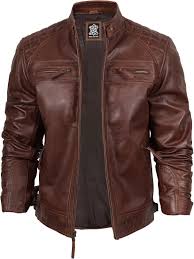
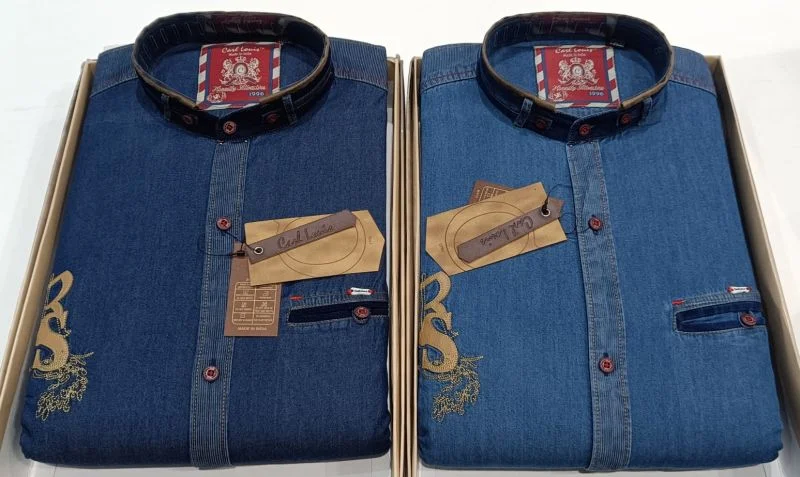
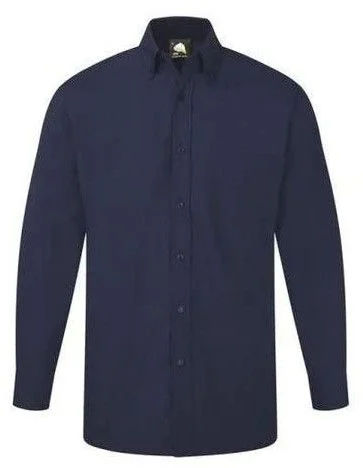
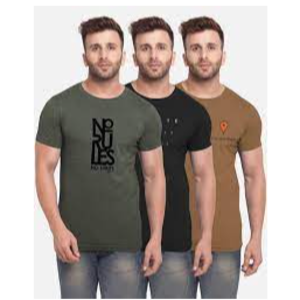
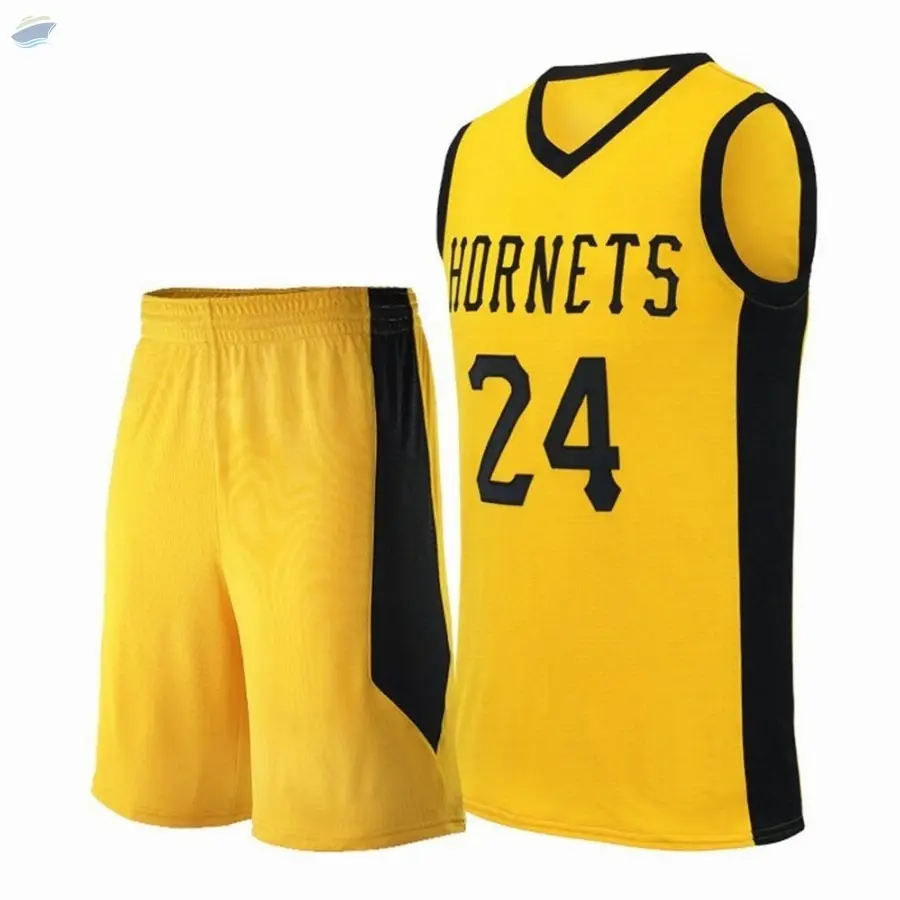
TRENDZ GROUP is based in Bangladesh, a major garment‑exporting nation in South Asia. The supplier lists twelve distinct apparel and accessories products in its catalogue. The catalogue covers knitted and woven garments such as spandex T‑shirts (HS 6109.10), polo shirts (HS 6205.20), cargo pants (HS 6203.42) and hoodies (HS 6110.20). It also includes outerwear like jackets (HS 6201.92), sweatshirts (HS 6110.20), sportswear items, and niche items such as leather clothing (HS 4203.40) and aluminum‑alloy caps (HS 8309.90). The product mix spans cotton‑based blends, polyester blends, nylon/spandex blends and genuine cowhide. TRENDZ GROUP’s top categories include hoodies, polo shirts, shirts, sportswear, sweatshirts, men’s undergarments and raincoats.

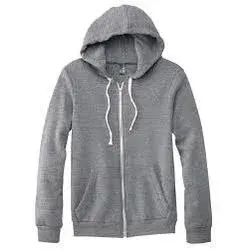
The spandex T‑shirts are manufactured from a 95 % cotton, 5 % spandex knit, classified under HS chapter 61 for knitted apparel. Cut‑and‑sew polo shirts use 100 % cotton shirting fabric and fall under HS 6205.20 for woven shirts. Cargo pants combine 98 % cotton with 2 % spandex, recorded under HS 6203.42 for woven trousers with elastic. Hoodies and sweatshirts employ an 80 % cotton / 20 % polyester fleece blend, both coded under HS 6110.20. Kids clothing and ladies’ dresses are listed under HS 6209.20 and 6204.43 respectively, using cotton‑polyester or spandex‑polyester blends. Additional items include stock garment leftovers (HS 9905.00.00), leather garments (HS 4203.40), caps of aluminum alloy (HS 8309.90), jackets of cotton‑twill/polyester blends (HS 6201.92) and lingerie of nylon/spandex blends (HS 6108.22).

Product Range and Specialties of TRENDZ GROUP

TRENDZ GROUP’s catalogue contains twelve SKUs ranging from basic knitwear to specialty leather apparel. In the knit segment, spandex T‑shirts and hoodies are typically produced in a weight range of 150‑180 gsm with a stretch recovery of at least 70 % and are tested to AATCC 135 color‑fastness standards. Woven items such as polo shirts, cargo pants and jackets are generally finished at 130‑150 gsm for shirts and 200‑220 gsm for trousers, with seam strength of a minimum 5 MPa as required by ISO 13935. The leather clothing uses full‑grain cowhide of 1.2‑1.5 mm thickness, a common specification for outerwear classified under HS 4203. The caps are made from aluminum alloy grades 8011 or 3105, which are standard in the accessories market and fall under HS 8309.90. Industry practice for these garment categories includes compliance with ISO 9001 quality‑management systems and, for exports to the EU or United States, buyers frequently request Oeko‑Tex Standard 100 certification and WRAP audit reports.

Trade and Export Information - TRENDZ GROUP

Bangladesh is the world’s fourth‑largest apparel exporter, with knitted and woven garments from HS chapters 61 and 62 routinely shipped to the United States, the European Union, the Middle East and Southeast Asian markets. The HS codes in TRENDZ GROUP’s catalogue (e.g., 6109, 6205, 6203, 6110, 6201) fall within the tariff lines that benefit from Bangladesh’s Generalised System of Preferences, and they are subject to standard customs documentation such as commercial invoices, packing lists and certificates of origin. Buyers typically require product certifications such as ISO 9001, Oeko‑Tex Standard 100 for textile safety, and, for leather items, the Leather Working Group (LWG) or ISO 14001 environmental certification. Export shipments are commonly packed in 40‑ft containers, with individual items poly‑bagged and grouped in cartons of 20‑30 kg; FOB and CIF incoterms are the prevailing trade terms. Inspection agencies like SGS, Bureau Veritas or Intertek frequently perform pre‑shipment checks on fabric composition, measurements and workmanship to satisfy import regulations in destination countries.

The typical logistics chain for Bangladeshi apparel includes inland trucking to the Port of Chittagong or Mongla, container loading, and sea freight to major hubs such as New York, Rotterdam, Dubai or Singapore. Upon arrival, customs authorities reference the HS codes to apply duty rates and may request additional documentation for items containing synthetic fibers or leather, such as a textile‑product declaration or a leather‑origin certificate. Compliance with the EU REACH regulation for chemical safety and the US CPSIA for children’s wear is commonly verified through third‑party test reports before clearance.

Sourcing from TRENDZ GROUP - Buyer Guidance

When sourcing from TRENDZ GROUP, buyers should request a detailed material‑composition certificate that confirms the exact fiber percentages for each product (e.g., 95 % cotton/5 % spandex for the T‑shirts). Standard test reports to ask for include AATCC 135 for color fastness, ISO 105 for wash durability, and ISO 13935 for seam strength; children’s garments may also need CPSIA compliance documentation. Verify that the supplier can provide Oeko‑Tex Standard 100 or equivalent textile safety certificates if the end market requires chemical‑free fabrics, and request a leather‑origin or LWG report for the cowhide items. Confirm the minimum order quantity, which for most styles ranges from 500 to 1 000 pieces, and allow a production lead time of 30‑45 days after sample approval. Packaging expectations typically involve individual poly‑bagging, cartonization according to a 20‑kg weight limit, and container‑load planning based on HS‑specific dimensions.

Prior to placing a full order, obtain a pre‑production sample and inspect it against the agreed specifications for dimensions, stitching, and fabric weight. Request a pre‑shipment inspection report that covers fabric composition, measurements, seam integrity and any required safety test results. Keeping a record of the HS code, material declaration and certification copies will streamline customs clearance and reduce the risk of shipment delays.

Frequently Asked Questions About TRENDZ GROUP

What garment categories does TRENDZ GROUP offer?

TRENDZ GROUP lists twelve product types, including spandex T‑shirts, cut‑and‑sew polo shirts, cargo pants, hoodies, sweatshirts, kids’ clothing, ladies’ dresses, jackets, leather garments, caps, and lingerie.

Which HS codes are associated with the listed products?

The catalogue assigns HS 6109.10 to spandex T‑shirts, 6205.20 to polo shirts, 6203.42 to cargo pants, 6110.20 to hoodies and sweatshirts, 6209.20 to kids’ clothing, 6204.43 to ladies’ dresses, 6201.92 to jackets, 4203.40 to leather clothing, 8309.90 to caps and 6108.22 to lingerie.

What material blends are used in the apparel?

Materials include a 95 % cotton/5 % spandex knit for T‑shirts, 100 % cotton shirting for polo shirts, a 98 % cotton/2 % spandex blend for cargo pants, an 80 % cotton/20 % polyester fleece for hoodies and sweatshirts, cotton‑polyester blends for kids’ wear, spandex‑polyester blends for dresses, cotton‑twill/polyester blends for jackets, genuine cowhide for leather items, aluminum‑alloy (grade 8011 or 3105) for caps, and nylon/spandex blends for lingerie.

What certifications should a buyer request for these products?

Buyers typically request a material‑composition certificate, AATCC 135 color‑fastness report, ISO 105 wash‑fastness test, ISO 13935 seam‑strength test, Oeko‑Tex Standard 100 for textile safety and, for leather items, a Leather Working Group or ISO 14001 environmental report.

What are the typical minimum order quantities and lead times?

Standard minimum order quantities range from 500 to 1 000 pieces per style, and production lead times are generally 30‑45 days after sample approval, depending on the product complexity.

How are the goods packaged for export?

Items are usually poly‑bagged individually, grouped into cartons with a maximum weight of about 20‑30 kg, and loaded into 20‑ft or 40‑ft containers under FOB or CIF incoterms.

Which markets commonly import Bangladeshi apparel like that offered by TRENDZ GROUP?

The main import markets are the United States, the European Union, the Middle East and Southeast Asian countries, where buyers often require the certifications and test reports mentioned above.

What pre‑shipment checks are advisable before shipment?

A pre‑shipment inspection should verify fabric composition, dimensions, seam strength, color‑fastness results and any safety test certificates, ensuring compliance with the HS code specifications and destination‑country regulations.


Other Suppliers in Hoodies

Top Trusted Suppliers

Related Products in Hoodies

Trending in Parent Category

More Suppliers in Parent Category

Related Products

Other Suppliers

EximNext
58.4K+ live requirements
Register Free🎁 5 free buy-lead credits
Post Requirement
🌍 Trusted by 224.4K+ businesses in 200+ countries|
58.4K+ active requirements right now
✉️ [email protected]
|
Sell on EximNextPost Requirement
EximNext
AgricultureApparelConstructionElectronicFoodHomeIndustrialMineralsMiscellaneous
🔥 Deals|✨ AI Match|🏭 Suppliers|📋 Buy Leads|💰 Trade Finance|⭐ Upgrade
58.4K+ live RFQs·194.4K+ suppliers
🎁 5 free credits →
EximNext
EximNext
Register Free
🎁 5 free buy-lead credits
Sign In
📋Post Requirement💬Get QuotesAI Match📋RFQ Marketplace
All Categories
Services & Tools
🏭Supplier Directory🔥Today's Deals💰Trade FinanceMembership
Sell on EximNext
AboutContactBlogHelp
🏭

TRENDZ GROUP

🚢 Voyage
Country flag , BangladeshEst. 2006-01-01
🏆
20+
Years in Business
🛡️
63/100
Trust Score

TRENDZ GROUP Product Catalog

Showing 12 of 12 products
View all products →
lingerie
🚢 Voyage
lingerie
Contact
MOQ: 1 Unit
jackets
🚢 Voyage
jackets
Contact
MOQ: 1 Unit
sweatshirt
🚢 Voyage
sweatshirt
Contact
MOQ: 1 Unit
cap
🚢 Voyage
cap
Contact
MOQ: 1 Unit
Leather clothing,
🚢 Voyage
Leather clothing,
Contact
MOQ: 1 Unit
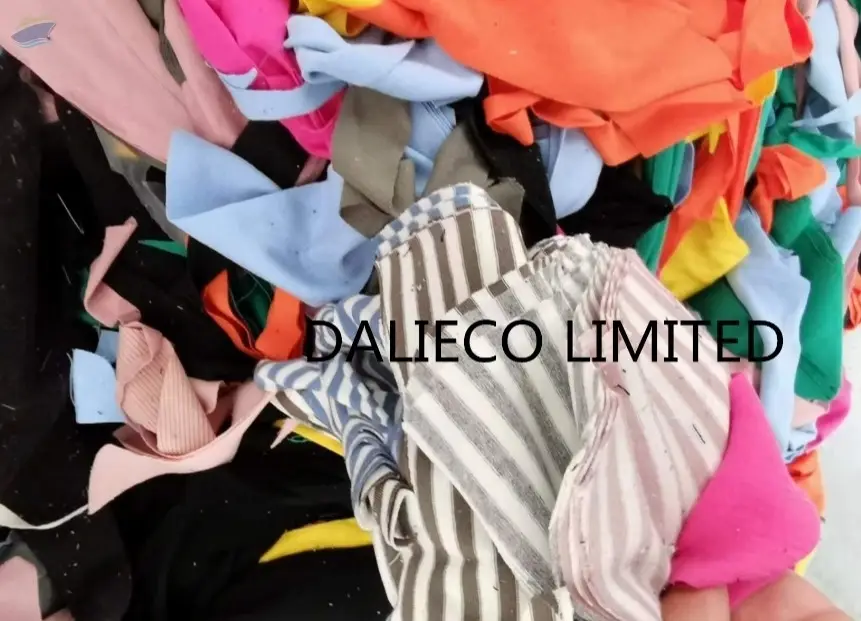
Stock Garments, Left overs, Cancelled shipment goods
🚢 Voyage
Stock Garments, Left overs, Cancelled shipment goods
Contact
MOQ: 1 Unit
Ladies dress
🚢 Voyage
Ladies dress
Contact
MOQ: 1 Unit
Kids clothing
🚢 Voyage
Kids clothing
Contact
MOQ: 1 Unit
Hoodies
🚢 Voyage
Hoodies
Contact
MOQ: 1 Unit
Cargo pants
🚢 Voyage
Cargo pants
Contact
MOQ: 1 Unit
Cut and sew Polo shirts
🚢 Voyage
Cut and sew Polo shirts
Contact
MOQ: 1 Unit
Spandex T shirts
🚢 Voyage
Spandex T shirts
Contact
MOQ: 1 Unit

About TRENDZ GROUP - Garments Supplier in Bangladesh

TRENDZ GROUP is based in Bangladesh, a major garment‑exporting nation in South Asia. The supplier lists twelve distinct apparel and accessories products in its catalogue. The catalogue covers knitted and woven garments such as spandex T‑shirts (HS 6109.10), polo shirts (HS 6205.20), cargo pants (HS 6203.42) and hoodies (HS 6110.20). It also includes outerwear like jackets (HS 6201.92), sweatshirts (HS 6110.20), sportswear items, and niche items such as leather clothing (HS 4203.40) and aluminum‑alloy caps (HS 8309.90). The product mix spans cotton‑based blends, polyester blends, nylon/spandex blends and genuine cowhide. TRENDZ GROUP’s top categories include hoodies, polo shirts, shirts, sportswear, sweatshirts, men’s undergarments and raincoats.

The spandex T‑shirts are manufactured from a 95 % cotton, 5 % spandex knit, classified under HS chapter 61 for knitted apparel. Cut‑and‑sew polo shirts use 100 % cotton shirting fabric and fall under HS 6205.20 for woven shirts. Cargo pants combine 98 % cotton with 2 % spandex, recorded under HS 6203.42 for woven trousers with elastic. Hoodies and sweatshirts employ an 80 % cotton / 20 % polyester fleece blend, both coded under HS 6110.20. Kids clothing and ladies’ dresses are listed under HS 6209.20 and 6204.43 respectively, using cotton‑polyester or spandex‑polyester blends. Additional items include stock garment leftovers (HS 9905.00.00), leather garments (HS 4203.40), caps of aluminum alloy (HS 8309.90), jackets of cotton‑twill/polyester blends (HS 6201.92) and lingerie of nylon/spandex blends (HS 6108.22).

Product Range and Specialties of TRENDZ GROUP

TRENDZ GROUP’s catalogue contains twelve SKUs ranging from basic knitwear to specialty leather apparel. In the knit segment, spandex T‑shirts and hoodies are typically produced in a weight range of 150‑180 gsm with a stretch recovery of at least 70 % and are tested to AATCC 135 color‑fastness standards. Woven items such as polo shirts, cargo pants and jackets are generally finished at 130‑150 gsm for shirts and 200‑220 gsm for trousers, with seam strength of a minimum 5 MPa as required by ISO 13935. The leather clothing uses full‑grain cowhide of 1.2‑1.5 mm thickness, a common specification for outerwear classified under HS 4203. The caps are made from aluminum alloy grades 8011 or 3105, which are standard in the accessories market and fall under HS 8309.90. Industry practice for these garment categories includes compliance with ISO 9001 quality‑management systems and, for exports to the EU or United States, buyers frequently request Oeko‑Tex Standard 100 certification and WRAP audit reports.

Trade and Export Information - TRENDZ GROUP

Bangladesh is the world’s fourth‑largest apparel exporter, with knitted and woven garments from HS chapters 61 and 62 routinely shipped to the United States, the European Union, the Middle East and Southeast Asian markets. The HS codes in TRENDZ GROUP’s catalogue (e.g., 6109, 6205, 6203, 6110, 6201) fall within the tariff lines that benefit from Bangladesh’s Generalised System of Preferences, and they are subject to standard customs documentation such as commercial invoices, packing lists and certificates of origin. Buyers typically require product certifications such as ISO 9001, Oeko‑Tex Standard 100 for textile safety, and, for leather items, the Leather Working Group (LWG) or ISO 14001 environmental certification. Export shipments are commonly packed in 40‑ft containers, with individual items poly‑bagged and grouped in cartons of 20‑30 kg; FOB and CIF incoterms are the prevailing trade terms. Inspection agencies like SGS, Bureau Veritas or Intertek frequently perform pre‑shipment checks on fabric composition, measurements and workmanship to satisfy import regulations in destination countries.

The typical logistics chain for Bangladeshi apparel includes inland trucking to the Port of Chittagong or Mongla, container loading, and sea freight to major hubs such as New York, Rotterdam, Dubai or Singapore. Upon arrival, customs authorities reference the HS codes to apply duty rates and may request additional documentation for items containing synthetic fibers or leather, such as a textile‑product declaration or a leather‑origin certificate. Compliance with the EU REACH regulation for chemical safety and the US CPSIA for children’s wear is commonly verified through third‑party test reports before clearance.

Sourcing from TRENDZ GROUP - Buyer Guidance

When sourcing from TRENDZ GROUP, buyers should request a detailed material‑composition certificate that confirms the exact fiber percentages for each product (e.g., 95 % cotton/5 % spandex for the T‑shirts). Standard test reports to ask for include AATCC 135 for color fastness, ISO 105 for wash durability, and ISO 13935 for seam strength; children’s garments may also need CPSIA compliance documentation. Verify that the supplier can provide Oeko‑Tex Standard 100 or equivalent textile safety certificates if the end market requires chemical‑free fabrics, and request a leather‑origin or LWG report for the cowhide items. Confirm the minimum order quantity, which for most styles ranges from 500 to 1 000 pieces, and allow a production lead time of 30‑45 days after sample approval. Packaging expectations typically involve individual poly‑bagging, cartonization according to a 20‑kg weight limit, and container‑load planning based on HS‑specific dimensions.

Prior to placing a full order, obtain a pre‑production sample and inspect it against the agreed specifications for dimensions, stitching, and fabric weight. Request a pre‑shipment inspection report that covers fabric composition, measurements, seam integrity and any required safety test results. Keeping a record of the HS code, material declaration and certification copies will streamline customs clearance and reduce the risk of shipment delays.

Frequently Asked Questions About TRENDZ GROUP

What garment categories does TRENDZ GROUP offer?

TRENDZ GROUP lists twelve product types, including spandex T‑shirts, cut‑and‑sew polo shirts, cargo pants, hoodies, sweatshirts, kids’ clothing, ladies’ dresses, jackets, leather garments, caps, and lingerie.

Which HS codes are associated with the listed products?

The catalogue assigns HS 6109.10 to spandex T‑shirts, 6205.20 to polo shirts, 6203.42 to cargo pants, 6110.20 to hoodies and sweatshirts, 6209.20 to kids’ clothing, 6204.43 to ladies’ dresses, 6201.92 to jackets, 4203.40 to leather clothing, 8309.90 to caps and 6108.22 to lingerie.

What material blends are used in the apparel?

Materials include a 95 % cotton/5 % spandex knit for T‑shirts, 100 % cotton shirting for polo shirts, a 98 % cotton/2 % spandex blend for cargo pants, an 80 % cotton/20 % polyester fleece for hoodies and sweatshirts, cotton‑polyester blends for kids’ wear, spandex‑polyester blends for dresses, cotton‑twill/polyester blends for jackets, genuine cowhide for leather items, aluminum‑alloy (grade 8011 or 3105) for caps, and nylon/spandex blends for lingerie.

What certifications should a buyer request for these products?

Buyers typically request a material‑composition certificate, AATCC 135 color‑fastness report, ISO 105 wash‑fastness test, ISO 13935 seam‑strength test, Oeko‑Tex Standard 100 for textile safety and, for leather items, a Leather Working Group or ISO 14001 environmental report.

What are the typical minimum order quantities and lead times?

Standard minimum order quantities range from 500 to 1 000 pieces per style, and production lead times are generally 30‑45 days after sample approval, depending on the product complexity.

How are the goods packaged for export?

Items are usually poly‑bagged individually, grouped into cartons with a maximum weight of about 20‑30 kg, and loaded into 20‑ft or 40‑ft containers under FOB or CIF incoterms.

Which markets commonly import Bangladeshi apparel like that offered by TRENDZ GROUP?

The main import markets are the United States, the European Union, the Middle East and Southeast Asian countries, where buyers often require the certifications and test reports mentioned above.

What pre‑shipment checks are advisable before shipment?

A pre‑shipment inspection should verify fabric composition, dimensions, seam strength, color‑fastness results and any safety test certificates, ensuring compliance with the HS code specifications and destination‑country regulations.

About TRENDZ GROUP - Garments Supplier in Bangladesh

TRENDZ GROUP is based in Bangladesh, a major garment‑exporting nation in South Asia. The supplier lists twelve distinct apparel and accessories products in its catalogue. The catalogue covers knitted and woven garments such as spandex T‑shirts (HS 6109.10), polo shirts (HS 6205.20), cargo pants (HS 6203.42) and hoodies (HS 6110.20). It also includes outerwear like jackets (HS 6201.92), sweatshirts (HS 6110.20), sportswear items, and niche items such as leather clothing (HS 4203.40) and aluminum‑alloy caps (HS 8309.90). The product mix spans cotton‑based blends, polyester blends, nylon/spandex blends and genuine cowhide. TRENDZ GROUP’s top categories include hoodies, polo shirts, shirts, sportswear, sweatshirts, men’s undergarments and raincoats.

The spandex T‑shirts are manufactured from a 95 % cotton, 5 % spandex knit, classified under HS chapter 61 for knitted apparel. Cut‑and‑sew polo shirts use 100 % cotton shirting fabric and fall under HS 6205.20 for woven shirts. Cargo pants combine 98 % cotton with 2 % spandex, recorded under HS 6203.42 for woven trousers with elastic. Hoodies and sweatshirts employ an 80 % cotton / 20 % polyester fleece blend, both coded under HS 6110.20. Kids clothing and ladies’ dresses are listed under HS 6209.20 and 6204.43 respectively, using cotton‑polyester or spandex‑polyester blends. Additional items include stock garment leftovers (HS 9905.00.00), leather garments (HS 4203.40), caps of aluminum alloy (HS 8309.90), jackets of cotton‑twill/polyester blends (HS 6201.92) and lingerie of nylon/spandex blends (HS 6108.22).

Product Range and Specialties of TRENDZ GROUP

TRENDZ GROUP’s catalogue contains twelve SKUs ranging from basic knitwear to specialty leather apparel. In the knit segment, spandex T‑shirts and hoodies are typically produced in a weight range of 150‑180 gsm with a stretch recovery of at least 70 % and are tested to AATCC 135 color‑fastness standards. Woven items such as polo shirts, cargo pants and jackets are generally finished at 130‑150 gsm for shirts and 200‑220 gsm for trousers, with seam strength of a minimum 5 MPa as required by ISO 13935. The leather clothing uses full‑grain cowhide of 1.2‑1.5 mm thickness, a common specification for outerwear classified under HS 4203. The caps are made from aluminum alloy grades 8011 or 3105, which are standard in the accessories market and fall under HS 8309.90. Industry practice for these garment categories includes compliance with ISO 9001 quality‑management systems and, for exports to the EU or United States, buyers frequently request Oeko‑Tex Standard 100 certification and WRAP audit reports.

Trade and Export Information - TRENDZ GROUP

Bangladesh is the world’s fourth‑largest apparel exporter, with knitted and woven garments from HS chapters 61 and 62 routinely shipped to the United States, the European Union, the Middle East and Southeast Asian markets. The HS codes in TRENDZ GROUP’s catalogue (e.g., 6109, 6205, 6203, 6110, 6201) fall within the tariff lines that benefit from Bangladesh’s Generalised System of Preferences, and they are subject to standard customs documentation such as commercial invoices, packing lists and certificates of origin. Buyers typically require product certifications such as ISO 9001, Oeko‑Tex Standard 100 for textile safety, and, for leather items, the Leather Working Group (LWG) or ISO 14001 environmental certification. Export shipments are commonly packed in 40‑ft containers, with individual items poly‑bagged and grouped in cartons of 20‑30 kg; FOB and CIF incoterms are the prevailing trade terms. Inspection agencies like SGS, Bureau Veritas or Intertek frequently perform pre‑shipment checks on fabric composition, measurements and workmanship to satisfy import regulations in destination countries.

The typical logistics chain for Bangladeshi apparel includes inland trucking to the Port of Chittagong or Mongla, container loading, and sea freight to major hubs such as New York, Rotterdam, Dubai or Singapore. Upon arrival, customs authorities reference the HS codes to apply duty rates and may request additional documentation for items containing synthetic fibers or leather, such as a textile‑product declaration or a leather‑origin certificate. Compliance with the EU REACH regulation for chemical safety and the US CPSIA for children’s wear is commonly verified through third‑party test reports before clearance.

Sourcing from TRENDZ GROUP - Buyer Guidance

When sourcing from TRENDZ GROUP, buyers should request a detailed material‑composition certificate that confirms the exact fiber percentages for each product (e.g., 95 % cotton/5 % spandex for the T‑shirts). Standard test reports to ask for include AATCC 135 for color fastness, ISO 105 for wash durability, and ISO 13935 for seam strength; children’s garments may also need CPSIA compliance documentation. Verify that the supplier can provide Oeko‑Tex Standard 100 or equivalent textile safety certificates if the end market requires chemical‑free fabrics, and request a leather‑origin or LWG report for the cowhide items. Confirm the minimum order quantity, which for most styles ranges from 500 to 1 000 pieces, and allow a production lead time of 30‑45 days after sample approval. Packaging expectations typically involve individual poly‑bagging, cartonization according to a 20‑kg weight limit, and container‑load planning based on HS‑specific dimensions.

Prior to placing a full order, obtain a pre‑production sample and inspect it against the agreed specifications for dimensions, stitching, and fabric weight. Request a pre‑shipment inspection report that covers fabric composition, measurements, seam integrity and any required safety test results. Keeping a record of the HS code, material declaration and certification copies will streamline customs clearance and reduce the risk of shipment delays.

Frequently Asked Questions About TRENDZ GROUP
What garment categories does TRENDZ GROUP offer?
TRENDZ GROUP lists twelve product types, including spandex T‑shirts, cut‑and‑sew polo shirts, cargo pants, hoodies, sweatshirts, kids’ clothing, ladies’ dresses, jackets, leather garments, caps, and lingerie.
Which HS codes are associated with the listed products?
The catalogue assigns HS 6109.10 to spandex T‑shirts, 6205.20 to polo shirts, 6203.42 to cargo pants, 6110.20 to hoodies and sweatshirts, 6209.20 to kids’ clothing, 6204.43 to ladies’ dresses, 6201.92 to jackets, 4203.40 to leather clothing, 8309.90 to caps and 6108.22 to lingerie.
What material blends are used in the apparel?
Materials include a 95 % cotton/5 % spandex knit for T‑shirts, 100 % cotton shirting for polo shirts, a 98 % cotton/2 % spandex blend for cargo pants, an 80 % cotton/20 % polyester fleece for hoodies and sweatshirts, cotton‑polyester blends for kids’ wear, spandex‑polyester blends for dresses, cotton‑twill/polyester blends for jackets, genuine cowhide for leather items, aluminum‑alloy (grade 8011 or 3105) for caps, and nylon/spandex blends for lingerie.
What certifications should a buyer request for these products?
Buyers typically request a material‑composition certificate, AATCC 135 color‑fastness report, ISO 105 wash‑fastness test, ISO 13935 seam‑strength test, Oeko‑Tex Standard 100 for textile safety and, for leather items, a Leather Working Group or ISO 14001 environmental report.
What are the typical minimum order quantities and lead times?
Standard minimum order quantities range from 500 to 1 000 pieces per style, and production lead times are generally 30‑45 days after sample approval, depending on the product complexity.
How are the goods packaged for export?
Items are usually poly‑bagged individually, grouped into cartons with a maximum weight of about 20‑30 kg, and loaded into 20‑ft or 40‑ft containers under FOB or CIF incoterms.
Which markets commonly import Bangladeshi apparel like that offered by TRENDZ GROUP?
The main import markets are the United States, the European Union, the Middle East and Southeast Asian countries, where buyers often require the certifications and test reports mentioned above.
What pre‑shipment checks are advisable before shipment?
A pre‑shipment inspection should verify fabric composition, dimensions, seam strength, color‑fastness results and any safety test certificates, ensuring compliance with the HS code specifications and destination‑country regulations.

🏭
TRENDZ GROUP
Country flag , Bangladesh
🚢 Voyage
63/100
Trust Score
📦
12
Products
Free to contact — no commission
Escrow payment available
Verified business identity
Compare more suppliers
Post a requirement — get 10 quotes free
Let verified suppliers compete for your business. Free, fast, no commitment.
EximNext Verified Supplier
Business identity verified
Physical address confirmed
Financial history checked
Certifications authenticated
Trade references validated
Due Diligence
Verify this supplier's real shipping history.
Every shipment, every buyer, every port. Trade data that can't be faked.
Run due diligence →
Discover More

Related Suppliers & Products

Explore similar suppliers, related products and trending categories

Other Suppliers in Hoodies

Top Trusted Suppliers

Related Products in Hoodies

Trending in Parent Category

More Suppliers in Parent Category

Stay ahead in global trade
Weekly market insights & new supplier alerts.
EximNext
Exim Next is a leading global B2B marketplace, connecting over 205,000 verified suppliers and buyers across 200+ countries. As a trusted import export marketplace, it serves as the essential B2B portal for businesses worldwide, empowering them to expand their international reach. With Exim Next, businesses can trade smarter and grow faster.
SECURE PAYMENTS
VISAMastercardPayPalSWIFTL/CEscrow
Follow us
© 2026 EximNext