BYNEKERE ESTATES — Verified Manufacturer & Wholesale Supplier
About BYNEKERE ESTATES - Coffee and Spices Supplier in India
Bynekere Estates is located in Chikmagalur, Karnataka, India and lists five active products in its catalogue. The company’s catalogue includes three coffee‑related items (Arabica parchment, Arabica cherry and Robusta cherry) all classified under HS code 0901.11, one arecanut product under HS code 0802.80 and a pepper product under HS code 0904.11. The supplier’s profile states a focus on Arabica and Robusta coffee varieties and mentions sustainable agricultural methods. The active product count of five matches the items shown in the catalogue, providing a concise view of its current export portfolio.
The coffee entries cover both parchment‑stage beans and unprocessed cherry forms, while the arecanut entry refers to dried kernels and the pepper entry to dried peppercorns. Each product is identified by its material description and the corresponding HS code, allowing buyers to match customs documentation directly. No additional product lines are listed beyond these five items.
Product Range and Specialties of BYNEKERE ESTATES
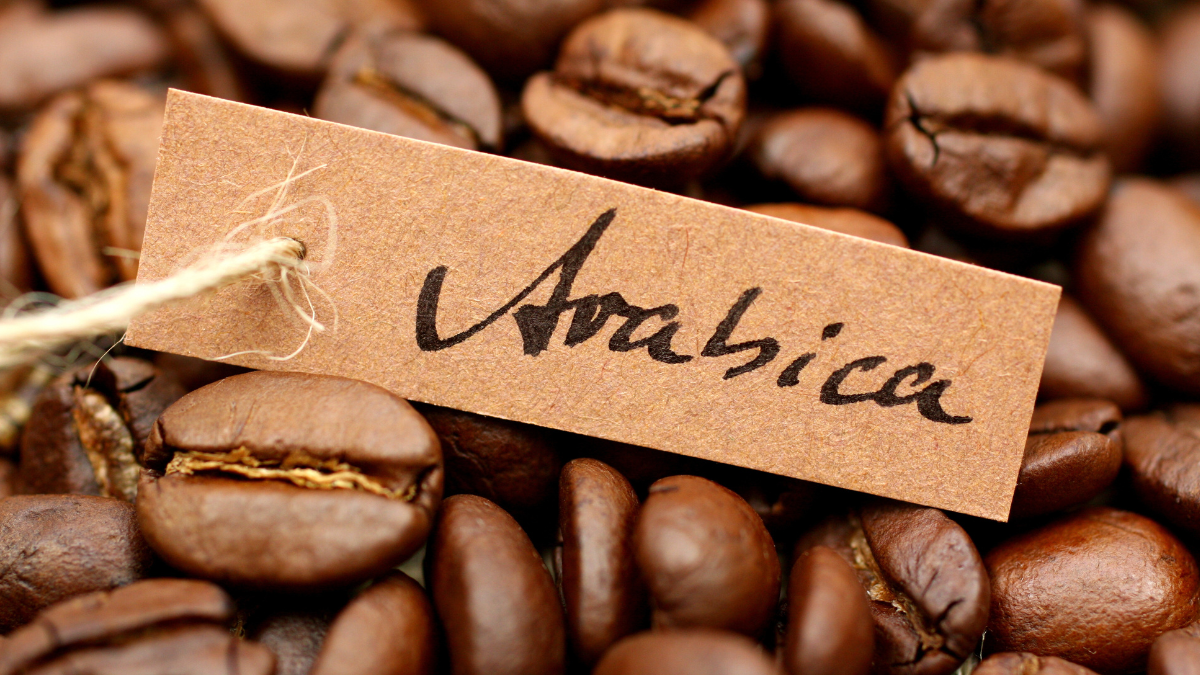
The catalogue lists Arabica parchment (HS 0901.11) which is coffee at the parchment stage, Arabica cherry (HS 0901.11) representing green unroasted beans, and Robusta cherry (HS 0901.11) for the Robusta variety. Arecanut (HS 0802.80) is offered as dried kernels and Pepper (HS 0904.11) as dried peppercorns. In the global coffee trade, Arabica beans are commonly graded by screen size (e.g., 15/16, 17/18) and moisture content around 10‑12 %, with cupping scores used to assess flavor. Robusta is typically evaluated for higher caffeine content (≈2.2‑2.7 %) and a stronger body. Arecanut kernels are usually graded by size and moisture (9‑11 %). Pepper is traded in grades such as SPP (Standard Pepper) and MCP (Medium‑Cured Pepper) with moisture limits of 12‑13 % and oil content around 45‑55 %. Buyers often request certificates of analysis confirming these parameters.
Trade and Export Information - BYNEKERE ESTATES
India is a major exporter of coffee, arecanut and black pepper, with the European Union, United States and Middle‑East regions accounting for the largest shares. HS chapter 09 covers coffee and pepper, while chapter 08 covers arecanut, and customs authorities frequently require phytosanitary certificates, origin declarations and, for coffee, compliance with the International Coffee Organization’s quality guidelines. Common buyer‑required certifications include Rainforest Alliance, Fairtrade, Organic (USDA‑NOP or EU‑Organic) and ISO 22000 for food safety. Export packaging typically uses jute bags of 60 kg for coffee, polypropylene bags of 50 kg for arecanut, and 25 kg paper sacks for pepper, all sealed for moisture protection. Standard Incoterms used by Indian exporters are FOB Chikmagalur port or CIF destination, with container loads of 20 ft or 40 ft depending on product volume.
Sourcing from BYNEKERE ESTATES - Buyer Guidance
When sourcing coffee from this supplier, request a recent cupping report, moisture analysis (10‑12 % for parchment, ≤12 % for green beans) and a phytosanitary certificate. For arecanut, ask for size grading, moisture content (9‑11 %) and a pesticide residue test. Pepper buyers should verify oil content (45‑55 %) and request a pungency test (Scoville units) if relevant. In all cases, obtain a full material safety data sheet and, where applicable, proof of organic certification if organic status is needed. Verify that the HS codes on commercial invoices match the catalogue entries (0901.11, 0802.80, 0904.11) to avoid customs delays.
Frequently Asked Questions About BYNEKERE ESTATES
What coffee varieties does BYNEKERE ESTATES offer?
The supplier lists Arabica parchment, Arabica cherry (green unroasted beans) and Robusta cherry, all under HS code 0901.11. Arabica is typically used for specialty blends, while Robusta provides higher caffeine and a stronger body.
Which HS codes apply to the listed products?
Coffee products (Arabica parchment, Arabica cherry, Robusta cherry) use HS 0901.11. Arecanut uses HS 0802.80 and Pepper uses HS 0904.11. These codes are standard for green coffee, dried arecanut kernels and dried peppercorns respectively.
What are the typical packaging formats for these goods?
Coffee is usually packed in 60 kg jute bags, arecanut in 50 kg polypropylene bags, and pepper in 25 kg paper sacks. Packaging is designed to protect moisture levels and facilitate container loading.
Which certifications should a buyer request?
Buyers commonly ask for Rainforest Alliance or Fairtrade for coffee, Organic certification if required, ISO 22000 food‑safety compliance, and a phytosanitary certificate for all three products.
What is the usual minimum order quantity?
Importers often set a minimum of one 20 ft container, which translates to roughly 2 000 kg of coffee, 1 500 kg of arecanut or 1 200 kg of pepper, depending on product density and packaging.
What lead time can be expected for an order?
Lead times from Chikmagalur typically range from 30 to 45 days after order confirmation, allowing time for post‑harvest processing, quality testing and export documentation.
What Incoterms are most frequently used?
Exporters from India commonly quote FOB at the nearest port (e.g., Mangalore) or CIF to the buyer’s destination, with freight costs included in the latter.
How can a buyer obtain a sample?
Buyers should request a 5 kg sample of the desired coffee grade or a 2 kg sample of pepper, specifying the required analysis (moisture, cupping score, oil content). The supplier will ship the sample under a prepaid courier after receiving a signed sample agreement.




 Chikmagalur, India