Agriculture›
 Apparel and fashion accessories›
 Construction & real estate›💡Electronic & Electrical›🍎Food & Beverages›🛋️Home furnishing & supplies›⚗️Industrial goods & chemical›🪨Minerals & metals›📦Miscellaneous›Agriculture›Apparel and fashion accessories›Construction & real estate›💡Electronic & Electrical›🍎Food & Beverages›🛋️Home furnishing & supplies›⚗️Industrial goods & chemical›🪨Minerals & metals›📦Miscellaneous›
Elite International Product Catalog


About Elite International - Herbal Extracts Supplier in India
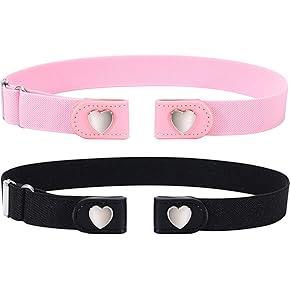
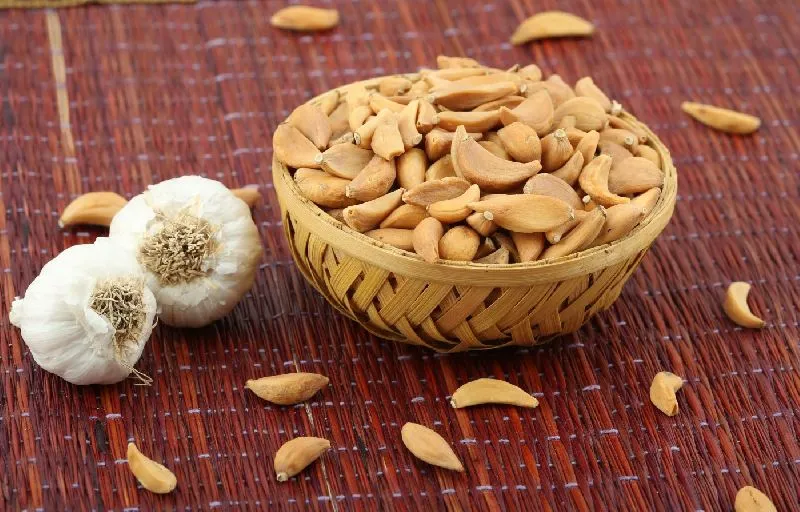
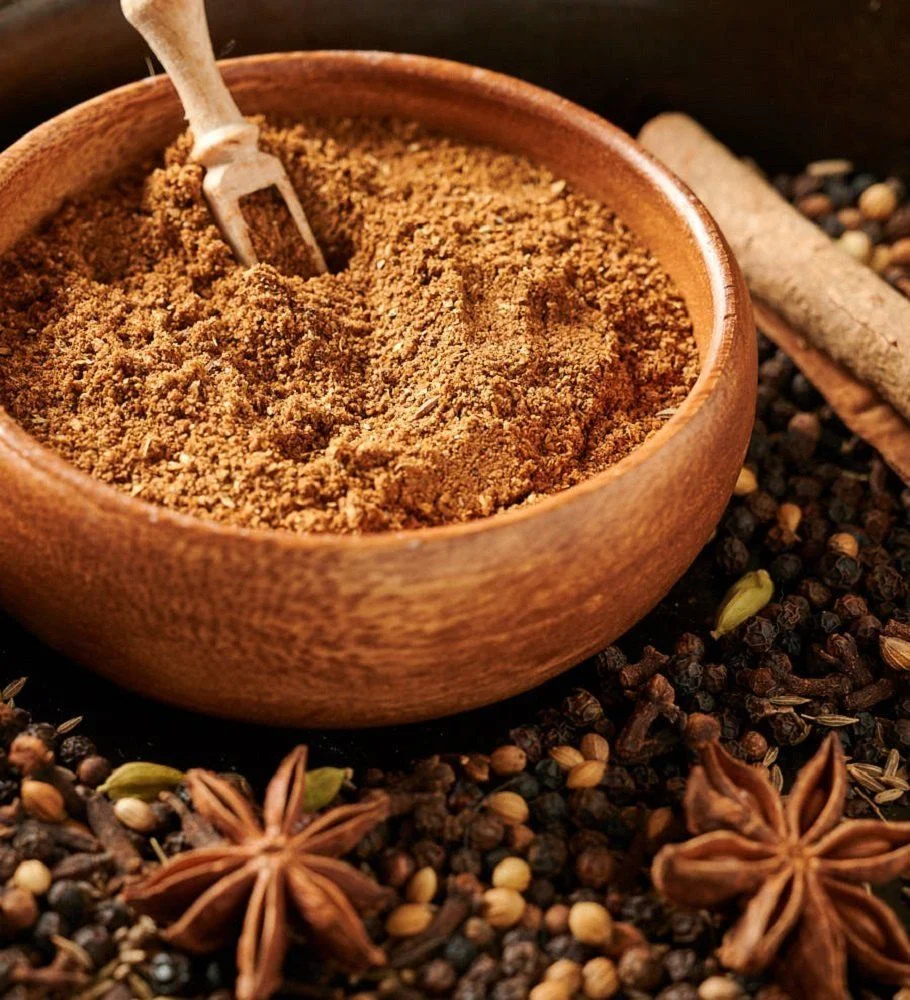
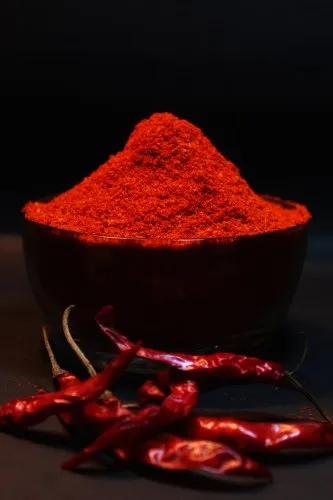
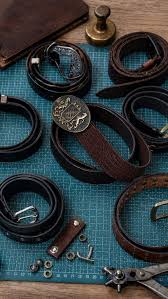
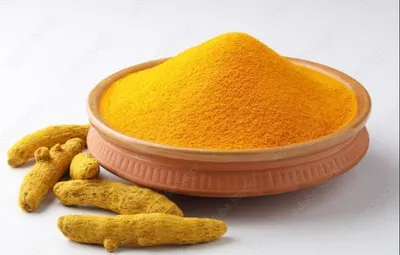
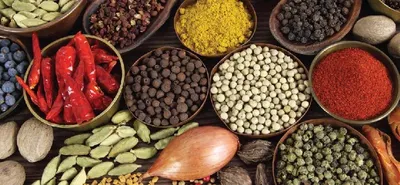
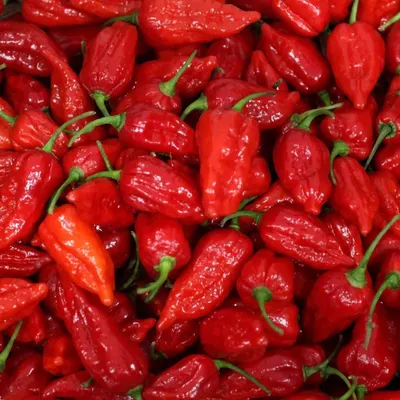
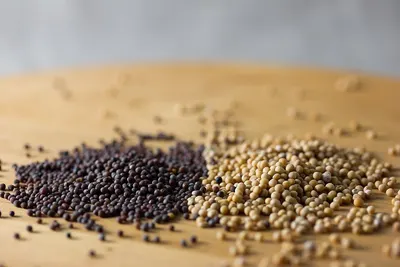
Elite International operates from India and maintains a catalogue of ten active products. The listed items cover both agricultural commodities and a leather accessory. The only product with a disclosed HS code is the Italian Reversible Belt, classified under HS 4203.30.00 for genuine leather goods. Other entries such as Dill Seeds, Red Chilli Flakes and Turmeric fall within the HS chapter 09 range for spices and vegetables. The remaining items include Quinoa Beej, Sangri, Oats, Ground Nut, Garlic and Aloe Vera Juice, representing typical food‑grade commodities.
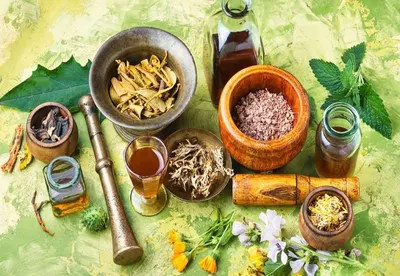
The supplier groups its offerings under top categories that include Herbal Extracts, Belts (Clothing Accessories), Spices, Fruit Juices, Red Chilli, Quinoa Seeds, Plants & Plant Extracts, and Turmeric. Herbal Extracts are represented by Aloe Vera juice, while the Belt entry reflects a clothing accessory made from Italian leather. Spice‑related items comprise Dill Seeds, Red Chilli Flakes and Turmeric, all of which are common export items from India. Grain and legume products consist of Quinoa Beej, Oats and Ground Nut, and the list also contains Garlic and the regional vegetable Sangri. This mix illustrates a focus on both consumable agricultural products and a single leather fashion item.
Product Range and Specialties of Elite International
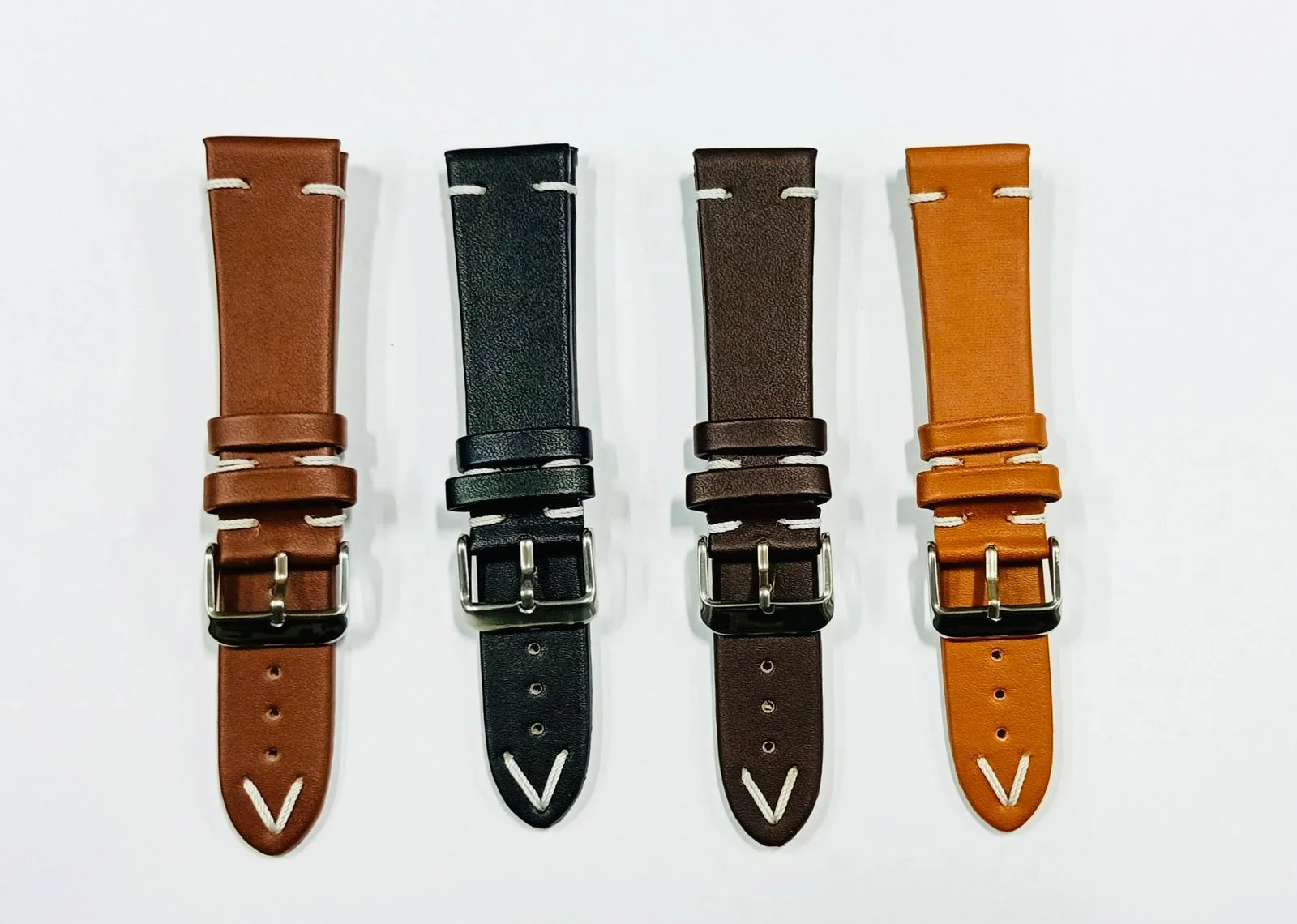
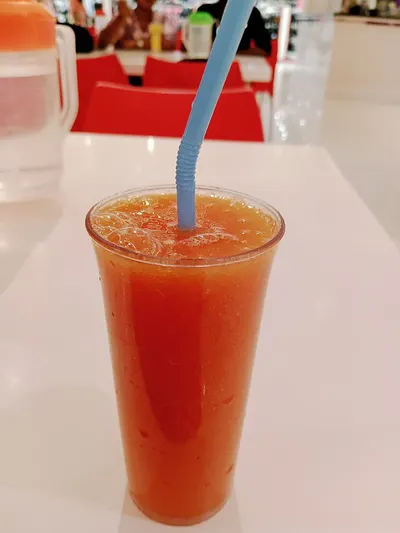
In the herbal extract segment, Aloe Vera juice is typically sold in 100 % pure form with a minimum Brix of 13 % and must meet food‑grade microbiological limits such as total plate count <10⁴ CFU/mL. Indian spice exports such as Dill Seeds, Red Chilli Flakes and Turmeric are generally graded by color intensity (e.g., Turmeric ICUMSA 40 - 50) and moisture content below 12 %. Quinoa seeds from India are harvested at 12 % moisture and are often supplied in 25 kg polypropylene bags meeting ISO 9001 quality management expectations. Ground Nut (peanut) and Garlic are packaged in 50 kg bulk bags, with standard specifications that include aflatoxin limits below 10 ppb for peanuts. The Italian Reversible Belt, classified under HS 4203.30.00, is produced from full‑grain leather and typically conforms to leather thickness of 1.2 - 1.5 mm and stitching strength of at least 30 N.
Buyers generally request material safety data sheets (MSDS) for food items and a leather test report for the belt, including tensile strength and dye fastness. Common certifications sought for these categories include ISO 22000 for food safety, HACCP compliance, and for leather goods, the REACH registration of chemicals used in tanning. Export packaging often follows international standards, with food items sealed in food‑grade polyethylene bags and the belt shipped in corrugated boxes with internal cushioning. Container loading for the ten products can be accommodated in a 20‑foot container, with the belt occupying approximately 0.2 m³ and bulk food items filling the remainder. The product mix allows a single shipment to serve both food ingredient buyers and fashion accessory importers.
Frequently Asked Questions About Elite International
What HS codes are used for the products listed by Elite International?
The only disclosed HS code is 4203.30.00 for the Italian Reversible Belt; food items such as Dill Seeds, Red Chilli Flakes and Turmeric fall under HS chapter 09 (e.g., 0907 for spices), Quinoa under HS 1006, and Garlic under HS 0703.
Which certifications should I request from Elite International for the herbal extract and spice products?
Buyers typically request ISO 22000 or HACCP certificates for food safety, a recent laboratory analysis confirming pesticide residues below Codex limits, and a phytosanitary certificate for each agricultural shipment.
How are the food products packaged for export?
Standard export packaging includes food‑grade polyethylene bags sealed with tamper‑evident tape, placed in 20‑ft containers; bulk items such as Oats and Ground Nut are loaded in 25 kg or 50 kg polypropylene bags, while the belt is boxed separately in a corrugated crate.
What documentation is required for customs clearance of the leather belt?
The belt shipment must be accompanied by a commercial invoice, packing list, certificate of origin, and, where the destination requires, a REACH compliance statement for the tanning chemicals used.
What are the typical lead times and minimum order quantities for the listed products?
Food commodities generally require 30 - 45 days from order confirmation, with common MOQs of 500 kg per spice; the leather belt is produced in 20 - 30 days with a typical MOQ of 100 units.
 India
Related Suppliers & Products
Explore similar suppliers, related products and trending categories