Texline Apparel Sourcing — Verified Manufacturer & Wholesale Supplier

About Texline Apparel Sourcing - Apparel Supplier in Bangladesh

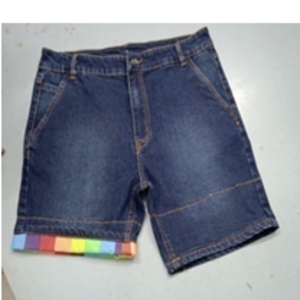
Texline Apparel Sourcing operates from Dhaka, Bangladesh and lists 48 distinct garment items in its catalogue. The catalogue covers a spectrum of apparel including polo‑style T‑shirts (HS 6109.10, 6105.10, 6205.20), single‑jersey round‑neck shirts (HS 6109.10), men’s vests (HS 6109.10), denim trousers and shorts (HS 6203.42, 6204.62), cotton‑polyester blends for jackets and sweatshirts (HS 6201.92, 6110.20), swimwear (HS 6211.11), and undergarments (HS 6211.43). Each entry specifies material composition such as 100 % cotton pique at 210‑220 gsm, cotton‑polyester blends at 60‑40 % ratios, and denim blends containing 97 % cotton and 3 % spandex. The HS‑code families range from 6105 to 6211, reflecting typical classifications for knitted and woven garments in international trade.

The supplier’s tier is marked as “organic,” indicating a focus on environmentally responsible sourcing within the Bangladeshi textile sector. Product listings also include variations in weight (e.g., 100‑140 gsm shirts, 160‑220 gsm polo shirts, 260‑280 gsm French‑terry shorts) and fabric constructions such as single jersey, pique, twill and fleece blends, providing buyers with detailed technical parameters for each garment type.

Product Range and Specialties of Texline Apparel Sourcing

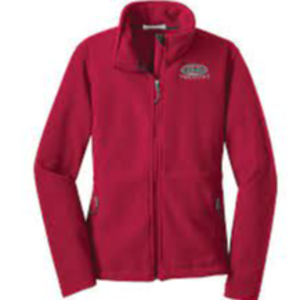
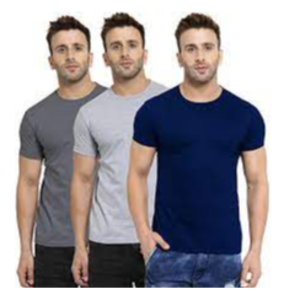
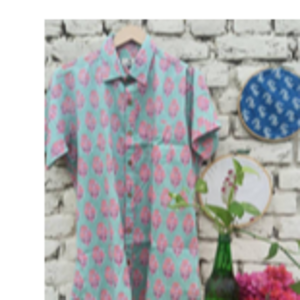
Texline’s catalogue includes cotton‑pique polo shirts (210‑220 gsm), single‑jersey T‑shirts (160‑180 gsm), denim jeans and chinos (11 oz GSM, 97 % cotton/3 % spandex), French‑terry shorts (260‑280 gsm) and fleece‑blend jackets (80 % cotton/20 % polyester). In the broader apparel industry, polo shirts are commonly offered in IC A‑grade cotton with a weight of 180‑220 gsm and a finished shrinkage tolerance of ±2 %. Denim typically conforms to 12‑oz (≈340 gsm) weight for heavyweight styles, while French‑terry fabrics are evaluated for loop density of 12‑14 loops per cm. Standard specifications for woven shirts include a thread count of 80‑100 threads per inch and a gram‑weight of 100‑140 gsm. Buyers often request Oeko‑Tex Standard 100 or GOTS certification for organic cotton items, and ISO 9001 quality‑management documentation for blended fabrics.

The material mix of cotton‑polyester blends (60 %/40 % or 80 %/20 %) is typical for mid‑range casual wear, offering durability and reduced shrinkage. Acrylic and wool blends used in sweaters are evaluated for fiber content (e.g., 50 % acrylic, 30 % wool, 20 % polyester) and a loft rating measured in mm. These industry benchmarks help buyers compare Texline’s offerings against global standards.

Trade and Export Information - Texline Apparel Sourcing

Bangladesh is the world’s fourth‑largest apparel exporter, with the EU, USA and Middle East accounting for the majority of shipment value. HS chapters 61 and 62, which cover knitted and woven garments respectively, are subject to routine customs inspection and require accurate declaration of fabric composition and weight. Importers typically request compliance with REACH (for chemical safety) and, for organic cotton, GOTS or Global Organic Textile Standard certification. Shipping is commonly arranged on 40‑ft containers, with a typical payload of 20‑22 metric tonnes for T‑shirts (≈1 kg per piece) and 18‑20 tonnes for heavier denim or fleece jackets. Incoterms such as FOB Dhaka or CIF destination port are standard, and packaging usually involves poly‑bagging per piece and bulk cartons of 60 × 40 × 40 cm for container loading.

Bangladeshi garment exporters benefit from government‑supported textile clusters that provide streamlined export documentation, including the Certificate of Origin and the Bangladesh Export Promotion Bureau (BEPB) approval. Buyers from North America and Europe often require third‑party inspection reports (e.g., SGS, Bureau Veritas) prior to shipment, especially for organic‑tier products.

Sourcing from Texline Apparel Sourcing - Buyer Guidance

When sourcing from Texline, buyers should request material safety data sheets (MSDS) for any synthetic blends, as well as Oeko‑Tex Standard 100 test reports for cotton fabrics. For organic‑labelled polo shirts, a GOTS certificate copy should be verified to confirm compliance with organic fibre percentages. Sample orders should specify the exact GSM, colourway and size range to match the catalogue description; a pre‑production sample is standard practice before bulk commitment.

Verify the HS code used on the commercial invoice matches the product description (e.g., 6105.10 for single‑jersey cotton T‑shirts). Request a fit sample for denim and chinos to assess cut and stretch, and obtain a wash‑fastness test report for fleece jackets. Confirm the supplier’s packaging plan, including poly‑bag weight, carton dimensions and any required labelling for country of origin.

Frequently Asked Questions About Texline Apparel Sourcing

What types of polo shirts does Texline Apparel Sourcing offer?

The catalogue lists cotton‑pique polo shirts at 210‑220 gsm under HS 6109.10, 6105.10 and 6205.20, as well as single‑jersey variants at 180‑200 gsm. All are 100 % cotton unless otherwise noted.

Which HS codes are used for denim products?

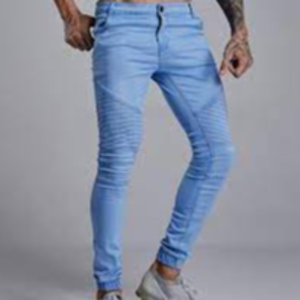
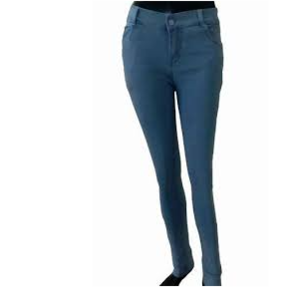
Denim trousers, jeans and chinos are classified under HS 6203.42 and HS 6204.62, reflecting woven cotton denim fabrics with typical weights of 11 oz (≈340 gsm) and blends containing 3 % spandex.

What certifications should a buyer request for organic cotton items?

Buyers should ask for GOTS or Global Organic Textile Standard certificates, along with Oeko‑Tex Standard 100 test reports to confirm the organic fibre content and absence of restricted chemicals.

What is the typical minimum order quantity (MOQ) for T‑shirts?

MOQ for single‑jersey T‑shirts generally starts at 500 pieces per colour and size, allowing efficient container loading and cost‑effective freight.

How long is the lead time from order confirmation to shipment?

For standard cotton garments the lead time is 30‑45 days, including fabric sourcing, cutting, sewing and final inspection. Faster lead times may be negotiated for pre‑approved samples.

What packaging format does Texline use for bulk shipments?

Products are poly‑bagged per piece, then packed in bulk cartons measuring approximately 60 × 40 × 40 cm. Cartons are stacked in 40‑ft containers following standard weight limits for the HS chapter.

Can I request a third‑party inspection before shipment?

Yes, buyers can arrange SGS, Bureau Veritas or other accredited inspection agencies to conduct pre‑shipment checks covering fabric composition, stitching quality and compliance with the declared HS codes.

Which markets typically import Texline’s apparel?

The primary export destinations are the United States, European Union member states and the Gulf Cooperation Council, where buyers frequently source casual wear, sportswear and denim from Bangladesh.


Featured Products from Texline Apparel Sourcing

Other Suppliers in Shirts

Top Trusted Suppliers

Related Products in Shirts

Trending in Parent Category

More Suppliers in Parent Category

Related Products

Other Suppliers

EximNext
58.4K+ live requirements
Register Free🎁 5 free buy-lead credits
Post Requirement
🌍 Trusted by 224.4K+ businesses in 200+ countries|
58.4K+ active requirements right now
✉️ [email protected]
|
Sell on EximNextPost Requirement
EximNext
AgricultureApparelConstructionElectronicFoodHomeIndustrialMineralsMiscellaneous
🔥 Deals|✨ AI Match|🏭 Suppliers|📋 Buy Leads|💰 Trade Finance|⭐ Upgrade
58.4K+ live RFQs·194.4K+ suppliers
🎁 5 free credits →
EximNext
EximNext
Register Free
🎁 5 free buy-lead credits
Sign In
📋Post Requirement💬Get QuotesAI Match📋RFQ Marketplace
All Categories
Services & Tools
🏭Supplier Directory🔥Today's Deals💰Trade FinanceMembership
Sell on EximNext
AboutContactBlogHelp
🏭

Texline Apparel Sourcing

🚢 Voyage
Country flag , BangladeshEst. 2017-01-01
🏆
9+
Years in Business
🛡️
88/100
Trust Score

Texline Apparel Sourcing Product Catalog

Showing 12 of 50 products
View all products →
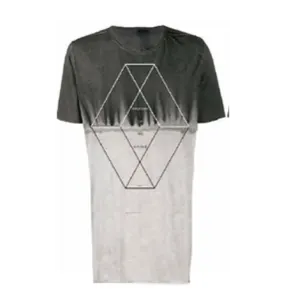
Men's T-shirt
🚢 Voyage
Men's T-shirt
Contact
MOQ: 1 Unit
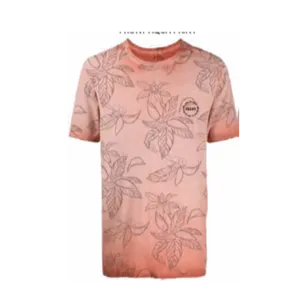
Men's T-shirt
🚢 Voyage
Men's T-shirt
Contact
MOQ: 1 Unit
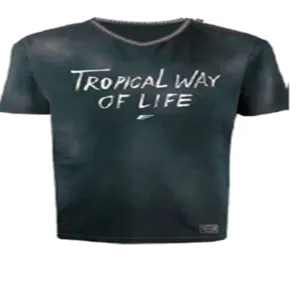
Men's T Shirts
🚢 Voyage
Men's T Shirts
Contact
MOQ: 1 Unit
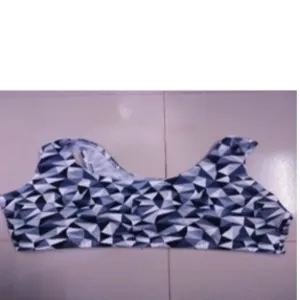
Ladies Sports Bra
🚢 Voyage
Ladies Sports Bra
Contact
MOQ: 1 Unit
Cami Tops
🚢 Voyage
Cami Tops
Contact
MOQ: 1 Unit
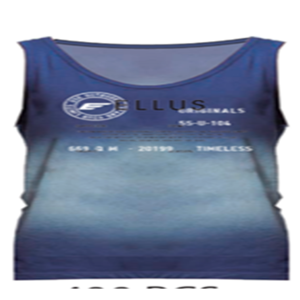
Men's Tank Top
🚢 Voyage
Men's Tank Top
Contact
MOQ: 1 Unit
Men's Boxer
🚢 Voyage
Men's Boxer
Contact
MOQ: 1 Unit
Leggings
🚢 Voyage
Leggings
Contact
MOQ: 1 Unit
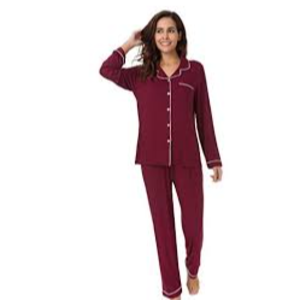
Women's Pajama Set
🚢 Voyage
Women's Pajama Set
Contact
MOQ: 1 Unit
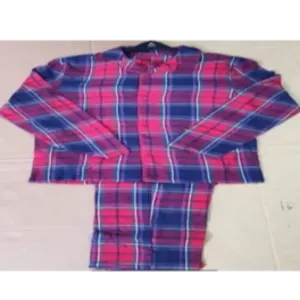
Men's Pajama Set
🚢 Voyage
Men's Pajama Set
Contact
MOQ: 1 Unit
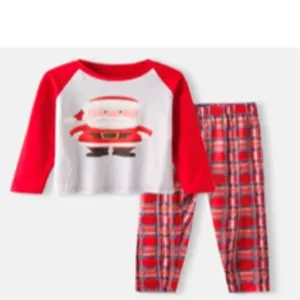
Boy's Pajama Set
🚢 Voyage
Boy's Pajama Set
Contact
MOQ: 1 Unit
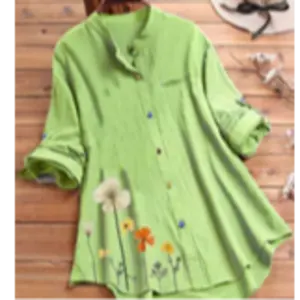
Ladies Shirt
🚢 Voyage
Ladies Shirt
Contact
MOQ: 1 Unit

About Texline Apparel Sourcing - Apparel Supplier in Bangladesh

Texline Apparel Sourcing operates from Dhaka, Bangladesh and lists 48 distinct garment items in its catalogue. The catalogue covers a spectrum of apparel including polo‑style T‑shirts (HS 6109.10, 6105.10, 6205.20), single‑jersey round‑neck shirts (HS 6109.10), men’s vests (HS 6109.10), denim trousers and shorts (HS 6203.42, 6204.62), cotton‑polyester blends for jackets and sweatshirts (HS 6201.92, 6110.20), swimwear (HS 6211.11), and undergarments (HS 6211.43). Each entry specifies material composition such as 100 % cotton pique at 210‑220 gsm, cotton‑polyester blends at 60‑40 % ratios, and denim blends containing 97 % cotton and 3 % spandex. The HS‑code families range from 6105 to 6211, reflecting typical classifications for knitted and woven garments in international trade.

The supplier’s tier is marked as “organic,” indicating a focus on environmentally responsible sourcing within the Bangladeshi textile sector. Product listings also include variations in weight (e.g., 100‑140 gsm shirts, 160‑220 gsm polo shirts, 260‑280 gsm French‑terry shorts) and fabric constructions such as single jersey, pique, twill and fleece blends, providing buyers with detailed technical parameters for each garment type.

Product Range and Specialties of Texline Apparel Sourcing

Texline’s catalogue includes cotton‑pique polo shirts (210‑220 gsm), single‑jersey T‑shirts (160‑180 gsm), denim jeans and chinos (11 oz GSM, 97 % cotton/3 % spandex), French‑terry shorts (260‑280 gsm) and fleece‑blend jackets (80 % cotton/20 % polyester). In the broader apparel industry, polo shirts are commonly offered in IC A‑grade cotton with a weight of 180‑220 gsm and a finished shrinkage tolerance of ±2 %. Denim typically conforms to 12‑oz (≈340 gsm) weight for heavyweight styles, while French‑terry fabrics are evaluated for loop density of 12‑14 loops per cm. Standard specifications for woven shirts include a thread count of 80‑100 threads per inch and a gram‑weight of 100‑140 gsm. Buyers often request Oeko‑Tex Standard 100 or GOTS certification for organic cotton items, and ISO 9001 quality‑management documentation for blended fabrics.

The material mix of cotton‑polyester blends (60 %/40 % or 80 %/20 %) is typical for mid‑range casual wear, offering durability and reduced shrinkage. Acrylic and wool blends used in sweaters are evaluated for fiber content (e.g., 50 % acrylic, 30 % wool, 20 % polyester) and a loft rating measured in mm. These industry benchmarks help buyers compare Texline’s offerings against global standards.

Trade and Export Information - Texline Apparel Sourcing

Bangladesh is the world’s fourth‑largest apparel exporter, with the EU, USA and Middle East accounting for the majority of shipment value. HS chapters 61 and 62, which cover knitted and woven garments respectively, are subject to routine customs inspection and require accurate declaration of fabric composition and weight. Importers typically request compliance with REACH (for chemical safety) and, for organic cotton, GOTS or Global Organic Textile Standard certification. Shipping is commonly arranged on 40‑ft containers, with a typical payload of 20‑22 metric tonnes for T‑shirts (≈1 kg per piece) and 18‑20 tonnes for heavier denim or fleece jackets. Incoterms such as FOB Dhaka or CIF destination port are standard, and packaging usually involves poly‑bagging per piece and bulk cartons of 60 × 40 × 40 cm for container loading.

Bangladeshi garment exporters benefit from government‑supported textile clusters that provide streamlined export documentation, including the Certificate of Origin and the Bangladesh Export Promotion Bureau (BEPB) approval. Buyers from North America and Europe often require third‑party inspection reports (e.g., SGS, Bureau Veritas) prior to shipment, especially for organic‑tier products.

Sourcing from Texline Apparel Sourcing - Buyer Guidance

When sourcing from Texline, buyers should request material safety data sheets (MSDS) for any synthetic blends, as well as Oeko‑Tex Standard 100 test reports for cotton fabrics. For organic‑labelled polo shirts, a GOTS certificate copy should be verified to confirm compliance with organic fibre percentages. Sample orders should specify the exact GSM, colourway and size range to match the catalogue description; a pre‑production sample is standard practice before bulk commitment.

Verify the HS code used on the commercial invoice matches the product description (e.g., 6105.10 for single‑jersey cotton T‑shirts). Request a fit sample for denim and chinos to assess cut and stretch, and obtain a wash‑fastness test report for fleece jackets. Confirm the supplier’s packaging plan, including poly‑bag weight, carton dimensions and any required labelling for country of origin.

Frequently Asked Questions About Texline Apparel Sourcing

What types of polo shirts does Texline Apparel Sourcing offer?

The catalogue lists cotton‑pique polo shirts at 210‑220 gsm under HS 6109.10, 6105.10 and 6205.20, as well as single‑jersey variants at 180‑200 gsm. All are 100 % cotton unless otherwise noted.

Which HS codes are used for denim products?

Denim trousers, jeans and chinos are classified under HS 6203.42 and HS 6204.62, reflecting woven cotton denim fabrics with typical weights of 11 oz (≈340 gsm) and blends containing 3 % spandex.

What certifications should a buyer request for organic cotton items?

Buyers should ask for GOTS or Global Organic Textile Standard certificates, along with Oeko‑Tex Standard 100 test reports to confirm the organic fibre content and absence of restricted chemicals.

What is the typical minimum order quantity (MOQ) for T‑shirts?

MOQ for single‑jersey T‑shirts generally starts at 500 pieces per colour and size, allowing efficient container loading and cost‑effective freight.

How long is the lead time from order confirmation to shipment?

For standard cotton garments the lead time is 30‑45 days, including fabric sourcing, cutting, sewing and final inspection. Faster lead times may be negotiated for pre‑approved samples.

What packaging format does Texline use for bulk shipments?

Products are poly‑bagged per piece, then packed in bulk cartons measuring approximately 60 × 40 × 40 cm. Cartons are stacked in 40‑ft containers following standard weight limits for the HS chapter.

Can I request a third‑party inspection before shipment?

Yes, buyers can arrange SGS, Bureau Veritas or other accredited inspection agencies to conduct pre‑shipment checks covering fabric composition, stitching quality and compliance with the declared HS codes.

Which markets typically import Texline’s apparel?

The primary export destinations are the United States, European Union member states and the Gulf Cooperation Council, where buyers frequently source casual wear, sportswear and denim from Bangladesh.

About Texline Apparel Sourcing - Apparel Supplier in Bangladesh

Texline Apparel Sourcing operates from Dhaka, Bangladesh and lists 48 distinct garment items in its catalogue. The catalogue covers a spectrum of apparel including polo‑style T‑shirts (HS 6109.10, 6105.10, 6205.20), single‑jersey round‑neck shirts (HS 6109.10), men’s vests (HS 6109.10), denim trousers and shorts (HS 6203.42, 6204.62), cotton‑polyester blends for jackets and sweatshirts (HS 6201.92, 6110.20), swimwear (HS 6211.11), and undergarments (HS 6211.43). Each entry specifies material composition such as 100 % cotton pique at 210‑220 gsm, cotton‑polyester blends at 60‑40 % ratios, and denim blends containing 97 % cotton and 3 % spandex. The HS‑code families range from 6105 to 6211, reflecting typical classifications for knitted and woven garments in international trade.

The supplier’s tier is marked as “organic,” indicating a focus on environmentally responsible sourcing within the Bangladeshi textile sector. Product listings also include variations in weight (e.g., 100‑140 gsm shirts, 160‑220 gsm polo shirts, 260‑280 gsm French‑terry shorts) and fabric constructions such as single jersey, pique, twill and fleece blends, providing buyers with detailed technical parameters for each garment type.

Product Range and Specialties of Texline Apparel Sourcing

Texline’s catalogue includes cotton‑pique polo shirts (210‑220 gsm), single‑jersey T‑shirts (160‑180 gsm), denim jeans and chinos (11 oz GSM, 97 % cotton/3 % spandex), French‑terry shorts (260‑280 gsm) and fleece‑blend jackets (80 % cotton/20 % polyester). In the broader apparel industry, polo shirts are commonly offered in IC A‑grade cotton with a weight of 180‑220 gsm and a finished shrinkage tolerance of ±2 %. Denim typically conforms to 12‑oz (≈340 gsm) weight for heavyweight styles, while French‑terry fabrics are evaluated for loop density of 12‑14 loops per cm. Standard specifications for woven shirts include a thread count of 80‑100 threads per inch and a gram‑weight of 100‑140 gsm. Buyers often request Oeko‑Tex Standard 100 or GOTS certification for organic cotton items, and ISO 9001 quality‑management documentation for blended fabrics.

The material mix of cotton‑polyester blends (60 %/40 % or 80 %/20 %) is typical for mid‑range casual wear, offering durability and reduced shrinkage. Acrylic and wool blends used in sweaters are evaluated for fiber content (e.g., 50 % acrylic, 30 % wool, 20 % polyester) and a loft rating measured in mm. These industry benchmarks help buyers compare Texline’s offerings against global standards.

Trade and Export Information - Texline Apparel Sourcing

Bangladesh is the world’s fourth‑largest apparel exporter, with the EU, USA and Middle East accounting for the majority of shipment value. HS chapters 61 and 62, which cover knitted and woven garments respectively, are subject to routine customs inspection and require accurate declaration of fabric composition and weight. Importers typically request compliance with REACH (for chemical safety) and, for organic cotton, GOTS or Global Organic Textile Standard certification. Shipping is commonly arranged on 40‑ft containers, with a typical payload of 20‑22 metric tonnes for T‑shirts (≈1 kg per piece) and 18‑20 tonnes for heavier denim or fleece jackets. Incoterms such as FOB Dhaka or CIF destination port are standard, and packaging usually involves poly‑bagging per piece and bulk cartons of 60 × 40 × 40 cm for container loading.

Bangladeshi garment exporters benefit from government‑supported textile clusters that provide streamlined export documentation, including the Certificate of Origin and the Bangladesh Export Promotion Bureau (BEPB) approval. Buyers from North America and Europe often require third‑party inspection reports (e.g., SGS, Bureau Veritas) prior to shipment, especially for organic‑tier products.

Sourcing from Texline Apparel Sourcing - Buyer Guidance

When sourcing from Texline, buyers should request material safety data sheets (MSDS) for any synthetic blends, as well as Oeko‑Tex Standard 100 test reports for cotton fabrics. For organic‑labelled polo shirts, a GOTS certificate copy should be verified to confirm compliance with organic fibre percentages. Sample orders should specify the exact GSM, colourway and size range to match the catalogue description; a pre‑production sample is standard practice before bulk commitment.

Verify the HS code used on the commercial invoice matches the product description (e.g., 6105.10 for single‑jersey cotton T‑shirts). Request a fit sample for denim and chinos to assess cut and stretch, and obtain a wash‑fastness test report for fleece jackets. Confirm the supplier’s packaging plan, including poly‑bag weight, carton dimensions and any required labelling for country of origin.

Frequently Asked Questions About Texline Apparel Sourcing
What types of polo shirts does Texline Apparel Sourcing offer?
The catalogue lists cotton‑pique polo shirts at 210‑220 gsm under HS 6109.10, 6105.10 and 6205.20, as well as single‑jersey variants at 180‑200 gsm. All are 100 % cotton unless otherwise noted.
Which HS codes are used for denim products?
Denim trousers, jeans and chinos are classified under HS 6203.42 and HS 6204.62, reflecting woven cotton denim fabrics with typical weights of 11 oz (≈340 gsm) and blends containing 3 % spandex.
What certifications should a buyer request for organic cotton items?
Buyers should ask for GOTS or Global Organic Textile Standard certificates, along with Oeko‑Tex Standard 100 test reports to confirm the organic fibre content and absence of restricted chemicals.
What is the typical minimum order quantity (MOQ) for T‑shirts?
MOQ for single‑jersey T‑shirts generally starts at 500 pieces per colour and size, allowing efficient container loading and cost‑effective freight.
How long is the lead time from order confirmation to shipment?
For standard cotton garments the lead time is 30‑45 days, including fabric sourcing, cutting, sewing and final inspection. Faster lead times may be negotiated for pre‑approved samples.
What packaging format does Texline use for bulk shipments?
Products are poly‑bagged per piece, then packed in bulk cartons measuring approximately 60 × 40 × 40 cm. Cartons are stacked in 40‑ft containers following standard weight limits for the HS chapter.
Can I request a third‑party inspection before shipment?
Yes, buyers can arrange SGS, Bureau Veritas or other accredited inspection agencies to conduct pre‑shipment checks covering fabric composition, stitching quality and compliance with the declared HS codes.
Which markets typically import Texline’s apparel?
The primary export destinations are the United States, European Union member states and the Gulf Cooperation Council, where buyers frequently source casual wear, sportswear and denim from Bangladesh.

🏭
Texline Apparel Sourcing
Country flag , Bangladesh
🚢 Voyage
88/100
Trust Score
📦
50
Products
Free to contact — no commission
Escrow payment available
Verified business identity
Compare more suppliers
Post a requirement — get 10 quotes free
Let verified suppliers compete for your business. Free, fast, no commitment.
EximNext Verified Supplier
Business identity verified
Physical address confirmed
Financial history checked
Certifications authenticated
Trade references validated
Due Diligence
Verify this supplier's real shipping history.
Every shipment, every buyer, every port. Trade data that can't be faked.
Run due diligence →
Discover More

Related Suppliers & Products

Explore similar suppliers, related products and trending categories

Featured Products from Texline Apparel Sourcing

Other Suppliers in Shirts

Top Trusted Suppliers

Related Products in Shirts

Trending in Parent Category

More Suppliers in Parent Category

Stay ahead in global trade
Weekly market insights & new supplier alerts.
EximNext
Exim Next is a leading global B2B marketplace, connecting over 205,000 verified suppliers and buyers across 200+ countries. As a trusted import export marketplace, it serves as the essential B2B portal for businesses worldwide, empowering them to expand their international reach. With Exim Next, businesses can trade smarter and grow faster.
SECURE PAYMENTS
VISAMastercardPayPalSWIFTL/CEscrow
Follow us
© 2026 EximNext