SUN CHERRY BODY FASHIONS MFTY LTD. — Verified Manufacturer & Wholesale Supplier
About SUN CHERRY BODY FASHIONS MFTY LTD. - Apparel Supplier in Bangladesh
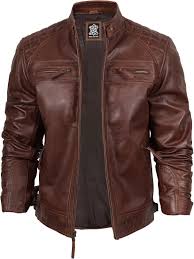
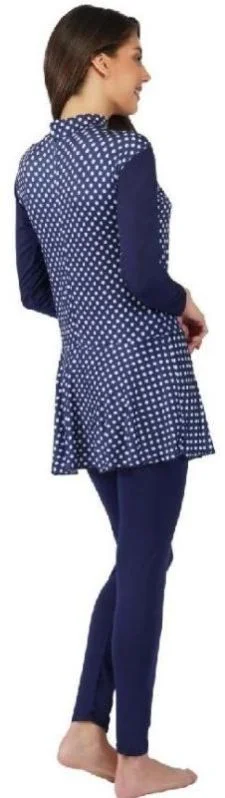
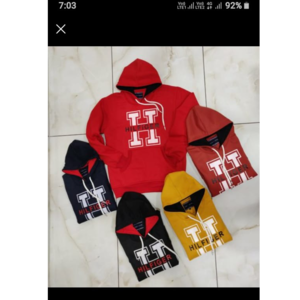
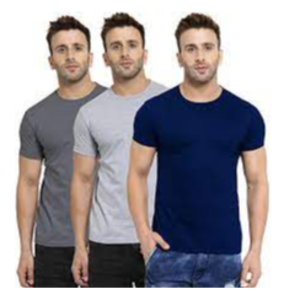
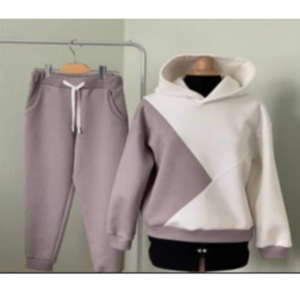
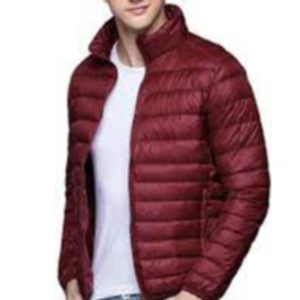
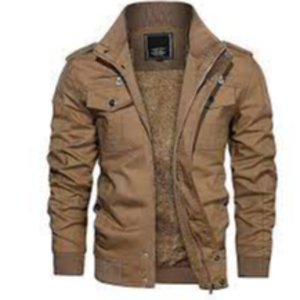
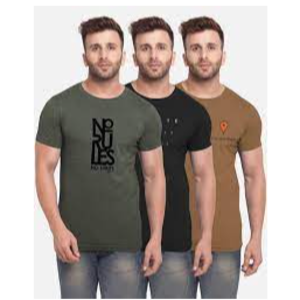
Bangladesh, Dhaka, lists ten active products in its catalogue. The company offers garments such as T‑shirts (HS 6109.10, 100 % cotton), hoodies (HS 6110.20, 80 % polyester / 20 % cotton), polo shirts (HS 6105.10, piqué cotton or cotton‑polyester blends), track suits (HS 6110.20, polyester/cotton blends), sweat suits (HS 6112.12, polycotton fleece or French‑terry cotton), shirts (HS 5208.21, 100 % cotton woven fabric), jeans pants (HS 6203.42, cotton denim), jackets (HS 6201.92, cotton or cotton‑polyester), and padded jackets (HS 6201.92, polyester or nylon shell with polyester fiber fill). The catalogue also includes a non‑apparel item, a natural sugar substitute blend classified under HS 2106.90.
The listed categories cover casual wear (hoodies, sweatshirts, T‑shirts), sportswear (polo shirts, track suits), and outerwear (jackets, padded jackets). Each entry specifies the material composition and the corresponding HS‑code family, providing a clear view of the product mix that the supplier can source or manufacture for international buyers.
Product Range and Specialties of SUN CHERRY BODY FASHIONS MFTY LTD.
The product list includes standard garment types that are common in the global apparel market. T‑shirts of 100 % cotton are typically produced in a weight range of 150‑180 g m⁻², while hoodies with an 80/20 polyester‑cotton blend often use fleece fabrics of 260‑300 g m⁻². Polo shirts made from piqué cotton usually have a GSM of 180‑210 and may be offered in single‑ or double‑needle stitching. Track suits and sweat suits using polyester‑cotton blends are frequently finished with brushed interiors for comfort, and French‑terry cotton sweat suits commonly meet a loop pile height of 6‑8 mm. Denim jeans are generally woven in 12‑16 oz (approximately 340‑440 g m⁻²) denim, and jackets may be constructed from 100 % cotton woven fabric of 200‑250 g m⁻² or blended fabrics with a similar weight. Padded jackets often combine a polyester or nylon outer shell with a polyester fiber fill of 30‑45 mm thickness for insulation.
Industry standards for these categories include compliance with ISO 9001 for quality management, Oeko‑Tex Standard 100 for textile safety, and, where applicable, the Global Organic Textile Standard (GOTS) for organic cotton blends. Buyers also look for colourfastness to washing (AATCC 61) and dimensional stability (AATCC 135) test reports for finished garments.
Trade and Export Information - SUN CHERRY BODY FASHIONS MFTY LTD.
Bangladesh is the world’s second‑largest exporter of ready‑made garments, with the EU, United States, and Middle‑East regions accounting for the majority of outbound shipments. HS‑code families 6101‑6117 (knit apparel) and 6201‑6205 (woven apparel) dominate container loads, typically packed in 20‑ft or 40‑ft containers with 22‑25 kg per carton for T‑shirts and 18‑20 kg per carton for outerwear. Common certifications requested by importers include BSCI, WRAP, and Oeko‑Tex, while many buyers require a compliance declaration for the EU REACH regulation on restricted substances. Export logistics from Chittagong port usually follow CIF or FOB terms, with standard packaging of poly‑bagged garments placed in corrugated cartons, stacked on pallets conforming to ISPM 15 for wood treatment.
Because the catalogue also contains a food‑grade product (natural sugar substitute, HS 2106.90), exporters must observe separate regulatory regimes such as the Codex Alimentarius standards and Bangladesh’s Food Safety and Standards Authority (BFSA) requirements. However, the primary apparel items fall under the textile export framework, where customs clearance relies on accurate HS‑code declaration, country of origin marking, and compliance with the World Trade Organization’s Agreement on Textiles and Clothing (ATC).
Sourcing from SUN CHERRY BODY FASHIONS MFTY LTD. - Buyer Guidance
When sourcing garments from this supplier, buyers should request material composition certificates, fabric weight (GSM) data sheets, and test reports for colourfastness, shrinkage, and seam strength. For blended fabrics, a blend ratio verification (e.g., 80 % polyester / 20 % cotton) and a yarn count specification help confirm consistency. Sample orders should include size‑set prototypes (S‑M‑L‑XL) with lab‑dip approvals before bulk production.
Buyers are advised to verify that the supplier can provide Oeko‑Tex or GOTS certificates if organic or low‑chemical content is required, and to confirm that the padded jackets meet insulation thickness specifications. Standard minimum order quantities (MOQ) for T‑shirts and polo shirts range from 500 to 1 000 pieces per colour, with lead times of 30‑45 days from sample approval to shipment. Packaging should be confirmed as poly‑bagged, cartonised, and palletised to ISO‑standard dimensions for efficient container loading.
Frequently Asked Questions About SUN CHERRY BODY FASHIONS MFTY LTD.
What garment categories are listed in the supplier’s catalogue?
The catalogue includes T‑shirts, hoodies, polo shirts, track suits, sweat suits, shirts, jeans pants, jackets and padded jackets, each identified with a specific HS code and material composition.
Which HS codes apply to the listed apparel products?
T‑shirts are HS 6109.10, hoodies and track suits HS 6110.20, polo shirts HS 6105.10, sweat suits HS 6112.12, shirts HS 5208.21, jeans pants HS 6203.42, and jackets and padded jackets HS 6201.92.
What material blends are used for the hoodies and track suits?
Both hoodies and track suits are described as polyester/cotton blends, specifically an 80 % polyester / 20 % cotton ratio for hoodies and a generic polyester‑cotton blend for track suits.
Are any certifications currently held by the supplier?
The supplied facts do not list any certifications held by the supplier; buyers should request copies of Oeko‑Tex, BSCI or other relevant certificates during the qualification process.
What is the typical minimum order quantity for T‑shirts or polo shirts?
Typical MOQs for basic T‑shirts and polo shirts from Bangladeshi manufacturers range from 500 to 1 000 pieces per colour, subject to confirmation with the supplier.
What lead time should a buyer expect after sample approval?
Lead times commonly reported for bulk production of these garments are 30‑45 days, depending on the complexity of the design and the availability of fabric.
How are the garments packaged for export?
Standard export packaging involves individual poly‑bagging of each garment, followed by placement in corrugated cartons (usually 20‑25 kg per carton for T‑shirts) and palletisation according to ISPM 15 standards.
What documentation is recommended before placing a purchase order?
Buyers should obtain a material composition certificate, fabric weight data sheet, colourfastness and shrinkage test reports, and, where required, Oeko‑Tex or GOTS certification before finalising the order.




 , Bangladesh