Demac Enterprises — Verified Supplier
About Demac Enterprises - Plastic Raw Materials Supplier in India
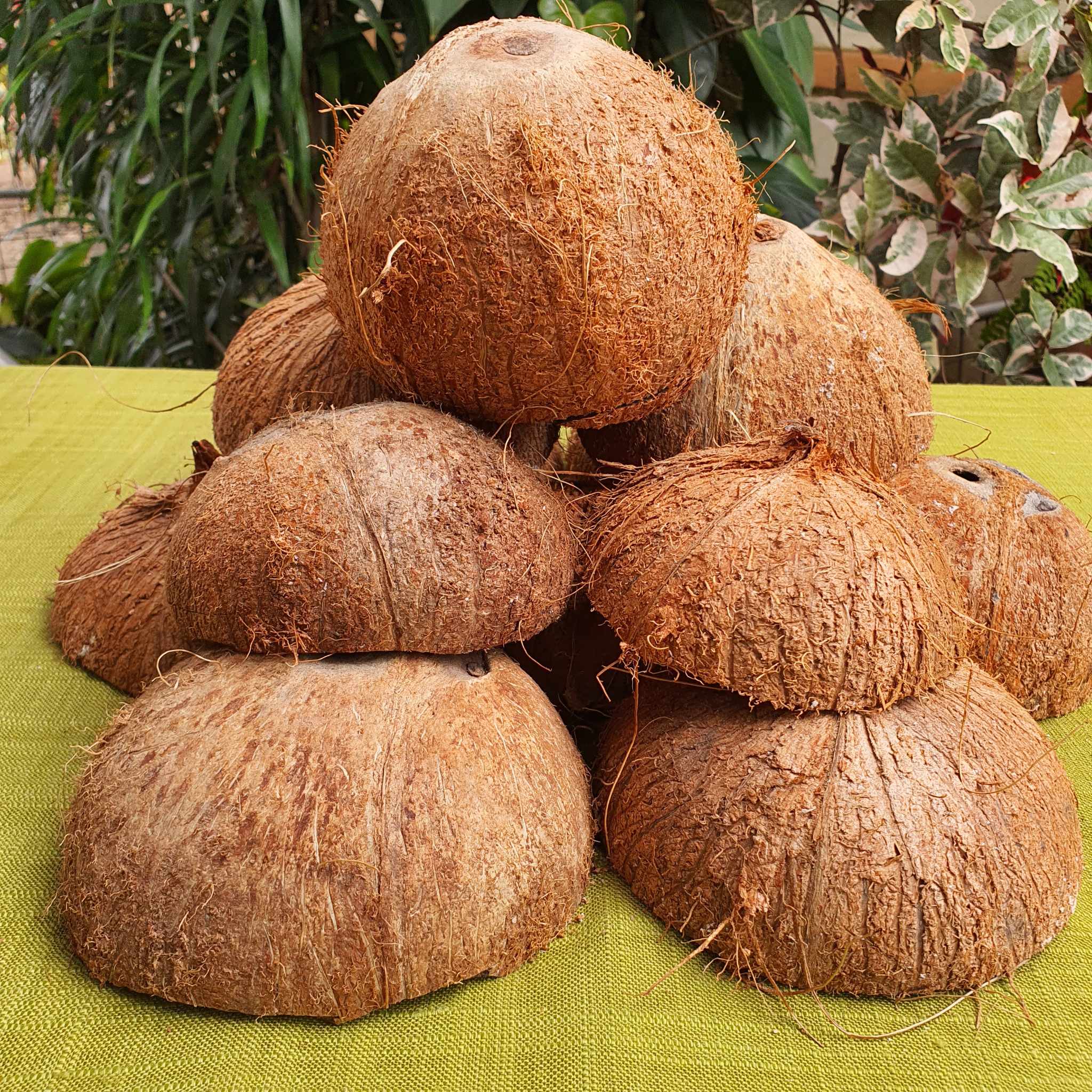
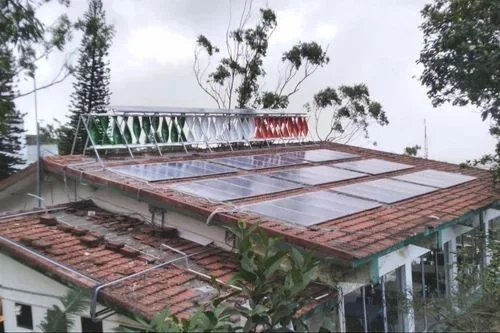
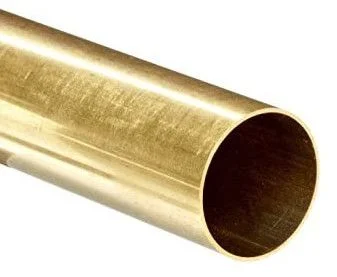
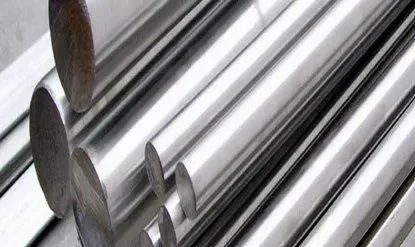
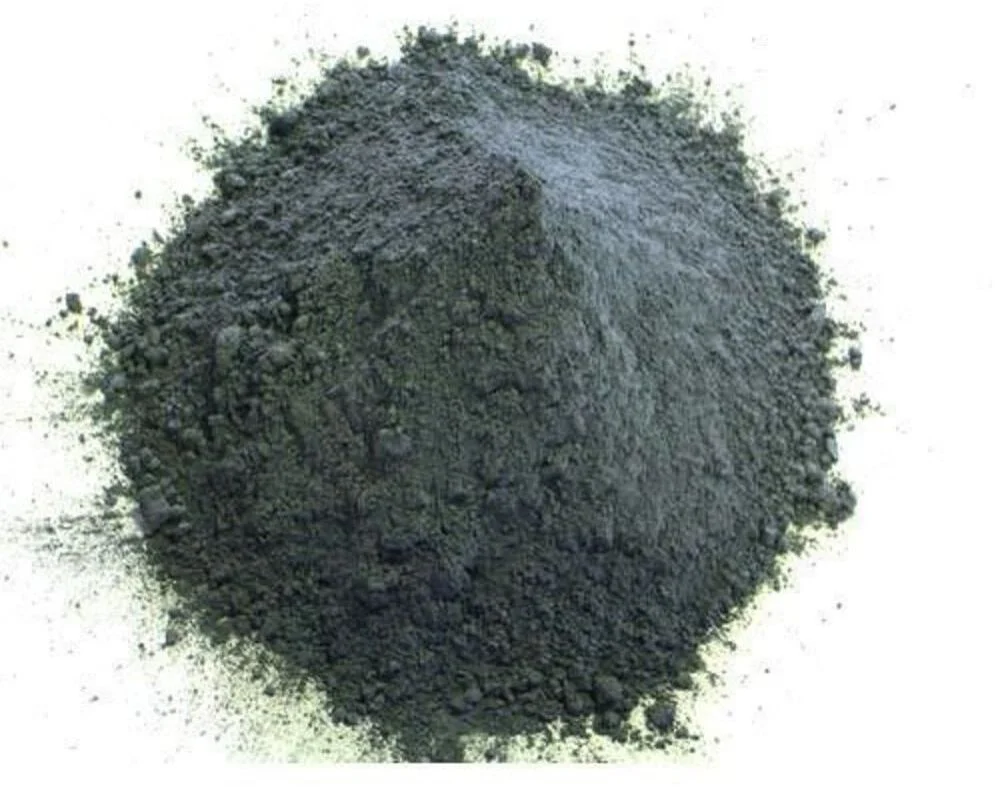
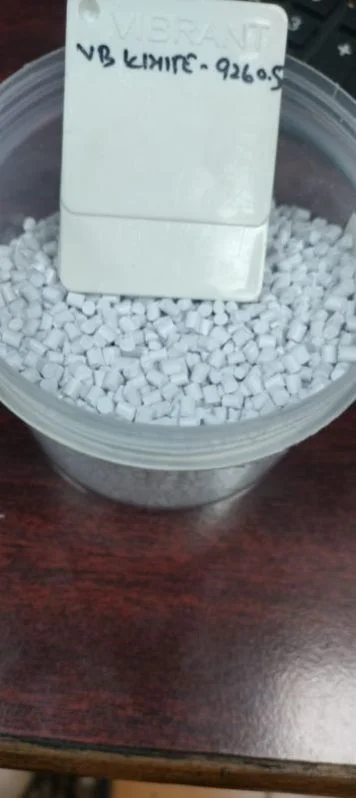
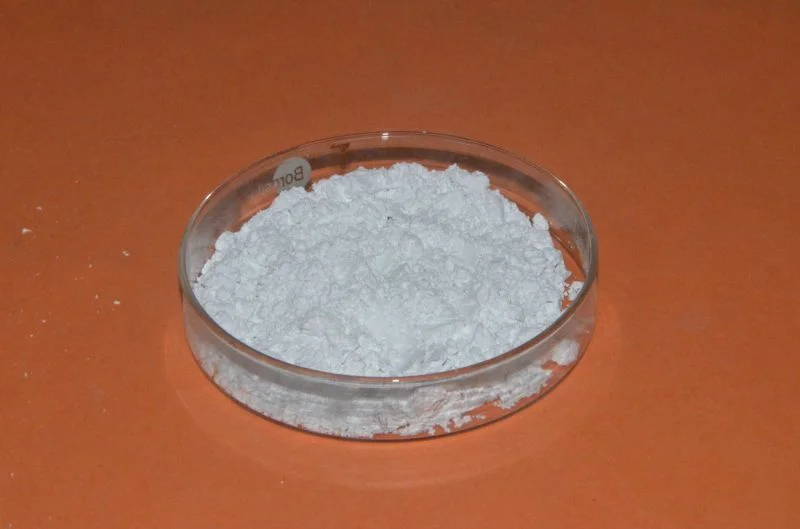
Demac Enterprises is based in India and currently lists ten active products across five broad categories: plastic raw materials, heat exchangers, steel and stainless‑steel tubes, and coconut oil plus related by‑products. The catalogue includes UV absorber additive powder, polymer masterbatch, antioxidant powder, two types of heat exchangers (air‑cooled and shell‑and‑tube), a bagging weighing system, finned tubes, stainless‑steel tube fittings, virgin coconut oil and coconut vinegar. Each entry is identified by its material composition where applicable, such as carbon steel or stainless steel grades 304/316 for the finned tubes, and by HS codes for the tube products (7304.90 for finned tubes and 7307.29 for fittings). The supplier’s trust tier is listed as "harbor", indicating a mid‑level verification level within the platform’s rating system.
The product list reflects common industrial inputs: the plastic additives are supplied as powders suitable for compounding, while the heat exchangers are described by cooling method rather than detailed dimensions. The steel and stainless‑steel tube items are offered in standard pipe forms, with material grades varying by customer requirement. The coconut products are presented as virgin oil and vinegar, typical food‑grade outputs from coconut processing. No additional certifications are claimed in the source data, so buyers should verify relevant quality and safety certificates before placing orders.
Product Range and Specialties of Demac Enterprises
Demac Enterprises’ catalogue covers three plastic raw material powders - UV absorbers, antioxidants and a polymer masterbatch - which are standard inputs for PVC, PE and PP compounding. In the industry, UV absorbers are often specified by concentration (e.g., 2‑5 % by weight) and absorption peak (300‑400 nm), antioxidants by type (phenolic, thio) and dosage, and masterbatches by color index and melt flow rate. The heat exchanger segment includes an air‑cooled unit and a shell‑and‑tube unit, both of which are typically designed to ASME Section VIII standards, with shell‑and‑tube models rated for pressures up to 250 psi and temperature differentials of 30‑80 °C. The finned tubes (HS 7304.90) are supplied in carbon steel or stainless steel 304/316, matching common ASTM A53 or A312 specifications, while the stainless‑steel fittings (HS 7307.29) conform to ASTM A403 for seamless pipe fittings. Virgin coconut oil is generally marketed as 99.8 % free‑fatty‑acid, moisture ≤ 0.02 % and meets Codex Alimentarius standards; coconut vinegar is typically produced to a 5‑6 % acetic acid level and packaged in food‑grade containers.
Trade and Export Information - Demac Enterprises
India is a major exporter of both industrial metal components and edible coconut products. Steel tubes and fittings from India commonly ship to the Middle East, Southeast Asia and European markets, where they are used in construction, oil‑field services and food‑processing equipment. The relevant HS chapters (7304 and 7307) are subject to standard customs valuations and often require a certificate of origin and compliance with ISO 9001 or ISO 14001 for quality and environmental management. Coconut oil and vinegar are classified under HS 1509 and HS 2106 respectively; major importers include the United States, the United Arab Emirates and EU member states, which typically demand a phytosanitary certificate, a food safety audit (e.g., HACCP) and a declaration of free‑from‑pesticide residues. Bulk shipments of the metal products are usually packed in wooden crates or steel drums, sized for 20‑ft or 40‑ft containers, while coconut oil is shipped in food‑grade drums or IBCs with sealed lids to prevent oxidation. Common Incoterms for these exports are FOB or CIF, depending on buyer preference.
Sourcing from Demac Enterprises - Buyer Guidance
When sourcing the plastic additive powders, buyers should request a material safety data sheet (MSDS), a certificate of analysis (CoA) showing purity, particle size distribution and UV‑absorption peak, and test reports for melt flow index if the masterbatch will be used in extrusion. For the heat exchangers, verify compliance with ASME pressure‑vessel codes, request engineering drawings, a performance test report (thermal efficiency, pressure drop) and, where applicable, a NACE corrosion‑resistance certification. Steel and stainless‑steel tube orders should be accompanied by mill test certificates (MTC) that confirm grade, chemical composition and mechanical properties (tensile strength, yield strength) in line with ASTM A53 or A312. For the virgin coconut oil, ask for a food‑grade analysis report covering free fatty acid content, moisture, peroxide value and a recent microbiological test; the coconut vinegar should be supplied with an acidity titration report and a HACCP audit summary. In all cases, confirm the supplier can provide a valid certificate of origin and that packaging meets the buyer’s logistics requirements before confirming the purchase.
Frequently Asked Questions About Demac Enterprises
What HS codes apply to the tube products listed by Demac Enterprises?
The finned tubes fall under HS code 7304.90 (Other tubes, pipes and hollow profiles of iron or steel) and the stainless‑steel tube fittings are classified under HS code 7307.29 (Other tube or pipe fittings of stainless steel).
Which material grades are offered for the finned tubes?
Finned tubes are supplied in carbon steel or stainless steel grades 304 and 316, with the exact grade selected according to the buyer’s specification.
What documentation should a buyer request for the UV absorber additive powder?
Buyers should request a Certificate of Analysis detailing purity, concentration, particle size, as well as an MSDS and any relevant ISO test reports for UV‑absorption performance.
Are the heat exchangers compliant with any international standards?
Both the air‑cooled and shell‑and‑tube heat exchangers are typically designed to meet ASME Section VIII pressure‑vessel standards; buyers can ask for the design certification and performance test data.
What are the typical quality parameters for virgin coconut oil from India?
Virgin coconut oil is generally expected to have a free fatty acid level ≤ 0.1 %, moisture ≤ 0.02 %, peroxide value ≤ 5 meq O₂/kg and must meet Codex Alimentarius food‑grade specifications.
Which certifications are commonly required for importing coconut vinegar?
Importers usually require a HACCP audit report, a phytosanitary certificate, and a laboratory analysis confirming acidity (5‑6 % acetic acid) and absence of microbial contamination.
What packaging formats are used for the steel tube shipments?
Steel tubes are typically packed in wooden crates or steel drums sized for 20‑ft or 40‑ft containers, with each crate labeled with the HS code and material grade.
How can a buyer verify the stainless‑steel tube fittings meet grade requirements?
Buyers should request a mill test certificate that lists the chemical composition and mechanical properties, confirming compliance with ASTM A403 for grades 304 or 316.




 , India