CV. Imzi Amanah Sejahtera — Verified Supplier
About CV. Imzi Amanah Sejahtera - Fresh Ginger Supplier in Indonesia
Indonesia‑based CV. Imzi Amanah Sejahtera lists five distinct products in its catalogue. The company’s active product count of 5 includes fresh ginger, white ginger, dehydrated ginger, dehydrated spices and a generic ginger entry. All items belong to the spice and aromatic plant segment, which is recorded under HS chapter 09 in international trade statistics. The supplier is classified in the harbor trust tier, indicating a mid‑level verification status on the platform. Its catalogue does not reference additional product families beyond the three top categories supplied.
The listed products are identified by their generic names rather than by specific grades or packaging formats. Fresh ginger is presented alongside a white‑ginger variant, while the dehydrated range covers both whole ginger and a broader spice mix. No HS codes are attached to individual items in the supplied data, but the product types align with standard HS headings for fresh and processed ginger (0909) and other dehydrated spices (0910). The supplier’s focus on these five items suggests a specialised but narrow portfolio within Indonesia’s spice export sector.
Product Range and Specialties of CV. Imzi Amanah Sejahtera
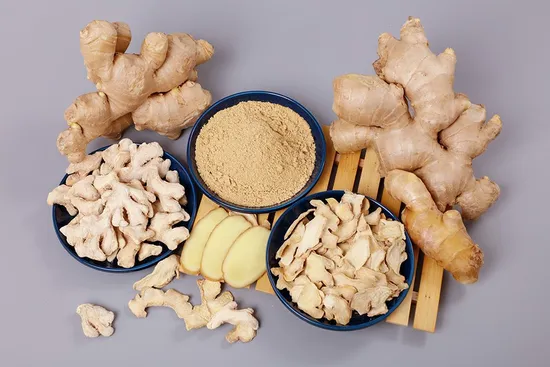
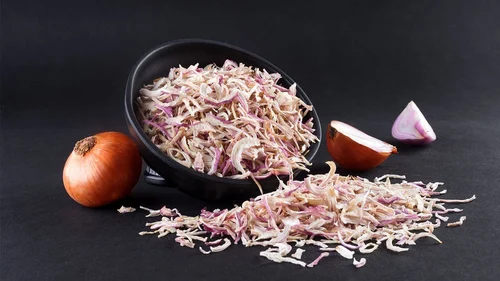
The catalogue covers fresh ginger (root of Zingiber officinale) and a white‑ginger variant that is typically harvested early to achieve a lighter colour and milder pungency. Fresh ginger exported from Indonesia is commonly graded by size (e.g., grade A >30 mm diameter) and moisture content below 12 %, with limits on foreign matter and pesticide residues set by Codex Alimentarius. Dehydrated ginger listed by the supplier falls under the processed spice segment; industry standards usually require final moisture below 8 % and a rehydration ratio of 1:5 to 1:6. Dehydrated spices, a broader category, are generally supplied as whole or ground pieces with moisture limits of 10 % and particle size specifications ranging from 0.5 mm to 2 mm depending on end‑use.
Typical packaging for fresh ginger from Indonesia is 20 kg polypropylene bags or bulk containers, while dehydrated ginger and spice mixes are often packed in 25 kg fiberboard bags or 1 ton bulk boxes for sea freight. Buyers frequently request a certificate of analysis that confirms moisture, ash, and volatile oil content, as well as a phytosanitary certificate in accordance with the importing country’s plant health regulations.
Trade and Export Information - CV. Imzi Amanah Sejahtera
Indonesia is among the world’s top exporters of ginger and related spices, with the majority of shipments destined for the European Union, the United States, the Middle East and Southeast Asian markets. HS code 0909 covers fresh ginger, and HS code 0910 covers dried ginger and other dehydrated spices, both of which are subject to customs inspections that verify phytosanitary compliance and residue limits. Export logistics typically involve 20 ft or 40 ft containers loaded at Jakarta or Surabaya ports, using Incoterms CIF or FOB depending on buyer preference.
Importing countries commonly require ISO 22000 or HACCP certification for food safety, as well as a phytosanitary certificate issued by the Indonesian Ministry of Agriculture. For the dehydrated segment, a Certificate of Origin may be requested to qualify for preferential tariffs under ASEAN trade agreements. Buyers should also anticipate possible laboratory testing on arrival for moisture, microbial load (e.g., total plate count <10 000 cfu/g) and pesticide residues to meet EU or US regulatory thresholds.
Sourcing from CV. Imzi Amanah Sejahtera - Buyer Guidance
When sourcing ginger or dehydrated spices from CV. Imzi Amanah Sejahtera, buyers should request a recent Certificate of Analysis that details moisture, ash, volatile oil percentage and any detected pesticide residues. A phytosanitary certificate and, where applicable, ISO 22000 or HACCP audit reports should be obtained before finalising the order to ensure compliance with major importing jurisdictions.
Samples are usually provided in 1 kg packs for fresh ginger and 500 g packs for dehydrated products, allowing verification of size grading, colour and aroma. Verify that packaging conforms to the stated specifications (e.g., 20 kg PP bags for fresh ginger) and that the supplier can meet typical lead times of 30‑45 days from order confirmation to shipment. Clarify the preferred Incoterm (FOB Jakarta or CIF destination) and confirm whether the supplier can arrange a Certificate of Origin for tariff benefits.
Frequently Asked Questions About CV. Imzi Amanah Sejahtera
What product varieties does CV. Imzi Amanah Sejahtera offer?
The supplier lists five items - fresh ginger, white ginger, generic ginger, dehydrated ginger and a blend of dehydrated spices - all classified under the spice segment.
Which HS codes apply to the listed products?
Fresh ginger and white ginger fall under HS 0909, while dehydrated ginger and other dehydrated spices are covered by HS 0910. The generic ginger entry aligns with the same HS chapters.
What quality parameters are typical for fresh ginger from Indonesia?
Buyers usually require a size grade of at least 30 mm diameter, moisture content below 12 %, foreign matter under 2 %, and pesticide residues within Codex limits (e.g., lead <0.1 ppm).
What specifications apply to the dehydrated ginger and spice mixes?
Industry standards call for final moisture below 8‑10 %, a rehydration ratio of about 1:5, and particle size between 0.5 mm and 2 mm for ground mixes. A Certificate of Analysis should confirm these figures.
Which certifications should a buyer request from this supplier?
Request a phytosanitary certificate, a Certificate of Analysis, and, where required, ISO 22000 or HACCP audit reports. A Certificate of Origin may be needed for tariff preferences under ASEAN agreements.
How are the products typically packaged for export?
Fresh ginger is usually packed in 20 kg polypropylene bags, while dehydrated ginger and spices are shipped in 25 kg fiberboard bags or 1‑ton bulk boxes. All packaging conforms to standard sea‑freight container dimensions (20 ft or 40 ft).
What are the usual lead times and incoterms for shipments from Indonesia?
Lead times are generally 30‑45 days from order confirmation to loading. Common incoterms used are FOB Jakarta for buyer‑controlled shipping or CIF to the destination port.




 , Indonesia