CV. Agra Wijaya Sejahtera — Verified Supplier
About CV. Agra Wijaya Sejahtera - Coconut Oil Supplier in Indonesia
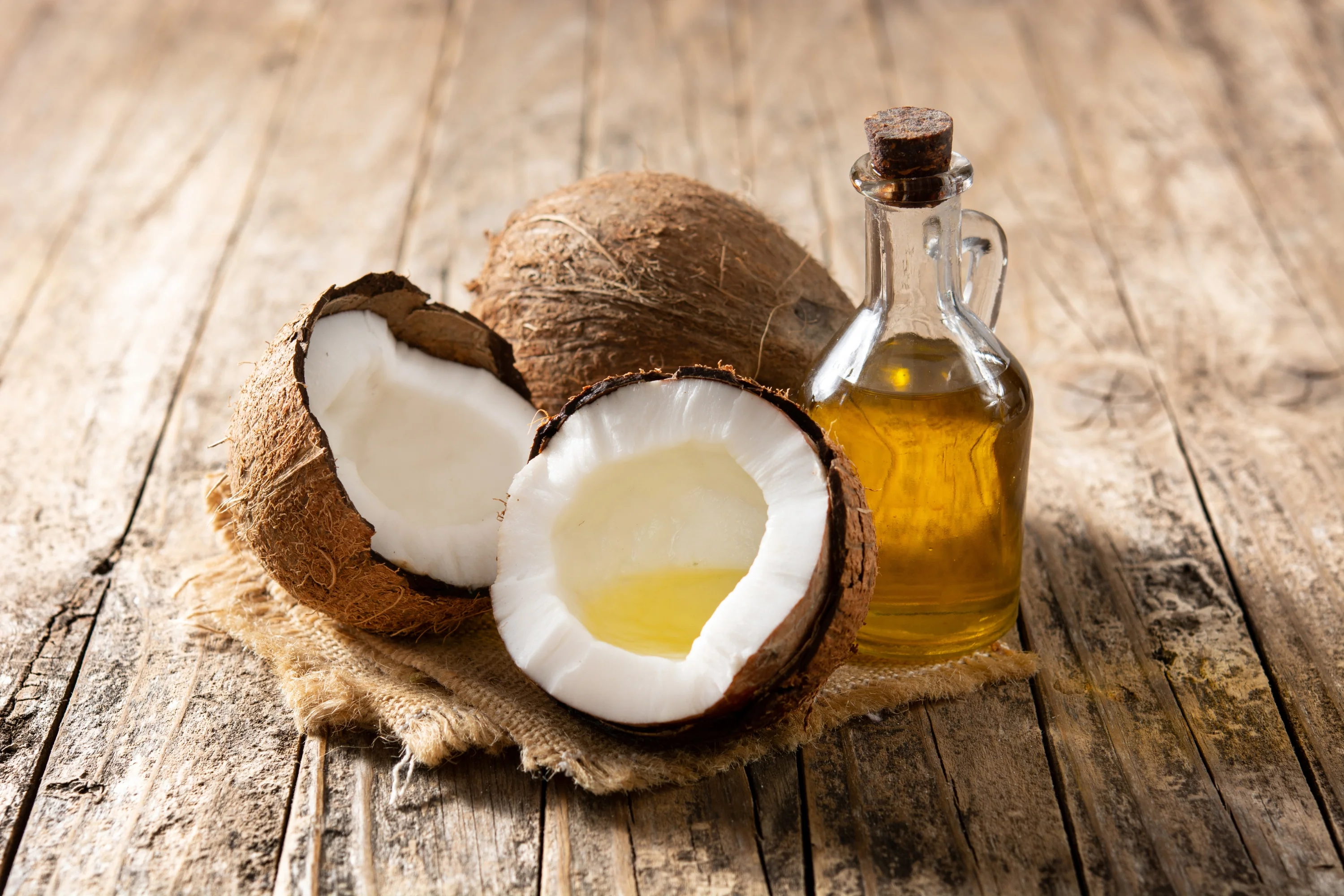
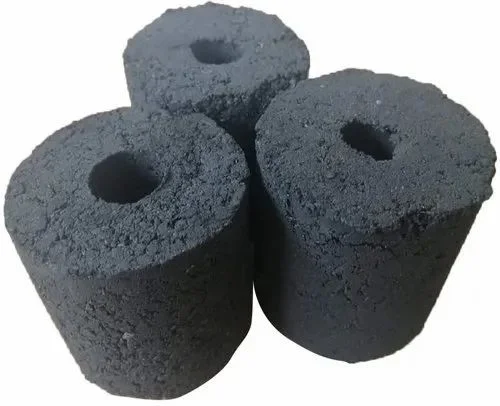
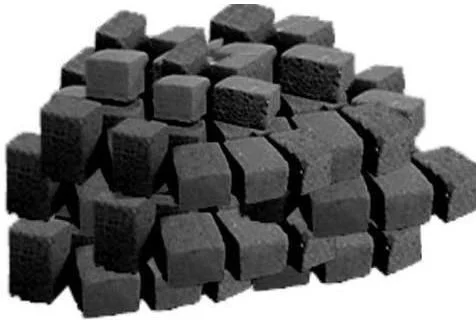
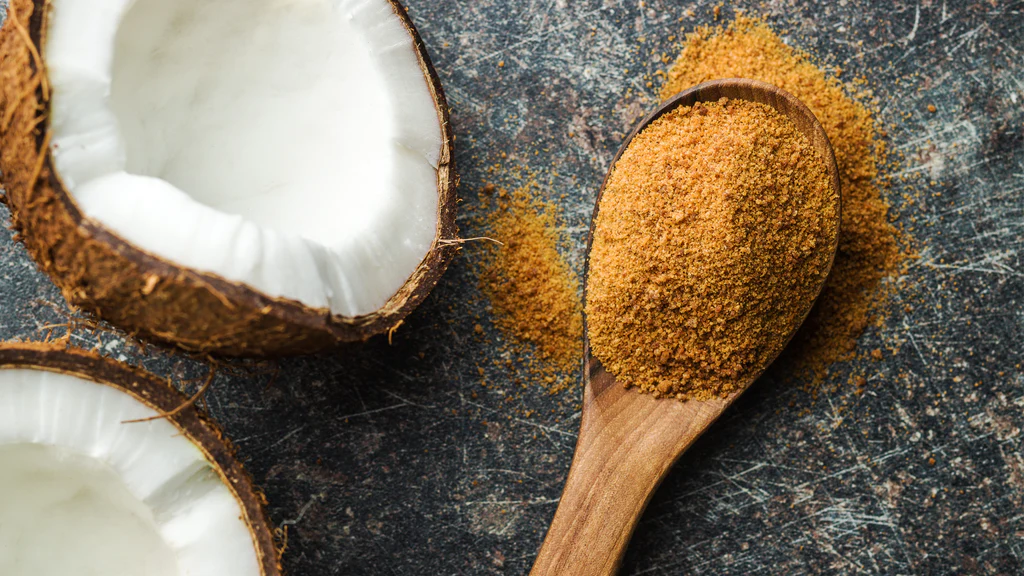
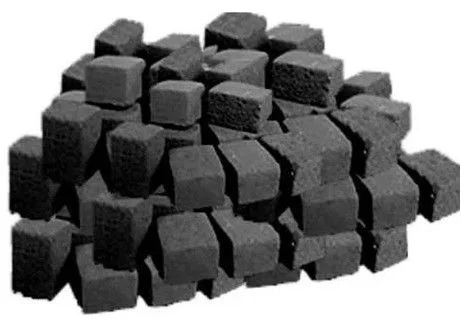
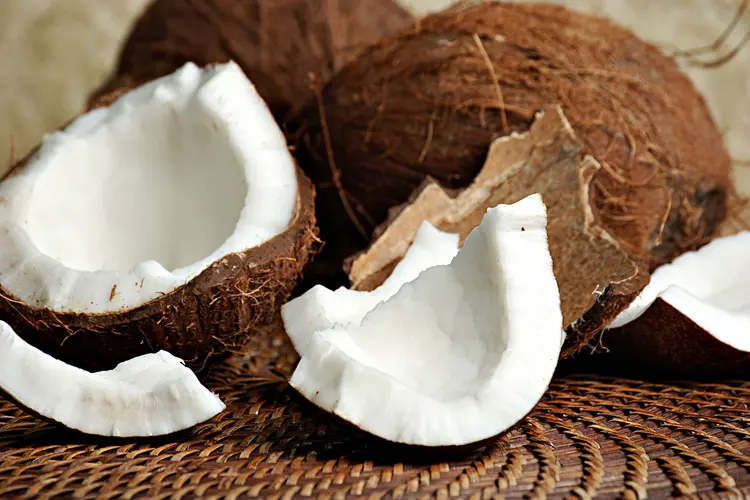
CV. Agra Wijaya Sejahtera is located in Indonesia and lists five active products. The catalogue includes granulated organic coconut sugar sold in bulk per ton, virgin cold‑pressed coconut oil, a private‑label coconut oil offering, hookah shisha charcoal derived from coconut shells, and standard coconut shell charcoal. All items fall under the broader categories of coconut oil, coconut shell charcoal and coconut sugar. The supplier is classified under the harbor trust tier.
The coconut sugar product is described as organic and granulated, suitable for bulk food manufacturers. The virgin coconut oil is cold‑pressed, indicating extraction without heat to preserve the fatty‑acid profile. The private‑label coconut oil allows buyers to brand the product under their own label. Both charcoal variants are produced from coconut shells, with one specified for hookah shisha use. The range reflects typical Indonesian export commodities in these three categories.
Product Range and Specialties of CV. Agra Wijaya Sejahtera
The listed products cover three commodity families: coconut sugar, coconut oil and coconut shell charcoal. Granulated organic coconut sugar is typically marketed with moisture below 5 % and ICUMSA grades ranging from 45 to 70. Virgin cold‑pressed coconut oil is usually specified with free‑fatty‑acid (FFA) levels under 0.1 % and an iodine value between 85 and 95, while private‑label oil follows the same technical parameters but is supplied in bulk for re‑branding. Coconut shell charcoal for industrial use generally meets an ash content below 5 % and particle size between 3 mm and 10 mm; the hookah shisha variant is often graded for low smoke emission and uniform granulation.
Trade and Export Information - CV. Agra Wijaya Sejahtera
Indonesia ranks among the world’s top exporters of coconut‑derived products, supplying Asia, Europe and the Middle East. Coconut oil falls under HS chapter 15 (typically code 1512), coconut sugar under chapter 17 (code 1701), and coconut shell charcoal under chapter 24 (code 2404). International buyers frequently require certifications such as ISO 22000, HACCP, organic (if claimed) and a Certificate of Origin. Standard export logistics use 20‑ft containers that can hold roughly 20 t of coconut oil or 18 t of granulated sugar, while charcoal is often shipped in bulk bags of 1 t. Common Incoterms for these commodities are FOB Jakarta or CIF destination port, with phytosanitary inspection applied to charcoal shipments.
Sourcing from CV. Agra Wijaya Sejahtera - Buyer Guidance
When sourcing coconut sugar, request a recent analysis showing moisture, total reducing sugars and ICUMSA grade, together with an organic certification if required. For virgin coconut oil, ask for a COA reporting free‑fatty‑acid, peroxide value, iodine value and microbiological limits; a batch‑size sample of 5 kg is typical for quality verification. Charcoal buyers should obtain a test report confirming ash content, moisture, particle‑size distribution and any heavy‑metal screening, especially for hookah‑grade material. Verify that packaging meets the buyer’s requirement - bulk drums (200 L) for oil, PP‑lined bulk bags for sugar, and woven polypropylene bags for charcoal - and confirm the supplier’s lead time, which is usually 30‑45 days from order confirmation.
Frequently Asked Questions About CV. Agra Wijaya Sejahtera
What forms of coconut oil does CV. Agra Wijaya Sejahtera offer?
The supplier lists virgin cold‑pressed coconut oil and a private‑label coconut oil that can be branded by the buyer. Both are bulk liquid products with standard export specifications.
Is the granulated coconut sugar certified organic?
The product description specifies "organic"; buyers should request the organic certificate and a recent analysis confirming ICUMSA grade and moisture content.
What is the typical particle size for the hookah shisha charcoal?
Hookah shisha charcoal is usually produced with a uniform granule size between 3 mm and 5 mm to ensure consistent burning and low smoke emission.
Which HS chapters cover the listed products?
Coconut oil falls under HS chapter 15, coconut sugar under chapter 17 and coconut shell charcoal under chapter 24. These chapters are used by customs authorities worldwide for tariff classification.
What certifications are commonly required for these Indonesian coconut products?
Buyers typically request ISO 22000 or HACCP for food safety, organic certification for the sugar, and a phytosanitary certificate for charcoal shipments.
What are the usual minimum order quantities for each product?
Bulk coconut sugar is often ordered in full‑tonne increments, virgin coconut oil in multiples of 500 kg, and charcoal in bulk bags of 1 t each, though exact MOQs depend on the buyer’s shipping arrangement.
How is the private‑label coconut oil packaged for export?
The supplier can provide the oil in standard 200 L steel drums or bulk containers, allowing the buyer to apply their own labeling before shipment.
What documentation should a buyer request before placing an order?
A buyer should ask for a Certificate of Analysis, any relevant organic or food‑safety certificates, a Certificate of Origin, and, for charcoal, a phytosanitary certificate.




 , Indonesia