CTLE Seafood Inc. — Supplier

About CTLE Seafood Inc. - Seafood Supplier in Canada

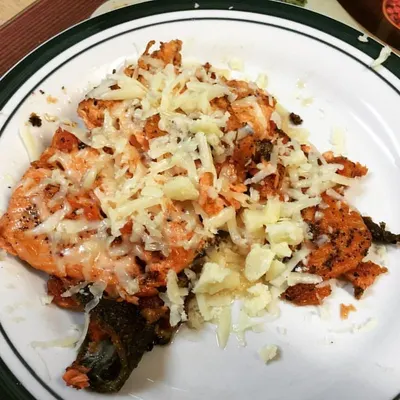
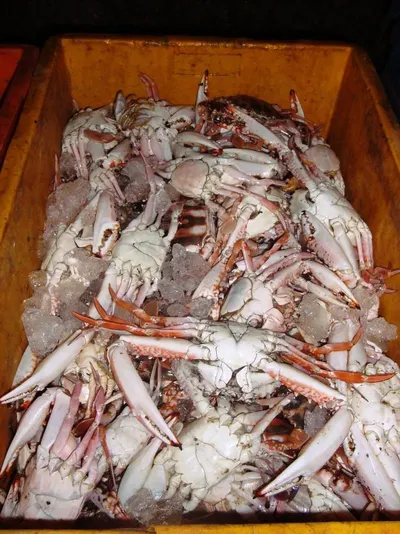
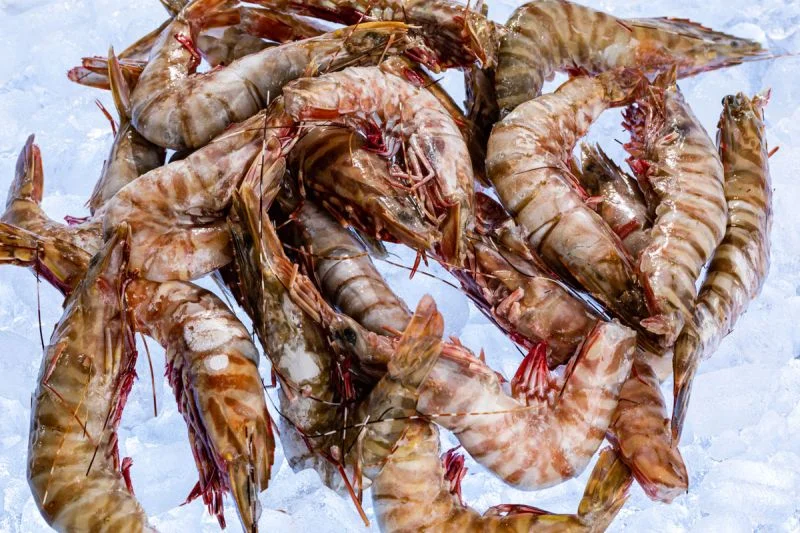
Canada‑based CTLE Seafood Inc. lists 19 active seafood products in its catalogue. The offering spans fresh and frozen species such as Atlantic Salmon, Coho Salmon, Atlantic Cod, Haddock, Greenland Halibut, as well as crustaceans and molluscs including Vannamei Shrimp (HOSO and HLSO), Argentine Red Shrimps, Atlantic Mackerel, Chilean King Crab, Illex squid, giant squid fillets and wings, and various roe and milt items. Each entry is recorded under the appropriate HS‑code families for fish (0302), crustaceans (0306) and molluscs (0307), reflecting standard customs classification.

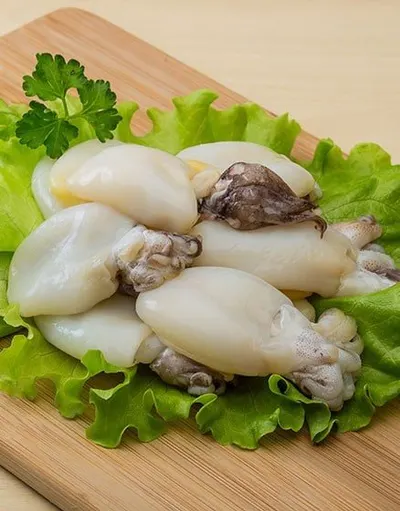
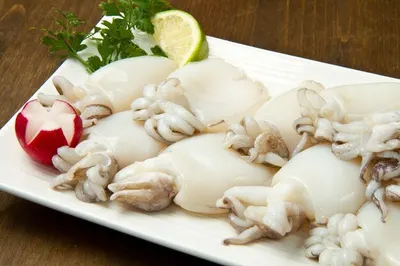
The catalogue also includes niche items like Capelin Roe, Cod Milt, and IQF (individually quick frozen) cuttlefish, indicating a focus on both whole and value‑added forms. No additional corporate history, employee numbers or revenue data are provided, and the supplier’s publicly stated certifications are not listed in the source material.

Product Range and Specialties of CTLE Seafood Inc.

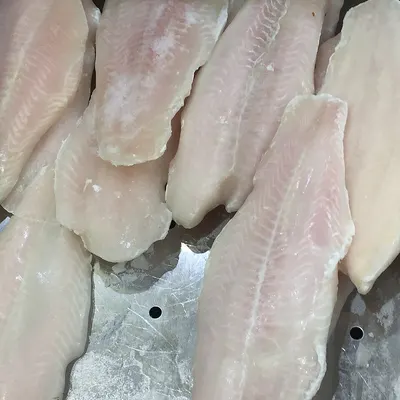
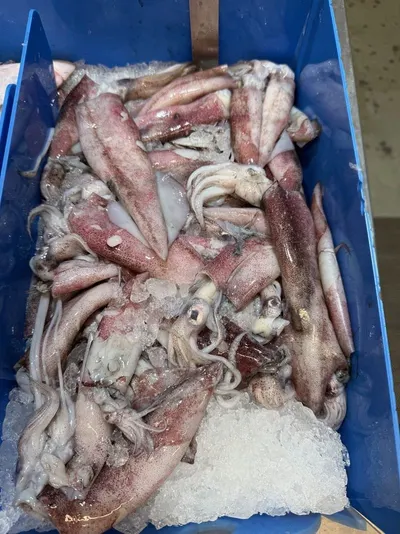
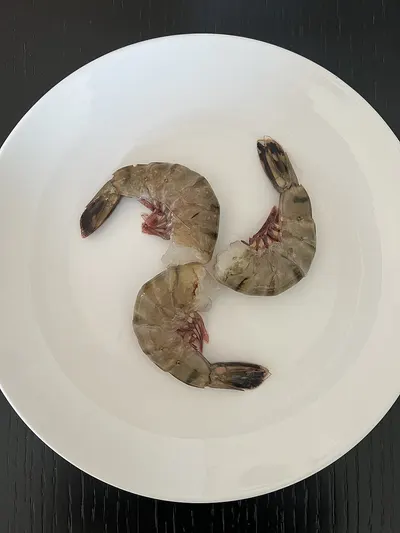
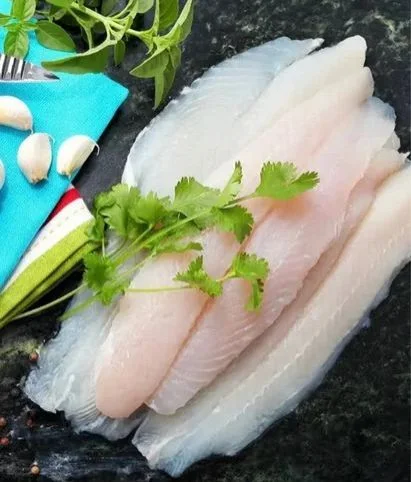
CTLE Seafood Inc. provides a mix of fresh fillets (e.g., Fresh Atlantic Salmon Fillets, Fresh Atlantic Cod Fillets, Fresh Haddock Fillets), frozen whole or portioned species (e.g., Frozen Fish Fillets, Frozen Cuttlefish, Giant Squid Wings), and specialty roe and milt. In the broader industry, fresh salmon fillets are typically graded by moisture content (around 70 %) and lipid level (e.g., 12‑14 % fat for Atlantic salmon). Shrimp products such as Vannamei are usually sold in sizes ranging from 15‑25 mm and are assessed for shell hardness, color, and bacterial limits (e.g., <10 CFU/g for E. coli). Cuttlefish and squid are commonly evaluated for water‑holding capacity, freezer‑burn resistance, and have standard HS codes 0307.10 for whole cuttlefish and 0307.20 for squid parts.

Trade and Export Information - CTLE Seafood Inc.

Canada is a major exporter of high‑latitude seafood, with the United States, the European Union, and East Asian markets accounting for the bulk of shipments. Exported fish and crustacean products fall under HS Chapter 03, where customs authorities often require phytosanitary certificates and compliance with Codex Alimentarius limits for contaminants such as mercury (≤0.5 ppm for most fish). Buyers typically request documentation for MSC (Marine Stewardship Council) or ASC (Aquaculture Stewardship Council) certification, HACCP plans, and BRC Global Standard audit reports. Shipping is commonly arranged in refrigerated containers (20‑ft or 40‑ft) with temperature controls at ‑18 °C for frozen items and 0‑4 °C for fresh fillets. Incoterms such as FOB Vancouver or CIF Shanghai are standard for Canadian seafood exporters.

The supplier’s catalogue does not specify target regions, so buyers should verify that the intended market accepts the product forms (e.g., IQF versus whole) and that packaging meets the destination’s labeling regulations, including country‑of‑origin marking and nutritional labeling per EU Regulation 1169/2011 or US FDA requirements.

Sourcing from CTLE Seafood Inc. - Buyer Guidance

When sourcing from CTLE Seafood Inc., buyers should request a product specification sheet that includes size or weight ranges, moisture and fat percentages, and any applicable microbiological test results. Copies of recent HACCP audit reports, BRC or MSC certificates (if held) and a phytosanitary certificate should be requested before finalising the order. For frozen products, ask for a temperature log from the processing plant and a free‑zable shelf‑life study to confirm quality retention during transit. Verify packaging details such as insulated pallets, gel‑pack inserts, and vapor‑barrier liners, which are standard for maintaining the required ‑18 °C chain for frozen seafood.

MOQ varies by product; typical minimums are 1 metric ton for whole fish, 500 kg for fillets, and 200 kg for shrimp batches. Lead times in Canada range from 10‑15 days for fresh fillets (subject to seasonal availability) to 20‑30 days for frozen whole squid or cuttlefish, depending on processing schedules and export documentation preparation.

Frequently Asked Questions About CTLE Seafood Inc.

What HS codes are used for the seafood items listed by CTLE Seafood Inc.?

The products fall under HS Chapter 03: fish fillets and fresh fish are generally coded 0302, crustaceans such as shrimp and crab use 0306, and molluscs like squid and cuttlefish are classified under 0307.

Does CTLE Seafood Inc. hold any sustainability certifications?

The supplied facts do not list any certifications. Buyers should ask the supplier to provide any MSC, ASC, or other sustainability audit reports that may be available.

What are the typical packaging formats for the frozen squid and cuttlefish?

Frozen squid and cuttlefish are usually packed in vacuum‑sealed poly‑bags inside insulated wooden crates, with each 20‑ft container holding roughly 12‑14 tons depending on pallet configuration.

What documentation is required for importing fresh salmon into the EU?

Importers normally need a health certificate, a HACCP compliance statement, and proof of compliance with EU limits for contaminants such as mercury and dioxins. A traceability sheet linking the catch or farm to the shipment is also required.

What is the minimum order quantity for Vannamei shrimp (HOSO) from CTLE Seafood Inc.?

The catalogue does not specify MOQ, but industry practice for farm‑raised Vannamei shrimp is a minimum of 200 kg per shipment, often delivered in insulated containers with ice packs.

How is product freshness ensured for the fresh Atlantic salmon fillets?

Fresh fillets are typically processed on the same day of catch, flash‑chilled to 0‑2 °C, and shipped on refrigerated trucks with temperature monitoring devices to maintain the cold chain until delivery.

Can CTLE Seafood Inc. provide samples before a full order?

While the facts do not mention sample policy, most Canadian seafood exporters offer a small sample package (e.g., 5 kg of fillet or 2 kg of shrimp) upon request, accompanied by a certificate of analysis.

What Incoterms are commonly used for shipments from Canada?

FOB Vancouver and CIF major Asian ports (e.g., Shanghai, Busan) are the most frequently used Incoterms for Canadian seafood exports.


Featured Products from this Supplier

Other Suppliers in Primary Category

Top Trusted Suppliers

Related Products

Trending in Parent Category

More Suppliers in Category

Related Products

Other Suppliers

EximNext
7.1K+ live requirements
Register Free🎁 Reach global buyers
Post Requirement
🌍 Trusted by 225K+ businesses in 200+ countries|
7.1K+ active requirements right now
✉️ [email protected]
|
Sell on EximNextPost Requirement
EximNext
AgricultureApparelConstructionElectronicFoodHomeIndustrialMineralsMiscellaneous
🔥 Deals|✨ AI Match|🏭 Suppliers|📋 Buy Leads|💰 Trade Finance
7.1K+ live RFQs·194.8K+ suppliers
🎁 Reach global buyers →
EximNext
EximNext
Register Free
🎁 Reach global buyers
Sign In
📋Post Requirement💬Get Quotes✨AI Match📋RFQ Marketplace
All Categories
Services & Tools
🏭Supplier Directory🔥Today's Deals💰Trade Finance
Sell on EximNext →
AboutContactBlogHelp
Agriculture & Food  ·  Canada
19
products listed

CTLE Seafood Inc.

⚓ Harbor
Country flag , CanadaNew supplier / no reviews yet
🛡️
77/100
Trust Score

CTLE Seafood Inc. Product Catalog

Showing 12 of 19 products
View all products →
Fresh Atlantic Salmon
⚓ Harbor
Fresh Atlantic Salmon
Contact
MOQ: 1 Unit
Cuttlefish Whole Cleaned IQF
⚓ Harbor
Cuttlefish Whole Cleaned IQF
Contact
MOQ: 1 Unit
Greenland Halibut
⚓ Harbor
Greenland Halibut
Contact
MOQ: 1 Unit
Fresh Haddock Fillets
⚓ Harbor
Fresh Haddock Fillets
Contact
MOQ: 1 Unit
Fresh Atlantic Cod Fillets
⚓ Harbor
Fresh Atlantic Cod Fillets
Contact
MOQ: 1 Unit
Fresh Atlantic Salmon Fillets
⚓ Harbor
Fresh Atlantic Salmon Fillets
Contact
MOQ: 1 Unit
Coho Salmon HG
⚓ Harbor
Coho Salmon HG
Contact
MOQ: 1 Unit
Vannamei Shrimps HLSO
⚓ Harbor
Vannamei Shrimps HLSO
Contact
MOQ: 1 Unit
Cuttlefish Whole Cleaned
⚓ Harbor
Cuttlefish Whole Cleaned
Contact
MOQ: 1 Unit
Chilean King Crab
⚓ Harbor
Chilean King Crab
Contact
MOQ: 1 Unit
Illex squid
⚓ Harbor
Illex squid
Contact
MOQ: 1 Unit
Argentine Red Shrimps
⚓ Harbor
Argentine Red Shrimps
Contact
MOQ: 1 Unit

About CTLE Seafood Inc. - Seafood Supplier in Canada

Canada‑based CTLE Seafood Inc. lists 19 active seafood products in its catalogue. The offering spans fresh and frozen species such as Atlantic Salmon, Coho Salmon, Atlantic Cod, Haddock, Greenland Halibut, as well as crustaceans and molluscs including Vannamei Shrimp (HOSO and HLSO), Argentine Red Shrimps, Atlantic Mackerel, Chilean King Crab, Illex squid, giant squid fillets and wings, and various roe and milt items. Each entry is recorded under the appropriate HS‑code families for fish (0302), crustaceans (0306) and molluscs (0307), reflecting standard customs classification.

The catalogue also includes niche items like Capelin Roe, Cod Milt, and IQF (individually quick frozen) cuttlefish, indicating a focus on both whole and value‑added forms. No additional corporate history, employee numbers or revenue data are provided, and the supplier’s publicly stated certifications are not listed in the source material.

Product Range and Specialties of CTLE Seafood Inc.

CTLE Seafood Inc. provides a mix of fresh fillets (e.g., Fresh Atlantic Salmon Fillets, Fresh Atlantic Cod Fillets, Fresh Haddock Fillets), frozen whole or portioned species (e.g., Frozen Fish Fillets, Frozen Cuttlefish, Giant Squid Wings), and specialty roe and milt. In the broader industry, fresh salmon fillets are typically graded by moisture content (around 70 %) and lipid level (e.g., 12‑14 % fat for Atlantic salmon). Shrimp products such as Vannamei are usually sold in sizes ranging from 15‑25 mm and are assessed for shell hardness, color, and bacterial limits (e.g., <10 CFU/g for E. coli). Cuttlefish and squid are commonly evaluated for water‑holding capacity, freezer‑burn resistance, and have standard HS codes 0307.10 for whole cuttlefish and 0307.20 for squid parts.

Trade and Export Information - CTLE Seafood Inc.

Canada is a major exporter of high‑latitude seafood, with the United States, the European Union, and East Asian markets accounting for the bulk of shipments. Exported fish and crustacean products fall under HS Chapter 03, where customs authorities often require phytosanitary certificates and compliance with Codex Alimentarius limits for contaminants such as mercury (≤0.5 ppm for most fish). Buyers typically request documentation for MSC (Marine Stewardship Council) or ASC (Aquaculture Stewardship Council) certification, HACCP plans, and BRC Global Standard audit reports. Shipping is commonly arranged in refrigerated containers (20‑ft or 40‑ft) with temperature controls at ‑18 °C for frozen items and 0‑4 °C for fresh fillets. Incoterms such as FOB Vancouver or CIF Shanghai are standard for Canadian seafood exporters.

The supplier’s catalogue does not specify target regions, so buyers should verify that the intended market accepts the product forms (e.g., IQF versus whole) and that packaging meets the destination’s labeling regulations, including country‑of‑origin marking and nutritional labeling per EU Regulation 1169/2011 or US FDA requirements.

Sourcing from CTLE Seafood Inc. - Buyer Guidance

When sourcing from CTLE Seafood Inc., buyers should request a product specification sheet that includes size or weight ranges, moisture and fat percentages, and any applicable microbiological test results. Copies of recent HACCP audit reports, BRC or MSC certificates (if held) and a phytosanitary certificate should be requested before finalising the order. For frozen products, ask for a temperature log from the processing plant and a free‑zable shelf‑life study to confirm quality retention during transit. Verify packaging details such as insulated pallets, gel‑pack inserts, and vapor‑barrier liners, which are standard for maintaining the required ‑18 °C chain for frozen seafood.

MOQ varies by product; typical minimums are 1 metric ton for whole fish, 500 kg for fillets, and 200 kg for shrimp batches. Lead times in Canada range from 10‑15 days for fresh fillets (subject to seasonal availability) to 20‑30 days for frozen whole squid or cuttlefish, depending on processing schedules and export documentation preparation.

Frequently Asked Questions About CTLE Seafood Inc.

What HS codes are used for the seafood items listed by CTLE Seafood Inc.?

The products fall under HS Chapter 03: fish fillets and fresh fish are generally coded 0302, crustaceans such as shrimp and crab use 0306, and molluscs like squid and cuttlefish are classified under 0307.

Does CTLE Seafood Inc. hold any sustainability certifications?

The supplied facts do not list any certifications. Buyers should ask the supplier to provide any MSC, ASC, or other sustainability audit reports that may be available.

What are the typical packaging formats for the frozen squid and cuttlefish?

Frozen squid and cuttlefish are usually packed in vacuum‑sealed poly‑bags inside insulated wooden crates, with each 20‑ft container holding roughly 12‑14 tons depending on pallet configuration.

What documentation is required for importing fresh salmon into the EU?

Importers normally need a health certificate, a HACCP compliance statement, and proof of compliance with EU limits for contaminants such as mercury and dioxins. A traceability sheet linking the catch or farm to the shipment is also required.

What is the minimum order quantity for Vannamei shrimp (HOSO) from CTLE Seafood Inc.?

The catalogue does not specify MOQ, but industry practice for farm‑raised Vannamei shrimp is a minimum of 200 kg per shipment, often delivered in insulated containers with ice packs.

How is product freshness ensured for the fresh Atlantic salmon fillets?

Fresh fillets are typically processed on the same day of catch, flash‑chilled to 0‑2 °C, and shipped on refrigerated trucks with temperature monitoring devices to maintain the cold chain until delivery.

Can CTLE Seafood Inc. provide samples before a full order?

While the facts do not mention sample policy, most Canadian seafood exporters offer a small sample package (e.g., 5 kg of fillet or 2 kg of shrimp) upon request, accompanied by a certificate of analysis.

What Incoterms are commonly used for shipments from Canada?

FOB Vancouver and CIF major Asian ports (e.g., Shanghai, Busan) are the most frequently used Incoterms for Canadian seafood exports.

About CTLE Seafood Inc. - Seafood Supplier in Canada

Canada‑based CTLE Seafood Inc. lists 19 active seafood products in its catalogue. The offering spans fresh and frozen species such as Atlantic Salmon, Coho Salmon, Atlantic Cod, Haddock, Greenland Halibut, as well as crustaceans and molluscs including Vannamei Shrimp (HOSO and HLSO), Argentine Red Shrimps, Atlantic Mackerel, Chilean King Crab, Illex squid, giant squid fillets and wings, and various roe and milt items. Each entry is recorded under the appropriate HS‑code families for fish (0302), crustaceans (0306) and molluscs (0307), reflecting standard customs classification.

The catalogue also includes niche items like Capelin Roe, Cod Milt, and IQF (individually quick frozen) cuttlefish, indicating a focus on both whole and value‑added forms. No additional corporate history, employee numbers or revenue data are provided, and the supplier’s publicly stated certifications are not listed in the source material.

Product Range and Specialties of CTLE Seafood Inc.

CTLE Seafood Inc. provides a mix of fresh fillets (e.g., Fresh Atlantic Salmon Fillets, Fresh Atlantic Cod Fillets, Fresh Haddock Fillets), frozen whole or portioned species (e.g., Frozen Fish Fillets, Frozen Cuttlefish, Giant Squid Wings), and specialty roe and milt. In the broader industry, fresh salmon fillets are typically graded by moisture content (around 70 %) and lipid level (e.g., 12‑14 % fat for Atlantic salmon). Shrimp products such as Vannamei are usually sold in sizes ranging from 15‑25 mm and are assessed for shell hardness, color, and bacterial limits (e.g., <10 CFU/g for E. coli). Cuttlefish and squid are commonly evaluated for water‑holding capacity, freezer‑burn resistance, and have standard HS codes 0307.10 for whole cuttlefish and 0307.20 for squid parts.

Trade and Export Information - CTLE Seafood Inc.

Canada is a major exporter of high‑latitude seafood, with the United States, the European Union, and East Asian markets accounting for the bulk of shipments. Exported fish and crustacean products fall under HS Chapter 03, where customs authorities often require phytosanitary certificates and compliance with Codex Alimentarius limits for contaminants such as mercury (≤0.5 ppm for most fish). Buyers typically request documentation for MSC (Marine Stewardship Council) or ASC (Aquaculture Stewardship Council) certification, HACCP plans, and BRC Global Standard audit reports. Shipping is commonly arranged in refrigerated containers (20‑ft or 40‑ft) with temperature controls at ‑18 °C for frozen items and 0‑4 °C for fresh fillets. Incoterms such as FOB Vancouver or CIF Shanghai are standard for Canadian seafood exporters.

The supplier’s catalogue does not specify target regions, so buyers should verify that the intended market accepts the product forms (e.g., IQF versus whole) and that packaging meets the destination’s labeling regulations, including country‑of‑origin marking and nutritional labeling per EU Regulation 1169/2011 or US FDA requirements.

Sourcing from CTLE Seafood Inc. - Buyer Guidance

When sourcing from CTLE Seafood Inc., buyers should request a product specification sheet that includes size or weight ranges, moisture and fat percentages, and any applicable microbiological test results. Copies of recent HACCP audit reports, BRC or MSC certificates (if held) and a phytosanitary certificate should be requested before finalising the order. For frozen products, ask for a temperature log from the processing plant and a free‑zable shelf‑life study to confirm quality retention during transit. Verify packaging details such as insulated pallets, gel‑pack inserts, and vapor‑barrier liners, which are standard for maintaining the required ‑18 °C chain for frozen seafood.

MOQ varies by product; typical minimums are 1 metric ton for whole fish, 500 kg for fillets, and 200 kg for shrimp batches. Lead times in Canada range from 10‑15 days for fresh fillets (subject to seasonal availability) to 20‑30 days for frozen whole squid or cuttlefish, depending on processing schedules and export documentation preparation.

Frequently Asked Questions About CTLE Seafood Inc.
What HS codes are used for the seafood items listed by CTLE Seafood Inc.?
The products fall under HS Chapter 03: fish fillets and fresh fish are generally coded 0302, crustaceans such as shrimp and crab use 0306, and molluscs like squid and cuttlefish are classified under 0307.
Does CTLE Seafood Inc. hold any sustainability certifications?
The supplied facts do not list any certifications. Buyers should ask the supplier to provide any MSC, ASC, or other sustainability audit reports that may be available.
What are the typical packaging formats for the frozen squid and cuttlefish?
Frozen squid and cuttlefish are usually packed in vacuum‑sealed poly‑bags inside insulated wooden crates, with each 20‑ft container holding roughly 12‑14 tons depending on pallet configuration.
What documentation is required for importing fresh salmon into the EU?
Importers normally need a health certificate, a HACCP compliance statement, and proof of compliance with EU limits for contaminants such as mercury and dioxins. A traceability sheet linking the catch or farm to the shipment is also required.
What is the minimum order quantity for Vannamei shrimp (HOSO) from CTLE Seafood Inc.?
The catalogue does not specify MOQ, but industry practice for farm‑raised Vannamei shrimp is a minimum of 200 kg per shipment, often delivered in insulated containers with ice packs.
How is product freshness ensured for the fresh Atlantic salmon fillets?
Fresh fillets are typically processed on the same day of catch, flash‑chilled to 0‑2 °C, and shipped on refrigerated trucks with temperature monitoring devices to maintain the cold chain until delivery.
Can CTLE Seafood Inc. provide samples before a full order?
While the facts do not mention sample policy, most Canadian seafood exporters offer a small sample package (e.g., 5 kg of fillet or 2 kg of shrimp) upon request, accompanied by a certificate of analysis.
What Incoterms are commonly used for shipments from Canada?
FOB Vancouver and CIF major Asian ports (e.g., Shanghai, Busan) are the most frequently used Incoterms for Canadian seafood exports.

CTLE Seafood Inc.
Country flag Canada
⚓ HarborAgriculture & Food
77/100
Trust Score
19
Products
✓ Free to contact — no commission
✓ Escrow payment available
✓ Verified business identity
Compare more suppliers
Post a requirement — get 10 quotes free
Let verified suppliers compete for your business. Free, fast, no commitment.
Due Diligence
Verify this supplier's real shipping history.
Every shipment, every buyer, every port. Trade data that can't be faked.
Run due diligence →
Discover More

Related Suppliers & Products

Explore similar suppliers, related products and trending categories

Featured Products from this Supplier

Other Suppliers in Primary Category

Top Trusted Suppliers

Related Products

Trending in Parent Category

More Suppliers in Category

Stay ahead in global trade
Weekly market insights & new supplier alerts.
EximNext
Exim Next is a leading global B2B marketplace, connecting over 220,000 registered suppliers and buyers across 200+ countries. As a trusted import export marketplace, it serves as the essential B2B portal for businesses worldwide, empowering them to expand their international reach. With Exim Next, businesses can trade smarter and grow faster.
SECURE PAYMENTS
VISAMastercardPayPalSWIFTL/CEscrow
Follow us
© 2026 EximNext