Classic Handicrafts — Supplier

About Classic Handicrafts - Carpets Supplier in India

Classic Handicrafts is based in India and currently lists five active products. The catalogue includes hand‑woven Carpets, Wood carved furniture, Paper‑mâché items, traditional Shawls and Pashmina stoles. Each product falls under the broader handicraft sector and is classified in HS‑code families such as 5702 for carpets, 4421 for wooden furniture, 4819 for paper‑mâché, and 6214 for shawls and stoles. As an imported‑tier supplier, Classic Handicrafts sources these items from local artisans and presents them for international buyers. The supplier’s public profile does not disclose turnover, employee numbers or specific factory locations.

The listed items reflect common Indian craft specialties: hand‑knotted wool carpets, intricately carved wooden furniture, lightweight paper‑mâché decorative pieces, and wool or cashmere shawls and stoles. Industry practice groups these goods under HS chapters 57 (carpets and other textile floor coverings), 44 (wood products), and 48 (paper products). Buyers typically look for specifications such as carpet pile height (10‑30 mm), wool content (≥80 % for premium rugs), and pashmina fibre diameter (12‑15 µm) for stoles. Export documentation often includes a material composition certificate and a compliance statement for relevant trade regulations.

Product Range and Specialties of Classic Handicrafts

The catalogue shows five distinct product types: Carpets, Wood carved furniture, Paper‑mâché articles, Shawls and Pashmina stoles. In the carpet segment, Indian exporters usually offer hand‑knotted, hand‑tufted and flat‑woven formats, with wool grades ranging from 100 % virgin wool to blended wool‑synthetic mixes. Shawls and stoles are commonly produced from pure wool, cashmere or pashmina, with typical thread counts between 150  -  300 TPI and finishing treatments for softness and durability. Wooden furniture is often crafted from teak, sheesham or rosewood, with standard dimensions expressed in centimeters and finish levels such as natural oil or lacquer. Paper‑mâché items are lightweight, typically shaped into decorative panels or figurines, and are finished with paint or varnish to meet aesthetic and moisture‑resistance standards.

Trade and Export Information - Classic Handicrafts

India is a major exporter of handcrafted textiles and wood items, with the United States, the European Union, the United Arab Emirates and Canada representing the largest import markets for these goods. HS‑code 5702 (carpets) and 6214 (shawls and stoles) are subject to textile import regulations that often require compliance with fire‑safety standards and, for EU destinations, REACH chemical safety declarations. Wooden furniture under HS‑code 4421 may need phytosanitary certificates to prevent pest transfer. Common Incoterms used by Indian handicraft exporters are FOB Mumbai or CIF Dubai, with container loads ranging from 20‑ft (approximately 1  -  1.5 tonne of carpets) to 40‑ft for mixed assortments. Buyers frequently request ISO 9001 quality‑management certificates or Oeko‑Tex Standard 100 for textile products, although such certifications are not listed for this supplier.

Sourcing from Classic Handicrafts - Buyer Guidance

When sourcing from Classic Handicrafts, request detailed product specifications: carpet knot count, wool percentage, pile height; shawl fibre type, dimensions and finishing treatment; wood furniture species, dimensions and finish. Ask for material‑composition certificates and, where applicable, phytosanitary or REACH compliance documents before placing an order. Arrange for a physical sample of each product type to verify colour, texture and workmanship, and confirm that packaging meets standard export practices such as double‑wall cardboard for carpets and sealed crates for wooden furniture.

Frequently Asked Questions About Classic Handicrafts

What product categories does Classic Handicrafts list?

The supplier lists five products: hand‑woven Carpets, Wood carved furniture, Paper‑mâché decorative items, traditional Shawls and Pashmina stoles.

Which HS codes are typically associated with the listed products?

Carpets fall under HS 5702, Wood carved furniture under HS 4421, Paper‑mâché under HS 4819, and Shawls/Stoles under HS 6214. These codes are used for customs classification and tariff assessment.

What material specifications should a buyer verify for the carpets?

Buyers should confirm the fibre content (e.g., 100 % wool or wool‑synthetic blend), knot count (usually 200  -  500 knots / m²), pile height (10  -  30 mm) and any backing material. A lab‑tested fibre‑composition certificate is advisable.

Are any certifications commonly required for the shawls and stoles?

International buyers often request Oeko‑Tex Standard 100 or ISO 9001 compliance for textile safety and quality. Since the supplier does not list certifications, buyers should ask the supplier to provide any existing certificates or arrange independent testing.

What are typical minimum order quantities (MOQ) for these handicraft items?

MOQs vary by product: carpets are usually ordered in multiples of one full roll (≈ 5 m²), wooden furniture in sets of 10 units, paper‑mâché items in cartons of 50 pieces, and shawls or stoles in batches of 100 pieces. Exact MOQs should be confirmed with the supplier.

What packaging methods are standard for export from India?

Carpets are commonly packed in rolled form inside double‑wall cardboard tubes, wooden furniture in reinforced wooden crates, paper‑mâché in sealed cardboard boxes, and shawls/stoles in compact poly‑bag packs placed inside cartons. All packaging meets ISPM 15 phytosanitary standards where wood is involved.

Which regions are the primary import markets for Indian handicrafts?

The United States, European Union members, the United Arab Emirates and Canada are the largest destinations for Indian carpets, textiles and wood crafts. Trade agreements and bilateral tariffs often influence the choice of Incoterm, with FOB Mumbai and CIF Dubai being common.

What documentation should a buyer request before finalising a purchase?

Buyers should obtain a commercial invoice, packing list, certificate of origin, material‑composition certificate, and any relevant phytosanitary or REACH compliance statements. If the buyer requires specific quality certifications, they should request copies before shipment.


Other Suppliers in Shawls

Top Trusted Suppliers

Related Products in Shawls

Trending in Parent Category

More Suppliers in Parent Category

Related Products

Other Suppliers

EximNext
7.2K+ live requirements
Register Free🎁 Reach global buyers
Post Requirement
🌍 Trusted by 225K+ businesses in 200+ countries|
7.2K+ active requirements right now
✉️ [email protected]
|
Sell on EximNextPost Requirement
EximNext
AgricultureApparelConstructionElectronicFoodHomeIndustrialMineralsMiscellaneous
🔥 Deals|✨ AI Match|🏭 Suppliers|📋 Buy Leads|💰 Trade Finance
7.2K+ live RFQs·194.8K+ suppliers
🎁 Reach global buyers →
EximNext
EximNext
Register Free
🎁 Reach global buyers
Sign In
📋Post Requirement💬Get Quotes✨AI Match📋RFQ Marketplace
All Categories
Services & Tools
🏭Supplier Directory🔥Today's Deals💰Trade Finance
Sell on EximNext →
AboutContactBlogHelp
Agriculture & Food  ·  India
5
products listed

Classic Handicrafts

⚓ Harbor
Country flag , IndiaNew supplier / no reviews yet
🛡️
55/100
Trust Score

Classic Handicrafts Product Catalog

Showing 5 of 5 products
View all products →
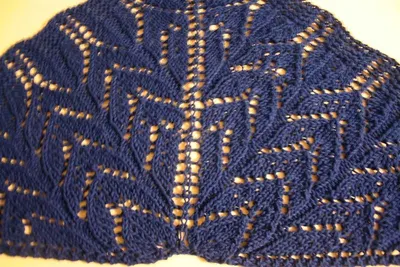
Shawls
⚓ Harbor
Shawls
Contact
MOQ: 1 Unit
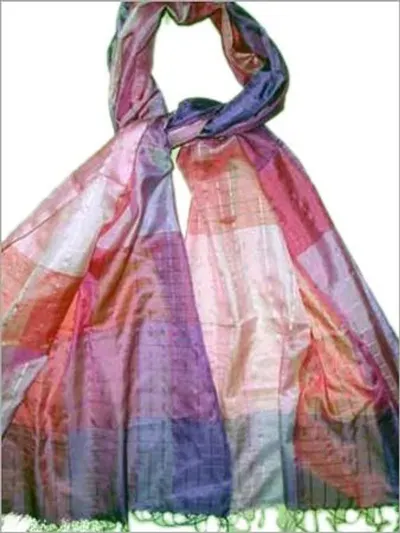
Pashmina stoles
⚓ Harbor
Pashmina stoles
Contact
MOQ: 1 Unit
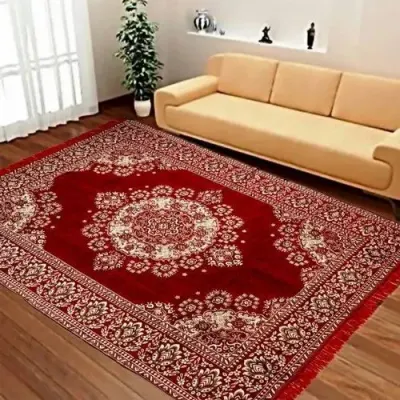
Carpets
⚓ Harbor
Carpets
Contact
MOQ: 1 Unit
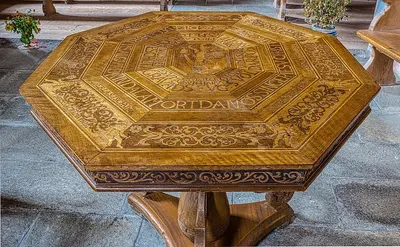
Wood carved furniture
⚓ Harbor
Wood carved furniture
Contact
MOQ: 1 Unit
Paper mache
⚓ Harbor
Paper mache
Contact
MOQ: 1 Unit

About Classic Handicrafts - Carpets Supplier in India

Classic Handicrafts is based in India and currently lists five active products. The catalogue includes hand‑woven Carpets, Wood carved furniture, Paper‑mâché items, traditional Shawls and Pashmina stoles. Each product falls under the broader handicraft sector and is classified in HS‑code families such as 5702 for carpets, 4421 for wooden furniture, 4819 for paper‑mâché, and 6214 for shawls and stoles. As an imported‑tier supplier, Classic Handicrafts sources these items from local artisans and presents them for international buyers. The supplier’s public profile does not disclose turnover, employee numbers or specific factory locations.

The listed items reflect common Indian craft specialties: hand‑knotted wool carpets, intricately carved wooden furniture, lightweight paper‑mâché decorative pieces, and wool or cashmere shawls and stoles. Industry practice groups these goods under HS chapters 57 (carpets and other textile floor coverings), 44 (wood products), and 48 (paper products). Buyers typically look for specifications such as carpet pile height (10‑30 mm), wool content (≥80 % for premium rugs), and pashmina fibre diameter (12‑15 µm) for stoles. Export documentation often includes a material composition certificate and a compliance statement for relevant trade regulations.

Product Range and Specialties of Classic Handicrafts

The catalogue shows five distinct product types: Carpets, Wood carved furniture, Paper‑mâché articles, Shawls and Pashmina stoles. In the carpet segment, Indian exporters usually offer hand‑knotted, hand‑tufted and flat‑woven formats, with wool grades ranging from 100 % virgin wool to blended wool‑synthetic mixes. Shawls and stoles are commonly produced from pure wool, cashmere or pashmina, with typical thread counts between 150  -  300 TPI and finishing treatments for softness and durability. Wooden furniture is often crafted from teak, sheesham or rosewood, with standard dimensions expressed in centimeters and finish levels such as natural oil or lacquer. Paper‑mâché items are lightweight, typically shaped into decorative panels or figurines, and are finished with paint or varnish to meet aesthetic and moisture‑resistance standards.

Trade and Export Information - Classic Handicrafts

India is a major exporter of handcrafted textiles and wood items, with the United States, the European Union, the United Arab Emirates and Canada representing the largest import markets for these goods. HS‑code 5702 (carpets) and 6214 (shawls and stoles) are subject to textile import regulations that often require compliance with fire‑safety standards and, for EU destinations, REACH chemical safety declarations. Wooden furniture under HS‑code 4421 may need phytosanitary certificates to prevent pest transfer. Common Incoterms used by Indian handicraft exporters are FOB Mumbai or CIF Dubai, with container loads ranging from 20‑ft (approximately 1  -  1.5 tonne of carpets) to 40‑ft for mixed assortments. Buyers frequently request ISO 9001 quality‑management certificates or Oeko‑Tex Standard 100 for textile products, although such certifications are not listed for this supplier.

Sourcing from Classic Handicrafts - Buyer Guidance

When sourcing from Classic Handicrafts, request detailed product specifications: carpet knot count, wool percentage, pile height; shawl fibre type, dimensions and finishing treatment; wood furniture species, dimensions and finish. Ask for material‑composition certificates and, where applicable, phytosanitary or REACH compliance documents before placing an order. Arrange for a physical sample of each product type to verify colour, texture and workmanship, and confirm that packaging meets standard export practices such as double‑wall cardboard for carpets and sealed crates for wooden furniture.

Frequently Asked Questions About Classic Handicrafts

What product categories does Classic Handicrafts list?

The supplier lists five products: hand‑woven Carpets, Wood carved furniture, Paper‑mâché decorative items, traditional Shawls and Pashmina stoles.

Which HS codes are typically associated with the listed products?

Carpets fall under HS 5702, Wood carved furniture under HS 4421, Paper‑mâché under HS 4819, and Shawls/Stoles under HS 6214. These codes are used for customs classification and tariff assessment.

What material specifications should a buyer verify for the carpets?

Buyers should confirm the fibre content (e.g., 100 % wool or wool‑synthetic blend), knot count (usually 200  -  500 knots / m²), pile height (10  -  30 mm) and any backing material. A lab‑tested fibre‑composition certificate is advisable.

Are any certifications commonly required for the shawls and stoles?

International buyers often request Oeko‑Tex Standard 100 or ISO 9001 compliance for textile safety and quality. Since the supplier does not list certifications, buyers should ask the supplier to provide any existing certificates or arrange independent testing.

What are typical minimum order quantities (MOQ) for these handicraft items?

MOQs vary by product: carpets are usually ordered in multiples of one full roll (≈ 5 m²), wooden furniture in sets of 10 units, paper‑mâché items in cartons of 50 pieces, and shawls or stoles in batches of 100 pieces. Exact MOQs should be confirmed with the supplier.

What packaging methods are standard for export from India?

Carpets are commonly packed in rolled form inside double‑wall cardboard tubes, wooden furniture in reinforced wooden crates, paper‑mâché in sealed cardboard boxes, and shawls/stoles in compact poly‑bag packs placed inside cartons. All packaging meets ISPM 15 phytosanitary standards where wood is involved.

Which regions are the primary import markets for Indian handicrafts?

The United States, European Union members, the United Arab Emirates and Canada are the largest destinations for Indian carpets, textiles and wood crafts. Trade agreements and bilateral tariffs often influence the choice of Incoterm, with FOB Mumbai and CIF Dubai being common.

What documentation should a buyer request before finalising a purchase?

Buyers should obtain a commercial invoice, packing list, certificate of origin, material‑composition certificate, and any relevant phytosanitary or REACH compliance statements. If the buyer requires specific quality certifications, they should request copies before shipment.

About Classic Handicrafts - Carpets Supplier in India

Classic Handicrafts is based in India and currently lists five active products. The catalogue includes hand‑woven Carpets, Wood carved furniture, Paper‑mâché items, traditional Shawls and Pashmina stoles. Each product falls under the broader handicraft sector and is classified in HS‑code families such as 5702 for carpets, 4421 for wooden furniture, 4819 for paper‑mâché, and 6214 for shawls and stoles. As an imported‑tier supplier, Classic Handicrafts sources these items from local artisans and presents them for international buyers. The supplier’s public profile does not disclose turnover, employee numbers or specific factory locations.

The listed items reflect common Indian craft specialties: hand‑knotted wool carpets, intricately carved wooden furniture, lightweight paper‑mâché decorative pieces, and wool or cashmere shawls and stoles. Industry practice groups these goods under HS chapters 57 (carpets and other textile floor coverings), 44 (wood products), and 48 (paper products). Buyers typically look for specifications such as carpet pile height (10‑30 mm), wool content (≥80 % for premium rugs), and pashmina fibre diameter (12‑15 µm) for stoles. Export documentation often includes a material composition certificate and a compliance statement for relevant trade regulations.

Product Range and Specialties of Classic Handicrafts

The catalogue shows five distinct product types: Carpets, Wood carved furniture, Paper‑mâché articles, Shawls and Pashmina stoles. In the carpet segment, Indian exporters usually offer hand‑knotted, hand‑tufted and flat‑woven formats, with wool grades ranging from 100 % virgin wool to blended wool‑synthetic mixes. Shawls and stoles are commonly produced from pure wool, cashmere or pashmina, with typical thread counts between 150  -  300 TPI and finishing treatments for softness and durability. Wooden furniture is often crafted from teak, sheesham or rosewood, with standard dimensions expressed in centimeters and finish levels such as natural oil or lacquer. Paper‑mâché items are lightweight, typically shaped into decorative panels or figurines, and are finished with paint or varnish to meet aesthetic and moisture‑resistance standards.

Trade and Export Information - Classic Handicrafts

India is a major exporter of handcrafted textiles and wood items, with the United States, the European Union, the United Arab Emirates and Canada representing the largest import markets for these goods. HS‑code 5702 (carpets) and 6214 (shawls and stoles) are subject to textile import regulations that often require compliance with fire‑safety standards and, for EU destinations, REACH chemical safety declarations. Wooden furniture under HS‑code 4421 may need phytosanitary certificates to prevent pest transfer. Common Incoterms used by Indian handicraft exporters are FOB Mumbai or CIF Dubai, with container loads ranging from 20‑ft (approximately 1  -  1.5 tonne of carpets) to 40‑ft for mixed assortments. Buyers frequently request ISO 9001 quality‑management certificates or Oeko‑Tex Standard 100 for textile products, although such certifications are not listed for this supplier.

Sourcing from Classic Handicrafts - Buyer Guidance

When sourcing from Classic Handicrafts, request detailed product specifications: carpet knot count, wool percentage, pile height; shawl fibre type, dimensions and finishing treatment; wood furniture species, dimensions and finish. Ask for material‑composition certificates and, where applicable, phytosanitary or REACH compliance documents before placing an order. Arrange for a physical sample of each product type to verify colour, texture and workmanship, and confirm that packaging meets standard export practices such as double‑wall cardboard for carpets and sealed crates for wooden furniture.

Frequently Asked Questions About Classic Handicrafts
What product categories does Classic Handicrafts list?
The supplier lists five products: hand‑woven Carpets, Wood carved furniture, Paper‑mâché decorative items, traditional Shawls and Pashmina stoles.
Which HS codes are typically associated with the listed products?
Carpets fall under HS 5702, Wood carved furniture under HS 4421, Paper‑mâché under HS 4819, and Shawls/Stoles under HS 6214. These codes are used for customs classification and tariff assessment.
What material specifications should a buyer verify for the carpets?
Buyers should confirm the fibre content (e.g., 100 % wool or wool‑synthetic blend), knot count (usually 200  -  500 knots / m²), pile height (10  -  30 mm) and any backing material. A lab‑tested fibre‑composition certificate is advisable.
Are any certifications commonly required for the shawls and stoles?
International buyers often request Oeko‑Tex Standard 100 or ISO 9001 compliance for textile safety and quality. Since the supplier does not list certifications, buyers should ask the supplier to provide any existing certificates or arrange independent testing.
What are typical minimum order quantities (MOQ) for these handicraft items?
MOQs vary by product: carpets are usually ordered in multiples of one full roll (≈ 5 m²), wooden furniture in sets of 10 units, paper‑mâché items in cartons of 50 pieces, and shawls or stoles in batches of 100 pieces. Exact MOQs should be confirmed with the supplier.
What packaging methods are standard for export from India?
Carpets are commonly packed in rolled form inside double‑wall cardboard tubes, wooden furniture in reinforced wooden crates, paper‑mâché in sealed cardboard boxes, and shawls/stoles in compact poly‑bag packs placed inside cartons. All packaging meets ISPM 15 phytosanitary standards where wood is involved.
Which regions are the primary import markets for Indian handicrafts?
The United States, European Union members, the United Arab Emirates and Canada are the largest destinations for Indian carpets, textiles and wood crafts. Trade agreements and bilateral tariffs often influence the choice of Incoterm, with FOB Mumbai and CIF Dubai being common.
What documentation should a buyer request before finalising a purchase?
Buyers should obtain a commercial invoice, packing list, certificate of origin, material‑composition certificate, and any relevant phytosanitary or REACH compliance statements. If the buyer requires specific quality certifications, they should request copies before shipment.

Classic Handicrafts
Country flag India

⚓ HarborAgriculture & Food
55/100
Trust Score
5
Products
✓ Free to contact — no commission
✓ Escrow payment available
✓ Verified business identity
Compare more suppliers
Post a requirement — get 10 quotes free
Let verified suppliers compete for your business. Free, fast, no commitment.
Due Diligence
Verify this supplier's real shipping history.
Every shipment, every buyer, every port. Trade data that can't be faked.
Run due diligence →
Discover More

Related Suppliers & Products

Explore similar suppliers, related products and trending categories

Other Suppliers in Shawls

Top Trusted Suppliers

Related Products in Shawls

Trending in Parent Category

More Suppliers in Parent Category

Stay ahead in global trade
Weekly market insights & new supplier alerts.
EximNext
Exim Next is a leading global B2B marketplace, connecting over 220,000 registered suppliers and buyers across 200+ countries. As a trusted import export marketplace, it serves as the essential B2B portal for businesses worldwide, empowering them to expand their international reach. With Exim Next, businesses can trade smarter and grow faster.
SECURE PAYMENTS
VISAMastercardPayPalSWIFTL/CEscrow
Follow us
© 2026 EximNext