Paintkari — Verified Supplier
About Paintkari - Traditional & Ethnic Wear Supplier in India
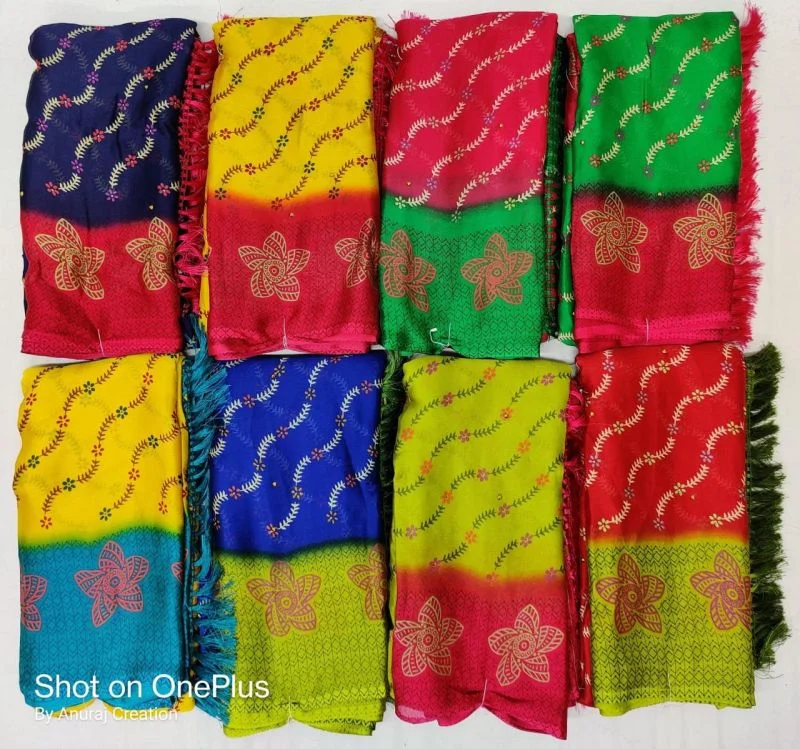
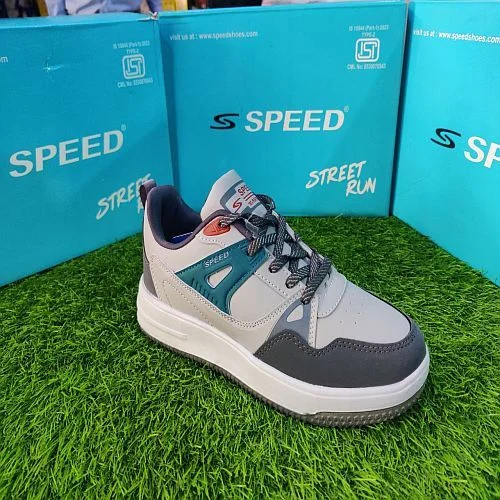
Paintkari operates from Kanpur Nagar in Uttar Pradesh, India, and currently lists ten active hand‑painted products. The catalogue includes hand‑painted shoes (HS 6403.19, leather or canvas upper with rubber sole), hand‑painted sarees (HS 6204.40, silk/cotton blended fabric), hand‑painted jute bags (HS 4202.22, natural jute fiber treated with water‑based paints), hand‑painted suits (HS 6203.11, wool‑polyester blend), hand‑painted ties (HS 6215.10, silk twill or polyester microfiber with acrylic inks), hand‑painted canvas paintings (HS 9701.21, cotton canvas with acrylic/emulsion paint), hand‑painted scarves (HS 6214.90, 100 % silk or cotton blend), hand‑painted T‑shirts (HS 6109.10, 100 % combed cotton jersey), hand‑painted western dresses (HS 9701.20, wood base with acrylic finish), and hand‑painted dupattas (HS 6214.90, cotton, silk or viscose as specified). Each item is hand‑painted using either acrylic inks or water‑based paints, and the finished goods are offered for wholesale purchase. The product mix spans footwear, garments, accessories and decorative artworks, all recorded under HS chapters 61‑62, 64, 42 and 97.
The supplier’s top‑level categories are listed as Paints, Texture Paint, Spray Paint, Furniture Paint, Finished Leather, Marine Paint, Traditional & Ethnic Wear and Other Handicrafts & Decorative. In practice, the active catalogue focuses on the apparel and accessory side of those categories, providing hand‑painted garments and décor that fall under the Traditional & Ethnic Wear and Other Handicrafts groups. The HS codes show alignment with Indian export tariff headings for textile articles (6201‑6215), leather footwear (6403) and works of art (9701). This structure enables buyers to locate the items within standard customs and logistics frameworks.
Product Range and Specialties of Paintkari
The ten hand‑painted items in Paintkari’s catalogue cover common textile and leather substrates used in Indian artisan production. Typical silk fabrics for sarees and scarves range from 30 % to 100 % silk content, often graded by thread count (e.g., 30‑40 Ne) and subjected to ISO 105‑B02 colour‑fastness testing. Cotton T‑shirts are usually 30 gsm combed jersey, while wool‑polyester suits follow a standard 80/20 blend that meets ISO 2062 for fibre composition. Jute bags are produced from natural jute fibre of 2‑3 mm diameter, commonly classified under the jute grade “S” for strength. Leather shoe uppers are frequently full‑grain or corrected‑grain leather, which buyers verify through leather grade certificates and REACH‑compliant dye declarations. Acrylic or water‑based paints applied to these substrates are expected to meet VOC limits set by the Indian Central Pollution Control Board and to pass colour‑fastness to washing (ISO 105‑C06) and light (ISO 105‑B02).
Trade and Export Information - Paintkari
India is a major exporter of hand‑painted textiles and leather accessories, with the European Union, United States and Middle‑East regions accounting for the largest share of demand. HS chapter 62 garments are typically shipped in 40‑ft containers, with 20‑ft containers holding up to 2 000 kg of T‑shirts or 1 500 kg of woven sarees, while HS 6403 footwear is packed in wooden crates or corrugated boxes of 12 - 18 pairs per carton. Buyers commonly require certificates of origin, a commercial invoice and a packing list that reference the exact HS code (e.g., 6204.40 for silk/cotton sarees). For chemical safety, REACH registration of the acrylic inks and Oeko‑Tex Standard 100 for textiles are frequently requested by EU importers. Indian exporters also follow the Bureau of Indian Standards (BIS) guidelines for leather and textile labelling, and many logistics providers apply Incoterms CIF or FOB depending on the buyer’s preference.
Sourcing from Paintkari - Buyer Guidance
When sourcing from Paintkari, buyers should request a material composition certificate that confirms silk, cotton, wool or jute percentages, as well as a colour‑fastness test report (ISO 105‑C06 and ISO 105‑B02). Samples of each product type - such as a single pair of shoes, a metre of silk‑cotton saree fabric, and a finished scarf - allow verification of paint adhesion and finish quality before larger orders. Typical minimum order quantities for hand‑painted garments range from 100 to 500 pieces, with lead times of 30‑45 days after design approval and receipt of artwork files. Buyers are advised to confirm that the supplier can provide REACH‑compliant safety data sheets for the acrylic inks and, where applicable, Oeko‑Tex Standard 100 certification for textile items.
Frequently Asked Questions About Paintkari
What HS codes apply to Paintkari’s hand‑painted garments?
The hand‑painted sarees use HS 6204.40, suits use HS 6203.11, ties use HS 6215.10, scarves and dupattas use HS 6214.90, and T‑shirts use HS 6109.10. These codes fall under Chapter 62 for apparel and are standard for textile articles with decorative finishes.
Which material certifications should a buyer request for the silk products?
Buyers should ask for an Oeko‑Tex Standard 100 certificate or a comparable textile safety test that confirms the absence of harmful azo dyes, as well as a fibre composition report that details the silk‑cotton blend percentage.
How are the hand‑painted shoes packaged for export?
Shoes are typically packed in individual poly‑bag wraps, then placed in corrugated cartons of 12 - 18 pairs per box. The cartons are stacked on wooden pallets and shipped in 20‑ft or 40‑ft containers under HS 6403.19.
What tests verify the durability of the acrylic paints on leather and canvas?
Colour‑fastness to washing (ISO 105‑C06) and to light (ISO 105‑B02) are standard tests. For leather, a leather‑grade abrasion test (ISO 12947) may also be requested to confirm paint adhesion.
Are there any standard Incoterms used for Paintkari’s shipments?
Export transactions commonly use FOB Kanpur or CIF to the buyer’s destination port. The chosen Incoterm is specified in the commercial invoice and aligns with the buyer’s logistics preferences.
What is the typical lead time for a bulk order of hand‑painted scarves?
After design approval and receipt of artwork files, bulk production of hand‑painted scarves usually requires 30 days, with an additional 7‑10 days for packaging and container loading.




 Kanpur Nagar, India





.jpg.png)