Chemicals PL — Verified Supplier
About Chemicals PL - Hand Sanitizer Supplier in United States
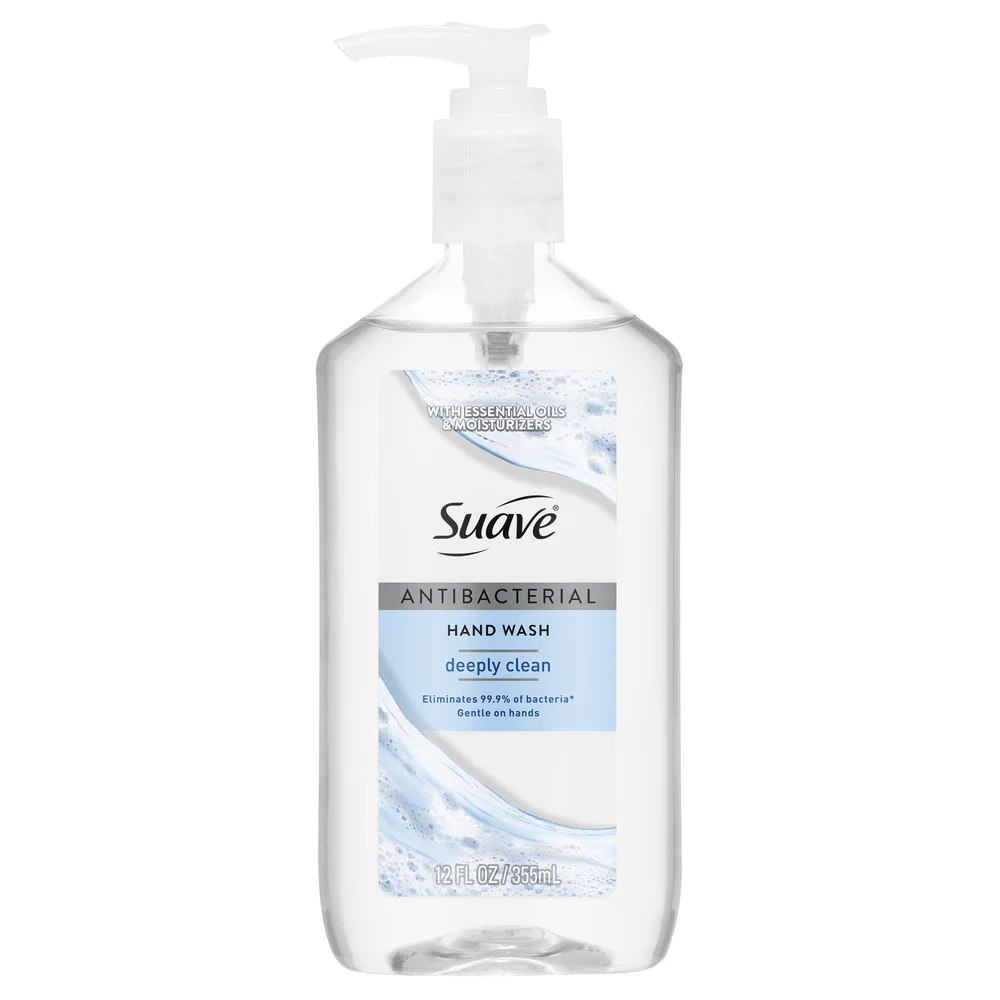
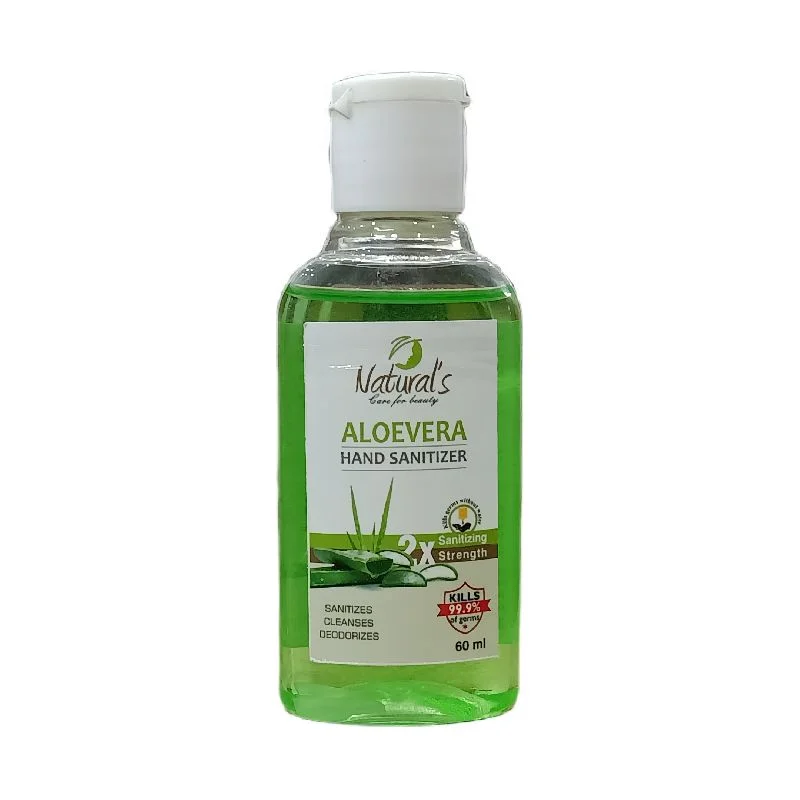
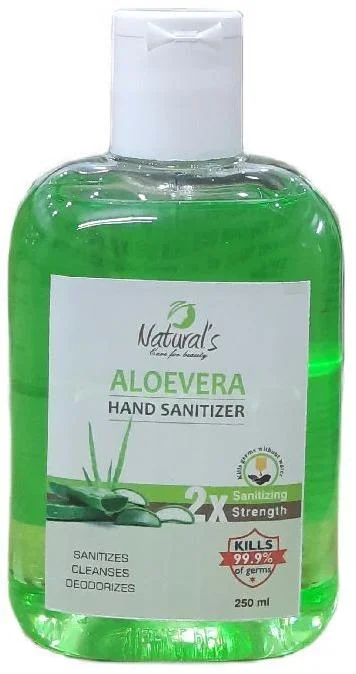
Chemicals PL is based in the United States and lists fourteen active products across three top categories: other fabric and raw material, medical face masks, and hand sanitizer. The catalogue contains multiple entries for hand sanitizers as well as a series of melt‑blown and spun‑bond nonwoven fabrics that are commonly used in mask production. All items are grouped under HS chapter 38 for organic chemicals (hand sanitizers) and HS chapter 39 for plastics and textile articles (nonwoven fabrics). The supplier’s product list reflects the current global demand for personal‑protective equipment and disinfectant solutions, especially in post‑pandemic supply chains.
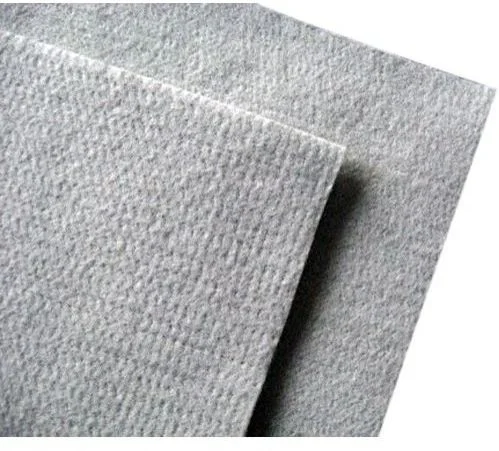
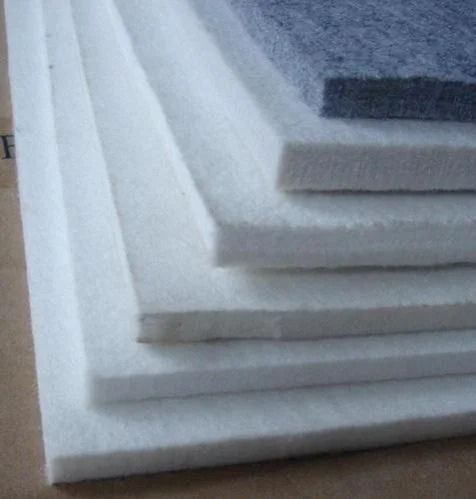
The product list includes generic hand sanitizer formulations, “Cheap Instant Hand Sanitizers” and “Hand Sanitizers/hand Disinfectants Wholesale”, as well as several variants of melt‑blown nonwoven fabric such as “99% Melt Blow Woven Fabric”, “Meltblown Nonwoven Fabric”, “Melt‑blown Non‑woven Fabric For Sale”, and PP spun‑bond nonwoven fabric. The repeated naming indicates the same material offered in different packaging or bulk options. These fabrics fall under the broader nonwoven textile category, which is typically classified under HS 3907 for man‑made fibres, while the sanitizers are classified under HS 3808 for disinfecting preparations.
Product Range and Specialties of Chemicals PL
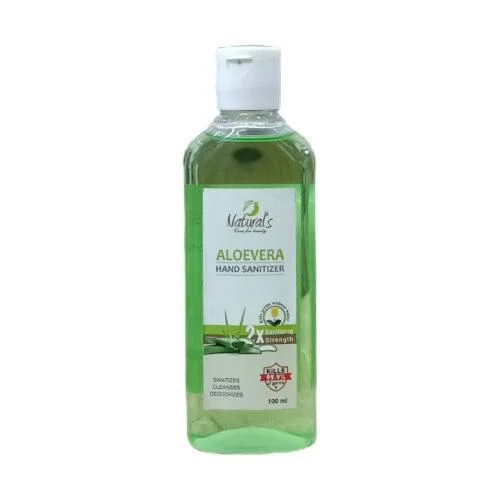
The catalogue’s hand‑sanitizer entries cover liquid formulations that are generally based on ethanol or isopropanol concentrations between 60 % and 95 % by volume, matching the efficacy thresholds required by most health authorities. Typical additives include glycerin for skin moisturisation and hydrogen peroxide as a stabiliser. For the melt‑blown nonwoven fabrics, industry standards cite basis weights of 20‑45 g/m², fibre diameters of 1‑3 µm, and melt‑blown web thicknesses of 0.1‑0.3 mm, which deliver bacterial filtration efficiencies (BFE) of 95 % or higher for medical‑grade mask layers. PP spun‑bond fabrics are usually supplied in rolls with widths of 1‑1.5 m and grammages of 30‑70 g/m², suitable for inner mask layers or disposable gowns. These specifications align with common ASTM F2100 and EN 14683 requirements for mask components.
Trade and Export Information - Chemicals PL
United States exporters of hand sanitizers typically ship to North America, Europe, and parts of Asia where regulatory compliance with FDA’s OTC monograph, EU REACH, or ASEAN Cosmetic Directive is required. Shipments are usually packed in PET bottles or HDPE containers, labelled with ingredient lists, safety data sheets (SDS), and, when applicable, FDA clearance numbers. Logistics often use FOB or CIF terms with 20‑ft containers holding up to 1,200 L of liquid product, while compliance with hazardous‑goods regulations (UN 2794 for ethanol‑based sanitizers) is routinely verified by freight forwarders.
Melt‑blown nonwoven fabrics from the United States are exported mainly to mask manufacturers in Southeast Asia, the Middle East, and Europe, where demand for BFE‑rated filter media remains high. Buyers generally request ISO 9001 quality‑management certificates and third‑party test reports such as ASTM D7375 for filtration performance. The fabrics are shipped on 40‑ft containers in sealed poly‑bag rolls, often with moisture‑proof inner liners to preserve fibre integrity. Export documentation commonly includes a commercial invoice, packing list, certificate of origin, and any required phytosanitary or textile‑specific certificates depending on the destination country.
Sourcing from Chemicals PL - Buyer Guidance
When sourcing hand sanitizer from Chemicals PL, buyers should request the exact alcohol type and concentration, an SDS, and any FDA clearance documentation. Verification of microbial efficacy (e.g., EN 1499 or ASTM E2315) and the presence of a preservative system is standard practice before confirming bulk orders. Samples of 250 mL to 1 L are typically offered for laboratory testing of alcohol content, pH, and skin‑compatibility parameters.
For melt‑blown and spun‑bond fabrics, buyers should obtain a product data sheet that lists basis weight, fibre diameter, web thickness, and BFE rating. Third‑party test certificates (ASTM F2100, EN 14683) and ISO 9001 compliance are customary documents to request. Prior to large‑volume purchases, it is advisable to receive a short roll sample (10‑20 m) to assess tensile strength, tear resistance, and compatibility with mask‑assembly equipment. Confirming packaging dimensions (roll width, length per roll) and container loading plans helps avoid freight discrepancies.
Frequently Asked Questions About Chemicals PL
What hand‑sanitizer formulations does Chemicals PL provide?
The catalogue lists liquid sanitizers based on ethanol or isopropanol, typically formulated at 60 % - 95 % alcohol by volume and containing glycerin for skin care.
Are the sanitizers compliant with U.S. regulations?
Chemicals PL can supply the FDA clearance documentation required for over‑the‑counter disinfectants upon request.
What are the key specifications of the melt‑blown nonwoven fabrics?
Typical melt‑blown fabrics are offered with basis weights of 20‑45 g/m², fibre diameters of 1‑3 µm, and BFE ratings of 95 % or higher, suitable for medical mask filtration layers.
Do the fabrics meet international mask standards?
Test reports aligned with ASTM F2100 and EN 14683 can be provided, demonstrating compliance with filtration and breathability criteria.
What certifications should a buyer request for these products?
Buyers should request FDA clearance for sanitizers and ISO 9001 quality‑management certificates, as well as third‑party filtration test reports for the nonwovens.
What packaging options are available for hand sanitizers?
Products are normally packed in PET or HDPE bottles ranging from 250 mL to 5 L, sealed with tamper‑evident caps and shipped in cartons suitable for container loading.
What is the minimum order quantity for melt‑blown fabric rolls?
The supplier typically requires a minimum order of one standard roll (approximately 1 000 m length), though smaller trial rolls can be arranged for sample testing.
How long is the lead time for a full container order?
Lead times are generally 2‑4 weeks from order confirmation, depending on product mix and required documentation, with longer periods if custom certifications are needed.




 , United States