Ceylon Nature Agri Organic Product (PVT) LTD — Verified Manufacturer & Wholesale Supplier
About Ceylon Nature Agri Organic Product (PVT) LTD - Organic Agricultural Supplier in Sri Lanka
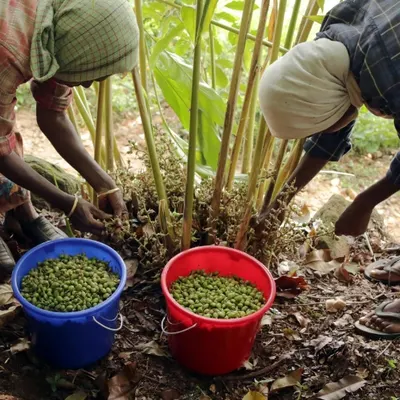
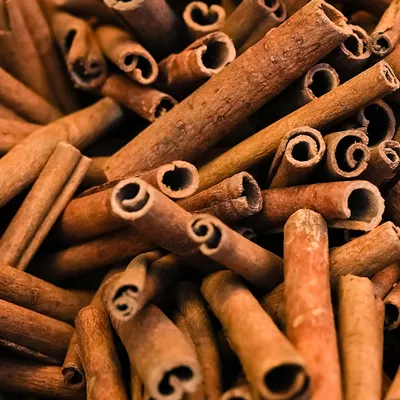
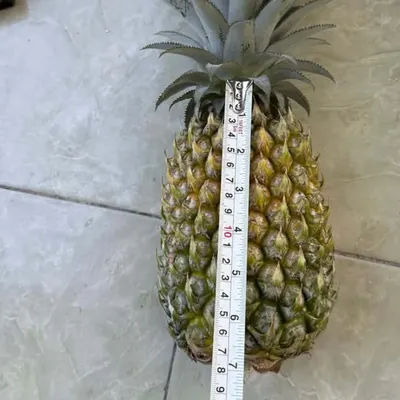
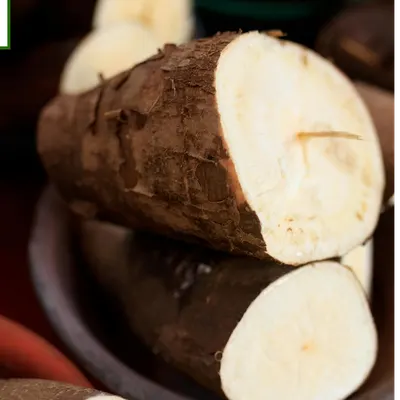
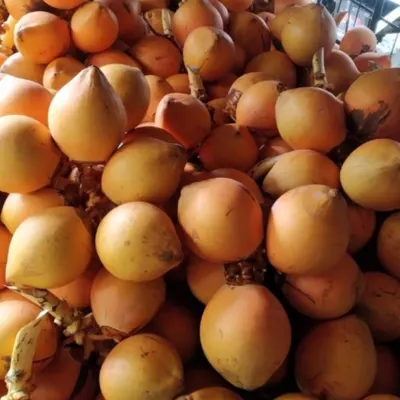
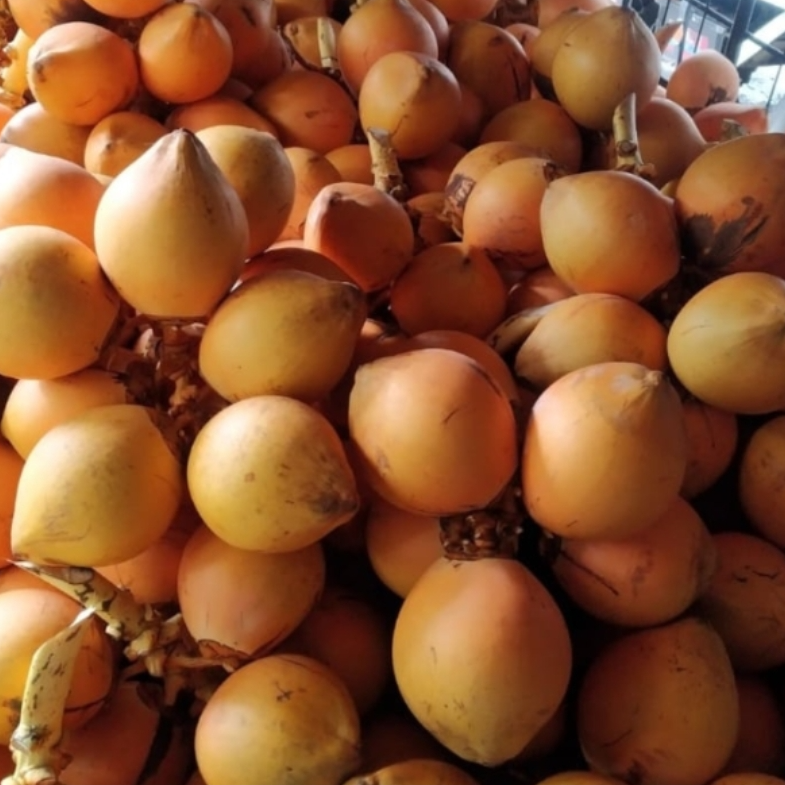
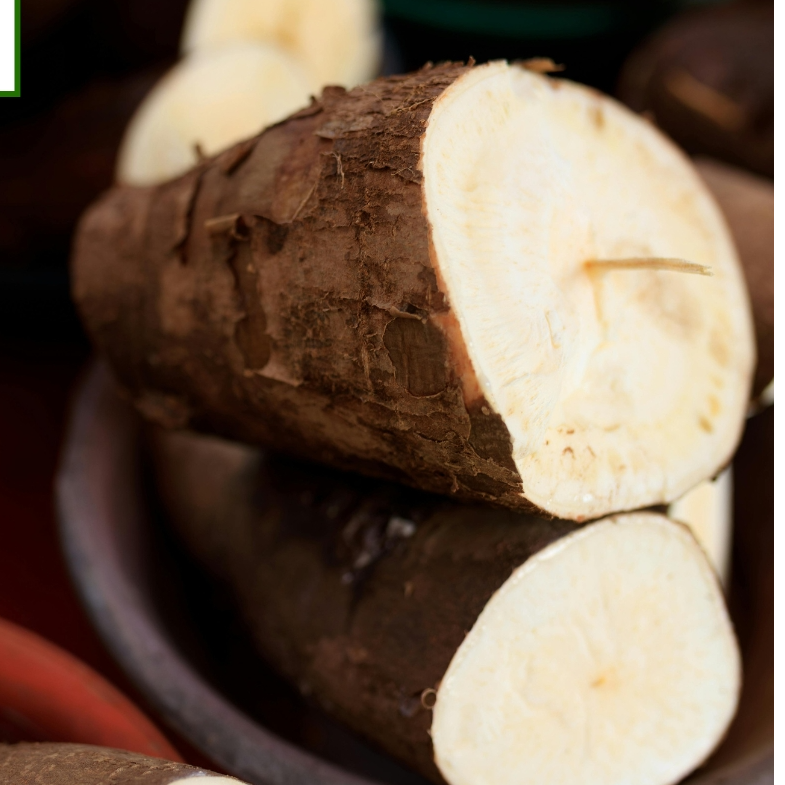
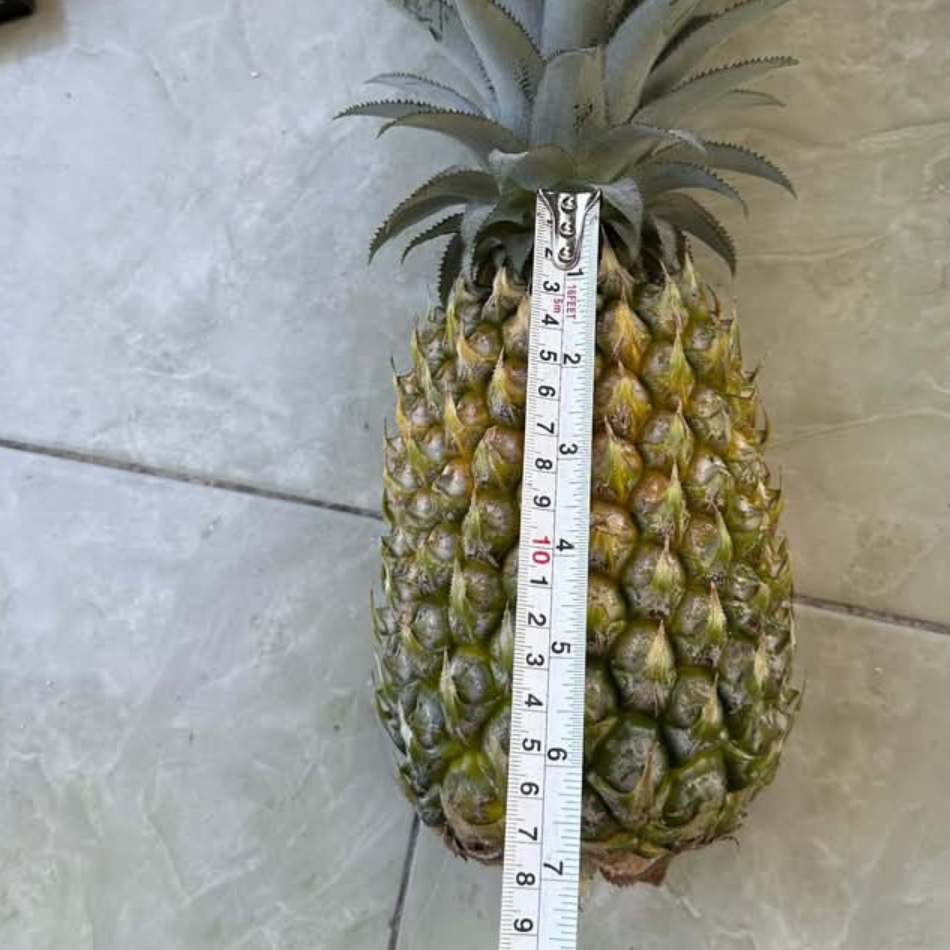
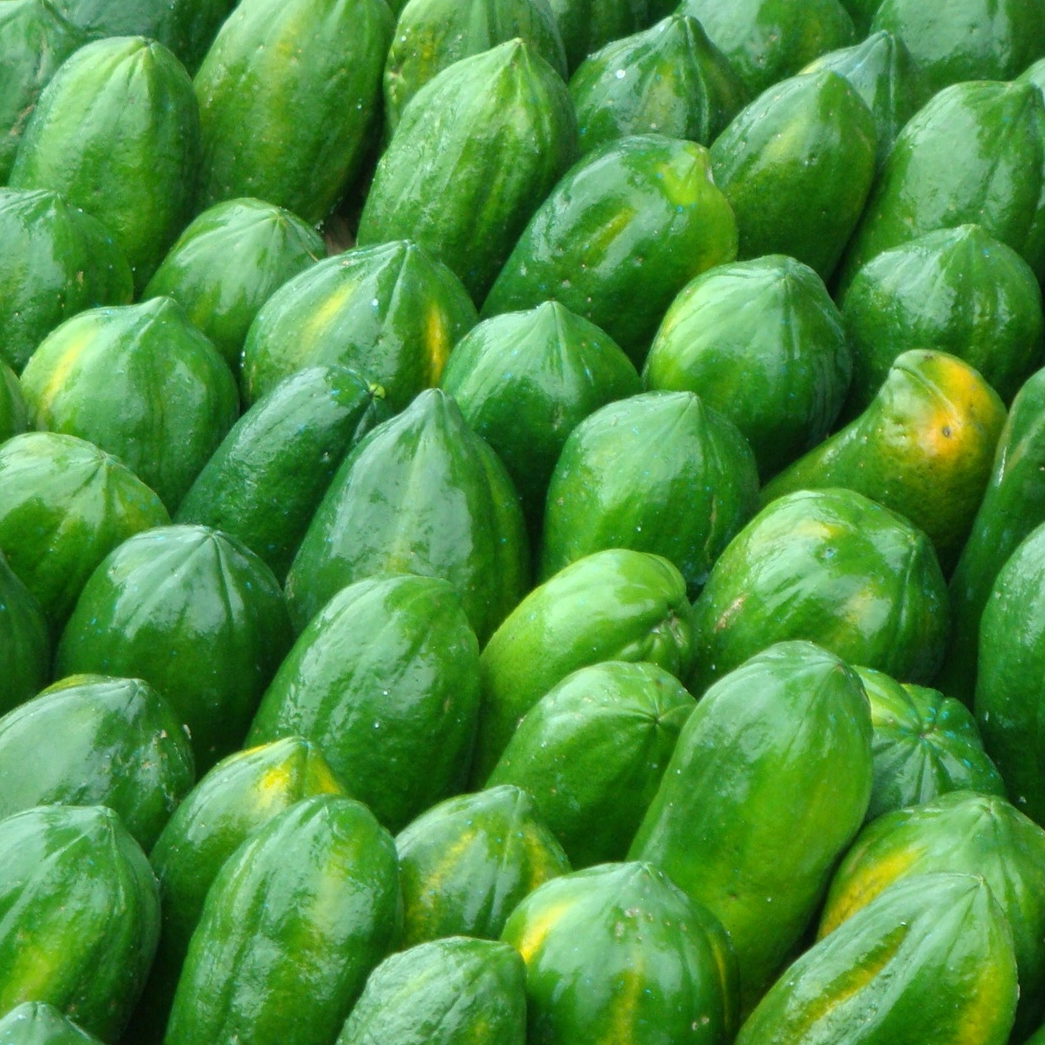
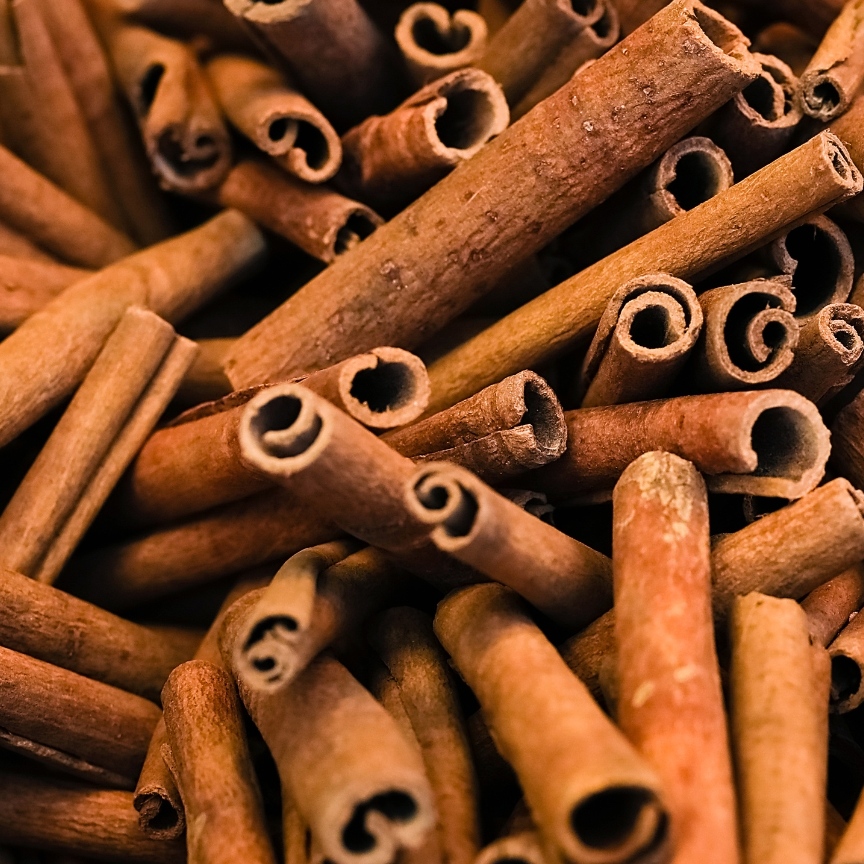
Sri Lanka hosts the supplier Ceylon Nature Agri Organic Product (PVT) LTD, which lists nine active organic agricultural products. The catalogue spans fresh fruits such as pineapple, papaya and mango, root crops like cassava, and spice items including Ceylon cinnamon sticks and premium cardamom pods. It also includes processed commodities such as King Coconut water, fresh tomatoes, and Ceylon tea derived from Camellia sinensis leaves. The supplier’s top‑level categories are recorded as Fruits, Banana, Cardamom, Cinnamon, Fresh King Fish, Frozen King Fish, Coconut Water & Coconut Milk, Frozen Mango and Fresh Cassava, reflecting a broad organic produce portfolio.
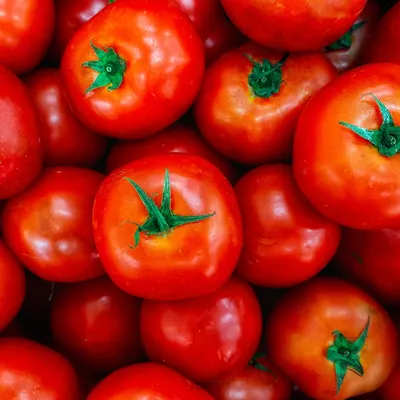
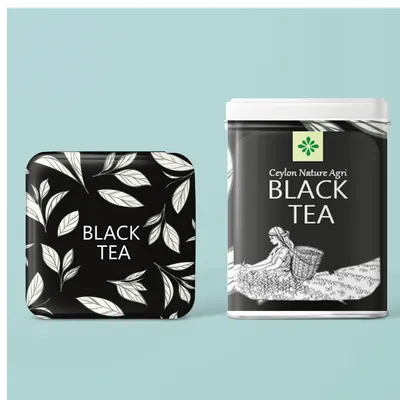
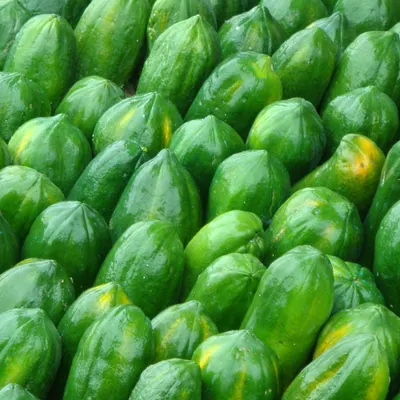
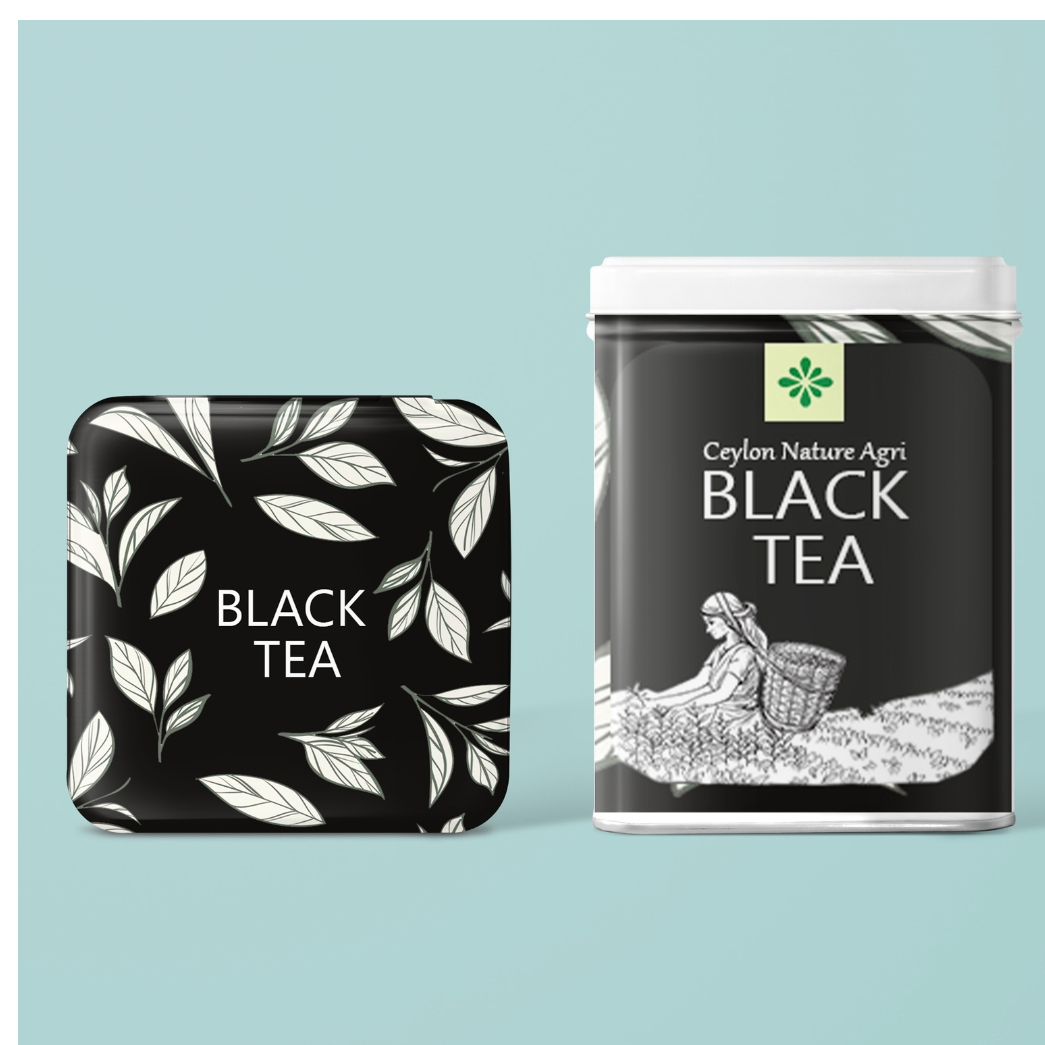
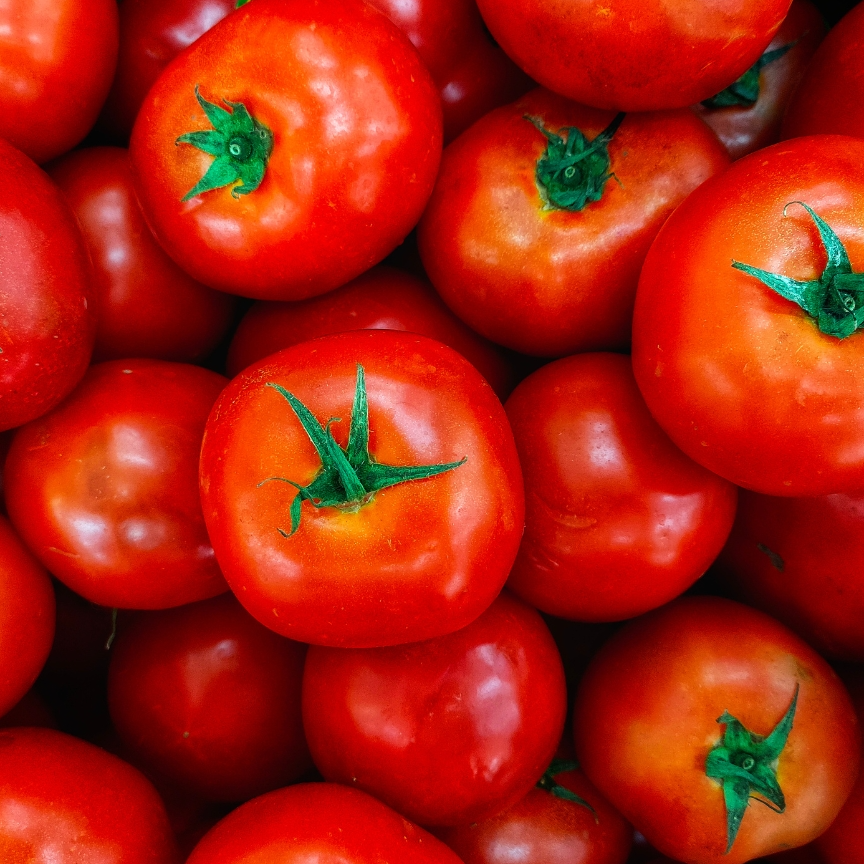
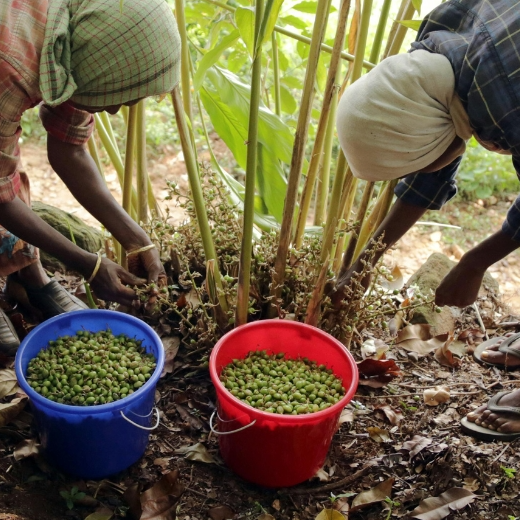
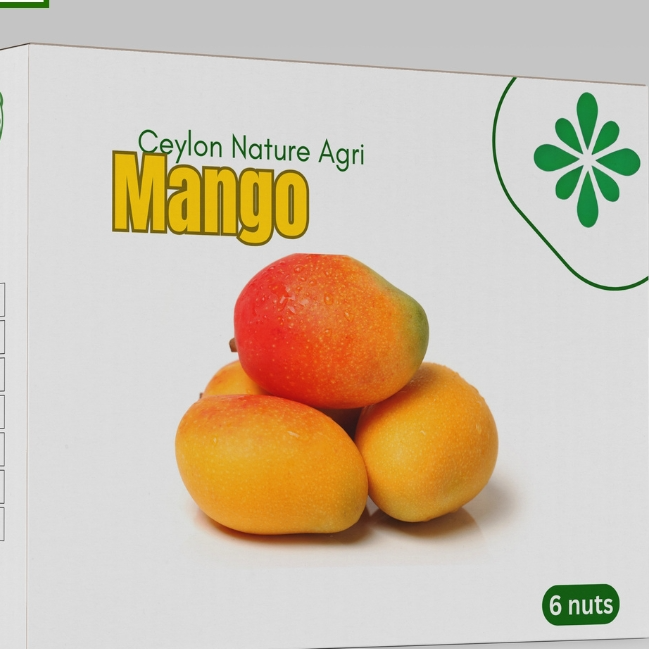
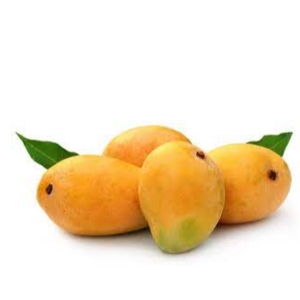
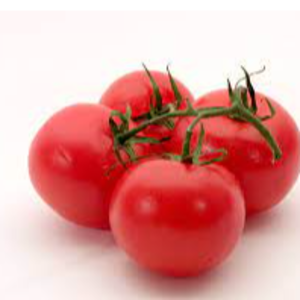
The detailed product list specifies Ceylon Tea (HS 0902.40, processed black tea), Ceylon Nature Agri Tomato (HS 0702.00, fresh whole tomatoes), Premium Ceylon Cardamom (HS 0908.21, whole cardamom pods), and TJC Mango (HS 0804.50, fresh whole mango). Additional items such as King Coconut, Cassava, Pineapple, Ceylon Cinnamon Stick and Ceylon Papaya are listed without HS codes in the supplied data. Each entry includes the material description, for example the tea entry notes fermented Camellia sinensis leaves, and the cardamom entry specifies Elettaria cardamomum pods. The catalogue therefore covers both fresh produce and processed spice/tea items under standard HS code families for agricultural goods.
Product Range and Specialties of Ceylon Nature Agri Organic Product (PVT) LTD
The supplier’s catalogue contains organic King Coconut, fresh Cassava, pineapple, Ceylon cinnamon sticks, papaya, black tea, fresh tomatoes, premium cardamom pods and mango, each aligned with typical HS chapters for fresh fruit (08), vegetables (07), spices (09) and tea (09). In the global market, fresh mangoes from Sri Lanka are usually graded by size (e.g., 500‑700 g) and skin colour, with ICUMSA‑type sweetness levels often recorded for export quality. Ceylon cinnamon sticks are exported in grades such as “Ceylon Grade A” with moisture below 12 % and oil content under 2 %. Cardamom pods are commonly classified by length (10‑12 mm) and essential oil content above 6 %. Organic black tea is typically sold in bulk bags of 60 kg, with leaf grade BOP (Broken Orange Pekoe) or OP (Orange Pekoe) and moisture under 4 %.
Trade and Export Information - Ceylon Nature Agri Organic Product (PVT) LTD
Sri Lankan organic produce is regularly shipped to the EU, Middle East and South‑East Asian markets, where buyers often require phytosanitary certificates, organic certification (e.g., USDA‑NOP or EU‑EU organic), and compliance with the relevant HS codes (0902, 0702, 0908, 0804, etc.). Export logistics for fresh fruit and vegetables generally use refrigerated containers (20 ft or 40 ft reefer units) maintaining 0‑4 °C, while spices and tea are packed in 20 kg jute bags or 60 kg bulk bags for sea freight under CIF terms. Sri Lanka’s Department of Export Agriculture issues mandatory phytosanitary certificates, and buyers typically request third‑party lab analysis for pesticide residues and moisture content. The country’s free‑trade agreements with India and the EU facilitate reduced duties on organic agricultural goods, encouraging bulk shipments to Europe, the Gulf Cooperation Council and North America.
Sourcing from Ceylon Nature Agri Organic Product (PVT) LTD - Buyer Guidance
When sourcing from this supplier, request an up‑to‑date organic certification copy (e.g., USDA‑NOP, EU organic) and a recent phytosanitary certificate for each fresh product. Verify product specifications such as mango size range, cinnamon moisture level, cardamod essential oil percentage and tea leaf grade against the buyer’s quality standards before confirming order quantities. Request a sample batch with accompanying lab test reports for pesticide residues, moisture and microbial load, and confirm packaging dimensions (e.g., 20 kg jute bags for spices, 60 kg bulk bags for tea) to ensure compatibility with the buyer’s logistics chain.
Frequently Asked Questions About Ceylon Nature Agri Organic Product (PVT) LTD
What HS code applies to the Ceylon Tea offered by the supplier?
The tea is listed under HS code 0902.40, which covers black tea made from Camellia sinensis leaves that has been fermented.
Which certification should a buyer request for the organic fruit products?
Buyers should request a current organic certification such as USDA‑NOP or EU organic, together with a phytosanitary certificate issued by Sri Lanka’s Department of Export Agriculture.
What are the typical packaging formats for the premium cardamom pods?
Premium cardamom is commonly packed in 20 kg jute sacks or 25 kg polypropylene bags, sealed to preserve essential oil content and protect against moisture.
What is the usual minimum order quantity (MOQ) for fresh mango shipments?
Exporters of Sri Lankan mangoes often set an MOQ of one 20 ft refrigerated container, roughly 12 000 kg of fruit, though smaller volumes can be arranged with higher freight rates.
How long does it typically take to prepare a shipment of organic cinnamon sticks?
From order confirmation to loading, organic cinnamon sticks generally require 4‑6 weeks, allowing time for certification verification, drying, and packaging in bulk bags.
What documentation is required for customs clearance of fresh tomatoes?
Customs clearance for tomatoes usually needs a phytosanitary certificate, a certificate of origin, and an import permit from the destination country, along with the HS code 0702.00 declaration.
Are there specific quality tests buyers should request for King Coconut water?
Buyers commonly request laboratory analysis for total soluble solids (°Brix), pH, and microbial load, as well as a moisture content test to ensure the product meets organic beverage standards.
What logistics method is preferred for shipping frozen mango?
Frozen mango is typically exported in insulated 40 ft containers with glycol‑based refrigerant plates, maintaining - 18 °C throughout transit to preserve fruit integrity.




 , Sri Lanka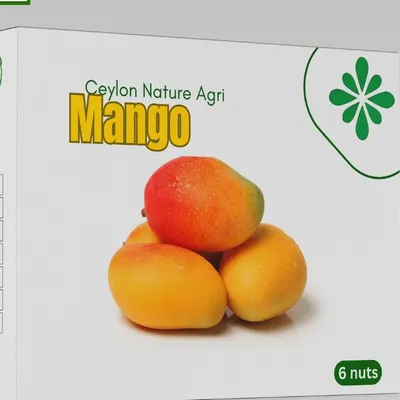
.jpg.png)