Carpatian Mineral Water — Verified Supplier
About Carpatian Mineral Water - Mineral Water Supplier in Ukraine
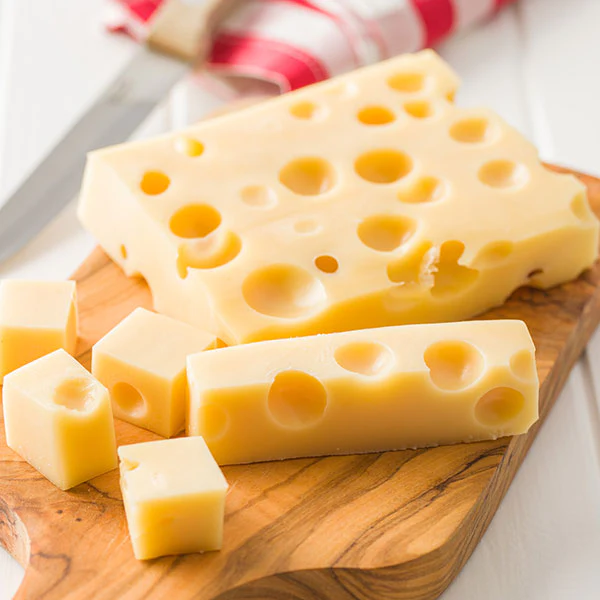
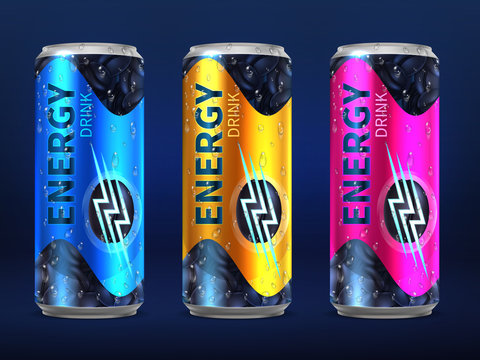
Carpatian Mineral Water is based in Ukraine and currently lists 26 active products across its catalogue. The supplier’s portfolio includes multiple variants of still mineral water ranging from 0.5 L glass bottles to 6 L bulk containers, several energy‑drink formulations, a selection of snack items such as crispy sticks, and a line of natural fruit juices. The mineral water items are classified under the HS chapter 22 (e.g., HS 2201 for bottled water), while the energy drinks fall under HS 2202, the snack products under HS 1905, the juices under HS 2009, and the pine board under HS 4407. The catalogue explicitly names products such as “Carpatian Mineral Water (High 1 L)”, “Dragon Energy Drinks”, “Crispy Sticks - Cheese”, and “Pine Board”. The supplier is listed under the “harbor” trust tier.
The product list also distinguishes water grades by carbonation level (high, medium) and packaging type (PET, glass, sport‑bottles). Energy‑drink entries include “Ice Dragon 0.5 L” and “Dragon Red 1 L”, indicating both 0.5 L and 1 L formats. Snack items cover flavored crispy sticks, while the juice entry references “Natural Juices - Galicia”. No additional manufacturing details or certifications are provided in the supplied data.
Product Range and Specialties of Carpatian Mineral Water
The mineral water range is presented in several size and carbonation categories: 0.5 L glass, 1 L PET (high and medium carbonation), 1.5 L PET, 2 L PET, and a 6 L bulk PET bottle. In the industry, bottled mineral water is typically evaluated by total dissolved solids (TDS) between 200 mg/L and 500 mg/L, pH 7.0‑8.0, and compliance with the EU Drinking Water Directive (2009/54/EC) or equivalent national standards. Energy drinks such as “Dragon Energy Drinks” and “Ice Dragon 0.5 L” usually contain caffeine levels of 30 mg/100 ml, sugar concentrations of 9‑12 g/100 ml, and are packaged in PET bottles that meet food‑contact safety regulations. Snack products listed as “Crispy Sticks” (ketchup, cheese, onion rings, squid rings) fall under the snack‑food HS category and are commonly produced with moisture content below 5 % and oil absorption rates around 30 % by weight. The natural juice entry (“Juices, Natural Juices - Galicia”) aligns with typical fruit‑juice specifications of Brix 10‑12 °, pasteurised at 85 °C for 30 seconds, and packaged in PET or Tetra Pak cartons. The “Pine Board” item is a wood product usually measured in dimensions of 2 m × 0.15 m × 0.02 m, with a moisture content of 12‑15 % for export stability.
Trade and Export Information - Carpatian Mineral Water
Ukrainian bottled mineral water is regularly exported to EU member states, CIS countries, and the Middle East, where buyers often require compliance with EU Regulation No 1169/2011 on food information and ISO 22000 food‑safety management. Energy‑drink exports follow similar food‑safety expectations, with additional scrutiny on caffeine labeling and sugar content under EU and CIS regulations. Snack foods and fruit juices from Ukraine are typically shipped in 20‑ft or 40‑ft containers, using palletised PET packaging, and buyers frequently request HACCP plans, laboratory analysis reports, and certificates of origin. Wood products such as pine boards are subject to phytosanitary certification (ISPM 15) and are commonly destined for EU construction and furniture markets, where moisture‑content verification and treatment markings are mandatory. Across all categories, HS codes 2201, 2202, 1905, 2009 and 4407 guide customs classification, and standard Incoterms such as FOB or CIF are used for contract terms.
Sourcing from Carpatian Mineral Water - Buyer Guidance
When sourcing mineral water from Carpatian Mineral Water, buyers should request a recent water analysis report covering TDS, pH, mineral composition, and microbial test results, as well as any ISO 22000 or HACCP documentation the supplier can provide. For energy‑drink purchases, ask for caffeine and sugar analysis, label compliance certificates, and batch‑wise stability testing records. Snack‑food buyers need to verify moisture content, oil absorption data, allergen declarations, and a HACCP plan that includes frying oil turnover. Juice buyers should obtain Brix measurements, pasteurisation validation, and documentation of any fruit‑origin certifications. Wood buyers must request a phytosanitary certificate, moisture‑content test, and dimensional specifications, and confirm that the product complies with ISPM 15 treatment markings. In all cases, confirming the correct HS code, packaging dimensions, and lead‑time estimates before placing an order helps avoid customs delays.
Frequently Asked Questions About Carpatian Mineral Water
What sizes of mineral water does Carpatian Mineral Water offer?
The catalogue lists 0.5 L glass bottles, 1 L PET bottles (high and medium carbonation), 1.5 L PET, 2 L PET, and a 6 L bulk PET bottle.
Which HS codes apply to the product categories listed by Carpatian Mineral Water?
Typical HS classifications are 2201 for bottled mineral water, 2202 for energy drinks, 1905 for snack foods, 2009 for fruit juices, and 4407 for pine board wood products.
What certifications should a buyer request for the mineral water and energy‑drink lines?
Buyers usually request ISO 22000 or HACCP certification, a water‑analysis report for mineral water, and caffeine/sugar analysis plus label compliance certificates for energy drinks.
Are samples available for the crispy sticks snack range?
Samples can be requested in standard 500 g packaging; buyers should verify moisture content (≤5 %) and confirm allergen information before confirming a bulk order.
What documentation is needed for importing the pine board from Ukraine?
A phytosanitary certificate meeting ISPM 15, a moisture‑content test report (12‑15 %), and a declaration of dimensions are typically required for customs clearance.
What are the typical lead times and minimum order quantities for the juice product?
Ukrainian juice exporters often quote a lead time of 25‑35 days from order confirmation, with a common minimum order of one 20‑ft container (approximately 12 000 L of juice).




 , Ukraine