Cadder Limited — Verified Supplier

About Cadder Limited - Arabic Gum Supplier in United Kingdom

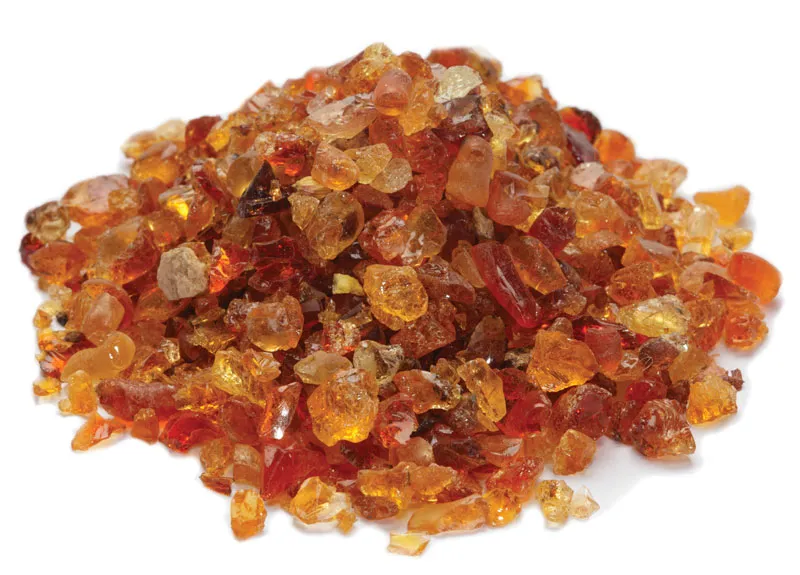
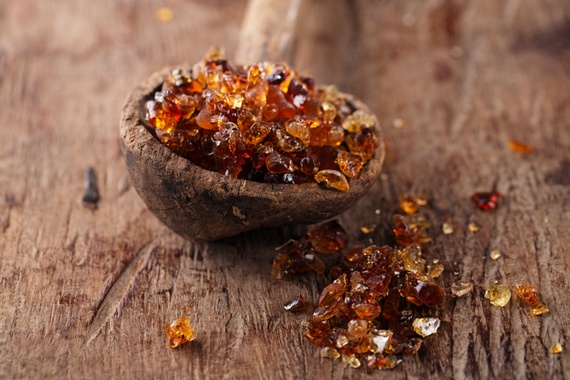
United Kingdom‑based Cadder Limited lists seven active products across food ingredients, seed commodities, textile raw material and agricultural machinery. The catalogue records Gum Arabic identified with HS code 1301.20, Hibiscus, Groundnuts, Watermelon Seeds, Agri Machinery, Cotton and Sorghum, covering a mix of consumables and capital equipment. Each entry reflects a distinct material category, from natural gum sourced from Acacia Senegal and Acacia Seyal trees to raw cotton lint and sorghum grain. The supplier’s active product count of seven aligns with the seven items enumerated in its public catalogue. Cadder Limited therefore positions its offering across both agricultural produce and farm‑related equipment for export markets.

The product set includes food‑grade Gum Arabic, dried Hibiscus calyces, edible Groundnuts, oil‑rich Watermelon Seeds, a range of farm machinery, raw Cotton fibre and Sorghum grain for feed or food processing. The Gum Arabic entry specifies the source species, while the other entries are listed without HS codes in the catalogue. Cadder Limited’s portfolio therefore spans natural gums, plant seeds, bulk cereals, textile raw material and machinery, providing a diversified agricultural supply base for international buyers.

Product Range and Specialties of Cadder Limited

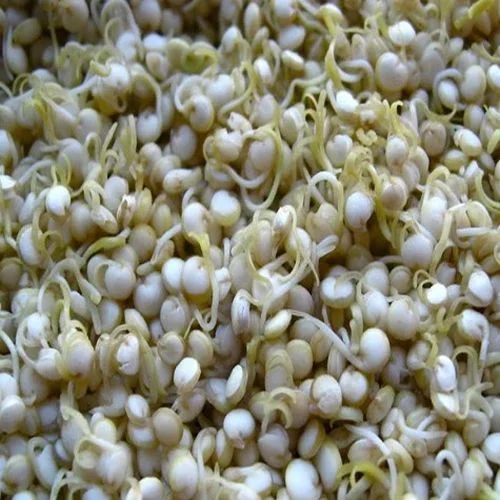
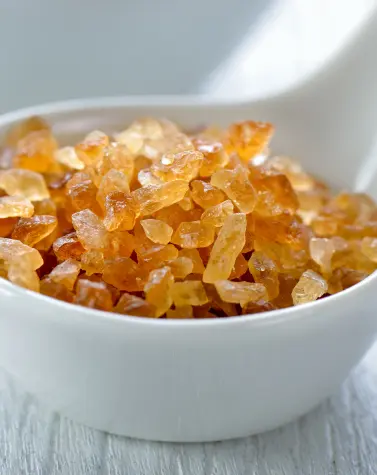
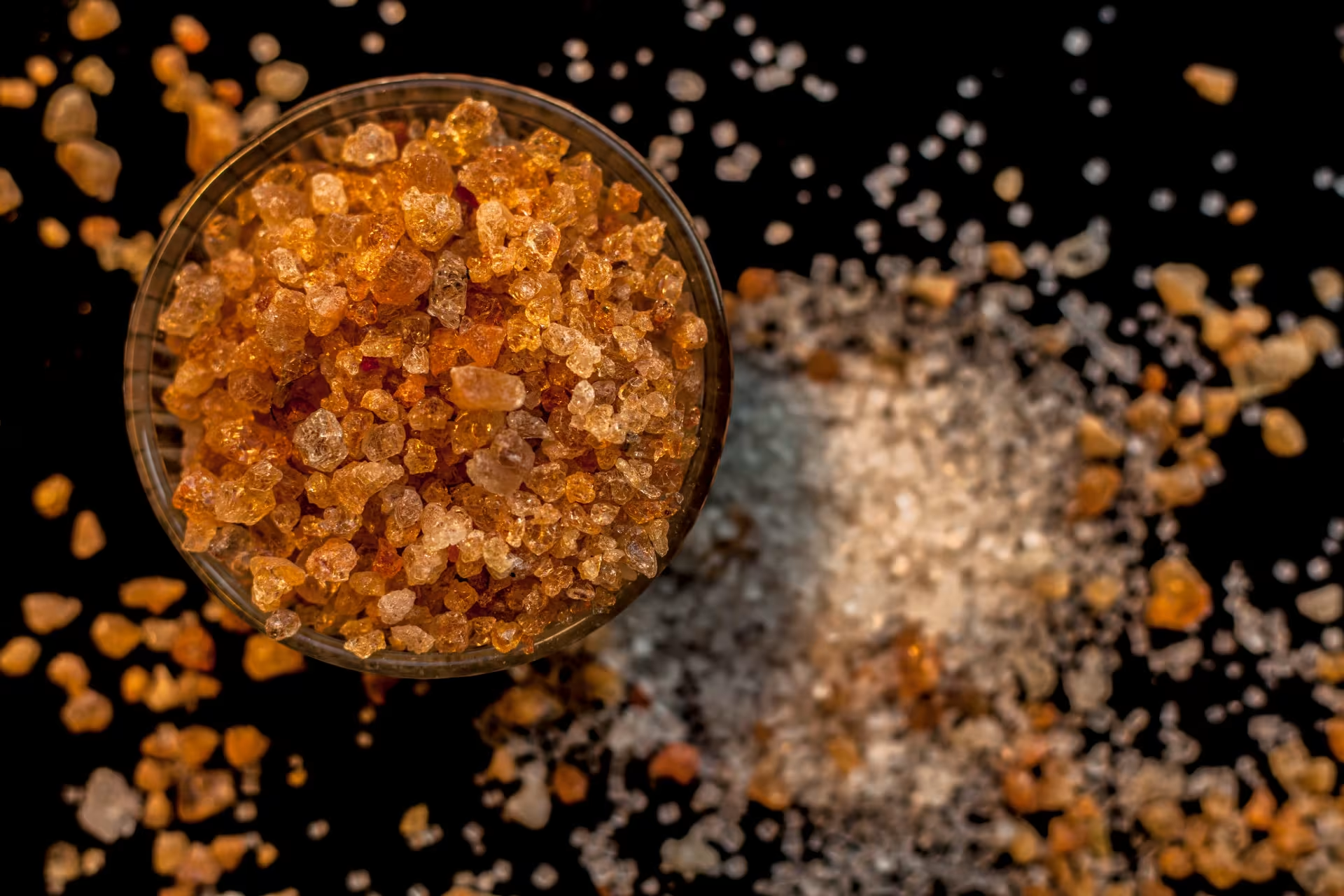
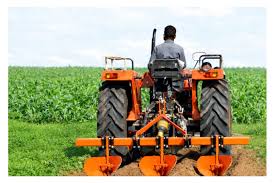
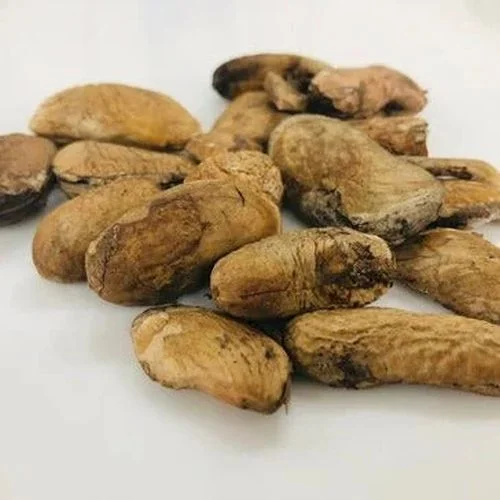
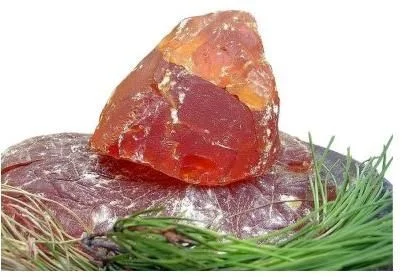
Gum Arabic from Acacia trees is typically sold as food‑grade Grade 1, with moisture below 14 %, ash under 1.5 % and a viscosity range of 150 - 300 mPa·s at 20 °C. Hibiscus dried calyces are commonly graded by colour intensity (e.g., deep ruby) and moisture content not exceeding 12 %, and are used in beverages and confectionery. Groundnuts exported from the United Kingdom are usually classified by kernel size (e.g., 16 - 20 mm), shelling percentage above 45 % and aflatoxin limits of 10 ppb under EU regulations. Watermelon Seeds are graded by oil content (30 - 35 %) and moisture 5 - 7 %, making them suitable for snack or oil production. Farm machinery listed under “Agri Machinery” generally conforms to CE marking, ISO 9001 quality management and includes items such as tractors and harvesters. Cotton is evaluated by staple length (28 - 32 mm) and micronaire values between 3.5 and 4.5, meeting textile mill specifications. Sorghum grain is typically categorized by grain size (2.5 - 4 mm), moisture 12 - 14 % and protein content of 9 - 12 % for feed or food use.

Trade and Export Information - Cadder Limited

Exporters of Arabic gum from the United Kingdom often ship to the European Union, the Middle East and Asian food processors under HS chapter 13 (1301.20). Buyers of Hibiscus, Groundnuts and Watermelon Seeds usually import under HS chapters 12 and 13, requiring phytosanitary certificates and, for food use, compliance with EU food safety standards such as Regulation (EC) No 178/2002. Farm machinery is classified under HS 8425 and typically requires CE conformity documentation and, for some markets, ISO 12100 safety certification. Cotton and Sorghum fall under HS 5201 and 1005 respectively; cotton imports are driven by textile manufacturers in Asia and Europe, while sorghum is sourced for animal feed and brewing in Africa, the Middle East and Latin America. Standard export packaging includes 25 kg paper bags for seeds, 20‑ft or 40‑ft containers for bulk grains, and palletised units for machinery, with Incoterms FOB or CIF commonly applied. The United Kingdom’s export framework mandates customs declarations aligned with the Integrated Tariff and, where applicable, the EU’s import licensing regime for food commodities.

Sourcing from Cadder Limited - Buyer Guidance

When sourcing Arabic gum, request a specification sheet covering moisture, ash, viscosity and a recent laboratory analysis report. For Hibiscus, Groundnuts and Watermelon Seeds, ask for moisture content, pesticide residue limits and, where relevant, aflatoxin test results. Buyers of farm machinery should obtain CE conformity certificates, a user manual and a maintenance schedule before finalising orders. Cotton buyers need to verify staple length, micronaire and any residual pesticide testing; a sample of lint is advisable for fibre quality assessment. Sorghum purchasers should request a grain analysis report indicating moisture, protein and mycotoxin levels, and confirm that the grain meets the destination country’s feed‑stock standards. In all cases, confirm the HS code on the commercial invoice matches the product description and request a phytosanitary certificate for plant‑based items.

Frequently Asked Questions About Cadder Limited

What HS code does Cadder Limited use for its Gum Arabic?

The catalogue lists Gum Arabic under HS code 1301.20, which covers natural gums from the Acacia genus.

Which certifications should a buyer request for the Hibiscus supplied by Cadder Limited?

Buyers should ask for a food‑grade specification sheet, a recent moisture analysis and, if required by the destination, a phytosanitary certificate confirming compliance with EU or other regional standards.

How can I verify the quality of Groundnuts from Cadder Limited?

Request a laboratory report showing aflatoxin levels (normally ≤10 ppb), moisture content (typically ≤5 %) and size grading. A physical sample can be used for independent testing before a full shipment.

What packaging formats are used for Watermelon Seeds?

Watermelon Seeds are commonly packed in 25 kg paper bags, which are then palletised for container loading. This format meets most international bulk seed transport requirements.

Does Cadder Limited provide CE documentation for its Agri Machinery?

The supplier lists farm machinery under the Agri Machinery category; buyers should request the CE conformity declaration and any applicable ISO 9001 quality management certificates before purchase.

What grain specifications are typical for the Sorghum offered by Cadder Limited?

Sorghum is usually supplied with moisture content between 12 % and 14 %, grain size of 2.5 - 4 mm and protein levels of 9 - 12 %, documented in a grain analysis report.

Which markets commonly import the Cotton listed by Cadder Limited?

Raw cotton from the United Kingdom is primarily exported to textile manufacturers in Asia, particularly China, Bangladesh and Vietnam, as well as to European garment producers.

What documentation is needed for customs clearance of these products?

Customs clearance typically requires a commercial invoice with the correct HS code, a packing list, a certificate of origin and, for food items, a phytosanitary or food safety certificate as required by the importing country.


Featured Products from this Supplier

Other Suppliers in Primary Category

Top Trusted Suppliers

Related Products

Trending in Parent Category

More Suppliers in Category

Related Products

Other Suppliers

EximNext
58.4K+ live requirements
Register Free🎁 5 free buy-lead credits
Post Requirement
🌍 Trusted by 224.4K+ businesses in 200+ countries|
58.4K+ active requirements right now
✉️ [email protected]
|
Sell on EximNextPost Requirement
EximNext
AgricultureApparelConstructionElectronicFoodHomeIndustrialMineralsMiscellaneous
🔥 Deals|✨ AI Match|🏭 Suppliers|📋 Buy Leads|💰 Trade Finance|⭐ Upgrade
58.4K+ live RFQs·194.5K+ suppliers
🎁 5 free credits →
EximNext
EximNext
Register Free
🎁 5 free buy-lead credits
Sign In
📋Post Requirement💬Get QuotesAI Match📋RFQ Marketplace
All Categories
Services & Tools
🏭Supplier Directory🔥Today's Deals💰Trade FinanceMembership
Sell on EximNext
AboutContactBlogHelp
🏭

Cadder Limited

Harbor
Country flag , United Kingdom
🛡️
54/100
Trust Score

Cadder Limited Product Catalog

Showing 7 of 7 products
View all products →
Cotton
Harbor
Cotton
Contact
MOQ: 1 Unit
Sorghum
Harbor
Sorghum
Contact
MOQ: 1 Unit
Gum Arabic
Harbor
Gum Arabic
Contact
MOQ: 1 Unit
Hibiscus
Harbor
Hibiscus
Contact
MOQ: 1 Unit
Groundnuts
Harbor
Groundnuts
Contact
MOQ: 1 Unit
Watermelon Seeds
Harbor
Watermelon Seeds
Contact
MOQ: 1 Unit
Agri Machinery
Harbor
Agri Machinery
Contact
MOQ: 1 Unit

About Cadder Limited - Arabic Gum Supplier in United Kingdom

United Kingdom‑based Cadder Limited lists seven active products across food ingredients, seed commodities, textile raw material and agricultural machinery. The catalogue records Gum Arabic identified with HS code 1301.20, Hibiscus, Groundnuts, Watermelon Seeds, Agri Machinery, Cotton and Sorghum, covering a mix of consumables and capital equipment. Each entry reflects a distinct material category, from natural gum sourced from Acacia Senegal and Acacia Seyal trees to raw cotton lint and sorghum grain. The supplier’s active product count of seven aligns with the seven items enumerated in its public catalogue. Cadder Limited therefore positions its offering across both agricultural produce and farm‑related equipment for export markets.

The product set includes food‑grade Gum Arabic, dried Hibiscus calyces, edible Groundnuts, oil‑rich Watermelon Seeds, a range of farm machinery, raw Cotton fibre and Sorghum grain for feed or food processing. The Gum Arabic entry specifies the source species, while the other entries are listed without HS codes in the catalogue. Cadder Limited’s portfolio therefore spans natural gums, plant seeds, bulk cereals, textile raw material and machinery, providing a diversified agricultural supply base for international buyers.

Product Range and Specialties of Cadder Limited

Gum Arabic from Acacia trees is typically sold as food‑grade Grade 1, with moisture below 14 %, ash under 1.5 % and a viscosity range of 150 - 300 mPa·s at 20 °C. Hibiscus dried calyces are commonly graded by colour intensity (e.g., deep ruby) and moisture content not exceeding 12 %, and are used in beverages and confectionery. Groundnuts exported from the United Kingdom are usually classified by kernel size (e.g., 16 - 20 mm), shelling percentage above 45 % and aflatoxin limits of 10 ppb under EU regulations. Watermelon Seeds are graded by oil content (30 - 35 %) and moisture 5 - 7 %, making them suitable for snack or oil production. Farm machinery listed under “Agri Machinery” generally conforms to CE marking, ISO 9001 quality management and includes items such as tractors and harvesters. Cotton is evaluated by staple length (28 - 32 mm) and micronaire values between 3.5 and 4.5, meeting textile mill specifications. Sorghum grain is typically categorized by grain size (2.5 - 4 mm), moisture 12 - 14 % and protein content of 9 - 12 % for feed or food use.

Trade and Export Information - Cadder Limited

Exporters of Arabic gum from the United Kingdom often ship to the European Union, the Middle East and Asian food processors under HS chapter 13 (1301.20). Buyers of Hibiscus, Groundnuts and Watermelon Seeds usually import under HS chapters 12 and 13, requiring phytosanitary certificates and, for food use, compliance with EU food safety standards such as Regulation (EC) No 178/2002. Farm machinery is classified under HS 8425 and typically requires CE conformity documentation and, for some markets, ISO 12100 safety certification. Cotton and Sorghum fall under HS 5201 and 1005 respectively; cotton imports are driven by textile manufacturers in Asia and Europe, while sorghum is sourced for animal feed and brewing in Africa, the Middle East and Latin America. Standard export packaging includes 25 kg paper bags for seeds, 20‑ft or 40‑ft containers for bulk grains, and palletised units for machinery, with Incoterms FOB or CIF commonly applied. The United Kingdom’s export framework mandates customs declarations aligned with the Integrated Tariff and, where applicable, the EU’s import licensing regime for food commodities.

Sourcing from Cadder Limited - Buyer Guidance

When sourcing Arabic gum, request a specification sheet covering moisture, ash, viscosity and a recent laboratory analysis report. For Hibiscus, Groundnuts and Watermelon Seeds, ask for moisture content, pesticide residue limits and, where relevant, aflatoxin test results. Buyers of farm machinery should obtain CE conformity certificates, a user manual and a maintenance schedule before finalising orders. Cotton buyers need to verify staple length, micronaire and any residual pesticide testing; a sample of lint is advisable for fibre quality assessment. Sorghum purchasers should request a grain analysis report indicating moisture, protein and mycotoxin levels, and confirm that the grain meets the destination country’s feed‑stock standards. In all cases, confirm the HS code on the commercial invoice matches the product description and request a phytosanitary certificate for plant‑based items.

Frequently Asked Questions About Cadder Limited

What HS code does Cadder Limited use for its Gum Arabic?

The catalogue lists Gum Arabic under HS code 1301.20, which covers natural gums from the Acacia genus.

Which certifications should a buyer request for the Hibiscus supplied by Cadder Limited?

Buyers should ask for a food‑grade specification sheet, a recent moisture analysis and, if required by the destination, a phytosanitary certificate confirming compliance with EU or other regional standards.

How can I verify the quality of Groundnuts from Cadder Limited?

Request a laboratory report showing aflatoxin levels (normally ≤10 ppb), moisture content (typically ≤5 %) and size grading. A physical sample can be used for independent testing before a full shipment.

What packaging formats are used for Watermelon Seeds?

Watermelon Seeds are commonly packed in 25 kg paper bags, which are then palletised for container loading. This format meets most international bulk seed transport requirements.

Does Cadder Limited provide CE documentation for its Agri Machinery?

The supplier lists farm machinery under the Agri Machinery category; buyers should request the CE conformity declaration and any applicable ISO 9001 quality management certificates before purchase.

What grain specifications are typical for the Sorghum offered by Cadder Limited?

Sorghum is usually supplied with moisture content between 12 % and 14 %, grain size of 2.5 - 4 mm and protein levels of 9 - 12 %, documented in a grain analysis report.

Which markets commonly import the Cotton listed by Cadder Limited?

Raw cotton from the United Kingdom is primarily exported to textile manufacturers in Asia, particularly China, Bangladesh and Vietnam, as well as to European garment producers.

What documentation is needed for customs clearance of these products?

Customs clearance typically requires a commercial invoice with the correct HS code, a packing list, a certificate of origin and, for food items, a phytosanitary or food safety certificate as required by the importing country.

About Cadder Limited - Arabic Gum Supplier in United Kingdom

United Kingdom‑based Cadder Limited lists seven active products across food ingredients, seed commodities, textile raw material and agricultural machinery. The catalogue records Gum Arabic identified with HS code 1301.20, Hibiscus, Groundnuts, Watermelon Seeds, Agri Machinery, Cotton and Sorghum, covering a mix of consumables and capital equipment. Each entry reflects a distinct material category, from natural gum sourced from Acacia Senegal and Acacia Seyal trees to raw cotton lint and sorghum grain. The supplier’s active product count of seven aligns with the seven items enumerated in its public catalogue. Cadder Limited therefore positions its offering across both agricultural produce and farm‑related equipment for export markets.

The product set includes food‑grade Gum Arabic, dried Hibiscus calyces, edible Groundnuts, oil‑rich Watermelon Seeds, a range of farm machinery, raw Cotton fibre and Sorghum grain for feed or food processing. The Gum Arabic entry specifies the source species, while the other entries are listed without HS codes in the catalogue. Cadder Limited’s portfolio therefore spans natural gums, plant seeds, bulk cereals, textile raw material and machinery, providing a diversified agricultural supply base for international buyers.

Product Range and Specialties of Cadder Limited

Gum Arabic from Acacia trees is typically sold as food‑grade Grade 1, with moisture below 14 %, ash under 1.5 % and a viscosity range of 150 - 300 mPa·s at 20 °C. Hibiscus dried calyces are commonly graded by colour intensity (e.g., deep ruby) and moisture content not exceeding 12 %, and are used in beverages and confectionery. Groundnuts exported from the United Kingdom are usually classified by kernel size (e.g., 16 - 20 mm), shelling percentage above 45 % and aflatoxin limits of 10 ppb under EU regulations. Watermelon Seeds are graded by oil content (30 - 35 %) and moisture 5 - 7 %, making them suitable for snack or oil production. Farm machinery listed under “Agri Machinery” generally conforms to CE marking, ISO 9001 quality management and includes items such as tractors and harvesters. Cotton is evaluated by staple length (28 - 32 mm) and micronaire values between 3.5 and 4.5, meeting textile mill specifications. Sorghum grain is typically categorized by grain size (2.5 - 4 mm), moisture 12 - 14 % and protein content of 9 - 12 % for feed or food use.

Trade and Export Information - Cadder Limited

Exporters of Arabic gum from the United Kingdom often ship to the European Union, the Middle East and Asian food processors under HS chapter 13 (1301.20). Buyers of Hibiscus, Groundnuts and Watermelon Seeds usually import under HS chapters 12 and 13, requiring phytosanitary certificates and, for food use, compliance with EU food safety standards such as Regulation (EC) No 178/2002. Farm machinery is classified under HS 8425 and typically requires CE conformity documentation and, for some markets, ISO 12100 safety certification. Cotton and Sorghum fall under HS 5201 and 1005 respectively; cotton imports are driven by textile manufacturers in Asia and Europe, while sorghum is sourced for animal feed and brewing in Africa, the Middle East and Latin America. Standard export packaging includes 25 kg paper bags for seeds, 20‑ft or 40‑ft containers for bulk grains, and palletised units for machinery, with Incoterms FOB or CIF commonly applied. The United Kingdom’s export framework mandates customs declarations aligned with the Integrated Tariff and, where applicable, the EU’s import licensing regime for food commodities.

Sourcing from Cadder Limited - Buyer Guidance

When sourcing Arabic gum, request a specification sheet covering moisture, ash, viscosity and a recent laboratory analysis report. For Hibiscus, Groundnuts and Watermelon Seeds, ask for moisture content, pesticide residue limits and, where relevant, aflatoxin test results. Buyers of farm machinery should obtain CE conformity certificates, a user manual and a maintenance schedule before finalising orders. Cotton buyers need to verify staple length, micronaire and any residual pesticide testing; a sample of lint is advisable for fibre quality assessment. Sorghum purchasers should request a grain analysis report indicating moisture, protein and mycotoxin levels, and confirm that the grain meets the destination country’s feed‑stock standards. In all cases, confirm the HS code on the commercial invoice matches the product description and request a phytosanitary certificate for plant‑based items.

Frequently Asked Questions About Cadder Limited
What HS code does Cadder Limited use for its Gum Arabic?
The catalogue lists Gum Arabic under HS code 1301.20, which covers natural gums from the Acacia genus.
Which certifications should a buyer request for the Hibiscus supplied by Cadder Limited?
Buyers should ask for a food‑grade specification sheet, a recent moisture analysis and, if required by the destination, a phytosanitary certificate confirming compliance with EU or other regional standards.
How can I verify the quality of Groundnuts from Cadder Limited?
Request a laboratory report showing aflatoxin levels (normally ≤10 ppb), moisture content (typically ≤5 %) and size grading. A physical sample can be used for independent testing before a full shipment.
What packaging formats are used for Watermelon Seeds?
Watermelon Seeds are commonly packed in 25 kg paper bags, which are then palletised for container loading. This format meets most international bulk seed transport requirements.
Does Cadder Limited provide CE documentation for its Agri Machinery?
The supplier lists farm machinery under the Agri Machinery category; buyers should request the CE conformity declaration and any applicable ISO 9001 quality management certificates before purchase.
What grain specifications are typical for the Sorghum offered by Cadder Limited?
Sorghum is usually supplied with moisture content between 12 % and 14 %, grain size of 2.5 - 4 mm and protein levels of 9 - 12 %, documented in a grain analysis report.
Which markets commonly import the Cotton listed by Cadder Limited?
Raw cotton from the United Kingdom is primarily exported to textile manufacturers in Asia, particularly China, Bangladesh and Vietnam, as well as to European garment producers.
What documentation is needed for customs clearance of these products?
Customs clearance typically requires a commercial invoice with the correct HS code, a packing list, a certificate of origin and, for food items, a phytosanitary or food safety certificate as required by the importing country.

🏭
Cadder Limited
Country flag , United Kingdom
Harbor
54/100
Trust Score
📦
7
Products
Free to contact — no commission
Escrow payment available
Verified business identity
Compare more suppliers
Post a requirement — get 10 quotes free
Let verified suppliers compete for your business. Free, fast, no commitment.
EximNext Verified Supplier
Business identity verified
Physical address confirmed
Financial history checked
Certifications authenticated
Trade references validated
Due Diligence
Verify this supplier's real shipping history.
Every shipment, every buyer, every port. Trade data that can't be faked.
Run due diligence →
Discover More

Related Suppliers & Products

Explore similar suppliers, related products and trending categories

Featured Products from this Supplier

Other Suppliers in Primary Category

Top Trusted Suppliers

Related Products

Trending in Parent Category

More Suppliers in Category

Stay ahead in global trade
Weekly market insights & new supplier alerts.
EximNext
Exim Next is a leading global B2B marketplace, connecting over 205,000 verified suppliers and buyers across 200+ countries. As a trusted import export marketplace, it serves as the essential B2B portal for businesses worldwide, empowering them to expand their international reach. With Exim Next, businesses can trade smarter and grow faster.
SECURE PAYMENTS
VISAMastercardPayPalSWIFTL/CEscrow
Follow us
© 2026 EximNext