Cabo Virgenes — Verified Supplier
About Cabo Virgenes - Fresh Seafood Supplier in Spain
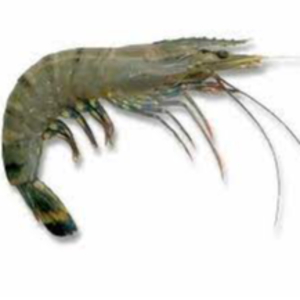
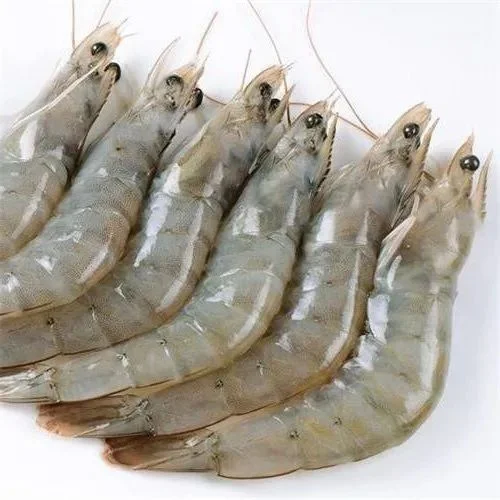
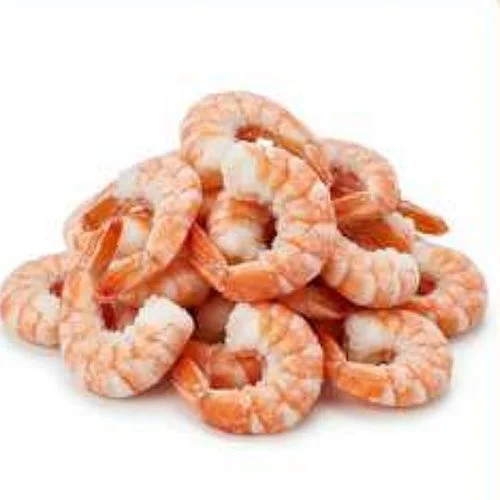
Cabo Virgenes operates from Spain and currently lists five active seafood products. The catalogue covers three primary categories - fresh shrimps, fresh squid and fresh scallops - with specific items such as Argentine Red Shrimp (Pleoticus muelleri), Whiteleg Shrimp (Litopenaeus vannamei), Jumbo Squid (Dosidicus gigas), Patagonian Squid (Loligo gahi) and Peruvian Scallop (Argopecten purpuratus). Each product is presented as a fresh, whole‑body commodity intended for chilled or frozen distribution. The supplier’s portfolio therefore spans crustacean and mollusk species sourced from the Southern Atlantic and Pacific fishing zones.
The five listed items reflect common export commodities from the Southern Hemisphere, each typically harvested under regulated quotas. Shrimp and squid are usually processed on‑board or at nearby processing plants to preserve freshness, then packed on ice or in refrigerated containers. Scallops are graded by shell size and meat weight, with standard commercial sizes ranging from 20 mm to 45 mm diameter. The Spanish base allows the supplier to access EU cold‑chain logistics for rapid shipment to downstream markets.
Product Range and Specialties of Cabo Virgenes
Cabo Virgenes’ catalogue includes Argentine Red Shrimp, Whiteleg Shrimp, Jumbo Squid, Patagonian Squid and Peruvian Scallop. In the global seafood market these species are classified by size and moisture content: shrimp are commonly sorted into U10‑U20 size groups (10‑20 shrimp per 100 g), while squid are measured by mantle length, typically 25 - 45 cm for commercial grades. Scallops are evaluated on shell diameter and meat yield, with ICUMSA‑like colour standards not applicable but visual whiteness and adductor muscle firmness being key quality markers. Buyers often request specifications such as total viable count < 10 CFU/g, TVB‑N < 10 mg N/100 g, and ice temperature maintained at 0 ± 2 °C during transport.
Trade and Export Information - Cabo Virgenes
Spain is a major gateway for EU seafood imports, benefitting from established cold‑chain ports such as Algeciras and Valencia. Exporters of fresh shrimp, squid and scallops from Southern Hemisphere origins typically ship to EU member states, the United States, Japan and the Middle East, using 20‑ft or 40‑ft refrigerated containers that can hold 12 - 15 metric tons of shrimp or 10 - 12 tons of squid depending on packaging density. Commonly required documentation includes a EU health certificate, HACCP plan, and, where applicable, MSC or ASC sustainability certificates. Buyers also expect phytosanitary certificates and, for the EU, compliance with the EU Commission Regulation (EC) No 853/2004 on food of animal origin.
Sourcing from Cabo Virgenes - Buyer Guidance
When sourcing from Cabo Virgenes, buyers should request the latest HACCP audit report, EU health certificate and any third‑party sustainability audit (MSC/ASC) that applies to the specific species. Verify that shrimp are delivered at 0 - 2 °C with ice coverage of at least 30 kg per cubic metre, and that squid are packed in insulated boxes with a minimum ice thickness of 5 cm to maintain the required temperature. For scallops, ask for shell‑size grading sheets and a moisture‑content analysis; a typical commercial specification is ≤ 78 % moisture on a fresh‑weight basis. Requesting a sample batch for laboratory testing against TVB‑N, total viable count and heavy‑metal limits (e.g., mercury < 0.5 ppm) helps confirm compliance before full order placement.
Frequently Asked Questions About Cabo Virgenes
What species of shrimp does Cabo Virgenes offer?
The supplier lists Argentine Red Shrimp (Pleoticus muelleri) and Whiteleg Shrimp (Litopenaeus vannamei), both marketed as fresh, whole‑body shrimp.
Which squid varieties are available?
Two squid products are listed: Jumbo Squid (Dosidicus gigas) and Patagonian Squid (Loligo gahi). They are supplied as whole, chilled squid ready for further processing.
What are the typical packaging formats for the listed seafood?
Fresh shrimp and squid are usually packed on crushed ice in insulated wooden crates or polystyrene boxes, with a typical load of 12 tons per 20‑ft refrigerated container. Scallops are packed in vented cartons with ice, allowing about 10 tons per container.
Which certifications should a buyer request?
Buyers should request the EU health certificate, the supplier’s HACCP compliance document, and any sustainability certification such as MSC or ASC that may apply to the species.
What quality parameters are standard for these products?
Standard parameters include ice temperature 0 ± 2 °C, total viable count < 10 CFU/g, TVB‑N < 10 mg N/100 g for shrimp and squid, and moisture content ≤ 78 % for scallops.
What are typical lead times for a full container order?
From order confirmation to shipment, lead times generally range from 10 to 21 days, depending on catch seasonality and required cold‑chain preparation.
How is product freshness verified before shipment?
Suppliers usually provide a Harvest Date label and a post‑harvest handling log that records ice coverage, temperature checks and time‑in‑transit calculations.
What documentation is needed for customs clearance in the EU?
Customs clearance typically requires the EU health certificate, a commercial invoice, packing list, and the supplier’s HACCP audit report. Additional phytosanitary certificates may be needed for specific member states.




 , Spain