Brits Treats — Supplier
About Brits Treats - Chocolate & Confectionery Supplier in United Kingdom
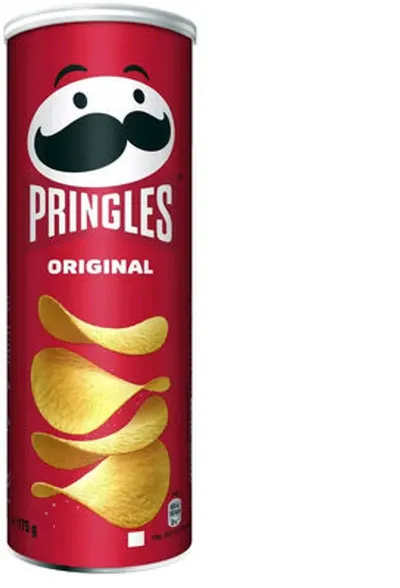
Brits Treats is based in the United Kingdom and currently lists seven distinct confectionery items in its catalogue. The product list includes Mars 24s, Pringles 40g, Kinder Happy Hippo 5‑pack, Nutella 25 g glass jars, Breakway, Toffee Crisp Biscuits, and Yorkie bars. These items fall under the broader category of Chocolate & Confectionery, covering both chocolate bars and snack‑type biscuits. The catalogue does not provide HS codes, but the products correspond to common HS headings for chocolate (chapter 18) and biscuits (chapter 19). Each listed product is packaged for retail consumption, ranging from single‑serve packs to multi‑piece boxes. The supplier is classified with a trust tier of “harbor” in the platform.
Within the chocolate segment, HS code 1806 typically covers chocolate bars and spreads, while HS code 1905 is used for biscuits and wafer‑type snacks. Buyers importing from the United Kingdom often encounter EU food‑safety standards such as BRC Global Standard for Food Safety and may request ISO 22000 or HACCP documentation. The United Kingdom exports confectionery to EU countries, the Middle East, and Commonwealth markets, with container loads commonly shipped in 20‑ft or 40‑ft units. Packaging for these goods usually involves sealed plastic wrappers, foil‑lined sachets, or glass containers, designed to meet moisture‑control requirements. Import regulations may require a Certificate of Origin and a health certificate for processed food items. Trade terms frequently used include CIF or FOB, depending on buyer preference.
Product Range and Specialties of Brits Treats
The catalogue comprises seven items: three chocolate bars (Mars 24s, Yorkie, Kinder Happy Hippo), two snack‑type biscuits (Breakway, Toffee Crisp Biscuits), a potato‑chip style snack (Pringles 40g), and a hazelnut spread in a glass jar (Nutella 25 g). In the chocolate sector, buyers typically look for cocoa content between 30 % and 70 %, precise sugar levels, and compliance with ICUMSA standards for any sugar used. Biscuit products are evaluated on moisture content (usually below 5 %), uniform crumb structure, and packaging integrity. Standard industry grades for chocolate spreads reference cocoa‑solids percentage and fat content, while wafer‑type biscuits are classified by size (e.g., 30‑40 mm length) and texture. These specifications help buyers compare UK offerings with global benchmarks.
Trade and Export Information - Brits Treats
The United Kingdom is a long‑standing exporter of chocolate and biscuit products, leveraging established trade routes to the European Union, the Middle East, and Commonwealth nations. HS chapter 18 (e.g., code 1806) covers chocolate bars and spreads, whereas HS chapter 19 (e.g., code 1905) applies to biscuits and snack foods; customs authorities commonly request these codes for tariff assessment. Typical certifications demanded by importers include BRC Global Standard for Food Safety, ISO 22000, and HACCP, along with a Certificate of Origin to qualify for preferential duty rates under trade agreements. Logistics usually involve palletised cartons loaded into 20‑ft or 40‑ft containers, with Incoterms such as FOB UK port or CIF destination. Export documentation often comprises a commercial invoice, packing list, Bill of Lading, health certificate, and any required phytosanitary or food‑safety certificates depending on the destination country’s regulations.
Sourcing from Brits Treats - Buyer Guidance
When sourcing from Brits Treats, buyers should request the latest BRC, ISO 22000 or HACCP audit reports and verify that the supplier can provide a valid Certificate of Origin for customs clearance. Samples of each product type - chocolate bar, biscuit, and spread - should be evaluated for cocoa content, moisture level, packaging integrity, and compliance with any destination‑specific food‑safety standards. Confirm the HS code used for each item, review the packing list for carton dimensions and weight, and ensure that the supplier can meet the required MOQ and lead time for the target market.
Frequently Asked Questions About Brits Treats
What product categories does Brits Treats offer?
Brits Treats lists seven items that fall under chocolate bars (Mars 24s, Yorkie, Kinder Happy Hippo) and snack‑type biscuits or spreads such as Pringles 40g, Breakway, Toffee Crisp Biscuits, and Nutella 25 g glass jars.
Which HS codes are typically applied to these products?
Chocolate bars and spreads are generally classified under HS 1806, while biscuits, wafer snacks and similar items use HS 1905; the exact code depends on the product’s composition and packaging.
What certifications should a buyer request from a UK confectionery supplier?
Buyers commonly request a BRC Global Standard for Food Safety certificate, ISO 22000 or HACCP compliance reports, and a Certificate of Origin to support customs clearance and preferential duty claims.
What are typical minimum order quantities and lead times for these confectionery items?
MOQ often starts at one full 20‑ft container (approximately 1,200 kg of mixed products) or smaller pallet loads of about 500 kg. Lead times are usually 4 - 6 weeks from order confirmation, subject to production scheduling.
How are the products packaged for international shipment?
Items are packed in sealed retail‑grade wrappers, foil‑lined sachets, or glass jars placed in corrugated cartons. The cartons are stacked on standard Euro pallets for efficient loading into 20‑ft or 40‑ft containers.
Which markets import UK chocolate and biscuit products most frequently?
The European Union, the Middle East, and Commonwealth nations such as Canada and Australia are the primary import markets for UK confectionery, driven by demand for premium snack brands.
What documentation is required for customs clearance of these goods?
Standard documents include a commercial invoice, packing list, Bill of Lading, Certificate of Origin, and a health or food‑safety certificate confirming compliance with the destination country’s regulations.
What Incoterms are commonly used for exporting these confectionery items?
Exporters from the United Kingdom frequently use FOB UK port for buyers who handle freight, or CIF destination when the seller arranges carriage and insurance to the buyer’s port.




 , United Kingdom