Bright Future Treading — Supplier
About Bright Future Treading - Apparel Supplier in Bangladesh
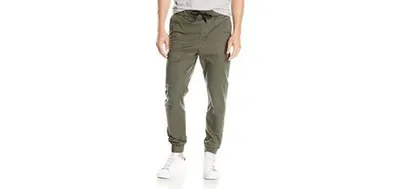
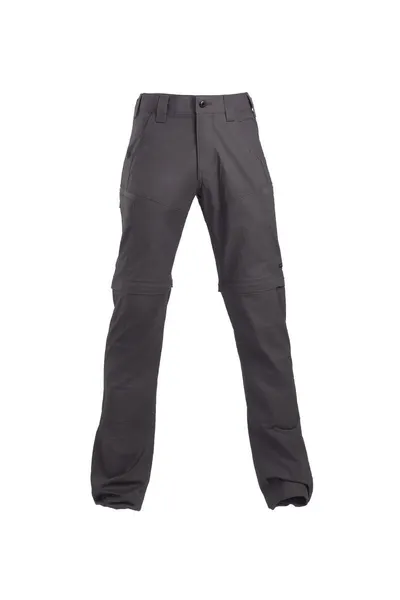
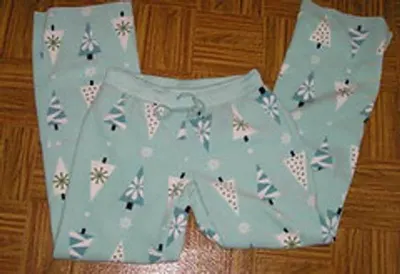
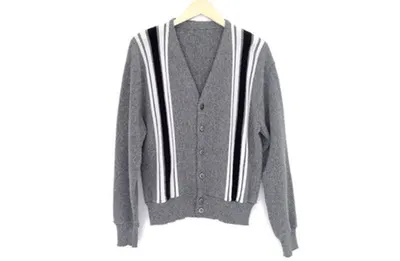
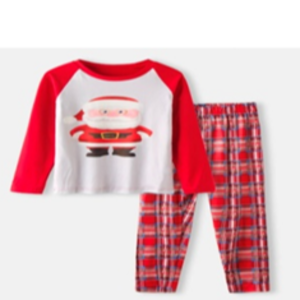
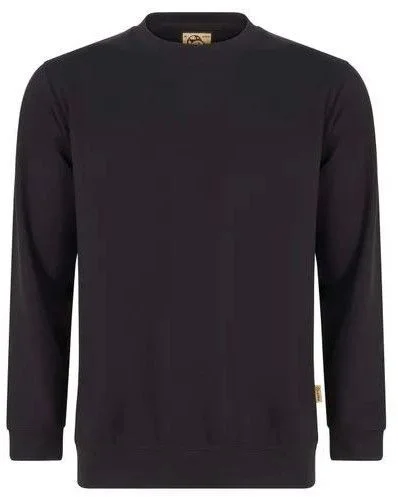
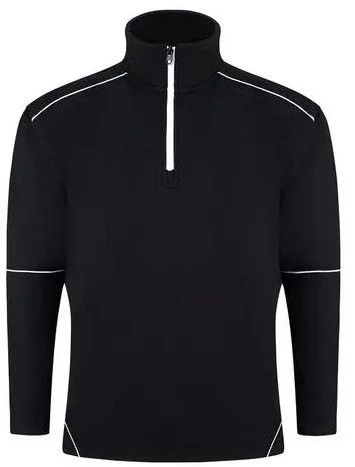
Bangladesh based Bright Future Treading lists five active products in its catalogue. The supplier’s portfolio focuses on apparel, covering children clothing and accessories, denim wear, and trousers/shorts. The catalogue includes a ladies fashionable sweater, a girls top‑bottom set, a men’s jeans pant, and two variants of men’s twill pants (cross pocket and an H&M style). Product identifiers are presented without HS codes, aligning with general HS chapter 61 (knitted or crocheted apparel) and chapter 62 (woven apparel) used for similar garments. The company is classified as an imported supplier with a harbor trust tier.
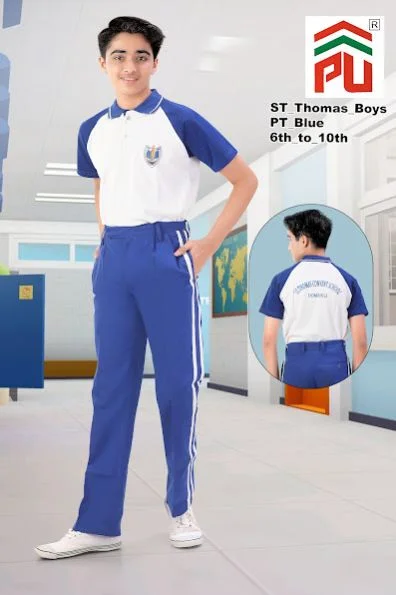
The five items span three primary categories: Children Clothing and Accessories, Jeans & Denim Wear, and Trousers & Shorts. Within the children segment, the girls top‑bottom set represents coordinated sets commonly sold in sizes 2‑12 years. The men’s denim and twill pants correspond to standard waist ranges of 28‑38 inches and typical inseam lengths of 30‑34 inches. The ladies sweater adds a knit upper‑wear piece, usually offered in cotton or blended yarns. No additional product specifications such as fabric weight or colour codes are supplied in the source data.
Product Range and Specialties of Bright Future Treading
Bright Future Treading’s catalogue lists a ladies sweater, a girls coordinated set, a men’s jeans, and two styles of men’s twill trousers. In the apparel industry, sweaters are typically produced from cotton, acrylic, or wool blends with GSM values between 180‑250 for lightweight to medium weight knits. Girls top‑bottom sets are often made of 100 % cotton or cotton‑polyester blends, with seam constructions complying with ISO 105‑B02 for colour fastness.
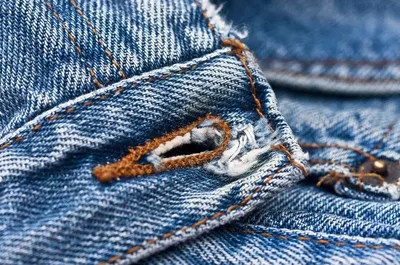
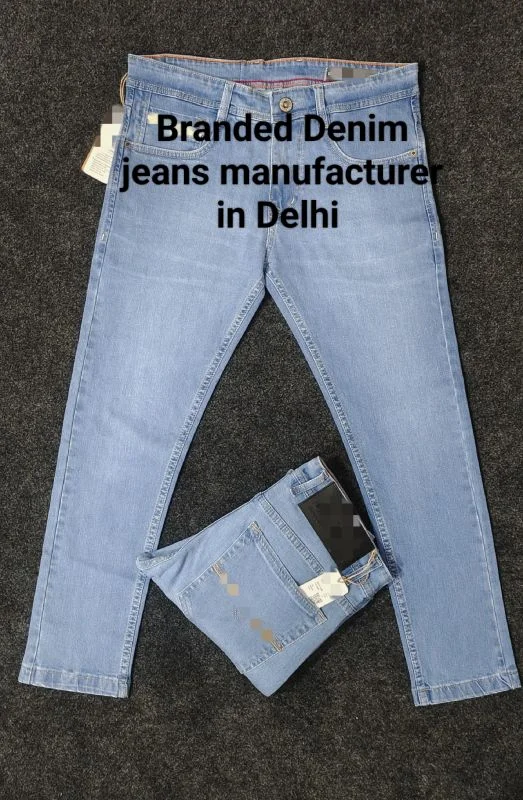
Men’s jeans are generally cut from 100 % cotton denim with a weight of 12‑16 oz (≈340‑540 g/m²) and may feature copper rivets and reinforced stitching per ASTM D4966. Twill trousers, whether cross‑pocket or styled for retail chains, are commonly woven from cotton‑polyester twill fabrics of 200‑250 g/m², with a typical rise of 30 cm and a straight leg cut. Standard sizing follows the International Standard ISO 8559 for men's trousers.
Trade and Export Information - Bright Future Treading
Bangladesh is the world’s second‑largest apparel exporter, with the majority of shipments classified under HS chapter 61 (knitted garments) and chapter 62 (woven garments). Export volumes for children’s clothing and denim wear are directed mainly to the United States, the European Union, and Japan, where buyers frequently require compliance with REACH chemical restrictions and Oeko‑Tex Standard 100 for textile safety.
Typical certification requests for Bangladeshi garment suppliers include social‑compliance audits such as BSCI or WRAP, and quality‑management systems like ISO 9001. Buyers often stipulate lab‑tested fabric composition reports, shrinkage percentages (generally 2‑5 % for cotton), and colour‑fastness ratings of at least grade 3‑4. Shipping is usually arranged in 40‑ft containers, with garments packed in sealed poly‑bags of 50 kg each, and Incoterms CIF to major ports such as Chittagong, Rotterdam, or Los Angeles.
Sourcing from Bright Future Treading - Buyer Guidance
When sourcing from Bright Future Treading, request fabric composition certificates and a wash‑test report to confirm shrinkage and colour fastness for the sweater, denim, and twill items. Verify that the girls top‑bottom set meets child‑safety standards, including absence of hazardous substances as per REACH Annex XVII.
Ask for a pre‑production sample of each style to evaluate stitching quality, seam strength, and dimensional tolerances. Confirm that the supplier can meet standard packaging of 50 kg poly‑bags per SKU and provide a commercial invoice indicating HS codes 6103 (women’s sweaters) and 6204 (men’s trousers) for customs clearance.
Frequently Asked Questions About Bright Future Treading
What product categories are represented in Bright Future Treading’s catalogue?
The catalogue covers three categories: Children Clothing and Accessories, Jeans & Denim Wear, and Trousers & Shorts, reflected in the listed sweater, girls set, men’s jeans, and two twill pant styles.
How many distinct products does the supplier list?
Five distinct products are listed: a ladies fashionable sweater, a girls top‑bottom set, a men’s jeans pant, and two variations of men’s twill pants.
Which HS code families are typically applied to these garments?
Knitted sweaters fall under HS chapter 61 (e.g., code 6103), while woven denim and twill trousers are classified in HS chapter 62 (e.g., code 6204).
What certifications are commonly required for Bangladeshi apparel exporters?
Buyers usually request social‑compliance certifications such as BSCI or WRAP, quality‑management certification ISO 9001, and textile safety standards like Oeko‑Tex Standard 100 or REACH compliance.
What sample procedures should a buyer follow before a bulk order?
Request a pre‑production sample of each style, check fabric composition, verify seam strength and dimensional tolerances, and confirm colour‑fastness and shrinkage test results.
What are the standard packaging and container specifications for these items?
Garments are typically packed in sealed poly‑bags of 50 kg each and loaded into 40‑ft containers, allowing efficient handling and compliance with common Incoterms such as CIF.
Which regions are the main import markets for Bangladeshi children’s clothing and denim?
The United States, the European Union, and Japan are the primary markets for Bangladeshi children’s apparel and denim, driven by demand for cost‑competitive, socially compliant garments.
What documentation is needed for customs clearance of these products?
A commercial invoice specifying the correct HS codes, a certificate of origin, fabric composition certificates, and any required safety or REACH declarations are standard for customs clearance.




 , Bangladesh