Bluehive Nexim — Verified Supplier
About Bluehive Nexim - Spices Supplier in India
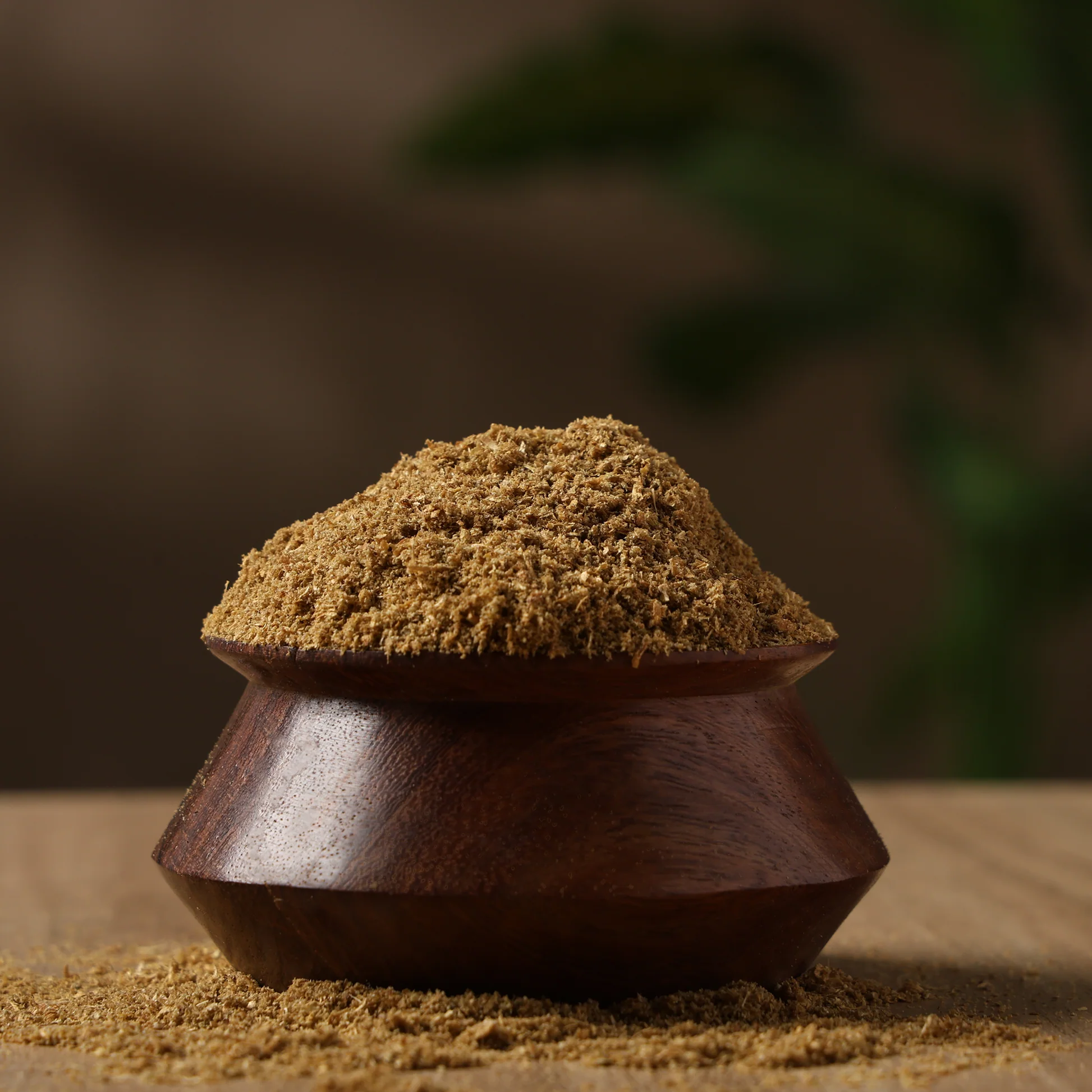
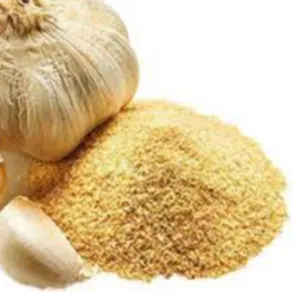
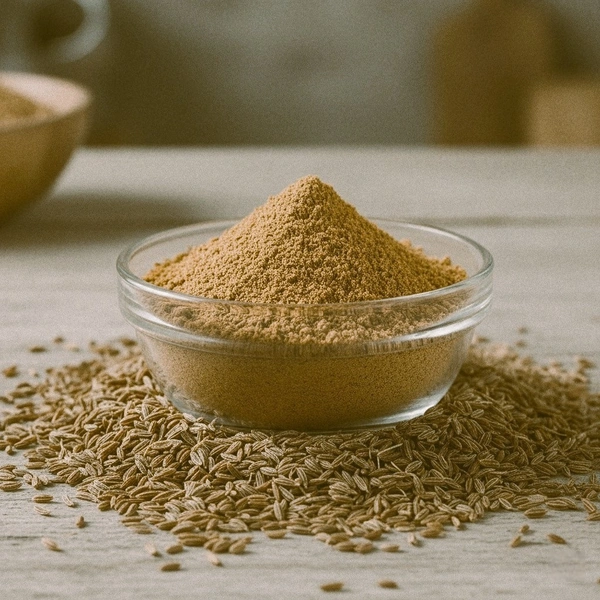
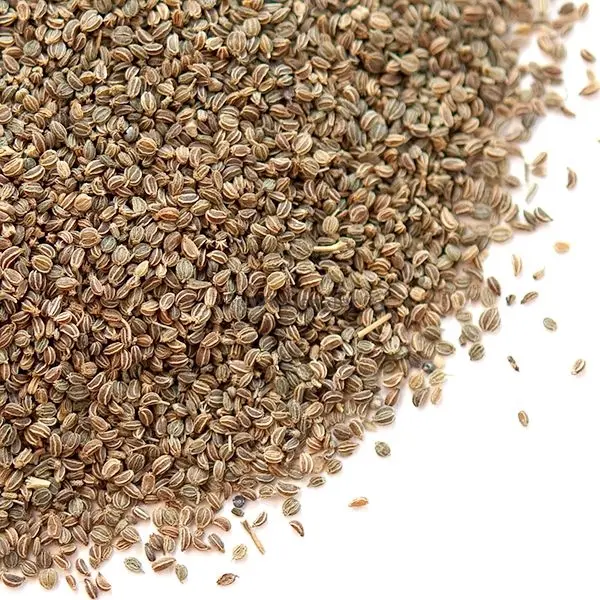
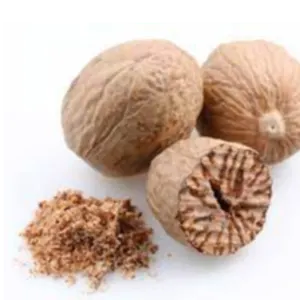
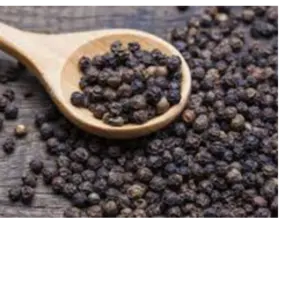
India, a major spice‑producing nation, hosts Bluehive Nexim which lists 15 active spice products. The catalogue includes whole and ground forms such as green cardamom, cloves, cumin seeds, black pepper, coriander, fennel, fenugreek, nutmeg, celery seeds, red chilli powder, black pepper powder, cumin powder, garlic powder, coriander powder and turmeric powder. All items fall under the HS Chapter 09 (Spices and condiments) family, with sub‑headings ranging from 0905 for cloves to 0904 for pepper. The supplier is registered with India’s Food Safety and Standards Authority (FSSAI) and holds membership in SPEDA and APEDA.
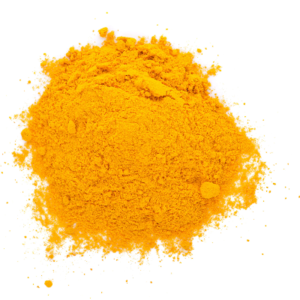
The product list covers both seed and powdered forms, representing typical spice grades used in food processing and retail. For example, green cardamom is commonly traded with a moisture content of 6‑8 % and a size of 12‑14 mm, while black pepper whole is often supplied with a moisture level below 12 % and a particle size of 6‑8 mm. Powdered spices such as turmeric and garlic are usually packed in 25 kg food‑grade paper bags meeting standard weight tolerances of ±0.5 kg. Bluehive Nexim’s catalogue reflects these standard specifications without asserting any proprietary quality claims.
Product Range and Specialties of Bluehive Nexim
The catalogue comprises fifteen spice items, split between whole seeds (e.g., green cardamom, cumin, coriander, fennel, fenugreek, nutmeg, celery) and ground powders (e.g., red chilli, black pepper, cumin, garlic, coriander, turmeric). In the spice trade, whole seeds are typically graded by size, moisture and essential oil content, while powders are graded by colour strength, particle fineness (often expressed in mesh size) and microbial limits such as total plate count < 10⁴ cfu/g. Typical industry standards include ISO 22000 for food safety management and HACCP plans for spice processing. Buyers frequently request a Certificate of Analysis confirming compliance with these parameters, as well as documentation of pesticide residue limits that align with Codex Alimentarius limits.
Trade and Export Information - Bluehive Nexim
India ranks among the world’s top exporters of spices, with the majority of shipments destined for the European Union, United States, Middle East and Southeast Asian markets. HS 0904 covers pepper, while HS 0905 covers cloves and HS 0902 covers cardamom, each subject to phytosanitary certification and, where required, a Certificate of Origin for preferential duty rates. Common buyer requirements include FSSAI registration, APEDA export licence, and, for certain markets, ISO 9001 or organic certification. Export packaging typically uses 25 kg multi‑wall paper bags or food‑grade polypropylene containers, sealed with tamper‑evident tape and labelled with batch number, net weight and country of origin. Logistics often follow CIF or FOB terms, with cargo consolidated in 20‑ft or 40‑ft containers to optimise freight costs.
Sourcing from Bluehive Nexim - Buyer Guidance
When sourcing from Bluehive Nexim, buyers should request the latest FSSAI licence copy, APEDA export permit and the supplier’s SPEDA membership certificate to confirm compliance with Indian export regulations. A recent Certificate of Analysis for each spice batch should detail moisture content, particle size (for powders), essential oil percentage (for whole seeds) and microbial limits. It is advisable to obtain a phytosanitary certificate issued by the Indian plant quarantine authority and, if required by the destination country, a Certificate of Origin to benefit from any preferential tariff arrangements.
Frequently Asked Questions About Bluehive Nexim
What spice categories does Bluehive Nexim list in its catalogue?
The supplier lists fifteen items, including whole seeds such as green cardamom, cumin, coriander, fennel, fenugreek, nutmeg and celery, as well as powdered forms like red chilli, black pepper, cumin, garlic, coriander and turmeric.
Which HS codes apply to the spices offered by Bluehive Nexim?
The products fall under HS Chapter 09. Specific sub‑headings include 0902 for cardamom, 0904 for pepper varieties, 0905 for cloves, and 0906 for other spices such as cumin and coriander.
What certifications does Bluehive Nexim hold?
The company is registered with the Food Safety and Standards Authority of India (FSSAI) and holds membership in the Spices Board’s SPEDA and the Agricultural and Processed Food Products Export Development Authority (APEDA).
What documentation should a buyer request before placing an order?
Buyers should ask for the current FSSAI licence, APEDA export licence, SPEDA membership proof, a phytosanitary certificate and a Certificate of Analysis that includes moisture, microbial and pesticide‑residue results.
What are the typical packaging formats for these Indian spices?
Spices are commonly packed in 25 kg multi‑wall paper bags for bulk shipments, with optional inner liners of food‑grade polypropylene. Powdered spices may also be supplied in 1 kg or 5 kg sealed pouches for retail channels.
Which markets typically import Indian spices like those supplied by Bluehive Nexim?
Major import destinations include the European Union, United States, United Arab Emirates and Singapore, where buyers often require compliance with Codex standards and may request ISO 22000 or HACCP documentation.
What are the usual minimum order quantities (MOQs) for whole versus powdered spices?
MOQs generally range from 500 kg for bulk whole seeds to 200 kg for powdered spices, though exact figures depend on the specific product and packaging size agreed with the supplier.
What lead times can a buyer expect for shipments from India?
Lead times typically span 15‑25 days from order confirmation to vessel loading, assuming all export licences and phytosanitary clearances are in place.




 , India