Best Link Scrap Mex SA de CV — Verified Manufacturer & Wholesale Supplier
About Best Link Scrap Mex SA de CV - Recycling Scrap Supplier in Mexico
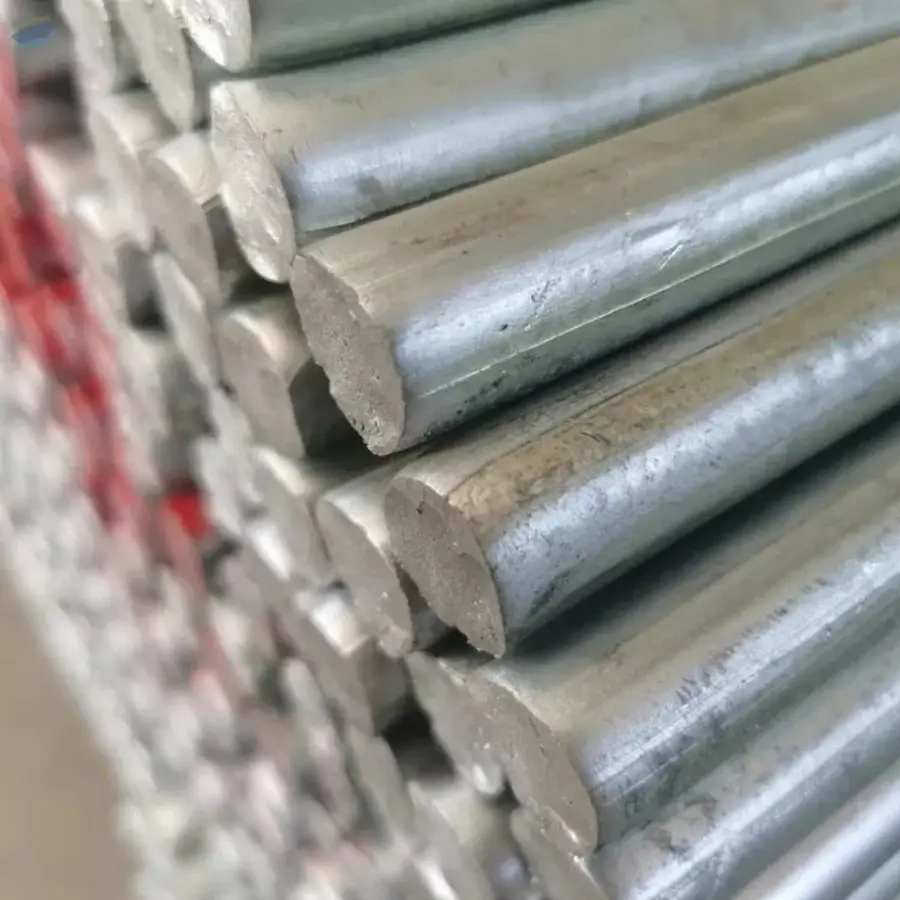
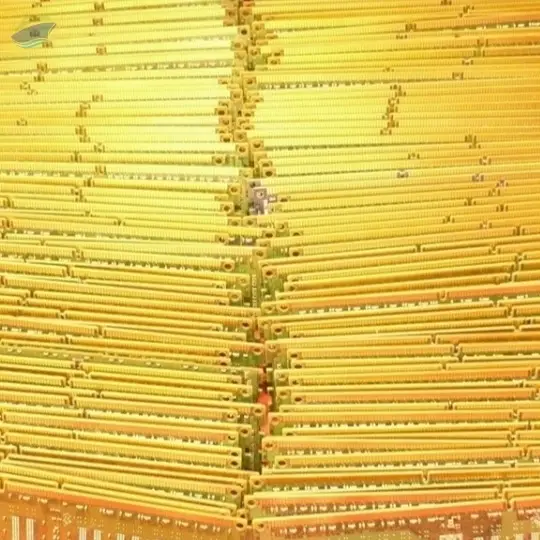
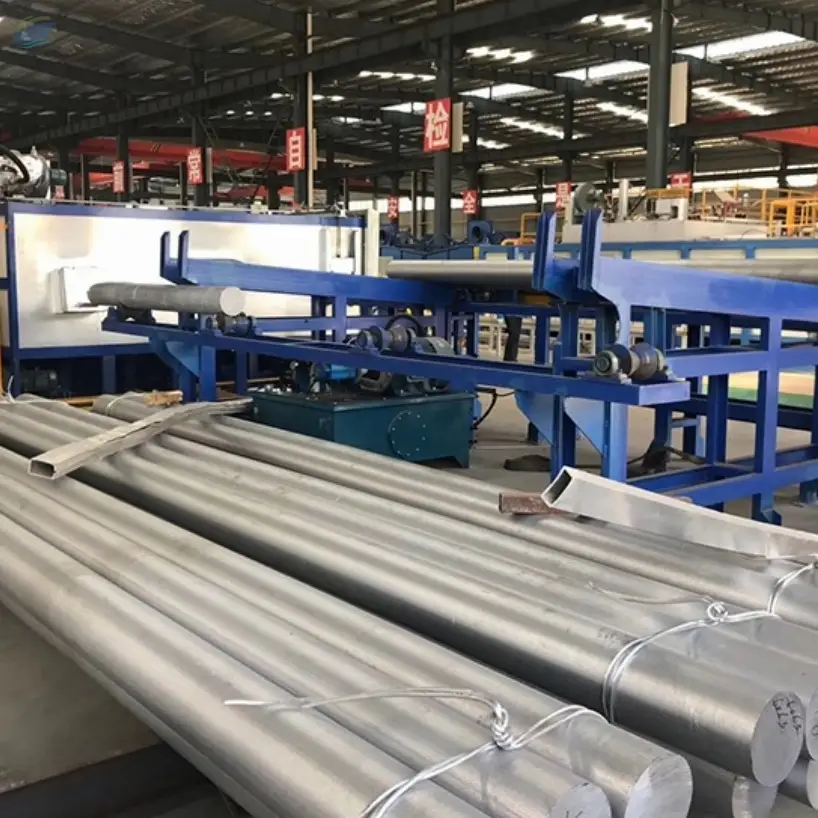
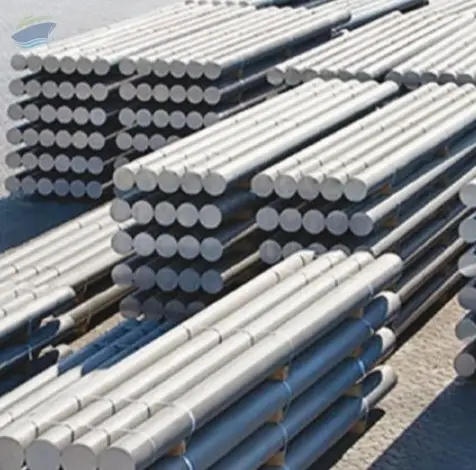
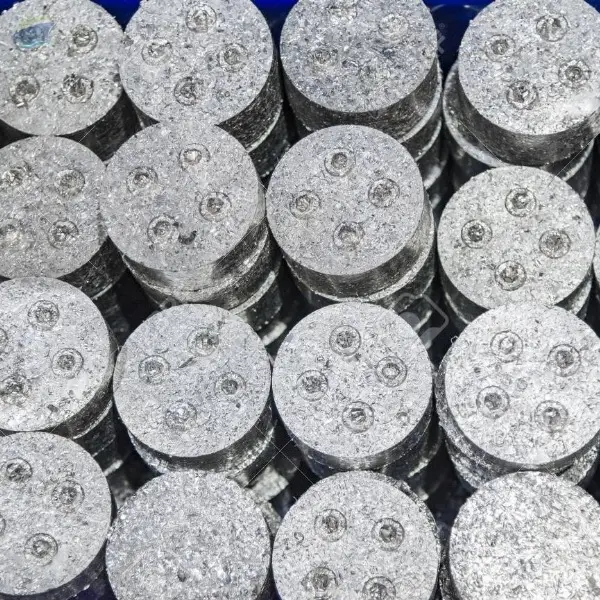
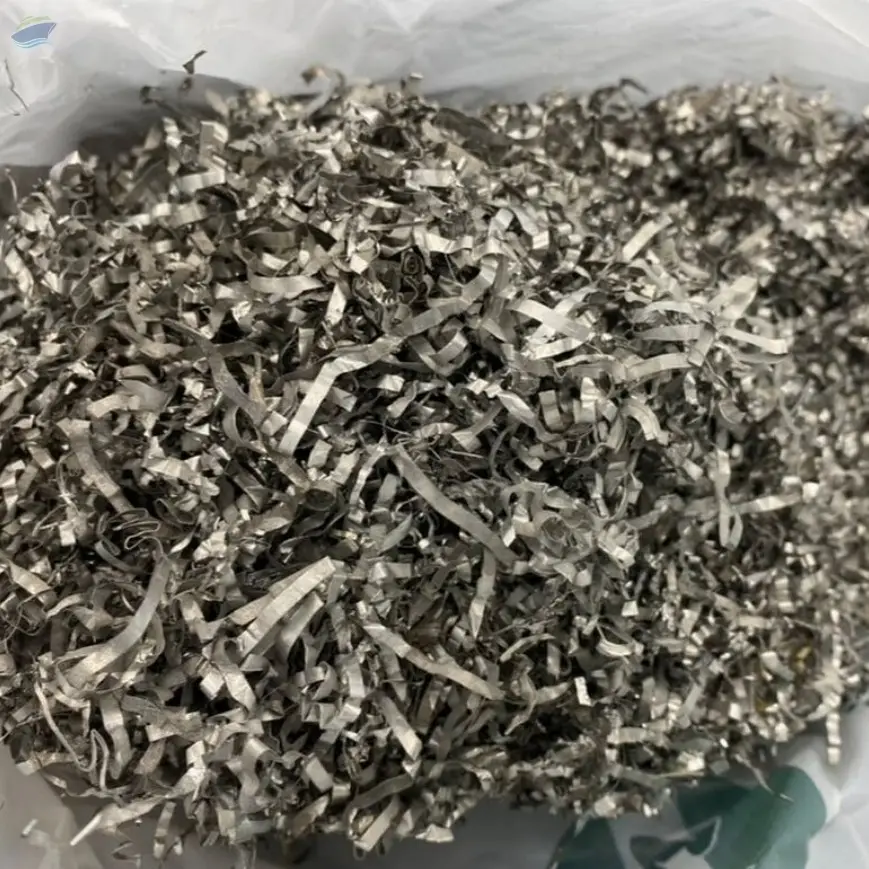
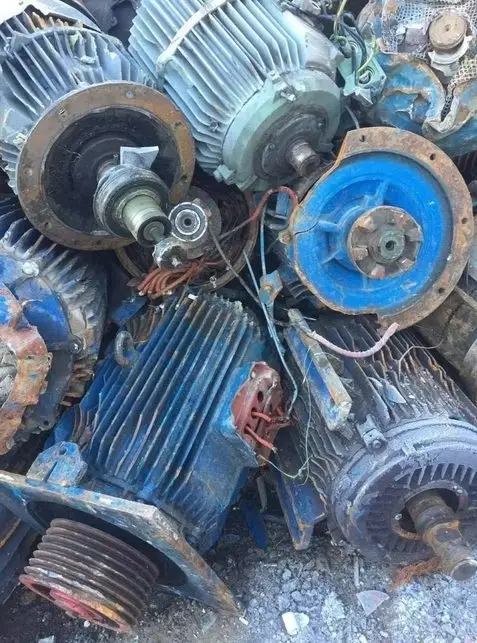
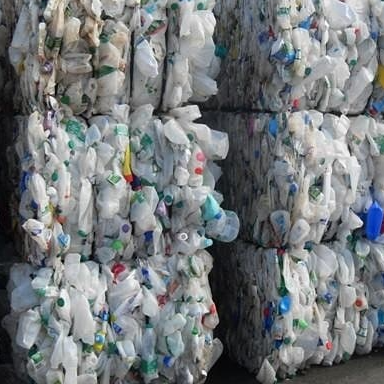
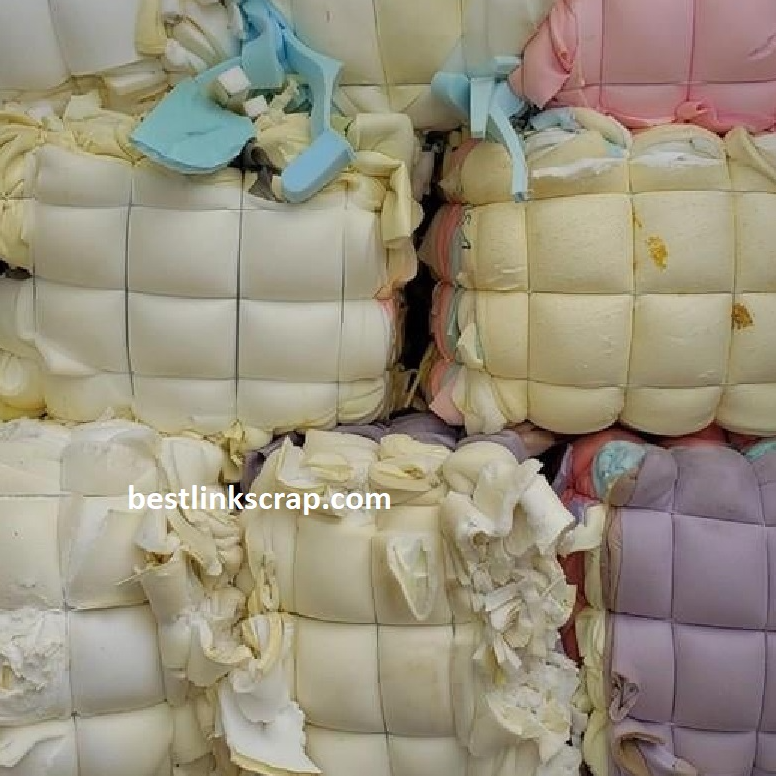
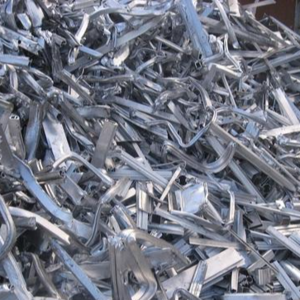
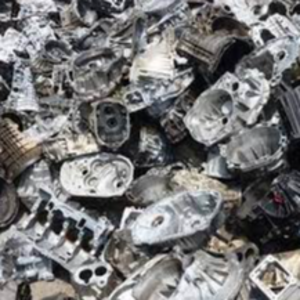
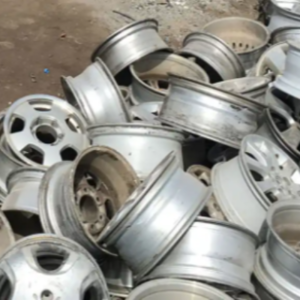
Based in San Luis Potosí, Mexico, Best Link Scrap Mex SA de CV lists eight active product categories in its catalogue. The supplier’s catalogue includes aluminium shredded scrap, automobile scrap, high‑speed steel scrap, industrial tapes and films, electronic scrap, PCB scrap, metal scraps and aluminium drum and barrel scrap. Specific product entries cover LDPE film scrap (HS 3915.19), PET bottle scrap (HS 3915.10), HDPE drum scrap (listed without a standard HS code), HDPE milk bottle scrap (HS 3915.10), ABS computer scrap (HS 3915.10), OCC waste paper scrap (HS 4707.10), polyurethane foam scrap (HS 3915.90) and electric motor scrap (HS 7404.00). Each entry identifies the material type, such as plastic film, PET bottles, HDPE drums, ABS regrind, paper waste, PU foam and metal motor components. The product descriptions emphasize the form in which the scrap is supplied, for example bales, drums or bulk.
The listed plastics are classified under Chapter 39 of the HS system, which governs waste and scrap of plastics, while the paper waste falls under Chapter 47 and the metal motor scrap under Chapter 74. Typical industry specifications for these categories include moisture limits below 0.5 % for plastics, ash content under 0.1 % for ABS and PVC‑free requirements for PET. Aluminium drum and barrel scrap is normally processed into shredded aluminium grades suitable for remelting. Electronic and PCB scrap generally requires separation of hazardous components before export. The catalogue reflects a focus on bulk recyclable streams that are commonly re‑processed in secondary markets.
Product Range and Specialties of Best Link Scrap Mex SA de CV
The catalogue’s eight items span the main waste streams of the plastics, paper and metal sectors. LDPE film scrap is offered as clear film in bale form, a grade that typically measures 0.5‑2 mm thickness and meets a visual clarity standard of ICUMSA 45 for transparency. PET bottle scrap is supplied as flakes or regrind, commonly sorted to PET #1 grade with a melt flow index of 7‑12 g/10 min and contamination below 0.1 %. HDPE drum and milk bottle scraps are mixed HDPE streams, usually characterized by a density of 0.94‑0.96 g/cm³ and a melt flow index of 5‑15 g/10 min. ABS computer scrap is regrind material with an MFI range of 5‑20 g/10 min and a requirement for PVC‑free content. OCC waste paper is presented as de‑inked stock, graded by fiber length (2‑5 mm) and moisture content ≤6 %. PU foam scrap includes memory and sponge foams, typically measured by density (30‑80 kg/m³) and free from chlorinated additives. Electric motor scrap is classified as base metal scrap, often shredded or broken down for easy handling and priced by weight.
Trade and Export Information - Best Link Scrap Mex SA de CV
Mexico is a significant exporter of recyclable plastics, paper and metal scrap, with the majority of shipments destined for the United States, the European Union and East Asian markets such as China and Vietnam. The HS codes used in the catalogue (3915.xx for plastics, 4707.10 for paper, 7404.00 for metal) are the standard classifications applied in customs declarations and determine duty rates under most trade agreements. Buyers typically require compliance with international environmental regulations, including the Basel Convention for hazardous waste, REACH registration for plastic additives, and RoHS for electronic components. Common certifications requested are ISO 9001 for quality management and ISO 14001 for environmental management, although the supplier’s own certifications are not listed.
Logistically, plastic and paper bales are loaded into 20 ft or 40 ft containers, while bulk metal scrap is often shipped in open‑top containers with moisture‑resistant liners. Incoterms such as FOB San Luis Potosí or CIF destination port are frequently used, allowing the buyer to manage freight and insurance. Export documentation generally includes a commercial invoice, packing list, certificate of origin, and where applicable, a waste export permit. Seasonal demand peaks occur after the first quarter when industrial production in North America generates higher volumes of post‑consumer plastic and metal waste.
Sourcing from Best Link Scrap Mex SA de CV - Buyer Guidance
Prospective buyers should request a recent material test report for each scrap grade, including FTIR spectra for plastics, XRF analysis for metal content, and moisture or ash content measurements for paper. A certificate of origin confirming Mexican origin and a statement of compliance with REACH or RoHS (for electronic scrap) are standard documents to verify before finalising a purchase. Samples are typically provided in a single bale or a small drum, allowing the buyer to run their own quality checks such as melt flow index for polymers or tensile strength for metal fragments. Verifying that the scrap meets the declared HS classification and does not contain prohibited substances (e.g., PVC in PET, heavy metals in electronic scrap) reduces the risk of customs delays.
Frequently Asked Questions About Best Link Scrap Mex SA de CV
What types of plastic film scrap does the supplier offer?
The catalogue lists LDPE film scrap under HS 3915.19, supplied as clear film in bale form. Industry specifications for LDPE film scrap usually include a thickness of 0.5‑2 mm, moisture content below 0.5 % and visual clarity comparable to ICUMSA 45.
Which HS code applies to the PET bottle scrap?
PET bottle scrap is classified with HS code 3915.10, covering waste of plastics. Buyers normally expect the material to be sorted as PET #1 grade with contamination limits under 0.1 % and a melt flow index in the range of 7‑12 g/10 min.
Does the supplier provide metal scrap such as electric motors?
Electric motor scrap is listed under HS 7404.00, the code for other base metal scrap. The material includes AC and DC motor housings, windings and alternator cores, typically sold in bulk or broken‑down pieces for remelting.
What documentation should a buyer request before purchasing?
Buyers should ask for a material test report (FTIR for plastics, XRF for metals), a certificate of origin, and any applicable environmental compliance certificates such as REACH for plastics or RoHS for electronic scrap. For paper waste, a moisture content report and de‑ink certification are also standard.
What are the typical packaging and shipping methods for these scraps?
Plastic and paper scraps are usually baled and loaded into 20 ft or 40 ft containers; HDPE drum scrap may be shipped in sealed drums. Metal scrap is often compacted and placed in bulk containers with moisture‑resistant liners. FOB San Luis Potosí is a common incoterm used for shipments.
What are common minimum order quantities and lead times?
Minimum orders generally start at one standard bale (approximately 1 ton) for plastics and paper, and at one bulk container for metal scrap. Lead times range from two weeks for ready‑made bales to four‑six weeks for processed metal scrap, depending on customs clearance and any required pre‑treatment.
Are there specific quality standards for ABS regrind?
ABS computer scrap falls under HS 3915.10. Industry standards often require a melt flow index between 5 and 20 g/10 min, ash content below 0.1 % and zero PVC contamination. Buyers typically request an MFI test report and a visual inspection certificate.
How is OCC waste paper graded for export?
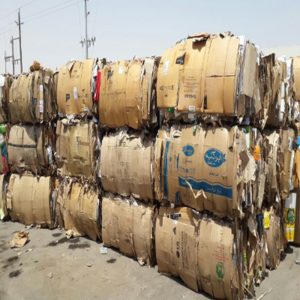
OCC waste paper is classified with HS 4707.10. Export grades are defined by fiber length (2‑5 mm), moisture content not exceeding 6 %, and contamination levels below 2 % inks. A bulk density of around 0.6 t/m³ and a certificate of de‑inking are common specifications.




 , Mexico










.jpg.png)