Bernard Wangamati — Supplier
About Bernard Wangamati - Coffee Beans Supplier in United States
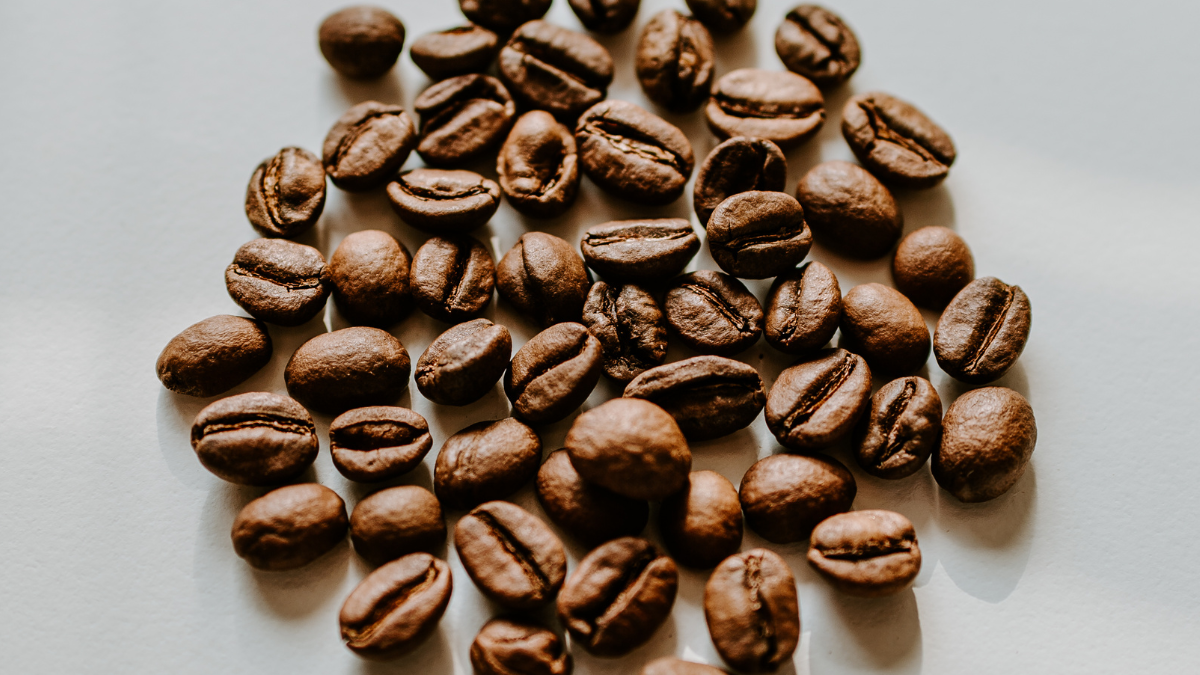
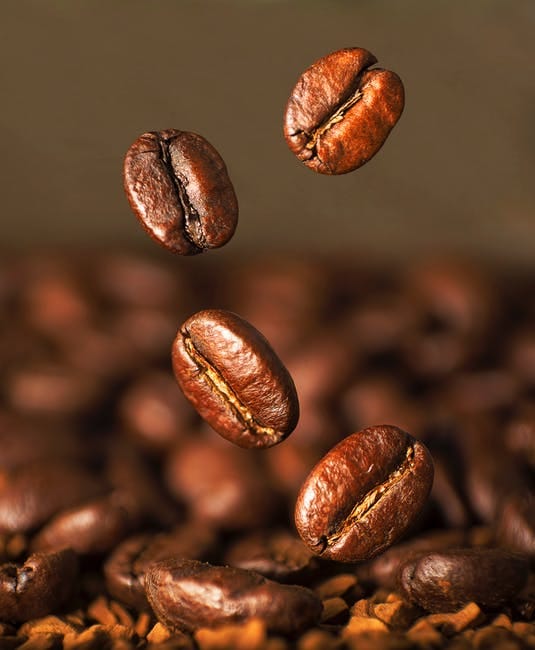
The United States supplier Bernard Wangamati lists eight active products in its catalogue. The list comprises two roasted lines - Elgon Light Roast Coffee and Elgon Dark Roast Coffee Beans - and six green specialty Kenyan coffees identified as Greenlight AA, Greenlight AB, Greenlight PB, Nakongo AA, Nakongo AB and Nakongo PB. All items fall under the broader coffee beans category, with the roasted beans representing finished consumable products and the green beans intended for further processing or roasting by buyers. The catalogue does not provide HS‑code details, but each entry is recorded under the coffee‑related product families. The supplier is classified in the “harbor” trust tier, indicating a mid‑level verification status.
Product Range and Specialties of Bernard Wangamati
Bernard Wangamati’s catalogue includes two roasted coffee lines (light and dark roast) and six green specialty grades from Kenya, differentiated by size and screen classification (AA, AB, PB). In industry terms, AA denotes the largest bean size and highest grade, AB is a mid‑size grade, and PB (Peaberry) comprises single‑bean anomalies prized for uniformity. Typical green coffee specifications include moisture content of 10‑12 %, a density of 0.55‑0.60 g/ml, and cupping scores above 80 points for specialty grade Kenyan beans. Roasted coffee is usually described by roast level (light, medium, dark), with bean colour, aroma intensity and acidity as key quality parameters. Buyers often request certifications such as Fairtrade, Rainforest Alliance or Organic, although no specific certifications are listed for this supplier.
Trade and Export Information - Bernard Wangamati
The United States is a major exporter of both green and roasted coffee, with HS Chapter 09 covering coffee beans (HS 0901). Export shipments are commonly directed to the European Union, the Middle East, and Asian markets such as Japan and South Korea, where specialty Kenyan coffee commands premium demand. Standard export packaging includes jute or polypropylene bags of 60 kg for green beans and bulk cartons for roasted beans, typically loaded into 20‑ft or 40‑ft containers under CIF or FOB terms. Import regulations often require phytosanitary certificates, a certificate of origin, and compliance with maximum residue limits (MRLs) for pesticide residues.
Sourcing from Bernard Wangamati - Buyer Guidance
When sourcing from Bernard Wangamati, buyers should request a representative sample of each coffee grade and a recent cupping report to verify flavour profile and acidity. It is prudent to ask for a moisture analysis, screen size verification and any available third‑party quality certificates, such as a cupping score sheet or a lab analysis for pesticide residues. Confirm the supplier can provide phytosanitary clearance, a certificate of origin and details on packaging dimensions before finalising the purchase order.
Frequently Asked Questions About Bernard Wangamati
What coffee varieties does Bernard Wangamati offer?
The catalogue lists two roasted coffees - Elgon Light Roast and Elgon Dark Roast - and six green specialty Kenyan coffees identified by size grades AA, AB and PB under the Greenlight and Nakongo labels.
Are green coffee beans sold in standard bag sizes?
Green coffee is typically packed in 60 kg jute or polypropylene bags, which fit standard 20‑ft and 40‑ft containers. The supplier’s catalogue does not specify bag type, so buyers should confirm packaging details during negotiation.
Which HS code applies to these coffee products?
Coffee beans fall under HS code 0901, while roasted coffee beans are classified under HS code 0901.20. Buyers should verify the exact sub‑heading with the supplier for customs clearance.
What quality parameters should a buyer verify?
Key parameters include bean size (AA, AB, PB), moisture content (10‑12 % for green beans), cupping score, and absence of pesticide residues. Requesting laboratory test reports or third‑party cupping certificates is standard practice.
What certifications are typically required for Kenyan specialty coffee?
Importers often request Fairtrade, Rainforest Alliance or Organic certifications, as well as a phytosanitary certificate and a certificate of origin. The supplier’s facts do not list any held certifications, so buyers should ask the supplier to provide them if needed.
What is a typical minimum order quantity (MOQ) for these coffees?
MOQs for specialty green coffee usually start at one 60 kg bag per grade, while roasted coffee may be ordered in multiples of 500 kg. Exact MOQ should be confirmed with the supplier based on the desired grade and roast level.
How long does lead time usually take for coffee shipments from the United States?
Lead times for coffee shipments commonly range from 2 to 4 weeks after order confirmation, depending on roasting schedules, packaging and shipping terms. Buyers should verify the specific timeline with the supplier for each product.
What incoterms are commonly used for coffee exports from the United States?
Exporters of coffee often use FOB (Free on Board) or CIF (Cost, Insurance, Freight) terms, with freight typically routed through major ports such as Los Angeles, New York or Seattle. Buyers should specify the preferred incoterm in the purchase agreement.




 , United States