Beijing Starlight Science&Technology Development Co., Ltd — Supplier
About Beijing Starlight Science&Technology Development Co., Ltd - Cosmetics & Beauty Parlour Equipments Supplier in China
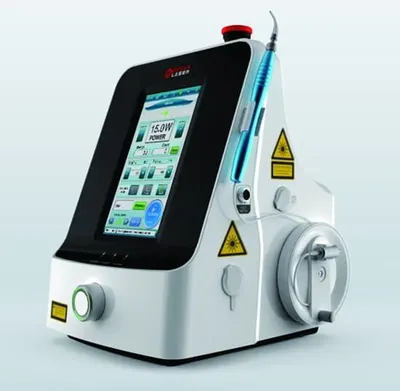
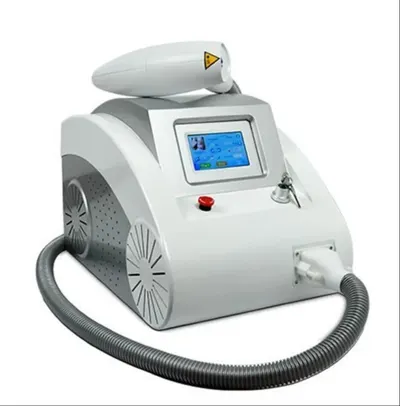
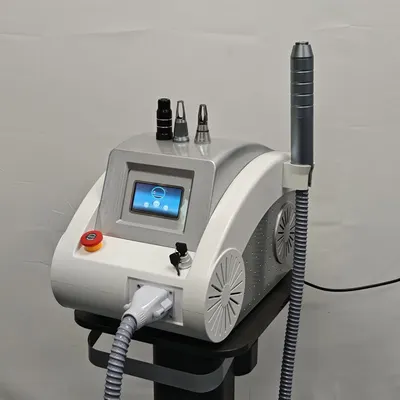
Beijing Starlight Science&Technology Development Co., Ltd is based in Beijing, China and currently lists five active products in its catalogue. All five items fall under the cosmetics and beauty parlour equipment category and include two IPL machines, a portable 6‑D Lipo laser slimmer, a Pico‑second Nd:YAG tattoo removal laser and a dual‑wavelength diode laser for lipolysis. The portable 6D Lipo Slimmer is recorded under HS code 8543.70 and is described as an ABS housing with electronic components and a laser diode array. Both the Pico‑second Nd:YAG tattoo removal machine and the 980 & 1470 nm diode lipolysis machine are classified under HS code 9018.90, with stainless‑steel and medical‑grade aluminum alloy housings respectively. The product list therefore spans two HS chapters - electronic devices (8543) and medical laser apparatus (9018).
Product Range and Specialties of Beijing Starlight Science&Technology Development Co., Ltd
The catalogue offers an IPL hair removal machine and an IPL skin care machine without specific HS codes, a portable 6D Lipo laser slimmer (HS 8543.70, ABS housing), a Pico‑second Nd:YAG tattoo removal system (HS 9018.90, stainless‑steel housing) and a 980 & 1470 nm diode laser for lipolysis (HS 9018.90, aluminum‑alloy housing). In the cosmetics‑laser market, IPL devices typically operate in the 500‑1200 nm wavelength range with pulse durations of 10‑100 µs and fluence levels of 10‑30 J/cm². Pico‑second Nd:YAG systems are usually specified by pulse width (<1 ps), energy per pulse (0.5‑5 mJ) and repetition rates up to 10 kHz, and they must comply with IEC 60825‑1 laser safety classes. Dual‑wavelength diode lipolysis units commonly combine a 980 nm band for adipose targeting and a 1470 nm band for deeper tissue heating, with output powers between 5‑30 W. Materials such as ABS, stainless steel and medical‑grade aluminum alloy are standard for housing to meet durability and hygiene requirements in clinical settings.
Trade and Export Information - Beijing Starlight Science&Technology Development Co., Ltd
China is a major exporter of aesthetic and dermatological laser equipment, supplying primarily to North America, Europe and emerging markets in the Middle East and Southeast Asia. Buyers in these regions usually import under HS chapter 90 for medical devices, requiring customs documentation that includes a detailed product description, HS code, and a certificate of conformity. Commonly requested certifications for laser and IPL equipment are CE marking (EU), ISO 13485 quality management for medical devices, and where applicable FDA 510(k) clearance for the United States. Export shipments are typically packed in wooden crates or reinforced cardboard with anti‑static protection, loaded in 20‑ft or 40‑ft containers, and shipped under Incoterms such as FOB Shanghai or CIF Hong Kong. Chinese exporters often provide a Declaration of Conformity and a test report from an accredited laboratory to satisfy import regulator requirements.
Sourcing from Beijing Starlight Science&Technology Development Co., Ltd - Buyer Guidance
When evaluating Beijing Starlight’s offerings, buyers should request the full technical data sheet for each laser system, including wavelength, pulse width, output power, beam profile and safety class. Verification of CE or ISO 13485 certification, along with a recent laboratory test report confirming compliance with IEC 60825‑1, is advisable before placing a purchase order. Samples of the housing material (ABS, stainless steel or aluminum alloy) can be requested to confirm durability, and a pre‑shipment inspection report should be obtained to ensure the correct HS code and material description are recorded on the export documentation.
Frequently Asked Questions About Beijing Starlight Science&Technology Development Co., Ltd
How many distinct products does Beijing Starlight list in its catalogue?
The supplier lists five distinct products covering IPL machines, a portable Lipo laser, a Pico‑second Nd:YAG tattoo removal system and a dual‑wavelength diode laser for lipolysis.
Which HS codes are assigned to the portable 6D Lipo laser slimmer and the diode laser for lipolysis?
The portable 6D Lipo laser slimmer is recorded under HS code 8543.70, while the 980 & 1470 nm diode laser for lipolysis uses HS code 9018.90.
What materials are used for the housings of the listed laser devices?
The 6D Lipo slimmer uses an ABS housing, the Pico‑second Nd:YAG tattoo removal machine has a stainless‑steel housing, and the diode lipolysis unit is built with a medical‑grade aluminum alloy housing.
What safety standards are typically required for IPL and laser equipment exported from China?
Importers usually require compliance with IEC 60825‑1 laser safety classification, CE marking for the EU, and ISO 13485 for medical‑device quality management; additional FDA clearance may be needed for U.S. markets.
What documentation should a buyer request before ordering the IPL hair removal machine?
Buyers should ask for a technical data sheet specifying wavelength and fluence, a CE or ISO 13485 certificate, and a recent laboratory test report confirming laser safety class.
What packaging and shipping formats are common for the supplier’s laser devices?
Devices are commonly packed in reinforced cardboard or wooden crates with anti‑static padding, loaded in 20‑ft or 40‑ft containers, and shipped under Incoterms such as FOB Shanghai or CIF Hong Kong.
Are there any specific import regulations for the HS 9018.90 laser equipment?
HS 9018.90 items are classified as medical or surgical instruments, so customs authorities typically require a certificate of conformity, a detailed product description, and compliance with relevant safety standards before clearance.
What verification steps can confirm the supplier’s material claims?
Request material certificates for ABS, stainless steel or aluminum alloy, and consider a third‑party pre‑shipment inspection to validate that the housings match the described specifications.




 , China