Baoji Lihua Non-ferrous Metals Co., Ltd. — Supplier
About Baoji Lihua Non-ferrous Metals Co., Ltd. - Tantalum Supplier in China
Based in China, Baoji Lihua Non-ferrous Metals Co., Ltd. currently lists eight active products in its catalogue. The offerings focus on tantalum and niobium metal forms used in high‑technology applications. Products include melting niobium, niobium sputtering targets, niobium rods, tantalum sputtering targets, tantalum tubes, and both tantalum foil and strip. Two items carry specific HS classifications: tantalum foil/strip is recorded under HS code 8103.20 and the melting niobium and niobium metal under HS code 8112.92. All listed materials specify high purity levels, with tantalum at 99.95‑99.99 % and niobium at 99.9 % or higher.
The tantalum items fall within the HS chapter 81 covering precious metals, while the niobium products are classified under HS chapter 81 as a different sub‑heading for base metals. The catalogue distinguishes between sputtering targets, which are typically supplied as dense plates for thin‑film deposition, and forms such as tubes, foils, and rods that serve capacitor and aerospace uses. The supplier’s product list does not include additional certifications, so buyers should verify compliance with industry standards independently. The range reflects common grades used in electronics, medical implants, and alloy production. Each product description aligns with the material purity ranges noted in the catalogue.
Product Range and Specialties of Baoji Lihua Non-ferrous Metals Co., Ltd.
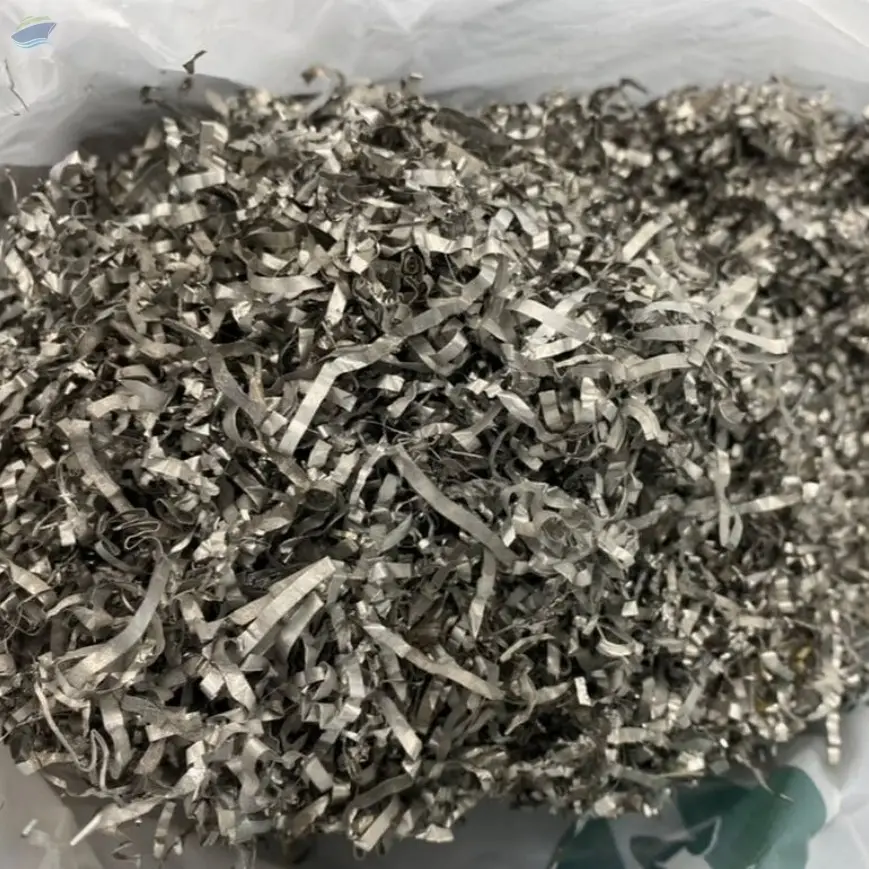
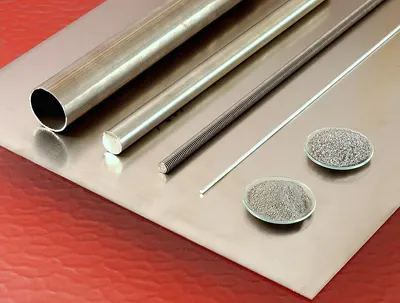
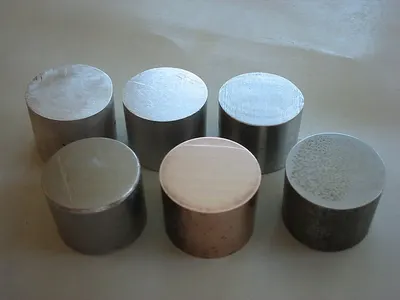
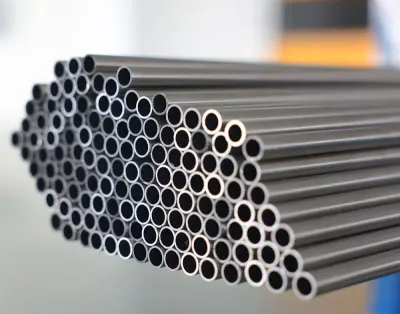
Baoji Lihua supplies a selection of tantalum and niobium metal products, including melting niobium, niobium sputtering targets, niobium rods, tantalum sputtering targets, tantalum tubes, and tantalum foil/strip. The tantalum foil and strip are offered with a purity of 99.95 % to 99.99 % (RO5200, RO5400, Ta2.5W, Ta10W) and are classified under HS code 8103.20, while the niobium metal and melting niobium carry a purity of 99.9 %+ under HS code 8112.92.
In the global market, tantalum foils and strips are typically supplied in thicknesses from 0.025 mm to 0.5 mm and are governed by specifications such as ASTM B575 and IEC 61701 for corrosion resistance. Tantalum sputtering targets are usually 100 mm or 150 mm in diameter with a density above 16.6 g/cm³. Niobium sputtering targets and rods commonly meet ASTM B609 requirements and are produced with oxygen content below 0.02 %. Standard packaging for these metal forms includes vacuum‑sealed steel drums or nitrogen‑purged pallets to preserve purity during transit.
Trade and Export Information - Baoji Lihua Non-ferrous Metals Co., Ltd.
China is a major exporter of high‑purity tantalum and niobium, supplying electronics manufacturers in Japan, South Korea, the United States, and Germany. The products listed fall under HS chapter 81 (precious and base metals), specifically sub‑headings 8103.20 for tantalum foil/strip and 8112.92 for niobium metal, which are routinely inspected by customs authorities for compliance with metal purity declarations. Buyers in the aerospace and medical sectors often require ISO 9001 quality management certification, RoHS compliance, and material test reports conforming to ASTM standards.
Typical export logistics involve loading the metal drums into 20‑ft or 40‑ft containers, with FOB Shanghai or Ningbo being common Incoterms for Chinese metal exporters. Protective measures such as double‑layered corrugated boxes, moisture‑absorbing packets, and inert gas blanketing are standard to prevent oxidation. Export documentation generally includes a commercial invoice, packing list, certificate of origin, and a third‑party assay report verifying the declared purity.
Sourcing from Baoji Lihua Non-ferrous Metals Co., Ltd. - Buyer Guidance
Importers should request a certified assay report that details the exact purity, trace element concentrations, and compliance with ASTM B575 (tantalum) or ASTM B609 (niobium). In addition, a copy of the supplier’s ISO 9001 certificate and RoHS declaration will help confirm that the material meets electronic component standards.
Typical minimum order quantities are 5 kg for tantalum foil or strip and 10 units for sputtering targets, with lead times ranging from 30 to 45 days after order confirmation. Buyers are advised to verify the HS code on the commercial invoice matches the product description and to inspect packaging integrity upon arrival.
Frequently Asked Questions About Baoji Lihua Non-ferrous Metals Co., Ltd.
What purity levels are available for the tantalum foil and strip?
The catalogue states tantalum foil/strip is supplied at 99.95 % to 99.99 % purity, corresponding to grades such as RO5200, RO5400, Ta2.5W and Ta10W. These grades meet the typical requirements for electronic capacitor and aerospace applications.
Which HS codes apply to the niobium metal products?
Niobium metal and melting niobium are classified under HS code 8112.92, which covers other base metal articles. The HS code should appear on the commercial invoice to align with customs declarations.
What standard specifications should I check for the tantalum sputtering targets?
Buyers typically verify that the targets meet ASTM B575 for tantalum purity and have a density of at least 16.6 g/cm³. Dimensions are commonly 100 mm or 150 mm in diameter, and the target surface should be flat within ±0.02 mm tolerance.
How are the metal products packaged for shipment?
The usual packaging includes vacuum‑sealed steel drums or nitrogen‑purged pallets, placed inside wooden crates or corrugated boxes. These packages are then loaded into 20‑ft or 40‑ft containers for ocean freight.
Which certifications are commonly required for importing these metals?
Importers often request ISO 9001 quality management certification, RoHS compliance documentation, and a third‑party assay report that references ASTM B575 (tantalum) or ASTM B609 (niobium). These documents demonstrate conformity with purity and environmental standards.
What are typical lead times and minimum order quantities?
Lead times are generally 30‑45 days after order confirmation, allowing time for assay testing and packaging. Minimum orders are commonly 5 kg for tantalum foil/strip and 10 units for sputtering targets.
Which regions are the main buyers of Chinese tantalum and niobium?
Major importers include electronics manufacturers in Japan and South Korea, aerospace and medical device firms in the United States and Germany, and specialty alloy producers across Europe. These regions prioritize high‑purity grades for advanced technological applications.
What documentation should accompany the shipment for customs clearance?
Standard documentation includes a commercial invoice, packing list, certificate of origin, and the third‑party assay report confirming material purity. Providing the correct HS code and accurate product description helps avoid delays at customs.




 , China


.jpg.png)