B.R Overseas — Supplier
About B.R Overseas - Spices Supplier in India
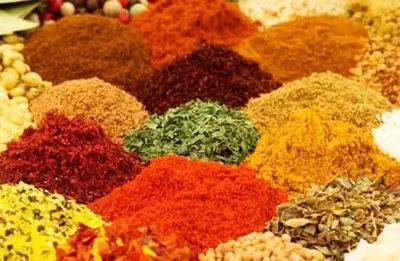
B.R Overseas is located in Bikaner, India, and has an active product count of 5. The company deals in various spices, including Dehydrated Spices, Red Chilli, Coriander Seeds, and Food Raw Material. Their product catalogue includes Dry Red Chilli, Dry Turmeric Powder, Coriander seeds, Cumin, and Garam Masala. Exporters of spices from India typically ship their goods to regions such as the Middle East, Africa, and Southeast Asia, where there is a high demand for these products.
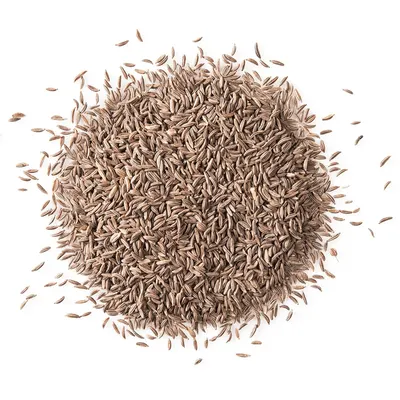
Buyers of spices usually require specific quality grades, such as the ASTA (American Spice Trade Association) standards for spice purity and moisture content. For instance, the ASTA standard for whole spices like Coriander seeds and Cumin is a maximum of 10% moisture content and a minimum of 99% purity.
Product Range and Specialties of B.R Overseas
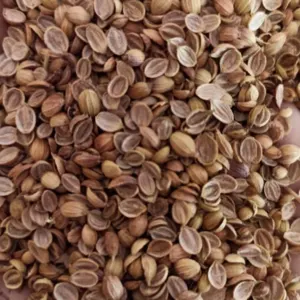
B.R Overseas' product range includes a variety of spices, each with its own set of standard specifications. For example, Dry Red Chilli is typically graded according to its color, with higher grades having a deeper red color. Coriander seeds, on the other hand, are graded based on their size and purity, with higher grades having larger seeds and lower impurity levels. Buyers of these spices usually require certifications like ISO 9001 for quality management and HACCP for food safety.
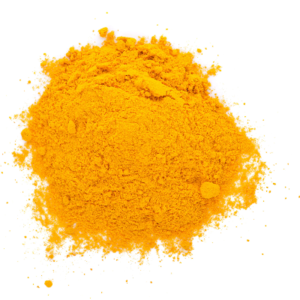
The company's catalogue also includes Dry Turmeric Powder, which is commonly used in the food and pharmaceutical industries. This product is typically graded according to its curcumin content, with higher grades having a higher curcumin content. Garam Masala, a blend of ground spices, is another product in the company's catalogue, and its quality is typically evaluated based on its aroma, flavor, and texture.
Trade and Export Information - B.R Overseas
Exporters of spices from India, like B.R Overseas, typically face strict regulations and standards when shipping their goods to other countries. The HS code for spices like Red Chilli is 0904.21, and for Coriander seeds is 0909.20. These goods are usually shipped in 20 ft or 40 ft containers, with packaging that meets international standards for food safety and quality. Incoterms like FOB (Free on Board) or CIF (Cost, Insurance, and Freight) are commonly used in the spice trade.
The Indian spice industry is known for its quality products, and exporters from this region typically have to meet strict quality control measures to ensure the purity and safety of their goods. Buyers of spices from India usually require certifications like ISO 22000 for food safety management and compliance with regulations like the US FDA's (Food and Drug Administration) guidelines for food imports.
Sourcing from B.R Overseas - Buyer Guidance
When sourcing spices from B.R Overseas or other Indian spice exporters, buyers should request specifications like the spice's grade, purity, and moisture content. They should also ask for test reports and certifications like ISO 9001 and HACCP to ensure the quality and safety of the products. Additionally, buyers should verify the packaging and shipping details to ensure compliance with international regulations and standards.
Buyers should also be aware of the typical quality parameters for spices, such as the ASTA standards for spice purity and moisture content. For example, the ASTA standard for whole spices like Coriander seeds and Cumin is a maximum of 10% moisture content and a minimum of 99% purity. By requesting these specifications and certifications, buyers can ensure that they are getting quality spices that meet their requirements.
Frequently Asked Questions About B.R Overseas
What is the typical packaging for spices like Red Chilli and Coriander seeds?
The typical packaging for spices like Red Chilli and Coriander seeds is in 25 kg or 50 kg bags, with packaging that meets international standards for food safety and quality. Exporters may also use other packaging options like containers or drums, depending on the buyer's requirements.
What certifications should buyers request when sourcing spices from B.R Overseas?
Buyers should request certifications like ISO 9001 for quality management and HACCP for food safety. They should also ask for test reports and compliance with regulations like the US FDA's guidelines for food imports.
What is the typical lead time for shipping spices from India?
The typical lead time for shipping spices from India is around 2-4 weeks, depending on the destination and mode of transport. Buyers should confirm the lead time with the exporter before placing an order.
What is the minimum order quantity (MOQ) for spices like Dry Turmeric Powder and Garam Masala?
The MOQ for spices like Dry Turmeric Powder and Garam Masala can vary depending on the exporter and the buyer's requirements. Typically, the MOQ is around 100 kg or 500 kg, but buyers should confirm this with the exporter before placing an order.
How do buyers verify the quality of spices like Coriander seeds and Cumin?
Buyers can verify the quality of spices like Coriander seeds and Cumin by requesting test reports and certifications like ISO 9001 and HACCP. They should also check the spice's grade, purity, and moisture content to ensure it meets their requirements.
What is the typical payment term for spice exports from India?
The typical payment term for spice exports from India is around 30-60 days, depending on the buyer's creditworthiness and the exporter's policies. Buyers should confirm the payment terms with the exporter before placing an order.
Can buyers request a sample of spices like Dry Red Chilli and Garam Masala before placing an order?
Yes, buyers can request a sample of spices like Dry Red Chilli and Garam Masala before placing an order. Exporters usually provide samples to buyers to ensure the quality and purity of the spices meet their requirements.
How do buyers ensure compliance with regulations like the US FDA's guidelines for food imports?
Buyers can ensure compliance with regulations like the US FDA's guidelines for food imports by requesting certifications like ISO 22000 for food safety management and compliance with regulations. They should also verify the exporter's compliance with these regulations before placing an order.




 , India