Australia Bond International Trade — Verified Supplier
About Australia Bond International Trade - Multi-Category Supplier in Australia
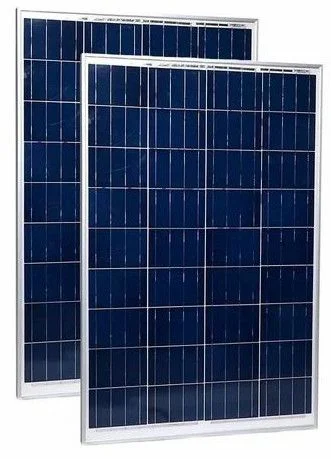
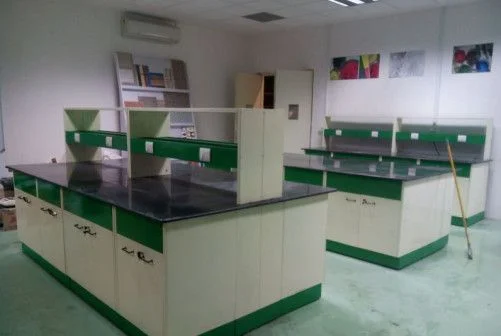
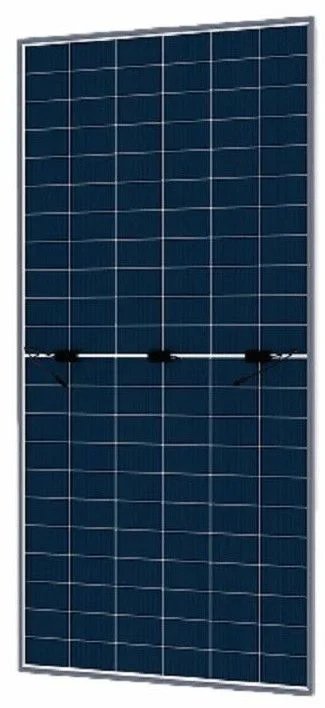
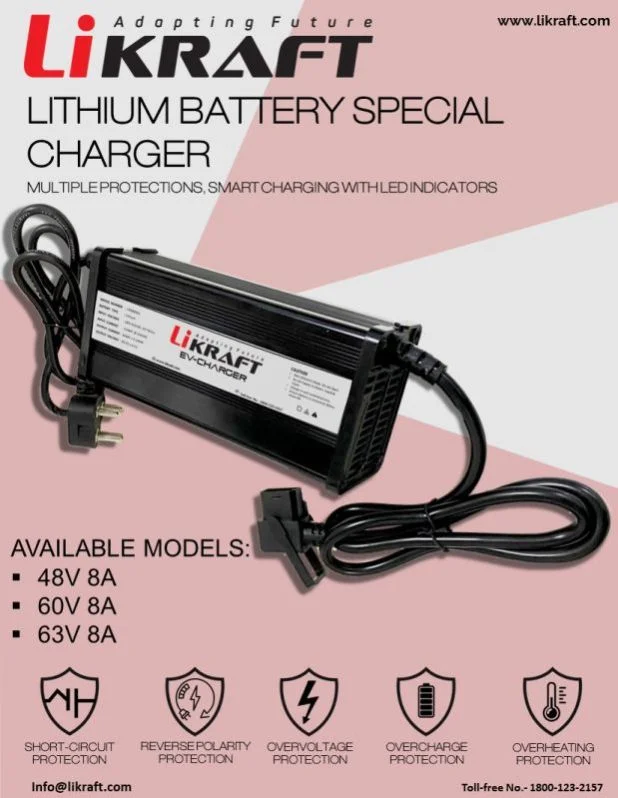
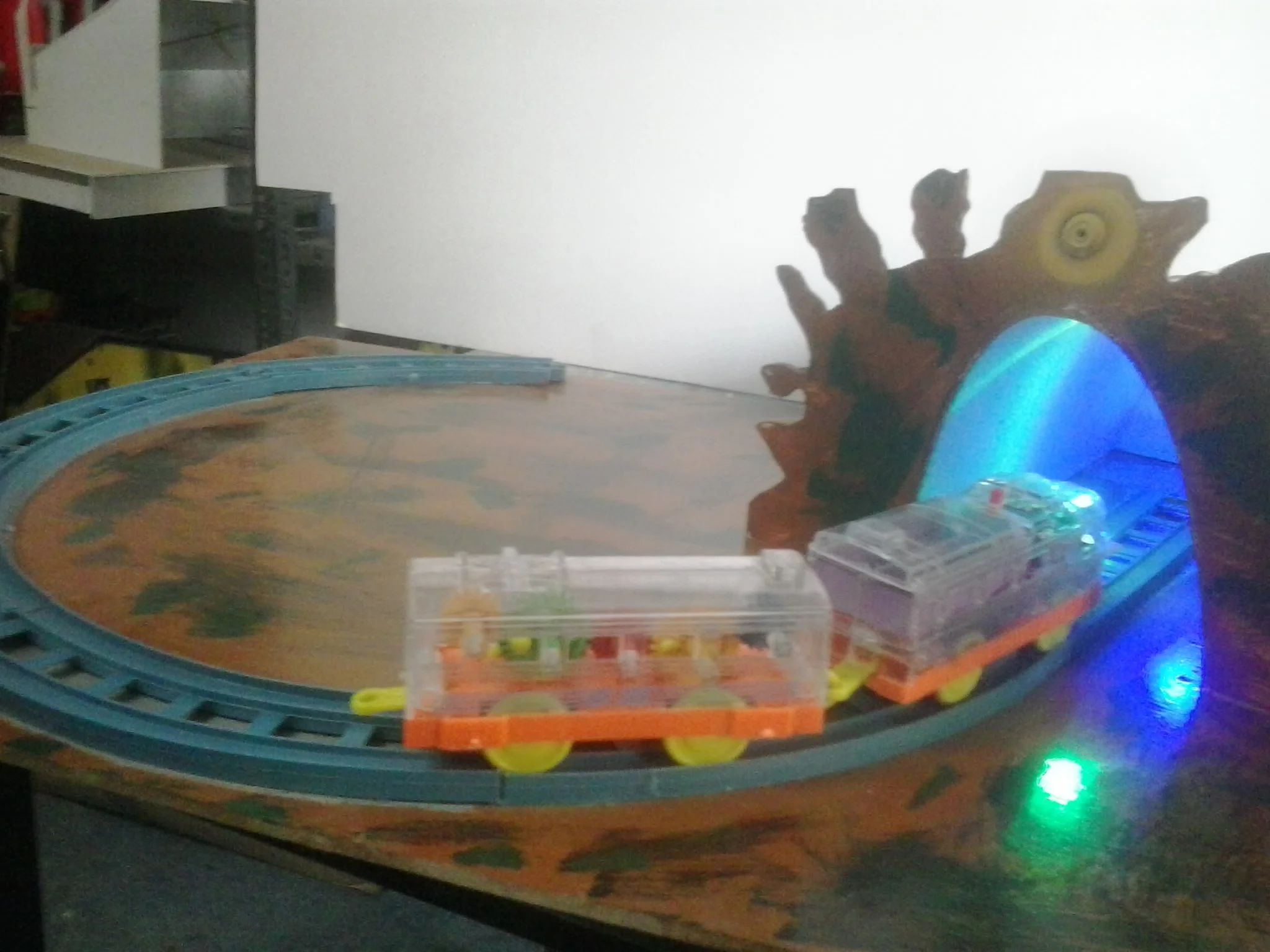
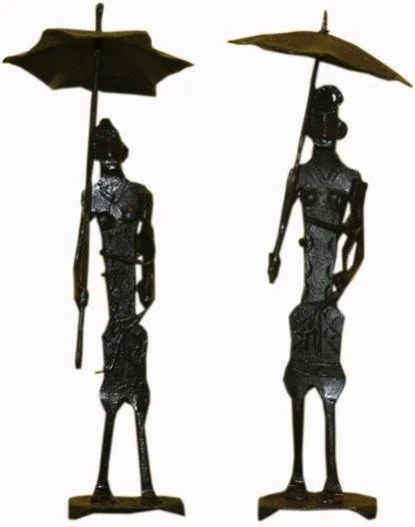
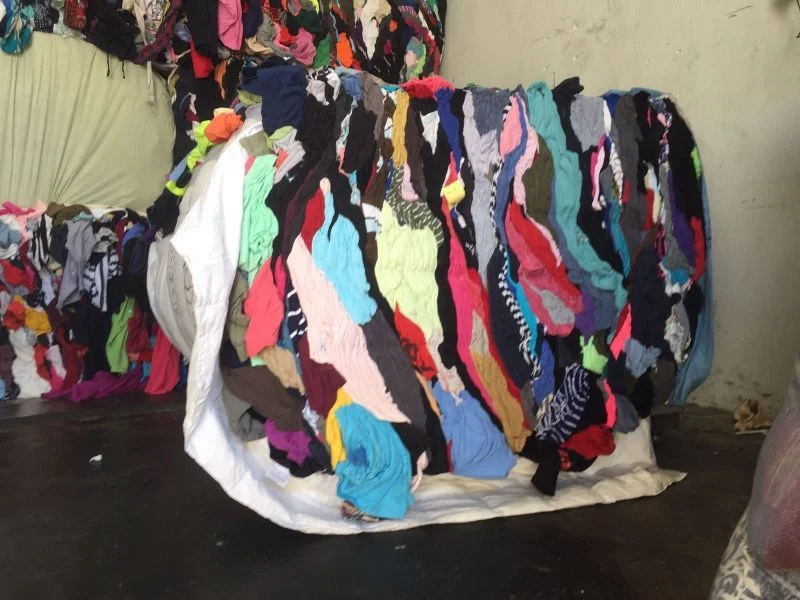
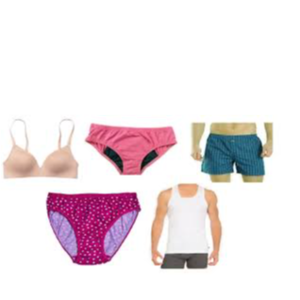
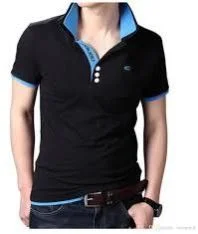
Australia Bond International Trade lists 13 active product entries and operates from Australia. The catalogue includes used clothing sorted for summer or winter, commercial and bespoke furniture, solar panels and cells, portable power stations equipped with lithium‑iron‑phosphate (LiFePO4) battery cells (HS\u00a08507.60), textile fabric raw material, rattan‑iron handicrafts, and LED decorative lighting. Each entry is recorded under its specific category such as Used Clothings, Furniture, Solar Components, and Iron Handicrafts, reflecting a diversified product set across consumer and industrial segments. The supplier’s product identifiers repeat across the list (e.g., multiple entries for solar panels and used clothes) but together they cover the stated top categories. The data does not include any corporate history, employee numbers, or revenue figures. All statements are derived from the supplied facts, and the HS code reference is limited to the portable power station battery cells. The supplier’s trust tier is noted as “harbor,” indicating a mid‑level verification level within the platform.
Product Range and Specialties of Australia Bond International Trade
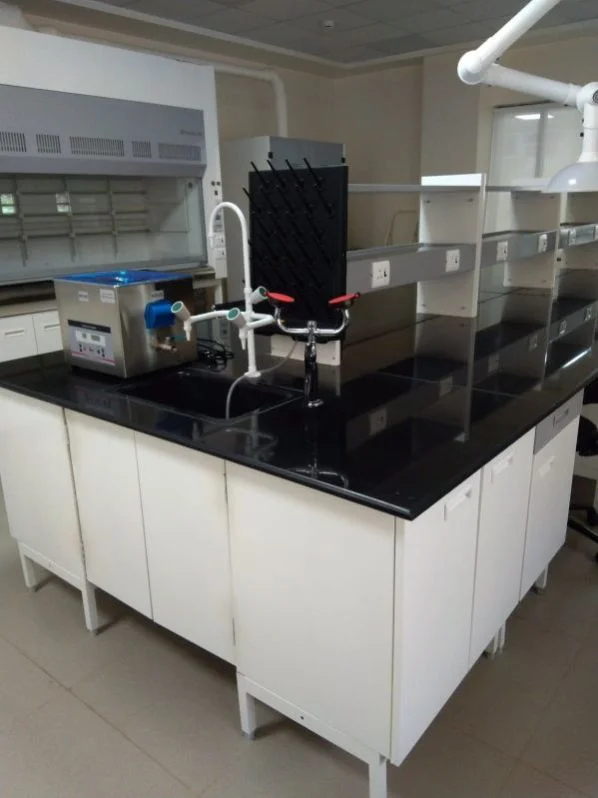
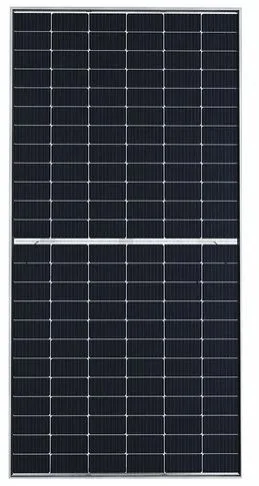
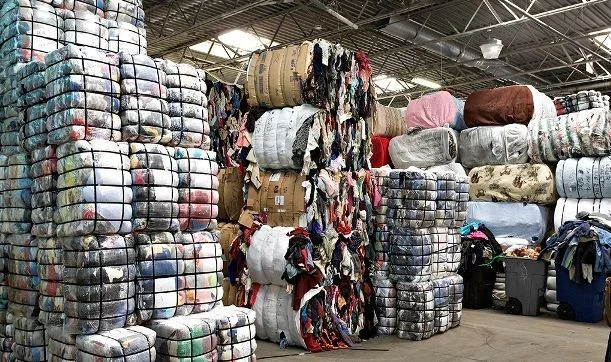
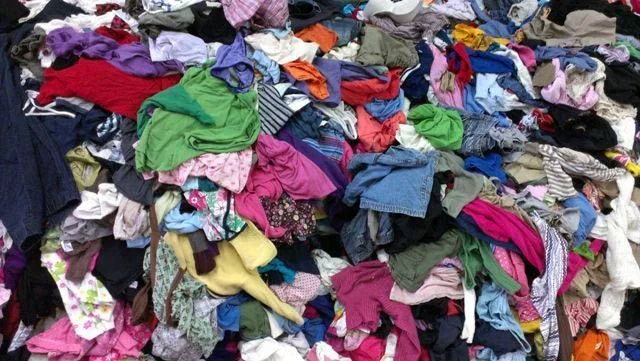
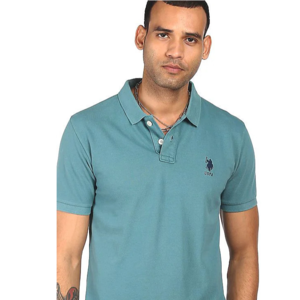
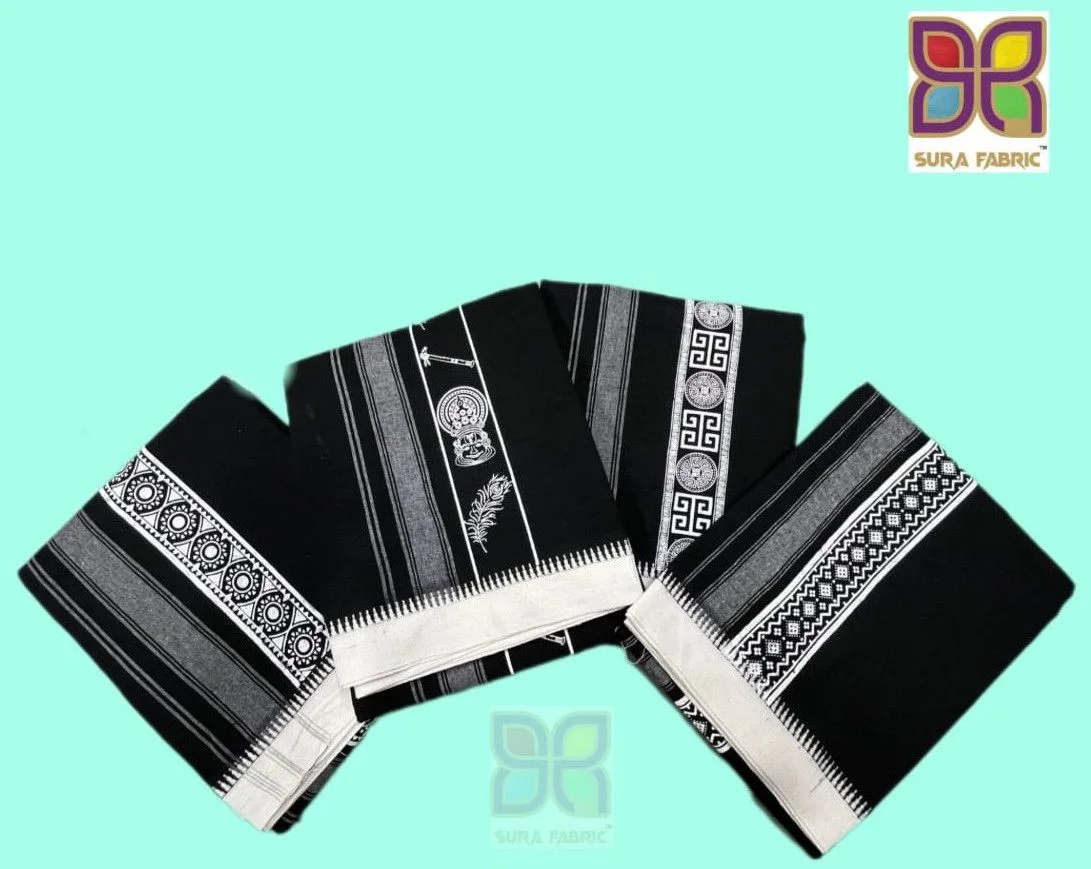
The catalogue offers used garments that are sorted by season, a practice common in secondary textile markets where items are classified as summer or winter wear and graded by visual condition and fabric integrity. Commercial and bespoke furniture items typically follow Australian standards for fire safety (AS\u00a01851) and may be shipped flat‑packed in timber or metal frames. Solar panels and cells are generally produced to IEC\u00a061215 and IEC\u00a061730 standards, with typical efficiencies ranging from 18\u00a0% to 22\u00a0% for crystalline silicon modules. The portable power stations incorporate LiFePO4 cells, known for thermal stability and a cycle life of 2,000\u20133,000 cycles; buyers often request UN\u00a038.3 test reports and CE marking for safety compliance. Textile fabric raw material is usually supplied in rolls measured in GSM (grams per square metre), with common grades such as 150\u00a0gsm for lightweight applications. Rattan‑iron handicrafts combine natural rattan with wrought iron, a niche export product often classified under HS\u00a08306 for metal articles of iron or steel. LED decorative lights are typically classified under HS\u00a08541 and meet IEC\u00a060598 safety standards, with colour temperature and lumen output specified per order.
Trade and Export Information - Australia Bond International Trade
Australian exporters of used clothing, furniture, and solar equipment commonly target markets in Southeast Asia, the Middle East, and Europe, where demand for cost‑effective second‑hand textiles and renewable energy components is strong. The HS\u00a08507.60 code for portable power stations places the product in the “electric accumulators, batteries and parts thereof” chapter, which usually requires a commercial invoice, a test certificate for battery safety, and compliance with the International Maritime Dangerous Goods (IMDG) Code for lithium‑based shipments. Solar panels and cells fall under HS\u00a08541 and are frequently inspected for conformity with IEC standards and may need a Certificate of Origin for preferential trade agreements. Furniture exports are shipped in 20‑ft or 40‑ft containers, often with wooden pallets treated to ISPM\u00a015 standards. Australian regulations also mandate that LED lighting comply with the Australian/New Zealand Standard AS/NZS\u00a060950 for electrical safety, and buyers typically request a declaration of conformity alongside the packing list.
Sourcing from Australia Bond International Trade - Buyer Guidance
When sourcing used clothing from this supplier, request a detailed sorting report that specifies season classification, fabric type, and condition grade (e.g., A‑grade for near‑new, B‑grade for minor wear). For furniture, ask for material specifications, fire‑safety test results, and a pre‑shipment inspection report. Portable power stations should be accompanied by UN\u00a038.3 test certificates, CE declarations, and a battery capacity test sheet indicating nominal voltage and amp‑hour rating. Solar panels require an IEC\u00a061215 test report, performance ratio data, and a warranty statement. For LED lights, obtain an IEC\u00a060598 safety test report and a lumen‑output measurement. In all cases, verify the HS code on the commercial invoice matches the product description and request a Certificate of Origin if the buyer intends to claim preferential tariff treatment.
Frequently Asked Questions About Australia Bond International Trade
What types of used clothing are listed in the catalogue?
The supplier offers sorted and mixed used garments classified for summer or winter wear. Each batch is typically graded by visual condition and fabric type, which buyers can verify through a sorting report.
Are the portable power stations compliant with international safety standards?
The portable power stations contain LiFePO4 battery cells and are listed under HS\u00a08507.60. Buyers should request UN\u00a038.3 test certificates and CE conformity declarations to confirm safety compliance.
What specifications are available for the solar panels and cells?
Solar panels and cells are presented without a specific HS code, but industry practice expects IEC\u00a061215 performance certification, a power output rating (e.g., 250\u00a0W per panel), and a warranty period of 10\u00a0years.
How is the commercial furniture packaged for export?
Commercial and bespoke furniture is usually crated or flat‑packed on ISPM\u00a015‑treated pallets, with dimensions and weight detailed on the packing list for container loading.
What documentation should a buyer request for LED decorative lights?
Buyers should ask for an IEC\u00a060598 safety test report, a product data sheet showing lumen output and colour temperature, and the HS\u00a08541 classification on the invoice.
Is there any certification information provided for the rattan‑iron handicrafts?
The facts do not list specific certifications for the rattan‑iron handicrafts. Buyers typically request material composition certificates and a visual inspection report before shipment.
What are the typical lead times for these product categories?
Lead times vary: used clothing and LED lights can be ready for shipment within 2‑4\u00a0weeks, furniture may require 4‑6\u00a0weeks for custom preparation, and solar panels or portable power stations often need 6‑8\u00a0weeks due to testing and certification processes.
Can I request sample units before placing a full order?
Yes, the supplier can provide sample units for used clothing, fabric material, and LED lights. For larger items such as furniture or solar panels, a small prototype or test piece is usually offered upon request.




 , Australia